The Gulf’s delicate, multilayered approach to Iran
Short Url
https://arab.news/wr9mb
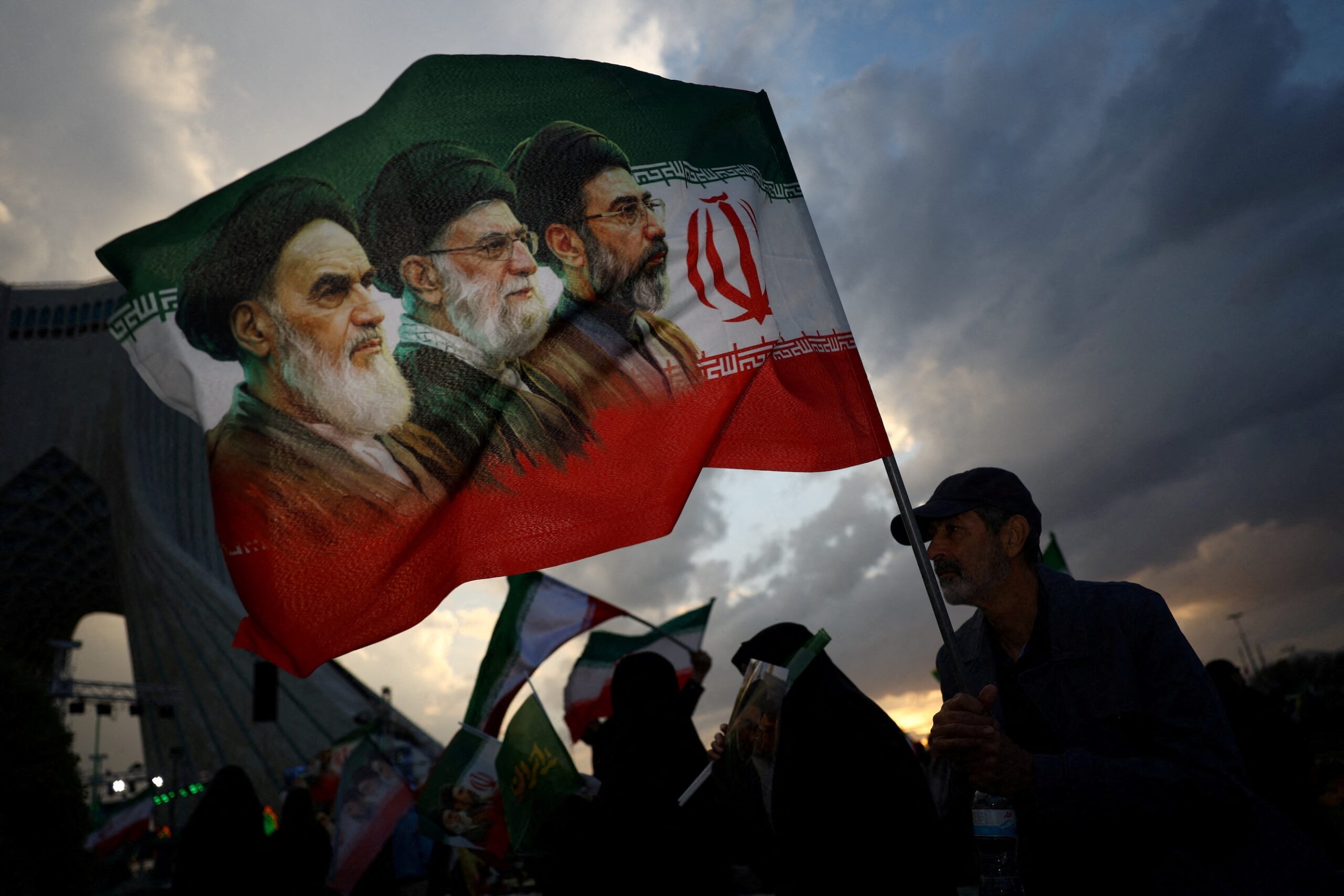
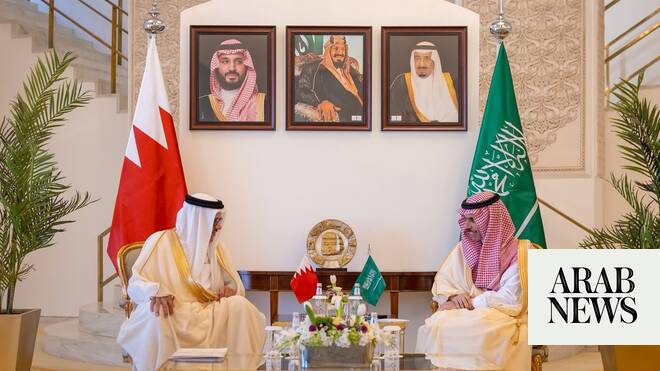
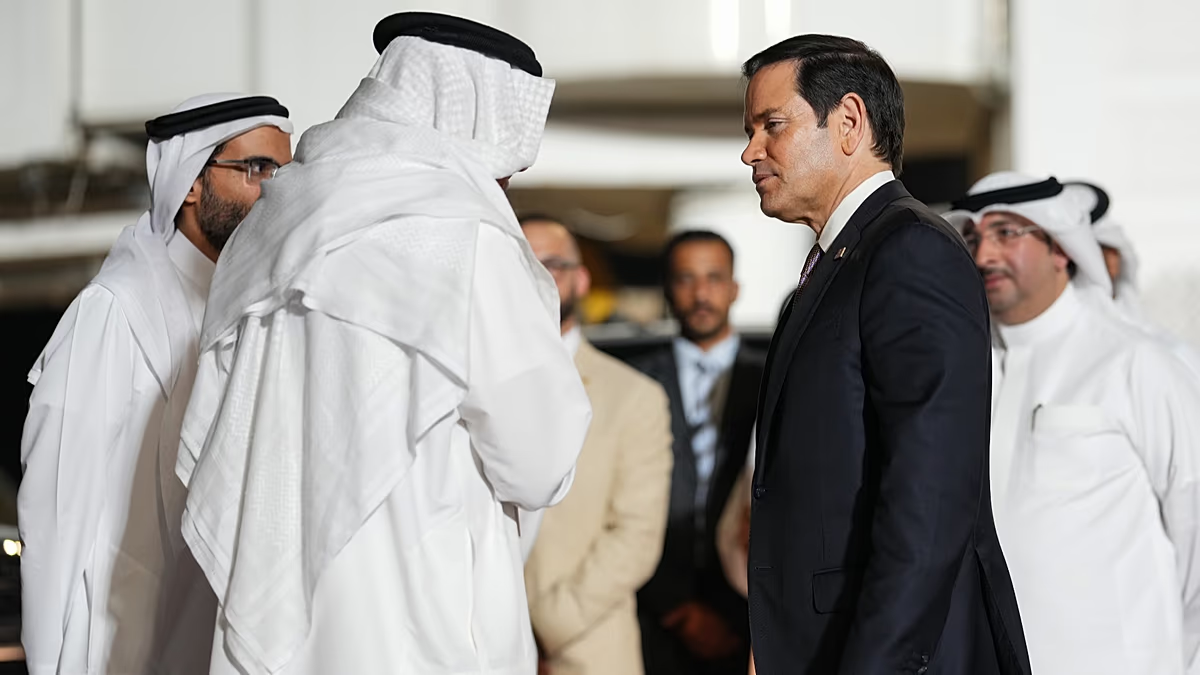
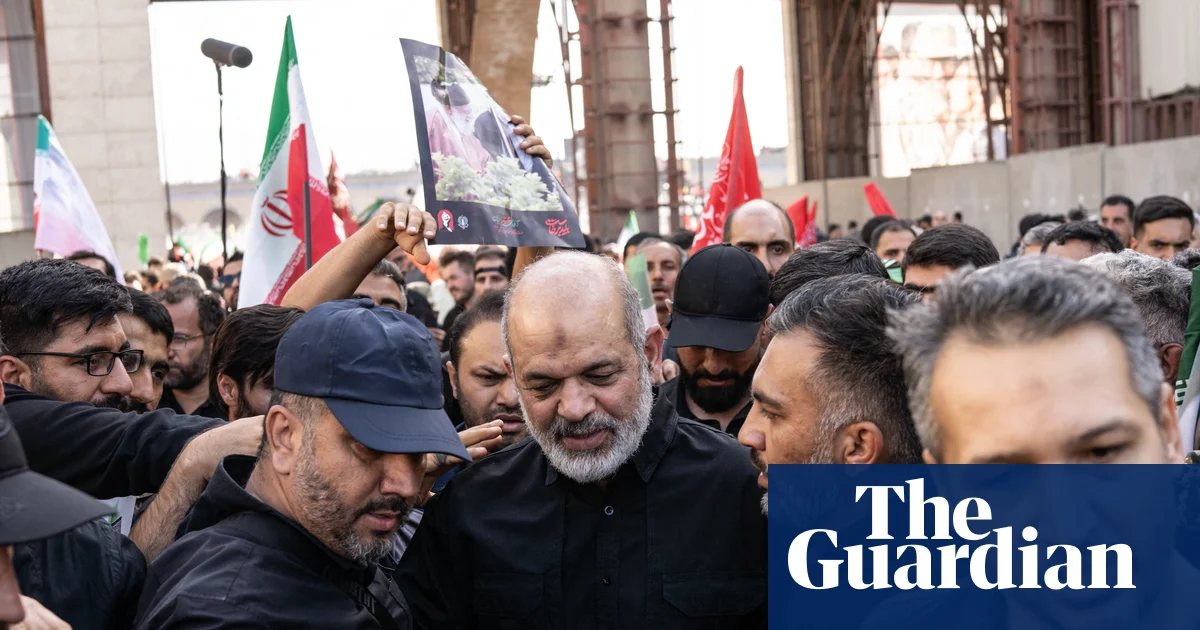
Anyone observing Gulf-Iranian relations will find that, between June 25 and July 4, three significant signals emerged: the ministerial statement issued following a meeting in Manama, the technical negotiation channel in Doha, and the carefully calibrated diplomatic presence in Tehran during the funeral of former Supreme Leader Ali Khamenei.
Analyzing these signals together points to a shift in Gulf positions, from managing the military and security escalation that the region witnessed to attempting to find practical negotiated solutions built on solid foundations that secure the shared interests of all parties, without allowing Iran to exercise negative external influence. This means that the Arab Gulf states have not closed their channels of communication with Iran despite its recent attacks on Kuwait and Bahrain. At the same time, they have not allowed the course of the Washington-Tehran negotiations to proceed independently on issues that directly affect Gulf security.