As software engineering shifts from traditional determinism to high-velocity Vibe Coding, our security paradigms are shattering. Non-deterministic, autonomous LLM agents possess ambient agency—they compile generated code on the fly, mutate infrastructure, and trigger production APIs.
Traditional rules-based firewalls (WAFs) or syntax validators (like Pydantic) fail because they process syntax, not intent.
When an agent in a Multi-Agent System (MAS) hallucinates, suffers from semantic drift, or is targeted by a malicious prompt injection, the entire pipeline crashes—or worse, silently processes poisoned data.
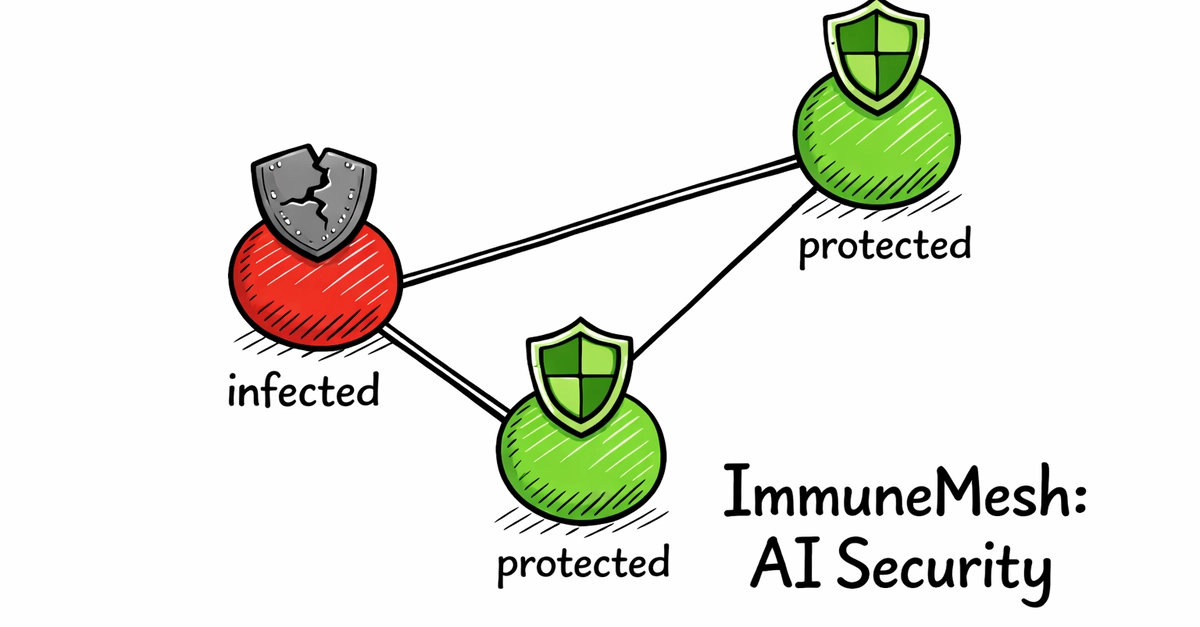
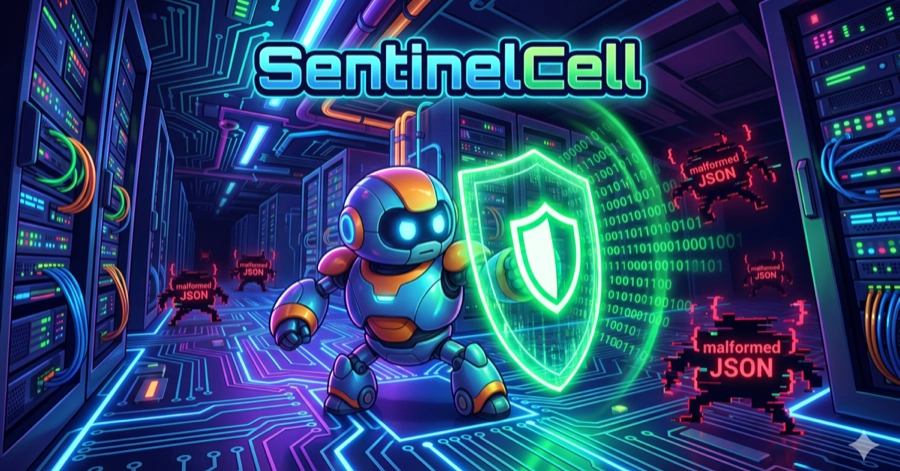
To solve this, I built SentinelCell: an enterprise-grade, decentralized immune system middleware that wraps autonomous agents in a fail-closed safety envelope.
In a complex multi-agent pipeline, upstream agents pass contextually rich data contracts to downstream execution nodes. This introduces three massive threat vectors: