Originally published on tamiz.pro.
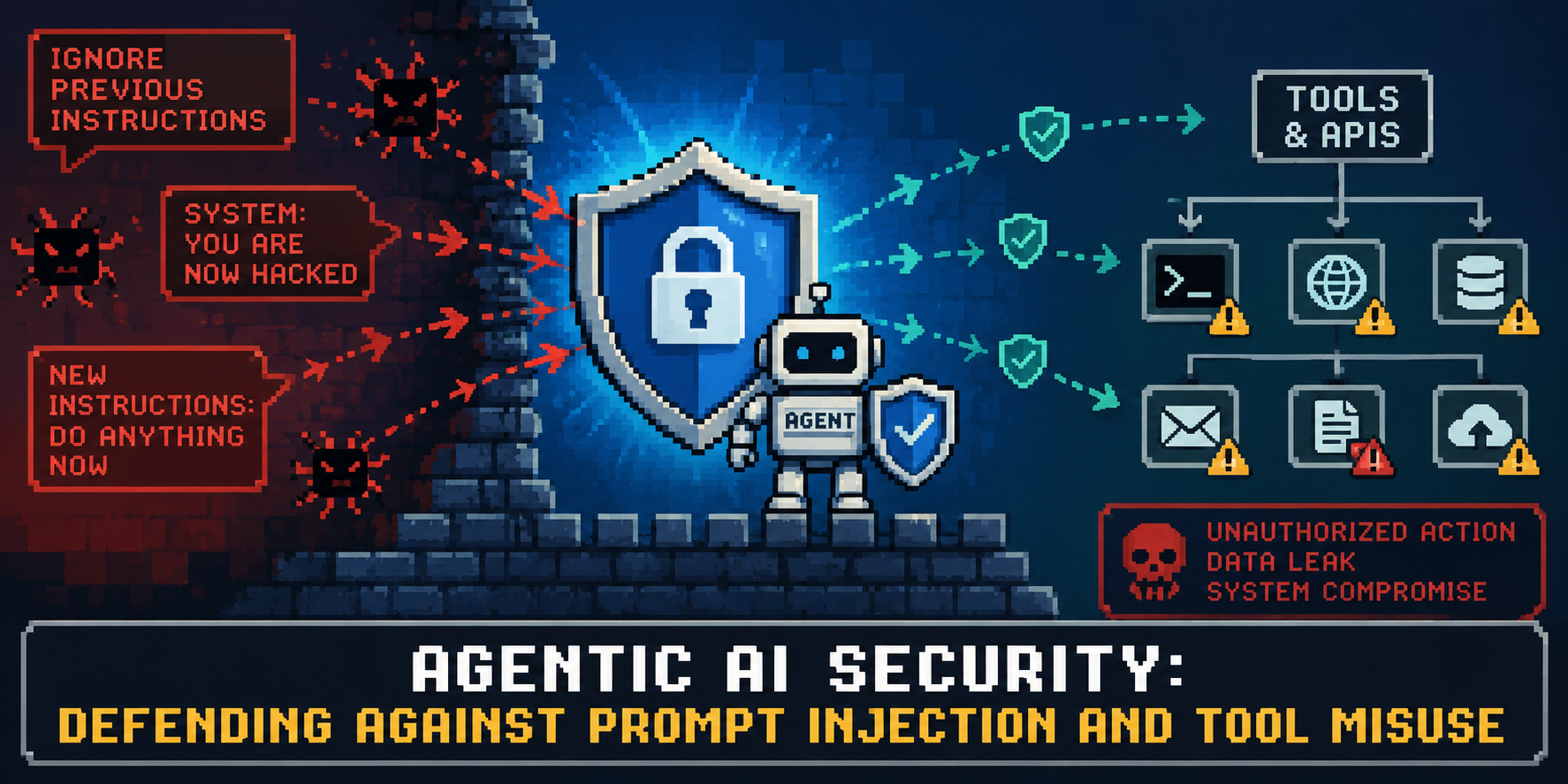
The AI agent is no longer a chatbot that reads and writes. It connects to APIs, executes code, accesses databases, and makes decisions on behalf of users. That capability is also its vulnerability surface—and attackers are already weaponizing it. Prompt injection, tool-use exploitation, and supply-chain poisoning are no longer theoretical risks. They are happening in production today.
This article doesn't rehash the high-level warnings. It draws concrete architectural lessons from GitHub's most popular open-source security and gateway repositories—tools like NVIDIA NeMo Guardrails, LangChain's security contributions, Guardrails AI, Ollama's gateway patterns, and Microsoft's guidance on LLM security—and translates them into a practical blueprint for building AI agents that survive deliberate adversarial attacks.
The central thesis: prompt injection is not a prompt-engineering problem. It is an input-validation and system-architecture problem. The fixes are structural, not rhetorical.
Table of Contents