July 5, 2026 / 11:42 AM EDT
/ CBS News
Add CBS News on Google
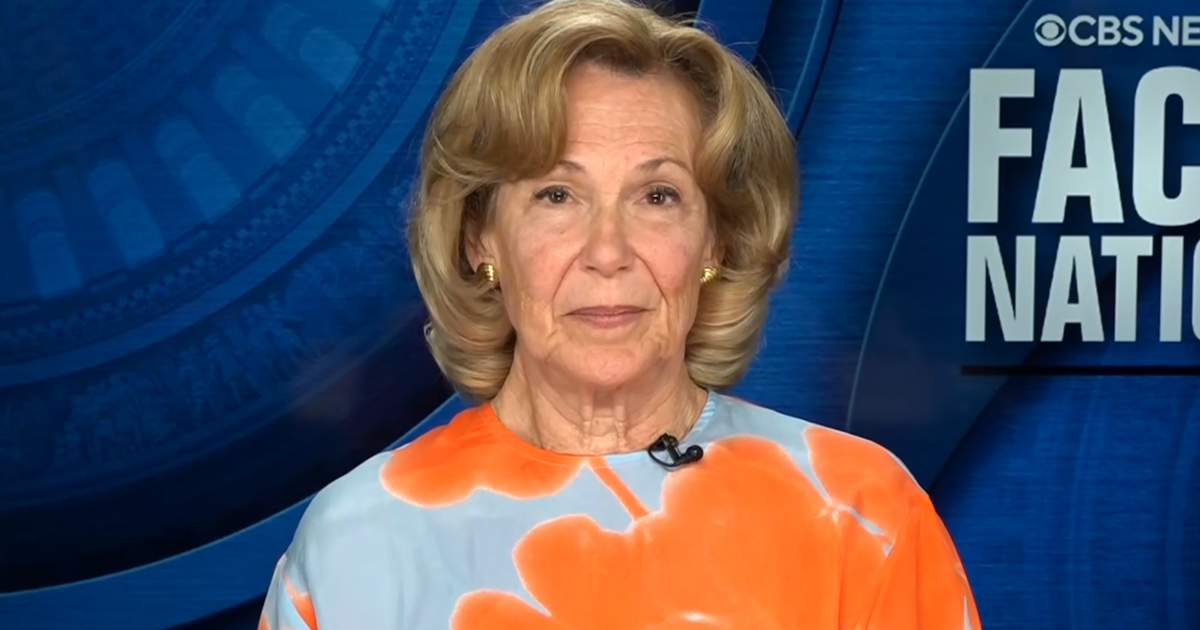
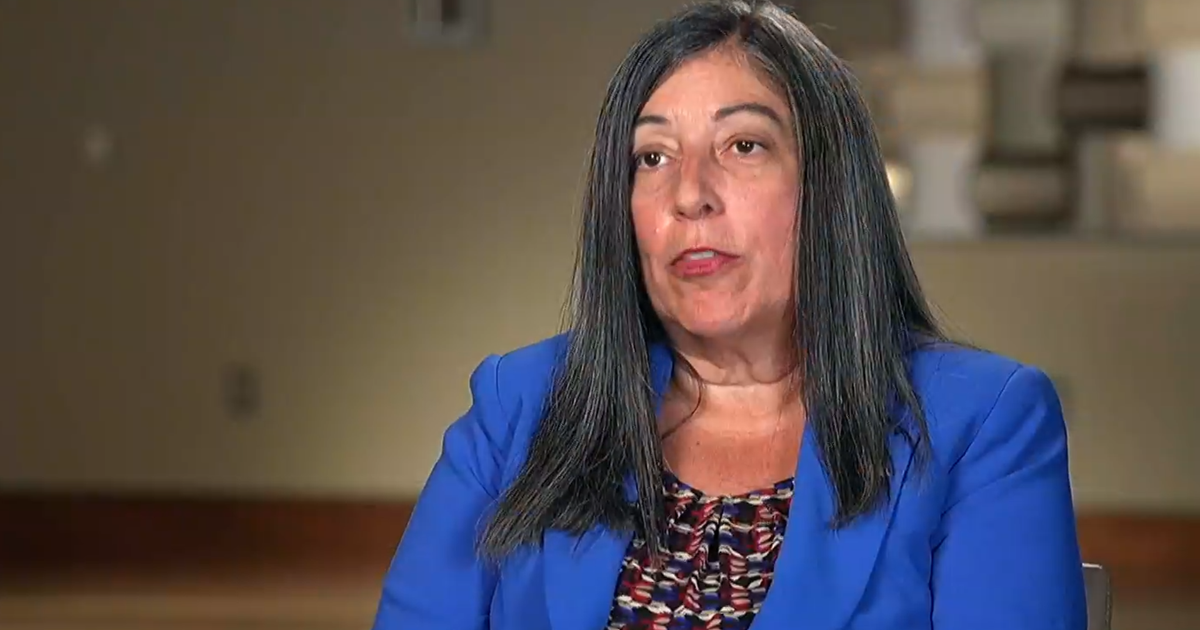
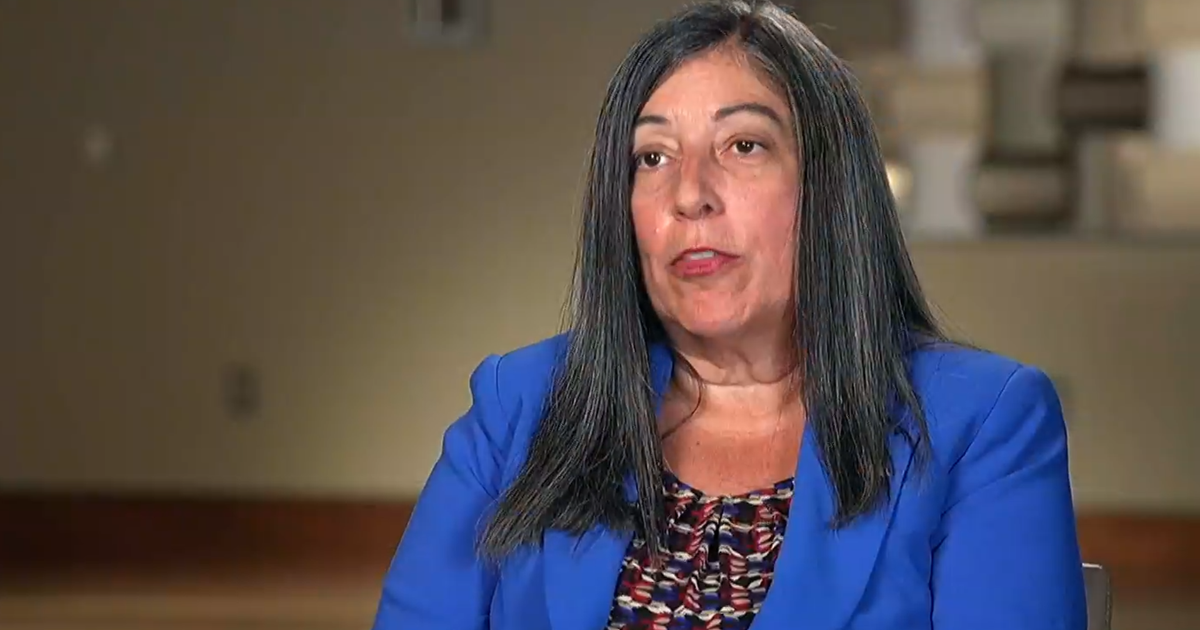
The following is the full transcript of an interview with former CDC chief medical officer Dr. Debra Houry, a portion of which aired on "Face the Nation with Margaret Brennan" on July 5, 2026. This interview was taped on July 1, 2026.MARGARET BRENNAN: Doctor, thank you very much for making time. DR. DEBRA HOURY: My pleasure. MARGARET BRENNAN: So, you were the chief medical officer at the CDC until August last year. You spent 11 years at the agency. When President Trump was elected, he did so with the alliance of the Make America Healthy Again movement, and the secretary that he put in place said the CDC is the most corrupt federal agency in all of HHS. What did you think him being in charge was going to mean for you?DR. HOURY: Well, certainly I was a little concerned, but under the first Trump administration things went really well overall, you know. We saw things like suicide prevention get started under the first administration, so I was cautiously optimistic. And then I was also the transition lead for the agency, so I knew that our goal was to really position ourselves to work with the new administration, and that hopefully, if we could actually meet with the secretary, present data, and align with some of his priorities, we wanted, say, food and water as well, that maybe we could find some common ground, but I was worried.MARGARET BRENNAN: I know that you were asked by the Senate committee that oversees the health agencies to share some of the documents and emails that you had collected during your time leading up to your departure. Why were you saving your emails?DR. HOURY: You know, I think just in general good clinical practice, you know, I always documented on patients, and so similarly, as I was, you know, overseeing many decisions or part of discussions, I thought it was important to really document how those decisions were being made, particularly when I had concerns that there were conflicts of interest that weren't being taken care of, when there were issues around scientific integrity and political interference, so- and despite all that, you know, I was a capstone official, which meant any of my emails always are retained through Freedom of Information Act, so I just thought it was prudent to really document what was going on.