May 24, 2026 / 12:19 PM EDT
/ CBS News
Add CBS News on Google
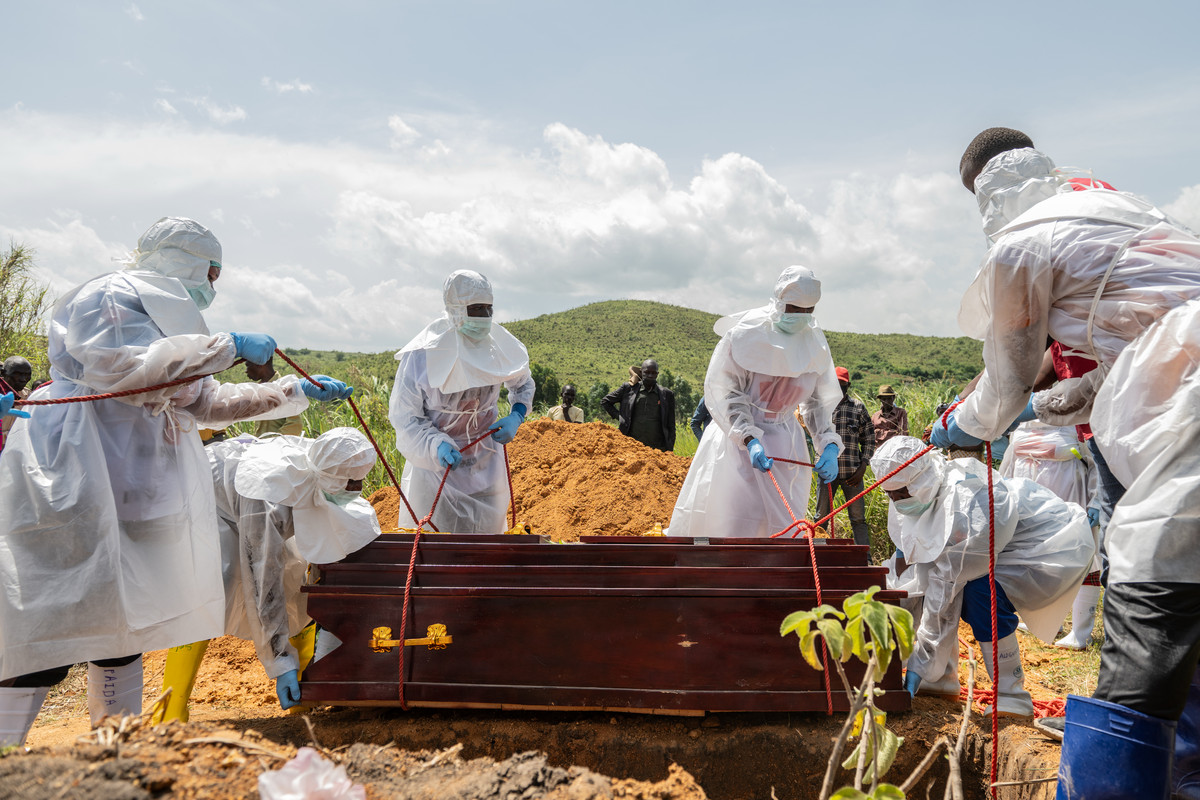
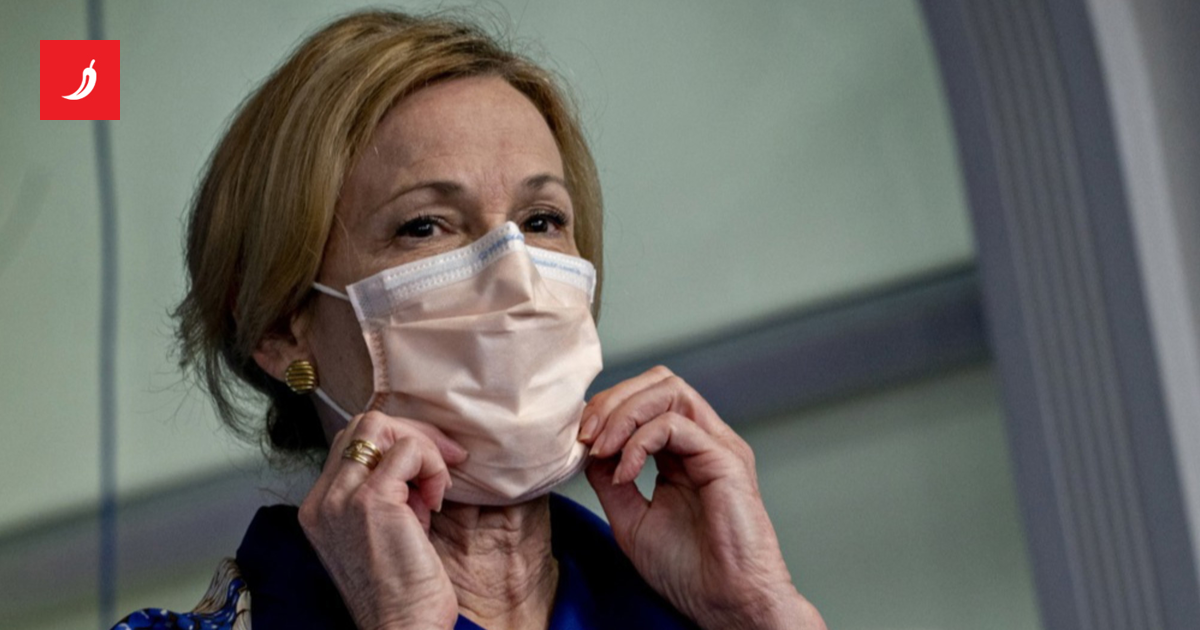
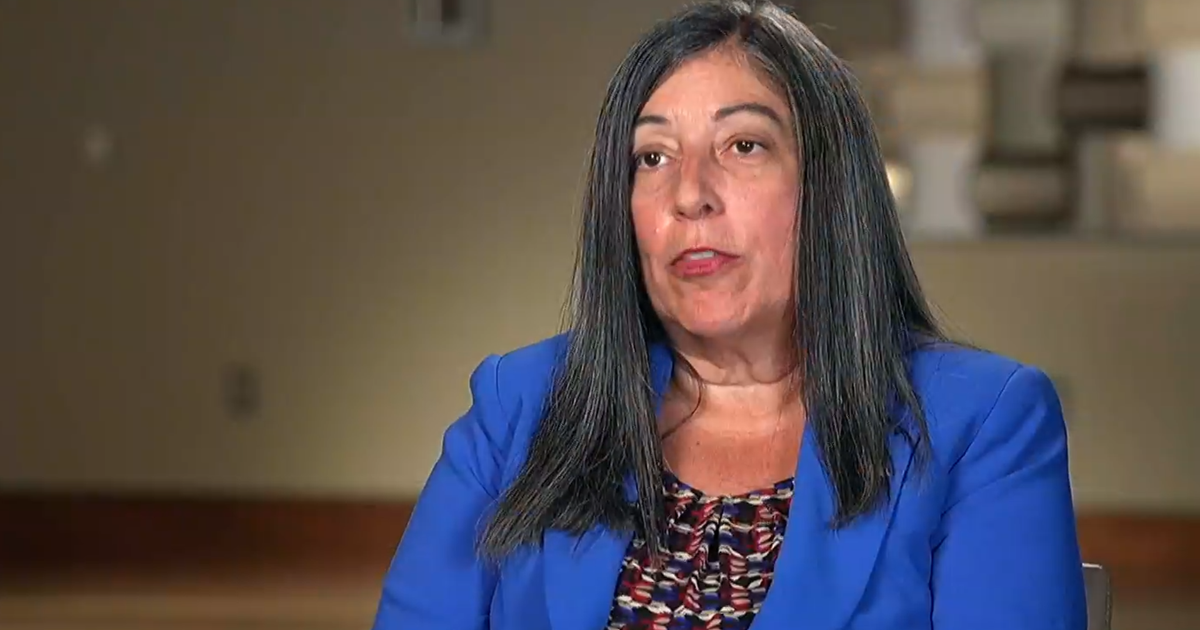
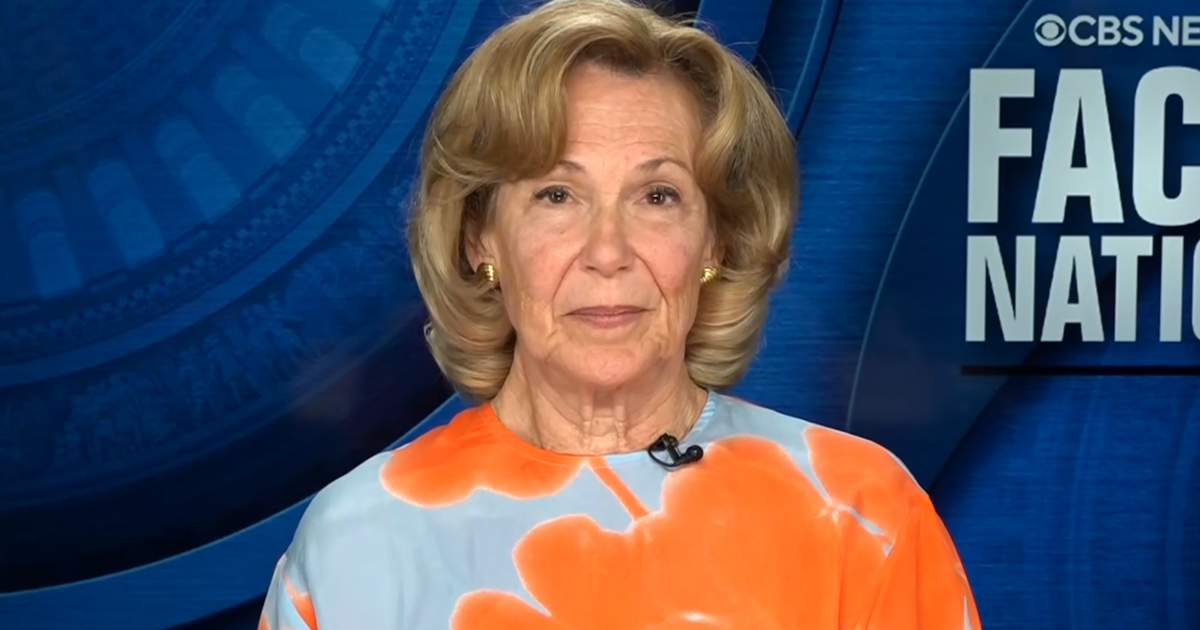
The following is the transcript of the interview with Dr. Deborah Birx that aired on "Face the Nation with Margaret Brennan" on May 24, 2026.NANCY CORDES: We turn now to the escalating Ebola outbreak in the Democratic Republic of the Congo. Joining us to discuss is the former White House coronavirus response coordinator, Dr. Deborah Birx, who also previously helped coordinate the international response to the 2014 Ebola outbreak when she was Global AIDS Coordinator. Dr. Birx, thank you so much for being with us.DR. DEBORAH BIRX: Good to be with you, Nancy.NANCY CORDES : Dr., The White House, the WHO rather, says there are now almost 750 suspected cases in the Congo, around the Congo, and nearly 200 deaths. How does the severity of this situation compare to previous outbreaks?DR. DEBORAH BIRX: Well, the problem with this particular outbreak is there was probably two, three, or four cycles of infection before it was even reported, and so a lot of the numbers you're seeing, and the rapid rise of the numbers, is because it went undetected and underreported for probably three or four weeks. That resulted in a lot of case reporting all at once, and so I can't really tell you what the slope of new cases are, which is really the important thing when you're following an acute infectious disease, but just to make it very clear to your audience, the people we are seeing today that are cases were probably infected two weeks ago. And so I think that's what makes us all concerned, is we're looking at this at this virus and this outbreak with really old data. NANCY CORDES : I want to get to that delay in reporting the outbreak in a moment, but first we saw this week that a plane from Paris to Detroit had to be diverted to Montreal after a person from the Congo was mistakenly allowed to board. What do Americans need to know about the transition of this disease and the risk here at home? I think people are worried.DR. DEBORAH BIRX: Well when you see this level of outbreak, ever since COVID, I can understand why people are worried. But remember DRC has had 17 or 18 of these outbreaks in the last 20, 30 years, so this is actually fairly commonplace, although this is a large one. I think we learned from COVID how to be much more proactive about preventing the virus getting to the country ever since we had those cases almost a decade ago. What we did is we really strengthened hospitals. Now we have bio container facilities in multiple hospitals, so we're prepared if it ever happens or someone enters the country. But it's important that we are proactive, like they have been. And when you have a travel ban, you have to really enforce it. And what's what they did when they diverted the plane.