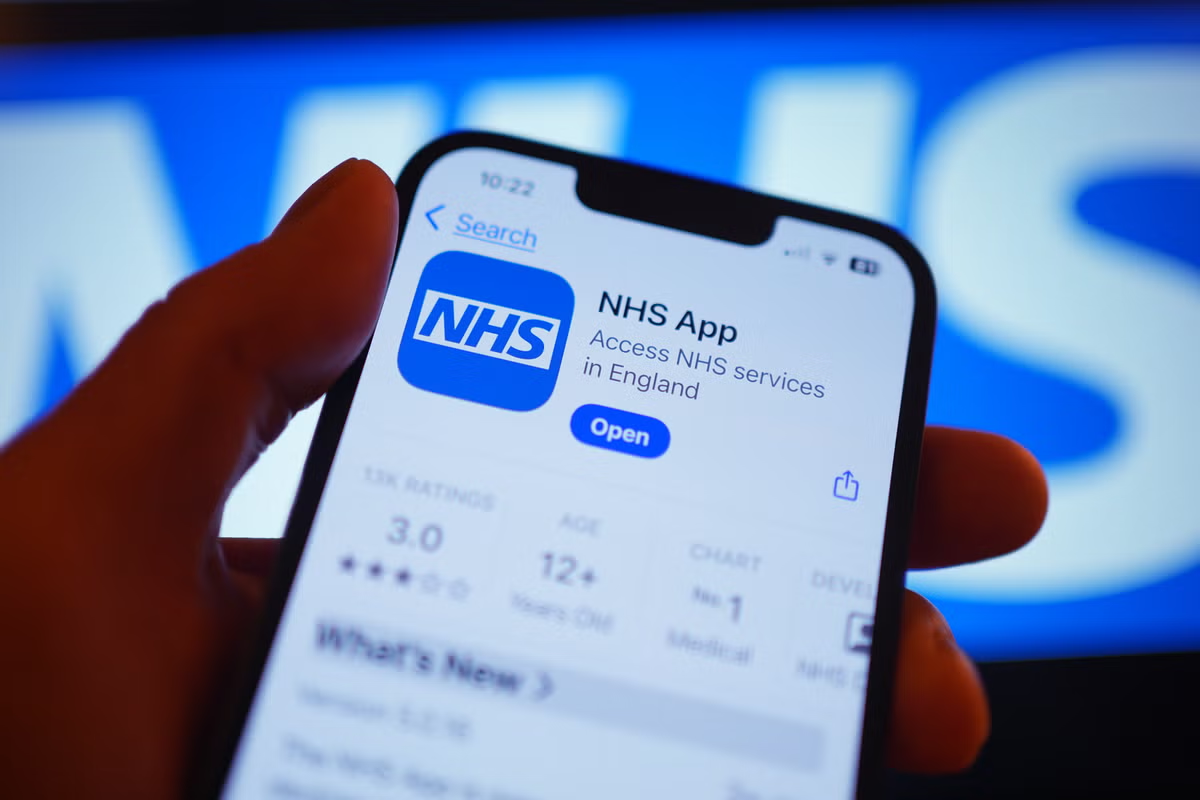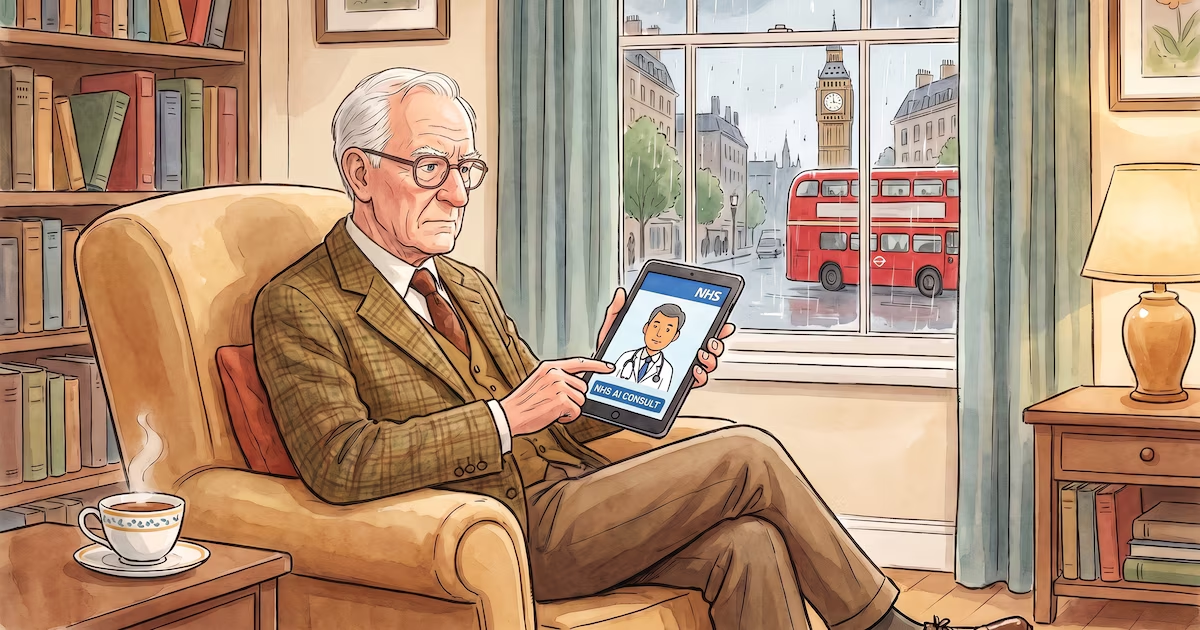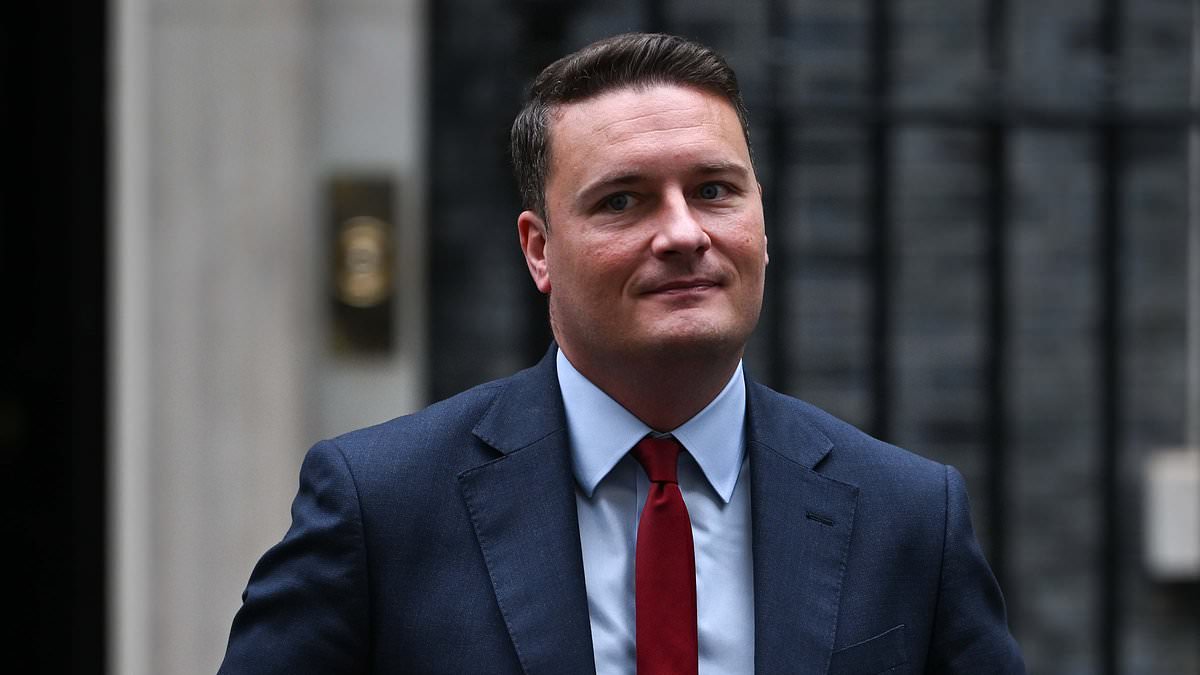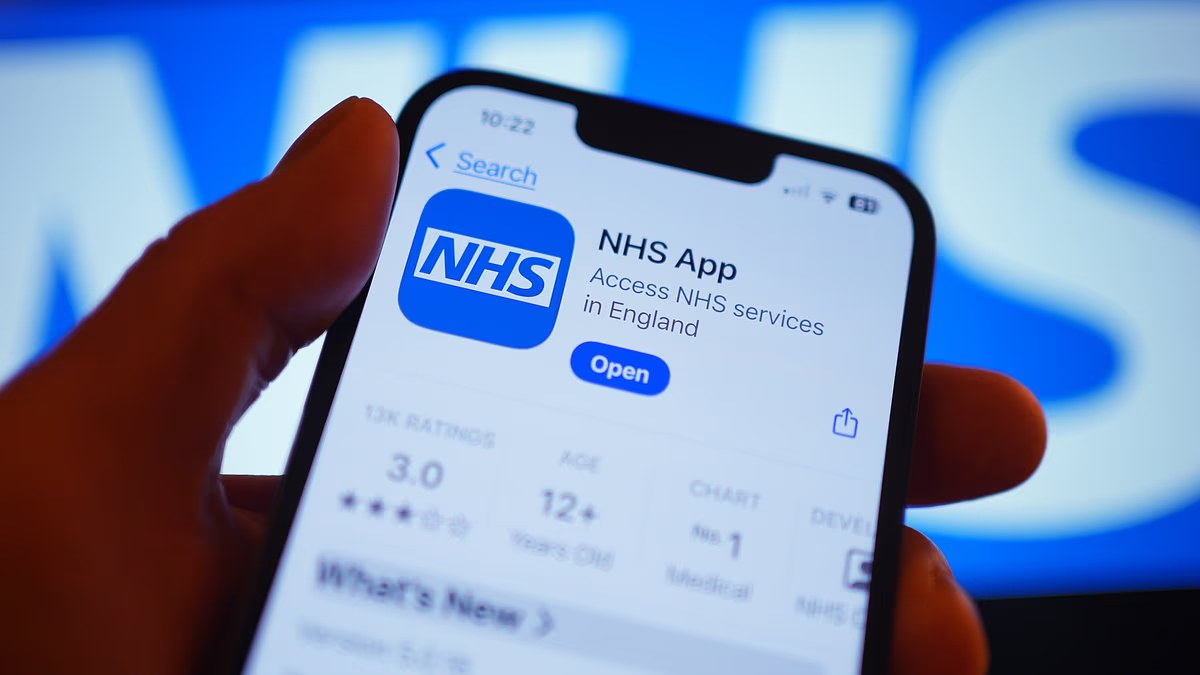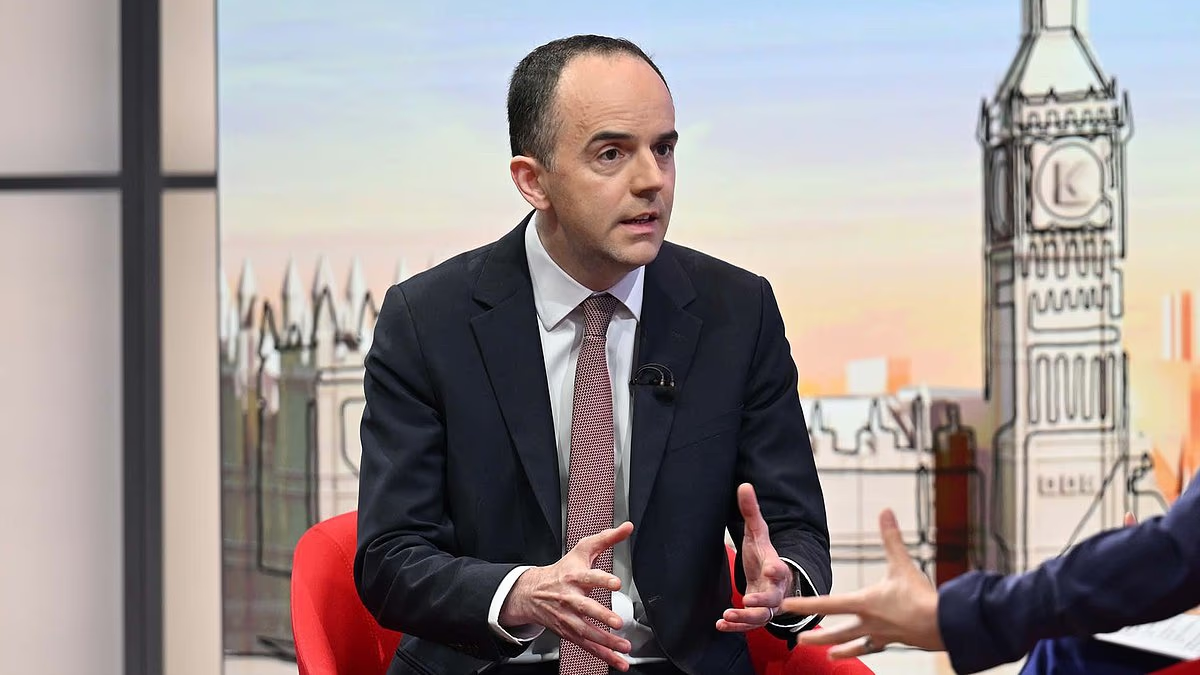
The Health Secretary today dismissed concerns about using Artificial Intelligence to ‘triage’ patients, claiming it could cut early morning GP telephone queues by a third.James Murray said Labour wanted to ‘modernise’ the NHS so that ‘technological improvements’ in AI could be used to tell patients whether they should see a GP, visit a pharmacy, go to A&E or recover at home.Speaking to the BBC, he added: ‘AI triage will operate through the NHS app, which means that rather than having to get on the phone at 8am and wait in a queue, it can give you some advice by a conversation with an AI device.’He insisted it would only be an option via the NHS app and that people could still phone a GP if they wanted to, adding: ‘This has been trialed at a GP practice in Sussex.‘And what they found is that the queues for the 8am phone call dropped by almost a third as a result of this, because the AI app gave some directions to people around, “go towards your pharmacy, have some self-care if that's the right thing for you”, or direct you towards your GP or a clinician at your GP practice.’Pressed on whether it means a digital ‘bot’ would determine whether patients get access to a GP, he said: ‘No, it's you who decides whether you call your doctor. Health Secretary James Murray said Labour wanted to ‘modernise’ the NHS so that ‘technological improvements’ in AI could be used to tell patients whether they should see a GP, visit a pharmacy, go to A&E or recover at home The Tories’ shadow health secretary, Stuart Andrew, said any new technology 'must be introduced with a fully funded plan that delivers value for taxpayers' Dennis Reed, director of Silver Voices, a pressure group for people aged 60 and over, said there were 'multiple concerns' about using AI to triage patients ‘When you have the app, when you have the AI triage, you can still pick up the phone and talk to your doctor. But this is an alternative.’Mr Murray, who was appointed Health Secretary in May after Wes Streeting resigned amid the collapse of Sir Keir Starmer’s premiership, said the NHS was also rolling out AI to do more ‘note taking’ on behalf of doctors and nurses.He claimed it saves individual clinicians as much as 47 minutes a day, potentially freeing up time for 3.4million more consultations a year across the whole NHS.Under the changes, part of a £10bn investment in NHS technology, a new ‘AI triage’ service will be built into the NHS App.Patients seeking a GP appointment will first answer a series of questions before being told where they should seek help.If a GP appointment is recommended, a clinician will decide whether one is needed and how urgently the patient should be seen.In other cases, the AI program will recommend alternatives such as pharmacies, self-care or emergency services.During a trial, every recommendation will be checked by clinicians, who will be able to retrospectively over-ride the chatbot's advice, calling patients back if they believe a GP appointment or more urgent care is needed.However, the long-term aim is to remove that safeguard, if the trial shows AI works safely.But the Tories’ shadow health secretary, Stuart Andrew, said: ‘New technology must be introduced with a fully funded plan that delivers value for taxpayers.‘Labour came into government without a credible plan for the NHS, and their first year saw one million fewer appointments delivered. Modernisation cannot be a sole substitute for reform.’And Dennis Reed, director of Silver Voices, a pressure group for people aged 60 and over, said: ‘There are multiple concerns here.‘Many patients will struggle with this technology, and the greatest risk is to those trying to use it while in pain or confused, potentially describing the wrong symptoms when they need to see a GP.‘On top of all that there is the simple risk that the AI might be wrong, and we are talking here about a matter of life and death.’Dr Ragu Rajan, of Wealden Ridge Medical Partnership in Sussex, which ran the initial pilot of the AI triage tool in the NHS App, said: ‘Integrating AI triage into the NHS App means patients can tell us what they need, when they need it, and be directed to the right care first.’
Health Secretary dismisses concerns over using AI to 'triage' patients
James Murray said Labour wanted to 'modernise' the NHS so that 'technological improvements' in AI could be used to tell patients whether they should see a GP, visit a pharmacy, go to A&E or recover at home.
718 words~3 min read