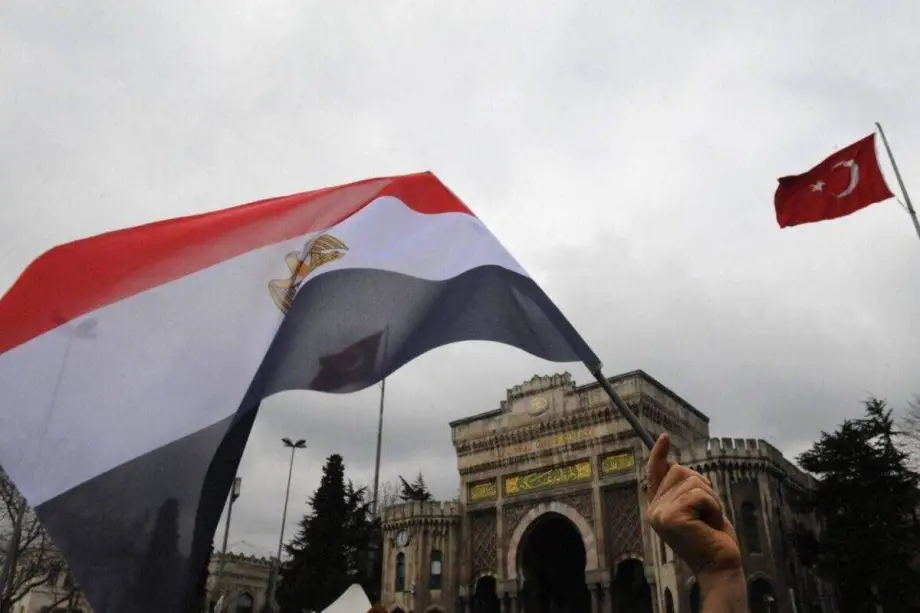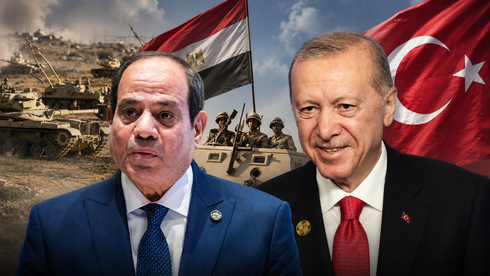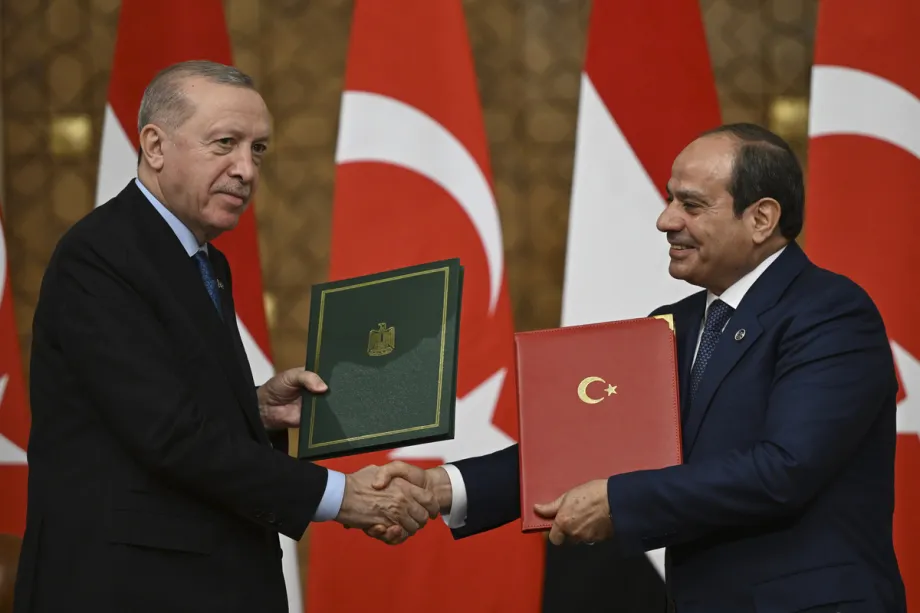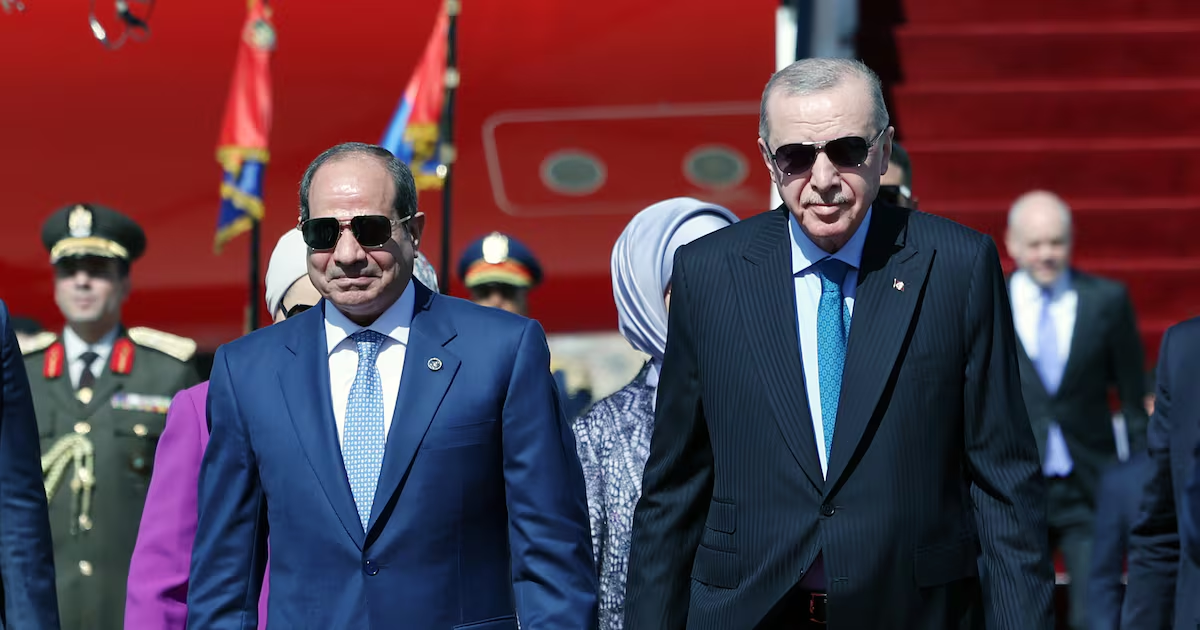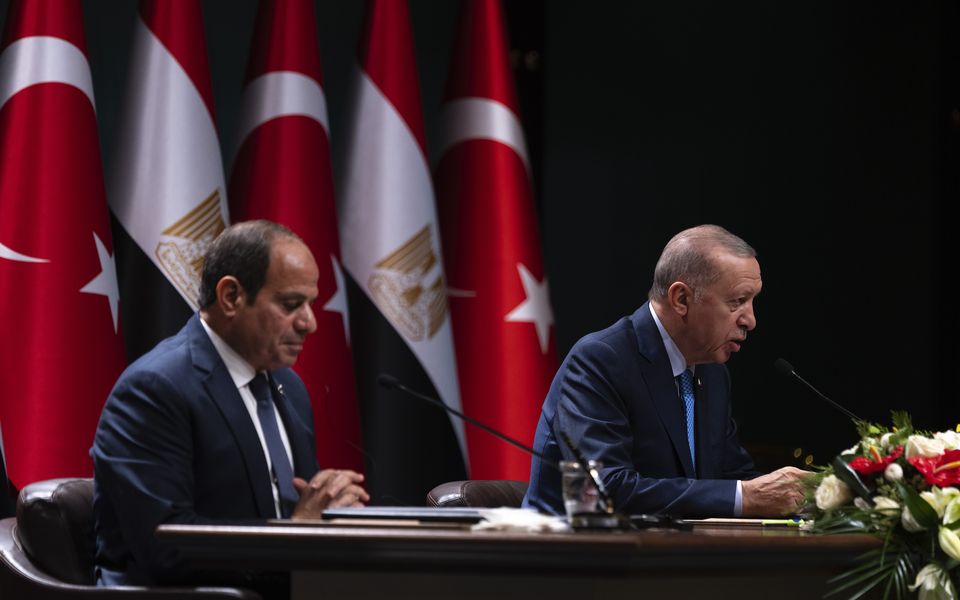
The rapprochement between Egypt and Turkey is becoming increasingly evident. At the same time, there seems to be a mutual cooling of relations between Greece and Egypt, which started with the dispute over the Monastery of St Catherine at Sinai and continued by neglect on both sides to keep each other informed on actions concerning maritime zones.
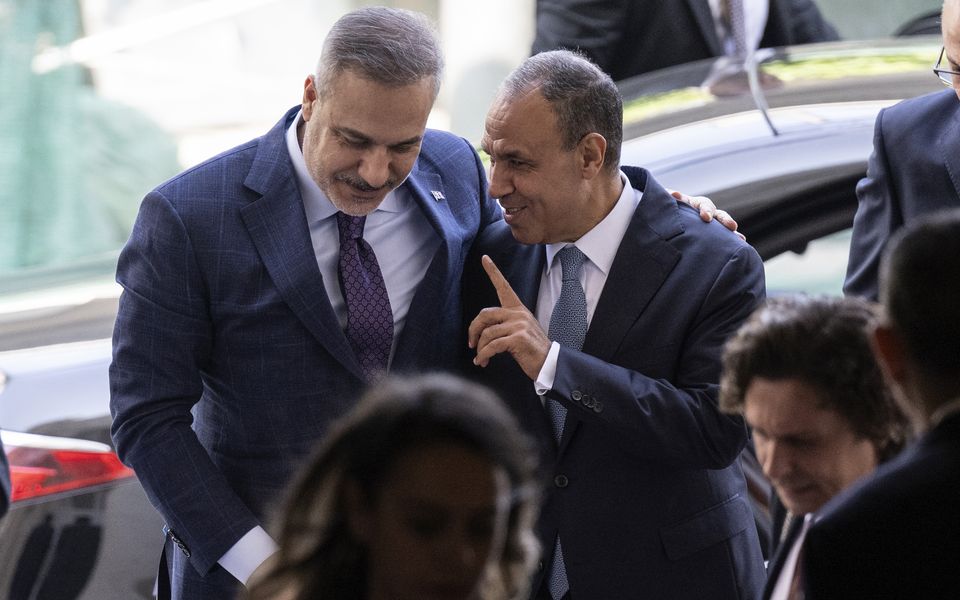
To be sure, communication between the foreign ministers remains frequent and Greece recently facilitated the release of European funds to support Egypt’s struggling economy. Nevertheless, the highly positive momentum of previous years seems to have waned. And for now, at least, Cairo appears to be shifting closer to Ankara, for four key reasons:
First, the government of Abdel Fattah el-Sisi is under tremendous pressure from the demographic explosion (with Egypt’s population reaching approximately 115 million) as much as from the influx of refugees and migrants. It has also seen a significant slump in revenues from the Suez Canal and from tourism, so it’s on the hunt for capital and investments.
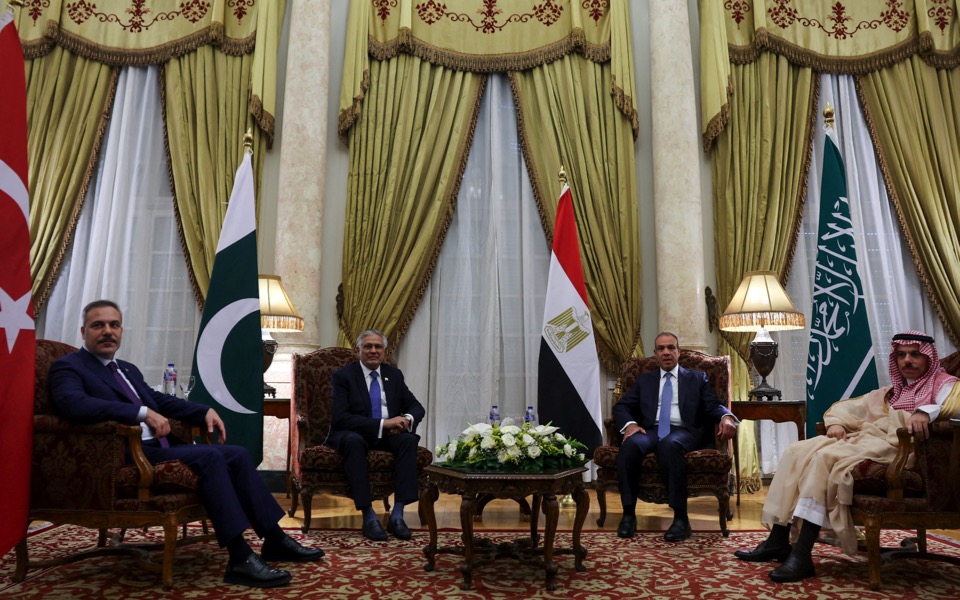
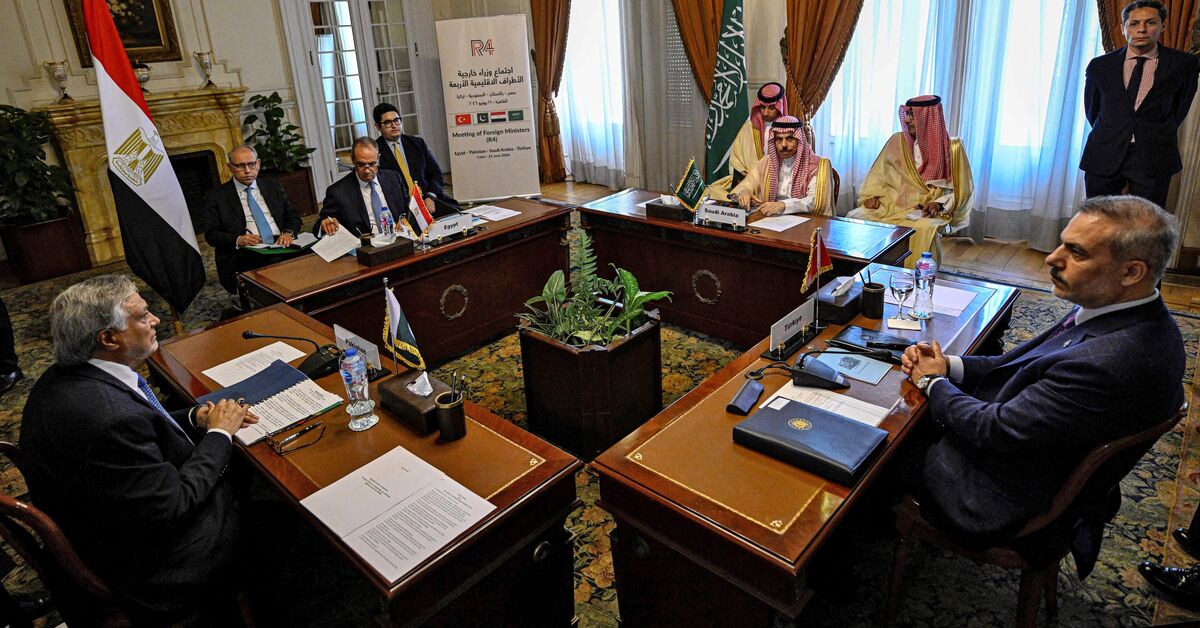
This combination of factors has made Egypt more susceptible to invitations to join regional partnerships and alliances. And Turkey is willing to make investments, especially in the field of industry. Saudi Arabia, for its part, is systematically injecting funds into the Egyptian economy and expects Cairo to tow its strategic line, which is to create an understanding between the world’s two biggest Arab states on one side, and Pakistan and Turkey on the other. Within this scheme, Pakistan’s added value lies in its nuclear capabilities, Turkey’s in its armed forces and its position in NATO, and Egypt’s in its massive army, its proximity to Gaza and its footprint in the Arab world.