https://arab.news/yjzpn
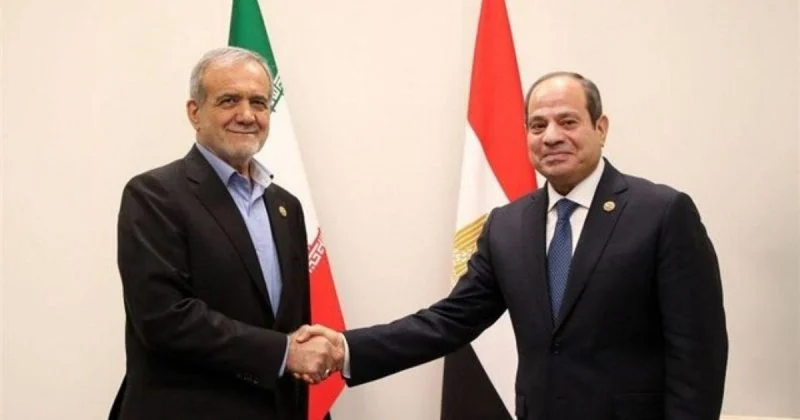
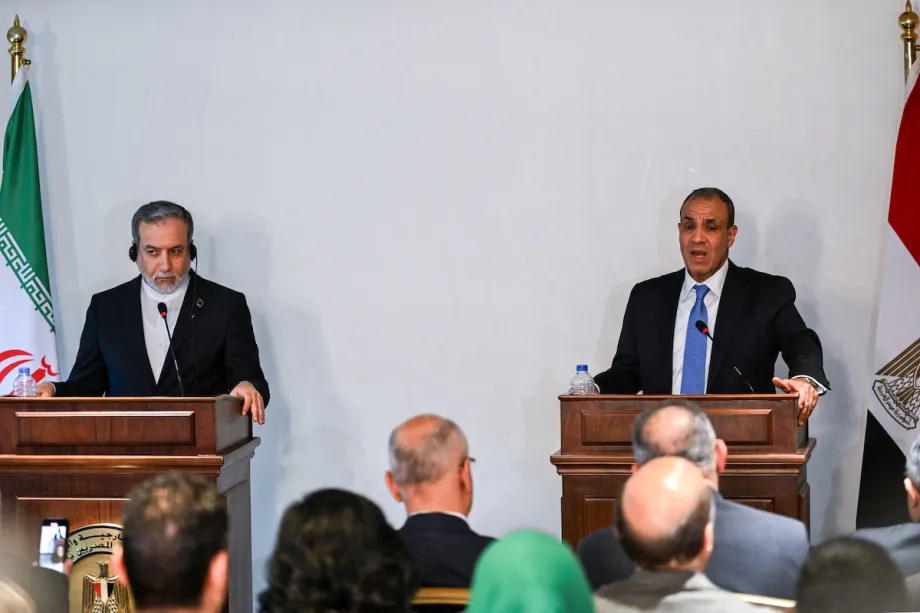
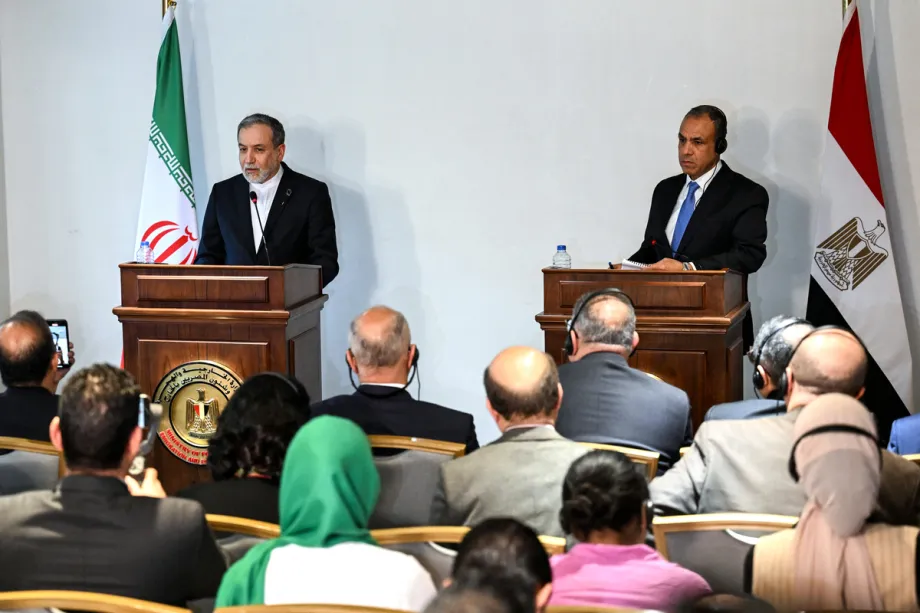
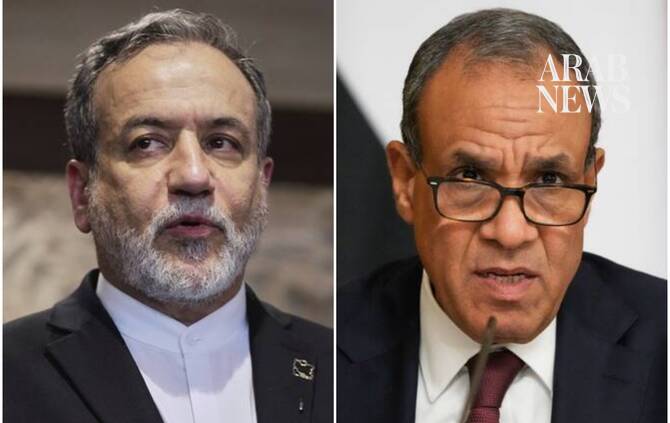
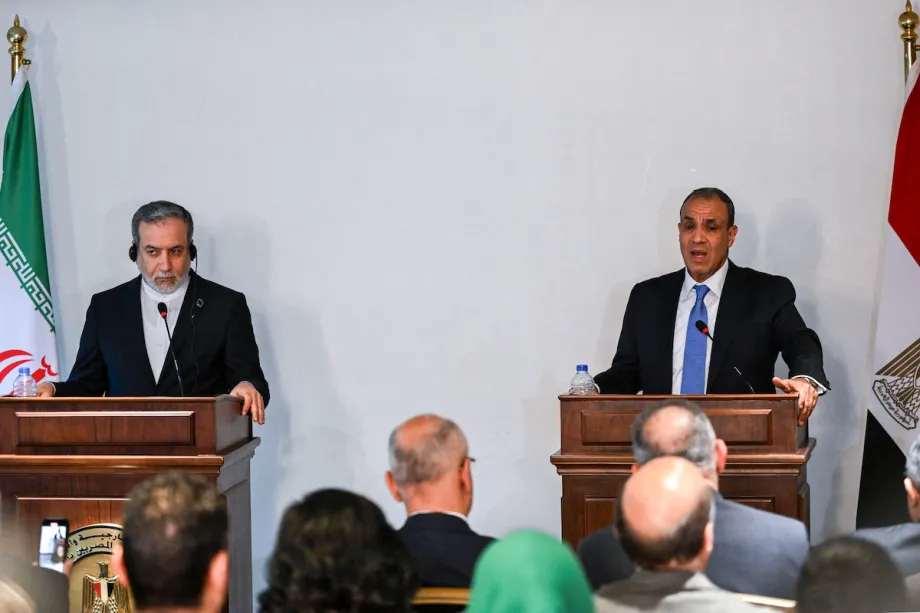
Egypt-Iran relations are undergoing a notable transformation after decades of tension and estrangement. Regional and international pressures are pushing both countries to reassess their political and strategic priorities. The repeated visits of Iranian Foreign Minister Abbas Araghchi to Cairo — most recently early this week — signal the emergence of a new phase in the relationship, moving beyond the long-standing diplomatic freeze and toward a potential reshaping of influence dynamics in the region.
Since diplomatic ties were severed in 1979 following Egypt’s peace treaty with Israel, Cairo and Tehran have found themselves on opposing sides of most regional issues. But in recent years, major shifts have occurred. The Chinese-brokered agreement between Iran and Saudi Arabia, the normalization of Iranian ties with the UAE and Turkiye’s increased openness to Tehran have softened the region’s traditional resistance to engaging Iran. As a result, one of the key constraints on Egypt’s Iran policy has largely dissipated.
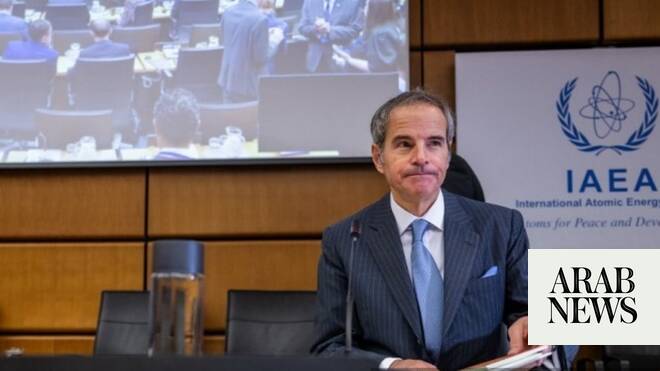
Egypt faces overlapping domestic and external challenges: a deepening economic crisis, growing security threats in the Red Sea and a diminishing regional role in key conflicts like Yemen, Syria and Palestine. Iran, meanwhile, is under intense Western pressure over its nuclear program, while its influence in Syria and Lebanon is slowly eroding. It is actively seeking new pathways to reposition itself in the regional order. These converging dynamics have made rapprochement not only possible, but necessary — a strategic adjustment more than an ideological shift.