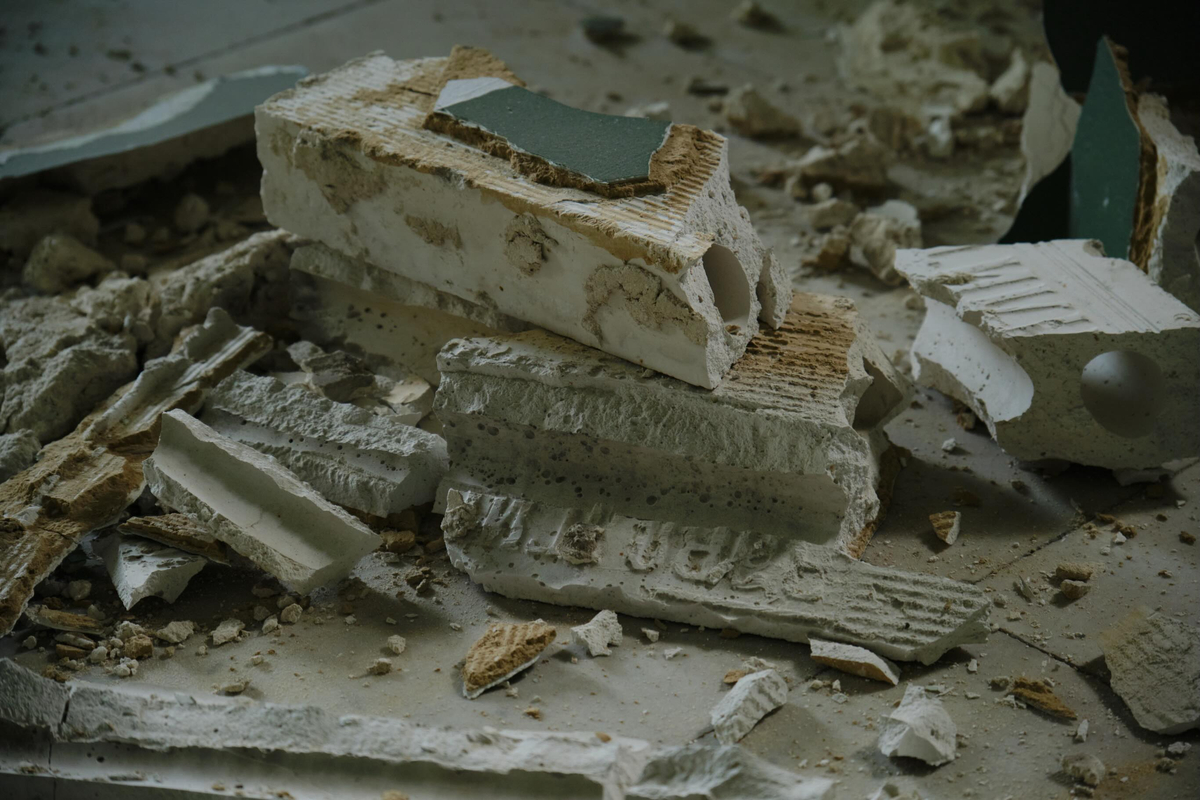
Russia’s destruction of culture and historical sites is now well documented. From the historicthousand-year-old Lavra to the bombing of publishing houses and churches, the attacksagainst Ukraine’s heritage are numbing. What is less covered by the international media is the extensive damage to scientificinfrastructure. Science may not attract as much attention as culture because its facilities arerarely the repository of centuries of art and history. Yet it is through its scientific institutionsthat a nation maintains its contribution to wider scientific advances from fundamentalknowledge to useful applications in physics, medicine and other fields that improve thequality of life that we all enjoy.JOIN US ON TELEGRAMFollow our coverage of the war on the @Kyivpost_official. Attacking scientific institutions is as much an assault on human dignity and the light ofcivilization as the assault on cultural sites. The O.V. Palladin Institute of Biochemistry belongs to the National Academy of Sciences ofUkraine. It is one of the oldest research institutes founded in 1925 in Kharkiv byAcademician Oleksandr Palladin. It moved to Kyiv in 1931. Palladin, like another one ofUkraine’s scientific stars, Volodymyr Vernadsky, was both a scientist and a pioneer ininstitutional arrangements. Palladin carried out foundational studies on muscles and the nervous system, a legacywhich continues to motivate much of what his eponymous institute studies today. Heuncovered new knowledge about vitamins. Following the Second World War, he became thepresident of what was then the Academy of Sciences of the Ukrainian SSR and he helpedrebuild Ukrainian scientific institutions after the war.
Ukraine’s Scientists Endure: Russia’s Attacks Cannot Extinguish a Century of Discovery
The latest Russian attack damaged the historic Palladin Institute of Biochemistry, but Ukrainian science will remain strong
1,042 words~5 min read