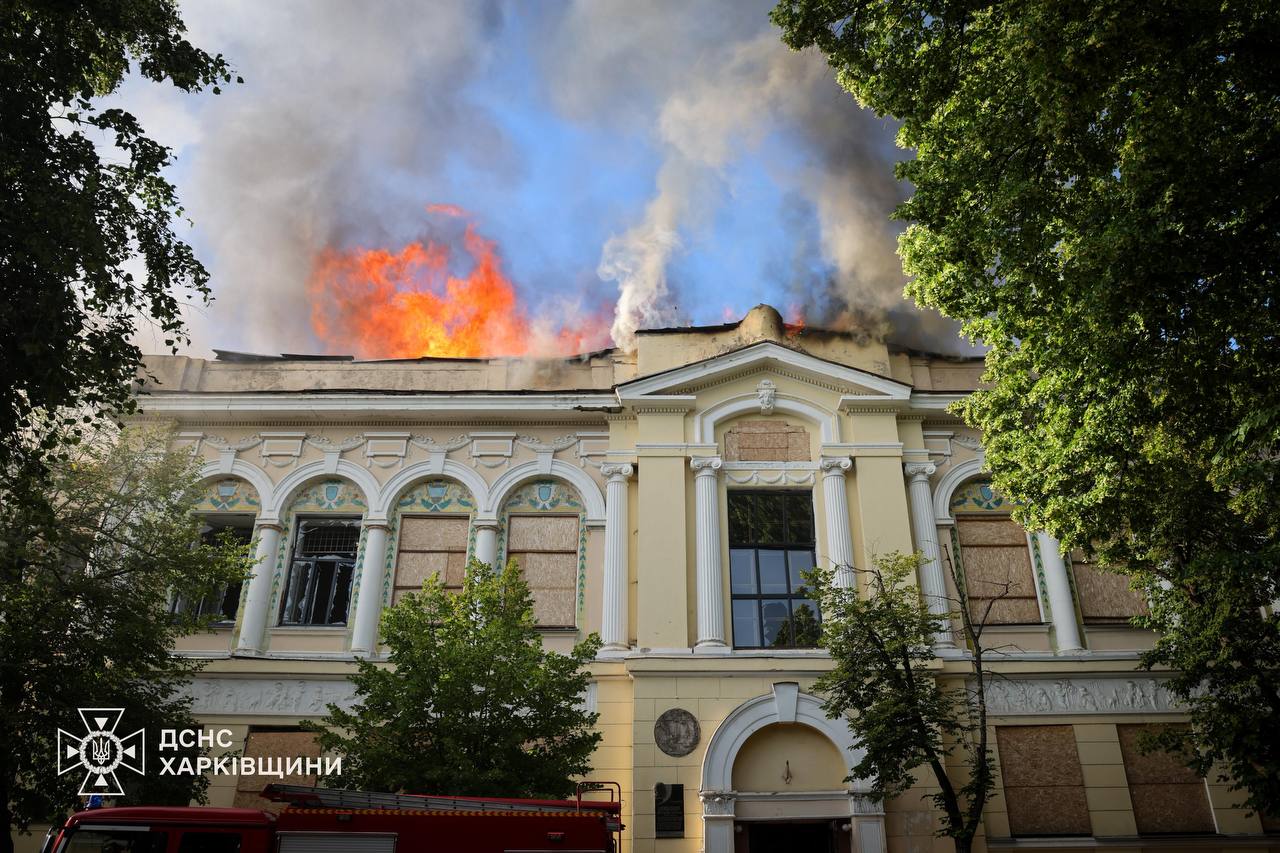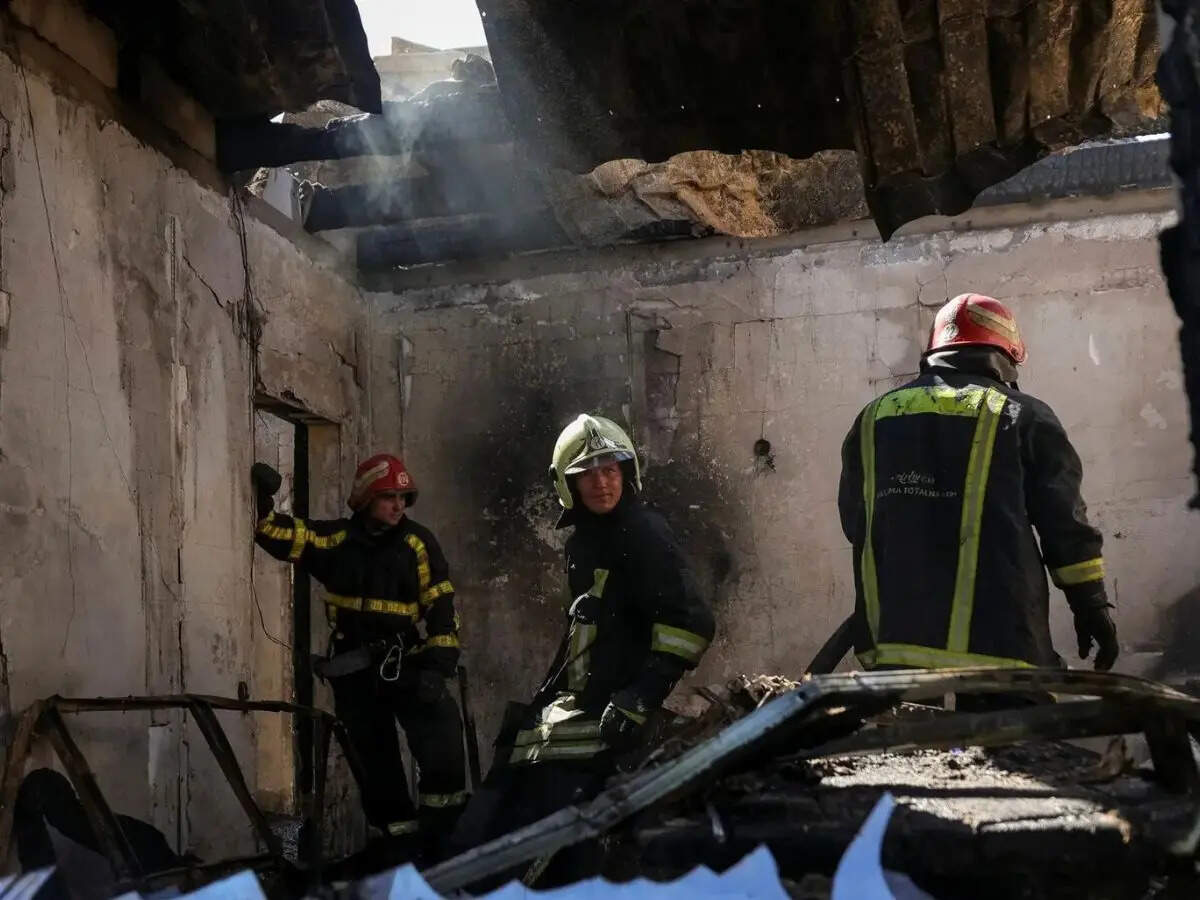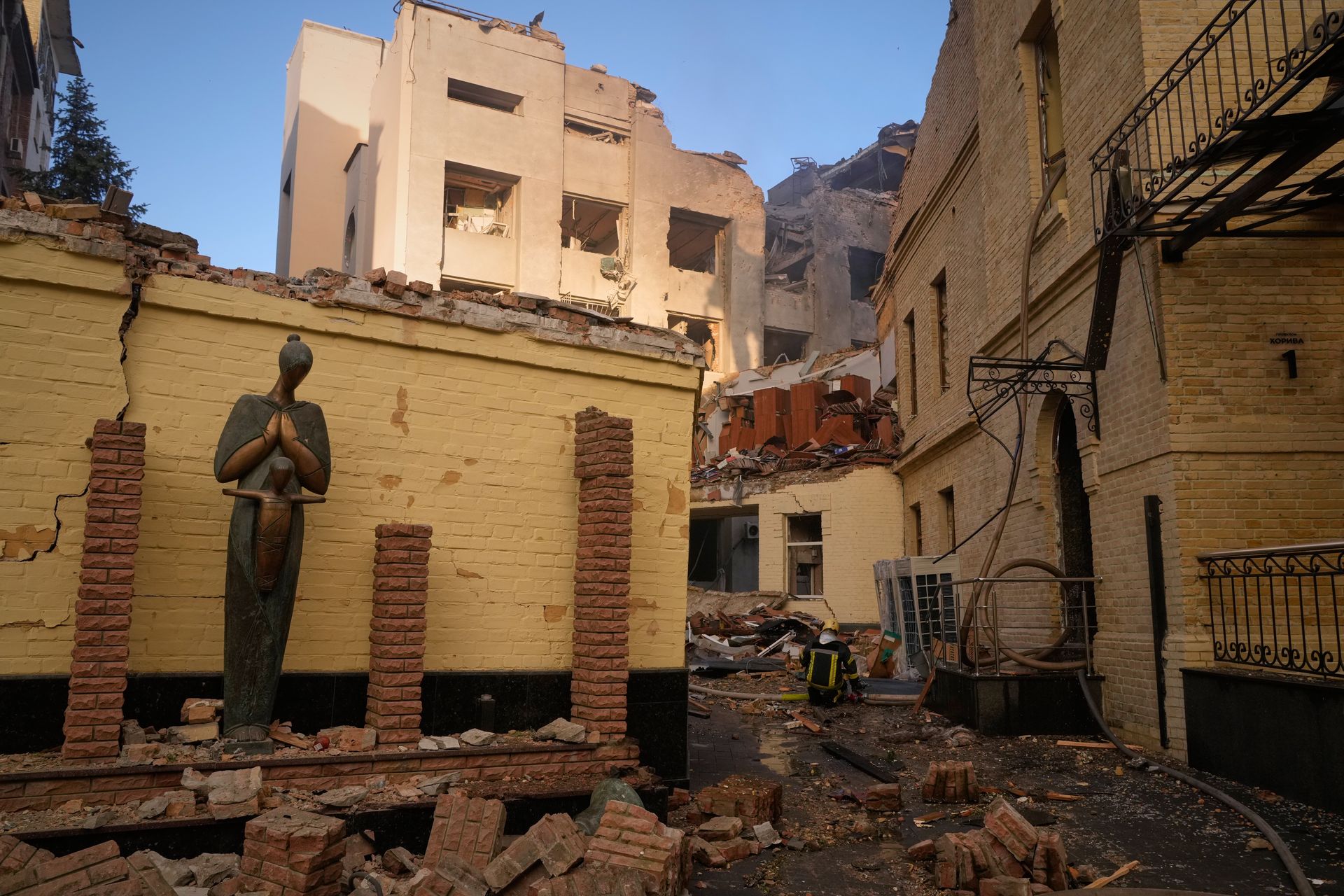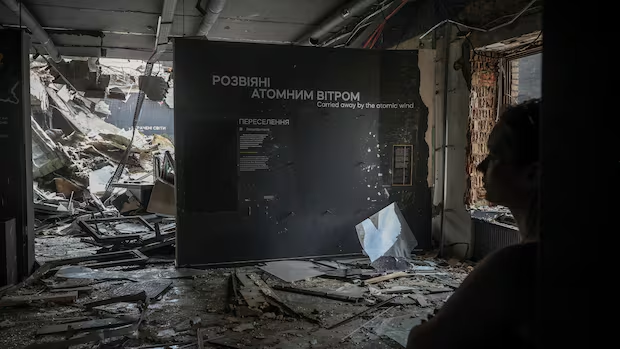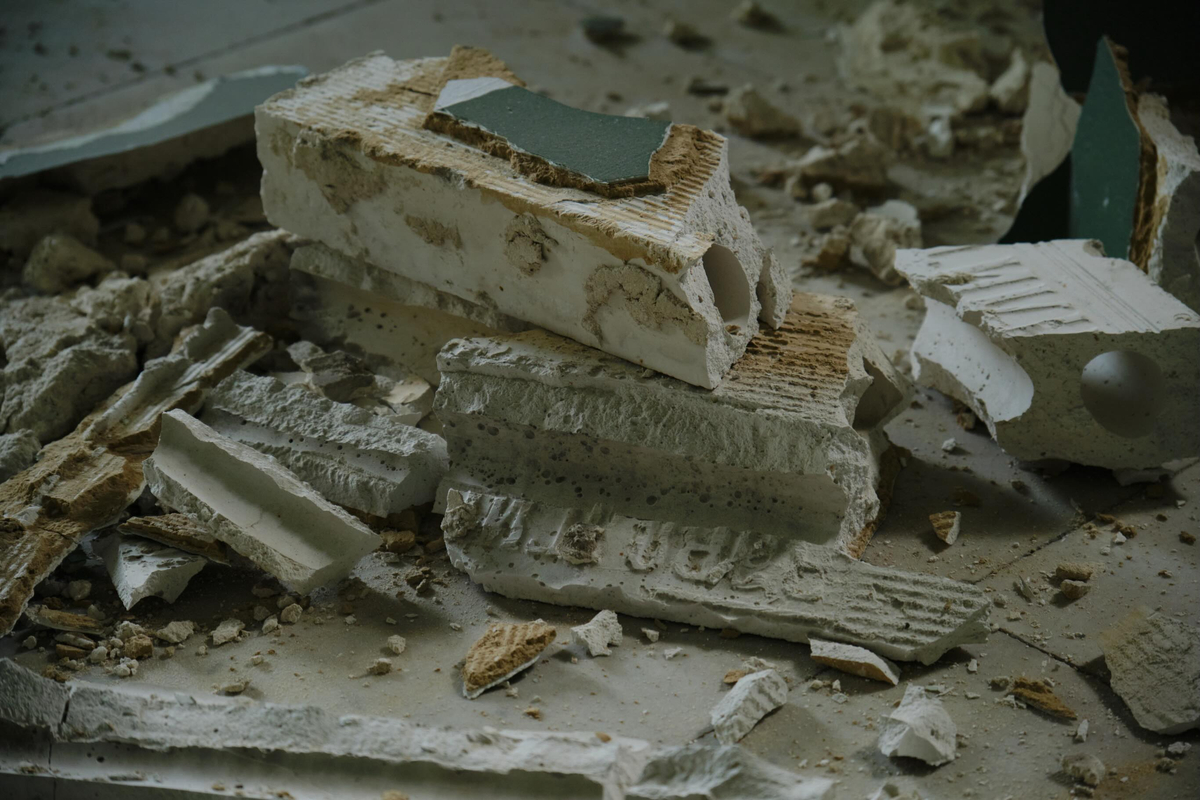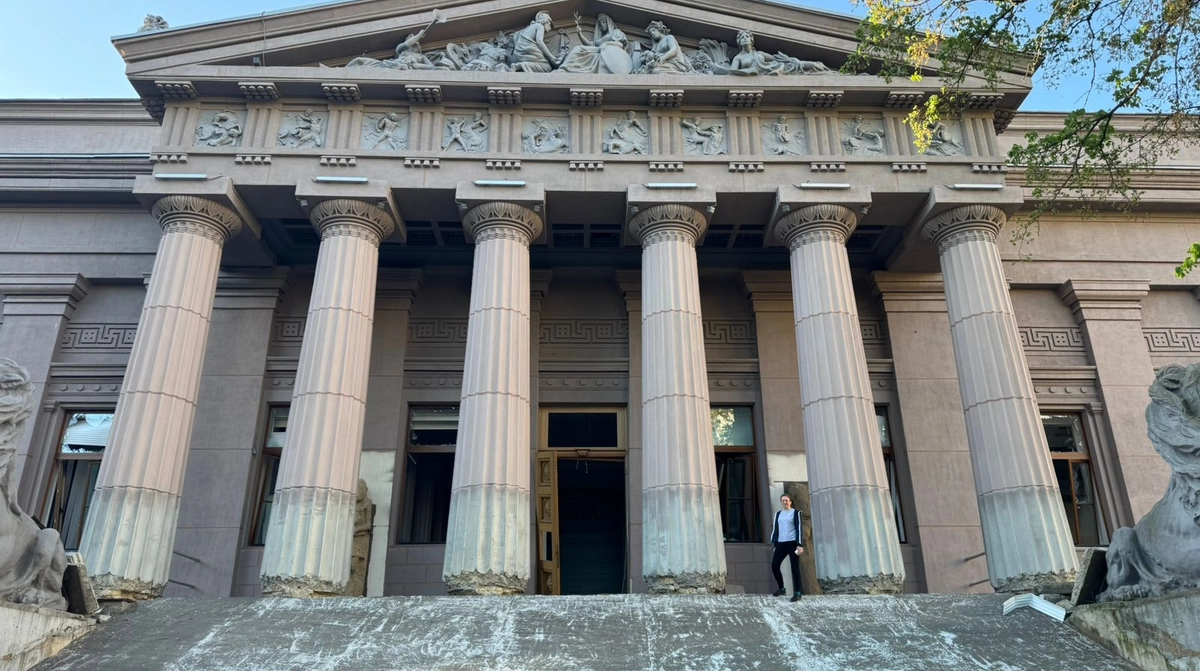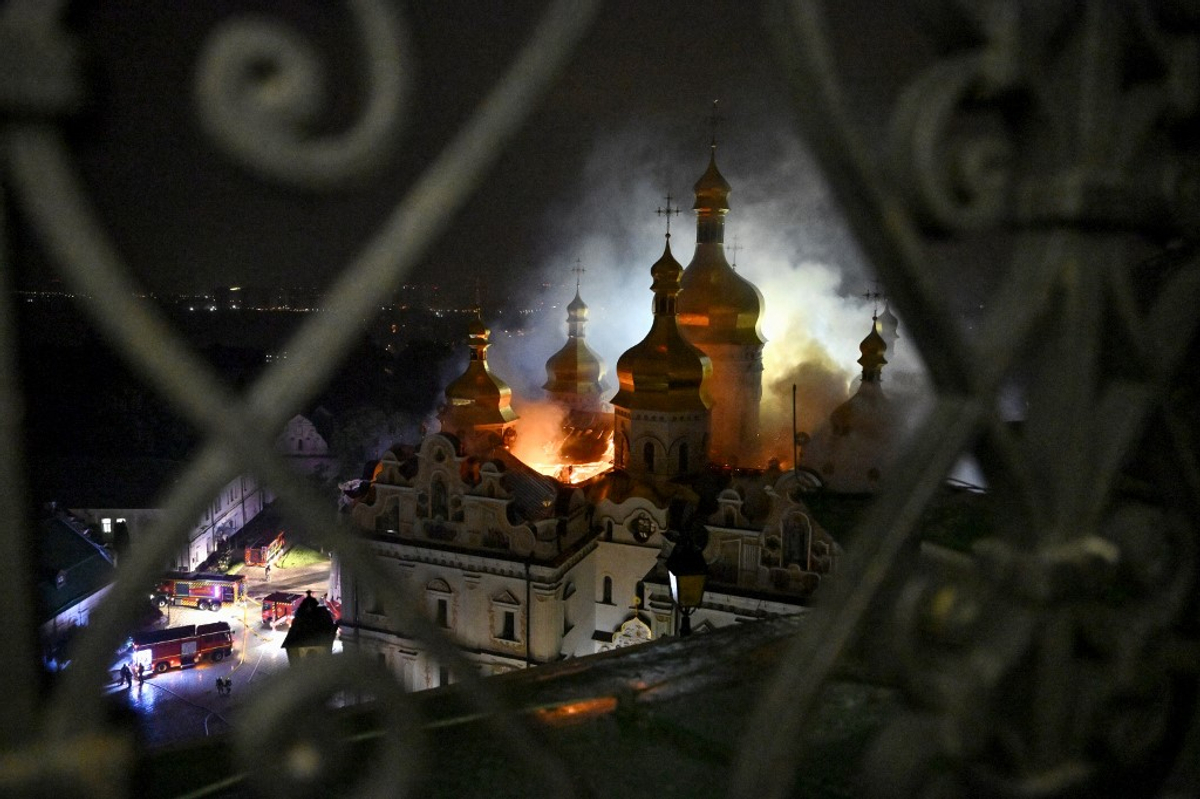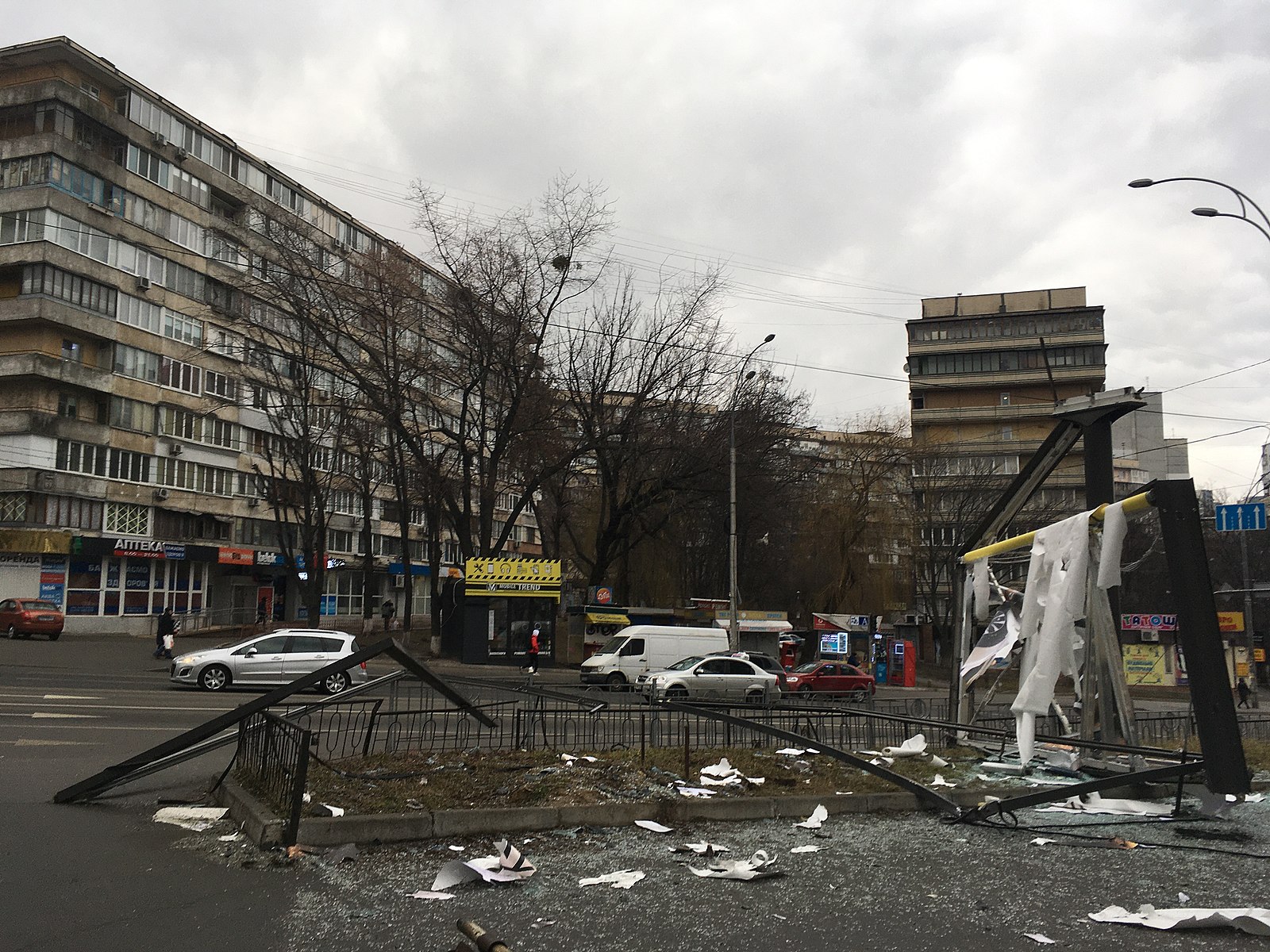
On the night of May 23-24, a Russian aerial attack involving 600 drones and 90 missiles bombarded Kyiv, Ukraine. Cultural institutions and architectural landmarks were damaged, some severely, including the Hinaus gallery, the Zhytnii Market, the Taras Shevchenko Institute of Literature, the National Art Museum of Ukraine, the National Chornobyl Museum, the Ukrainian House, and the Kyiv Small Opera.Cultural artifacts and institutions are civilian objects under international humanitarian law (IHL) unless they are being used for military purposes and are thus supposed to be immune from attack. However, cultural property receives added protection under the 1954 Hague Convention and its additional protocols (see Articles 1, 5, 7, and especially 9 of the 1954 Hague Convention, supplemented by Article 53 of Additional Protocol I and Article 16 of Additional Protocol II). The preamble to the Hague Convention notes that damage to cultural property constitutes “damage to the cultural heritage of all mankind.” The Russian Federation is a party to these agreements, so unless documentation shows that such facilities were serving military purposes, attacks on them constitute violations of IHL.But the attack on the National Chornobyl Museum is more than just a legal violation. By destroying or irreparably damaging a large number of the museum’s exhibits and leaving the building itself in ruins, the strike also produced information effects—demonstrating a Russian mode of warfare in which physical destruction can yield long-term cognitive, symbolic, and narrative effects.The National Chornobyl Museum is not simply a repository of industrial artifacts from a nuclear accident. It is a public institution that preserves objects, testimony, and interpretation and thereby anchors a durable account of the 1986 disaster (the 40th anniversary of which passed in April), one that in Ukraine carries deep political weight because it records not only Soviet technological failure but also secrecy, administrative rigidity, and indifference to civilian protection.This is precisely why the strike deserves to be analyzed in terms broader than conventional battlefield effects or even the destruction of other cultural artifacts. A missile that destroys landmarks such as a museum does not simply remove a structure from the urban landscape. It also damages an institution that helps anchor a society’s understanding of historical responsibility, state legitimacy, and national endurance. An information battle has long been recognized as an element of adversarial conflict and competition, including in times of war. But as a point of departure for understanding Russian actions against the Chornobyl National Museum, it helps to start with the U.S. perspective. Issued in 2012, Joint Publication 3-13 defined information operations as “the integrated employment, during military operations, of IRCs [information-related capabilities] in concert with other lines of operation to influence, disrupt, corrupt, or usurp the decision making of adversaries and potential adversaries while protecting our own.” Later, JP 3-13 was superseded by Joint Publication 3-04, which broadened the focus to operations in the information environment, defined as “military actions involving the integrated employment of multiple information forces to affect drivers of behavior by informing audiences, influencing foreign relevant actors, [and] attacking and exploiting relevant actor information systems.” That broader doctrine is useful because it shifts attention from decision-making alone to will, awareness, and understanding. It also makes clear that operations in the information environment are not confined to wartime in the narrow sense; they can occur at any time. In contrast, Russian strategic thought places more emphasis on continuous information confrontation, reflexive control, and cognitive influence. In that view, information is treated not merely as background noise or a supplementary domain, but as a central arena in which perceptions, expectations, and choices are shaped. The practical implication is that Russian analysts and practitioners often appear to be less interested in persuading an adversary of a single claim than in shaping the adversary’s interpretive environment—what counts as salient, credible, or thinkable. Recent work on Russian cognitive warfare continues this line of analysis, stressing that influence operations aim to alter the conditions under which opponents understand events, assess risk, and make decisions. In that sense, the separation between the physical and the informational is somewhat artificial. Indeed, physical violence has long had communicative functions in war. For example, a British major general noted that “[w]e conduct all operations in order to influence people and events, to bring about change, whether by 155mm artillery shells or hosting visits: these are all influence operations. We sought to make use of every lever we had to influence events.” But kinetic operations also produce physical destruction of assets, and attacks must be directed only against military objectives under IHL, meaning objects that, by their nature, location, purpose, or use, make an effective contribution to military action and whose total or partial destruction, capture, or neutralization, in the circumstances ruling at the time, offers a definite military advantage.In the case of physical attacks on religious sites, libraries, monuments, and archives, their destruction obtains no military advantage. Instead, such acts serve punitive ends—including intimidation, delegitimation, humiliation, and the demonstration of raw power over a community’s defining narratives. In the current media environment, these communicative effects are amplified globally within minutes, rapidly becoming inputs into diplomatic, legal, and political narratives.The Chornobyl Museum strike fits this logic. It is best understood not as proof of a single all-encompassing doctrine of memory erasure, but as an instance in which a kinetic act predictably generated strategically useful information effects. The attack produced a visual and political narrative of vulnerability, transmitted evidence of cultural destruction to international audiences, and struck a site associated with a particularly damaging memory of Soviet failure. Because the pathologies exposed by Chornobyl also resonate with the behavior and logic of today’s Russia, the strike can also be read as an attack on a narrative central to contemporary Ukrainian identity and resistance.In that sense, the strike fits a broader logic of memory warfare, which refers to efforts to shape how a population understands its past by targeting the institutions, symbols, and records that preserve that past for the public. Those methods include propaganda, curricular revision, and archive suppression, as well as attacks on culturally resonant sites.From a Russian perspective, targeting a museum that links Soviet governance to catastrophe, secrecy, and human suffering can be useful even if it does not fully erase the underlying memory, because it imposes a concrete loss on an institution of remembrance and signals contempt for the historical frame it sustains. The attack on the museum is best understood as a particularly violent form of denial, much as neo-Nazis deny the Holocaust: not by erasing facts themselves so much as by undermining the legitimacy of the memory that keeps it public.
Russia’s Kinetic Destruction of Ukraine’s Cultural Memory
Russia’s strike on Kyiv’s Chornobyl Museum was more than an attack on a civilian or cultural site; it targeted historical memory itself.
1,900 words~9 min read