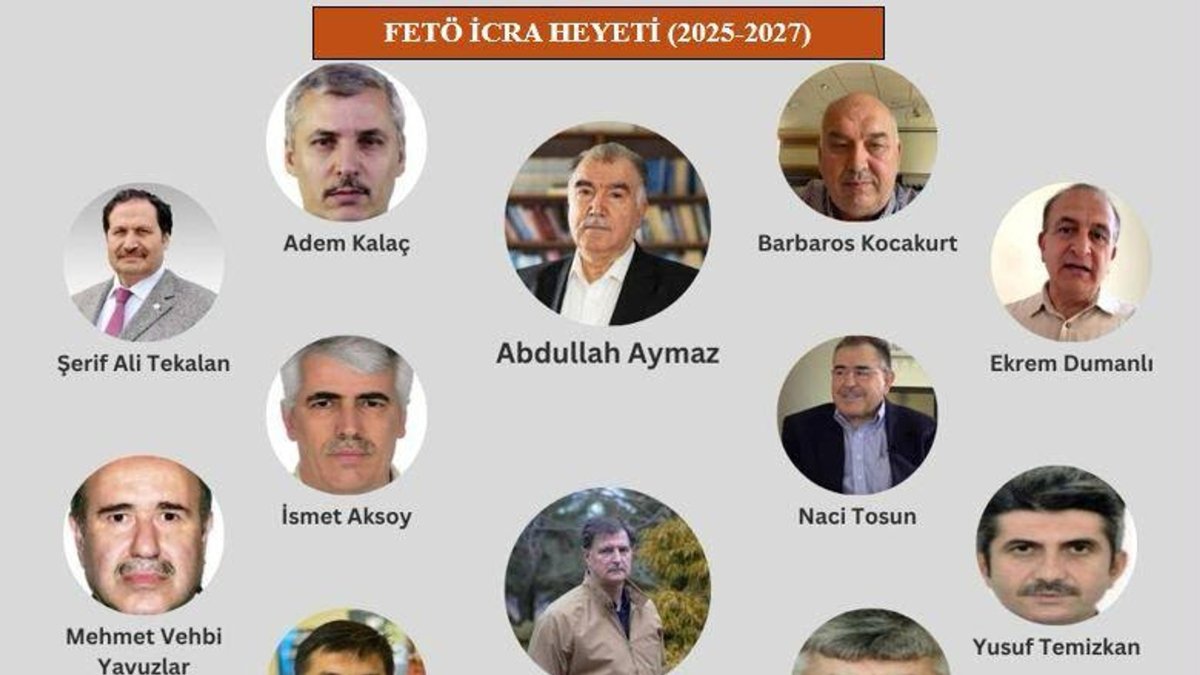
Ankara has repeatedly expressed frustration over the rejection of extradition requests involving members of the Gülenist Terror Group (FETÖ), while renewed efforts by Turkish authorities aim to break this trend.
Türkiye stepped up its fight against the group after its infiltrators orchestrated the foiled coup of July 15, 2016, in the country. Although the West praised Türkiye’s stand for democracy, it failed the test of friendship by refusing requests for the extradition of FETÖ members who fled the country before and after the coup attempt.
Despite concrete evidence and accusations, many countries, including the United States, Germany, Canada and the United Kingdom, turn down requests, listing a number of excuses.
High-ranking members of FETÖ, in particular, are spared by other countries. European countries, for instance, turn to the excuse that they might be given long prison terms if extradited.
Among those Türkiye wanted was Suat Yıldırım, a top member of FETÖ who was believed to be in Germany. Germany initially rejected that Yıldırım was in the country and then German authorities stated that he would not be legally eligible for extradition due to the possibility of Yıldırım’s sentencing to aggravated life imprisonment in Türkiye.