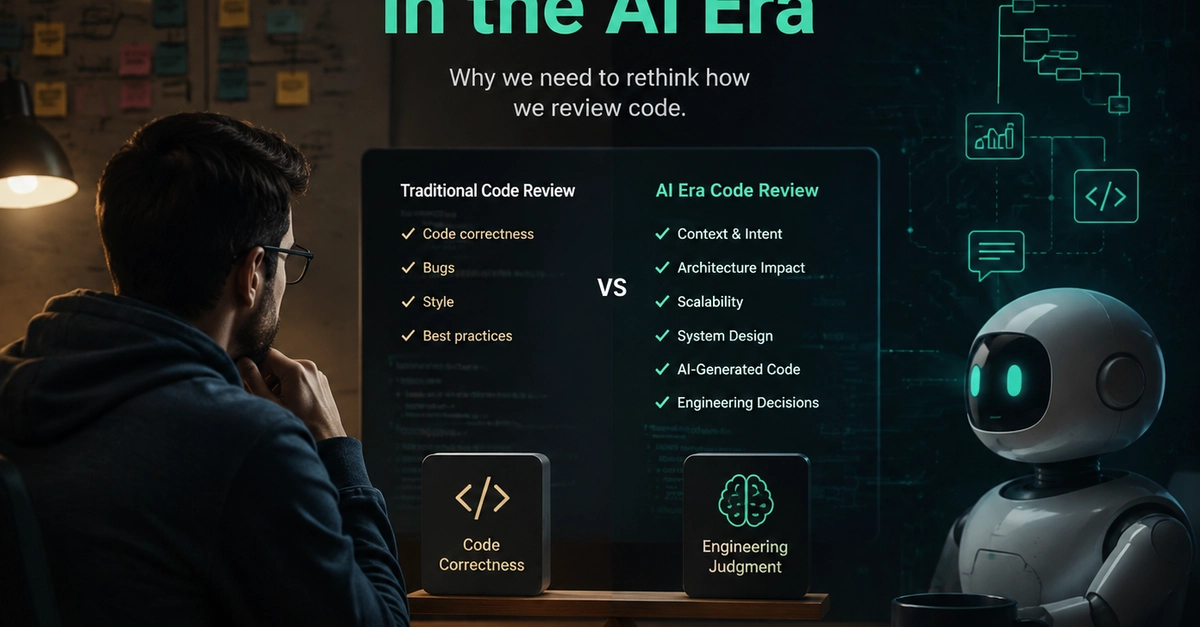
There is a popular argument going around that code review no longer matters. The reasoning is that a model wrote the code, another model can check it, and a human reading the diff is a slow, expensive step you can now skip. I think that gets the problem exactly backwards.
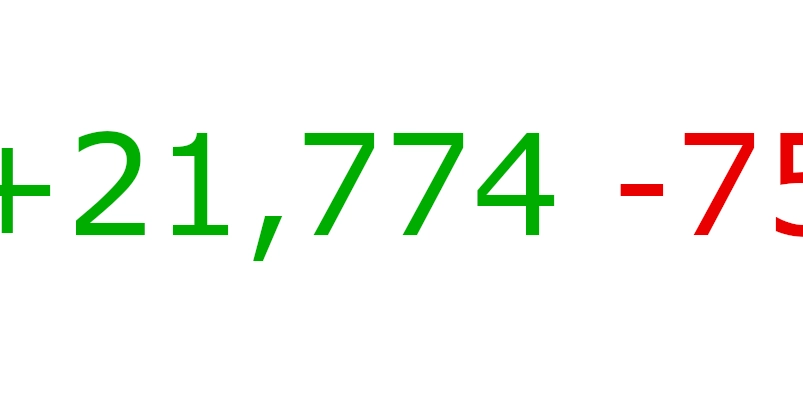
Code review did not stop mattering. It stopped scaling. You can now generate code faster than any human can read it, let alone reason about it. The old model, where an engineer reading the diff is the last line of defense, quietly broke the moment a single afternoon started producing more change than a person can hold in their head. Skipping review does not fix that. It just removes the one check that was already failing and puts nothing in its place.
The answer is to move verification onto things that keep up. I have been building xberg, a document-intelligence engine with a Rust core and a dozen language SDKs in one repo, and this is the setup that lets me ship at generation speed without shipping garbage.
Static analysis and types do the cheap work
The first layer is everything a machine can check without running your program: linting, static analysis, type checks. This is the cheapest verification you will ever buy, and it catches whole classes of errors before a test ever runs. A type error, an unused binding, a dangerous cast, a lint rule you agreed to as a team, none of these need a human to notice.