AI-generated code should be treated as third-party code. Same mental model we already use for libraries and dependencies. We don't review every line of lodash, fastapi, or chi. We shouldn't expect to review every line of AI-generated code either.
I argued this in my previous post. The natural follow-up question: okay, but what does that actually require? You can't tell people "trust it like you trust open-source" without explaining what that trust is built on. This post is a first attempt at answering that.
We Already Have A Trust Framework. We Just Don't Use It For This.
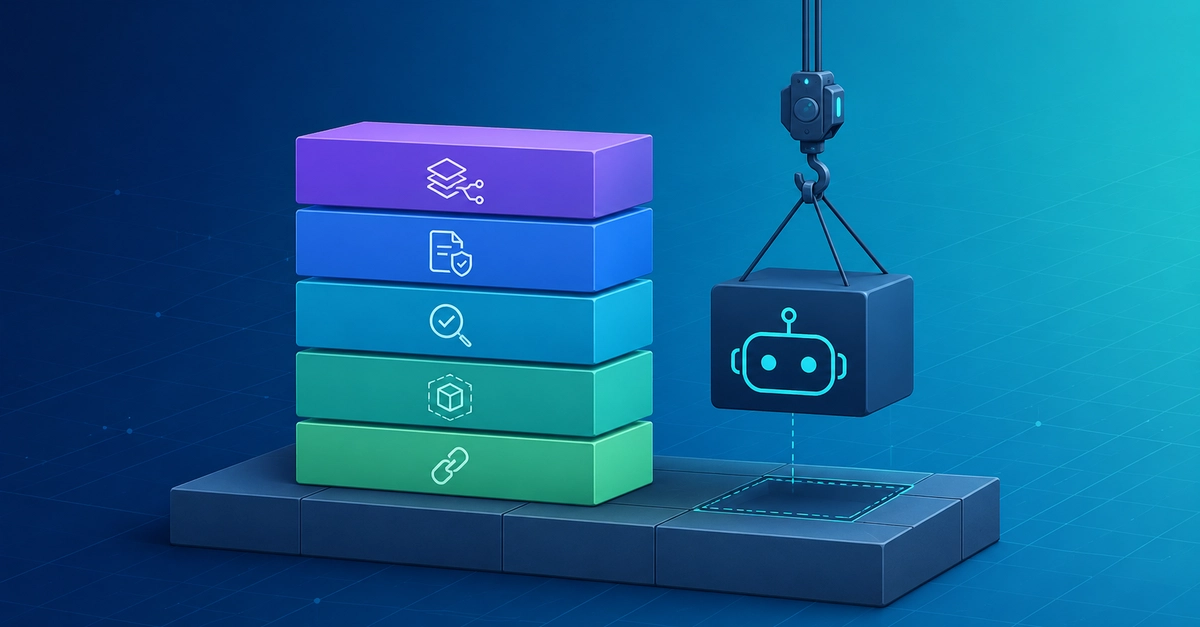
We trust open-source code we've never read. Every day, in every codebase. That trust didn't come from any single tool. It came from a stack of agreements built up over decades. Semantic Versioning. Conventional Commits. Lockfiles. Changelogs. Module boundaries. License declarations. Package signing.
None of these are tools. They're primitives. Foundational contracts about how to describe code, change, and intent in a way that humans, and the tools we build, can rely on.