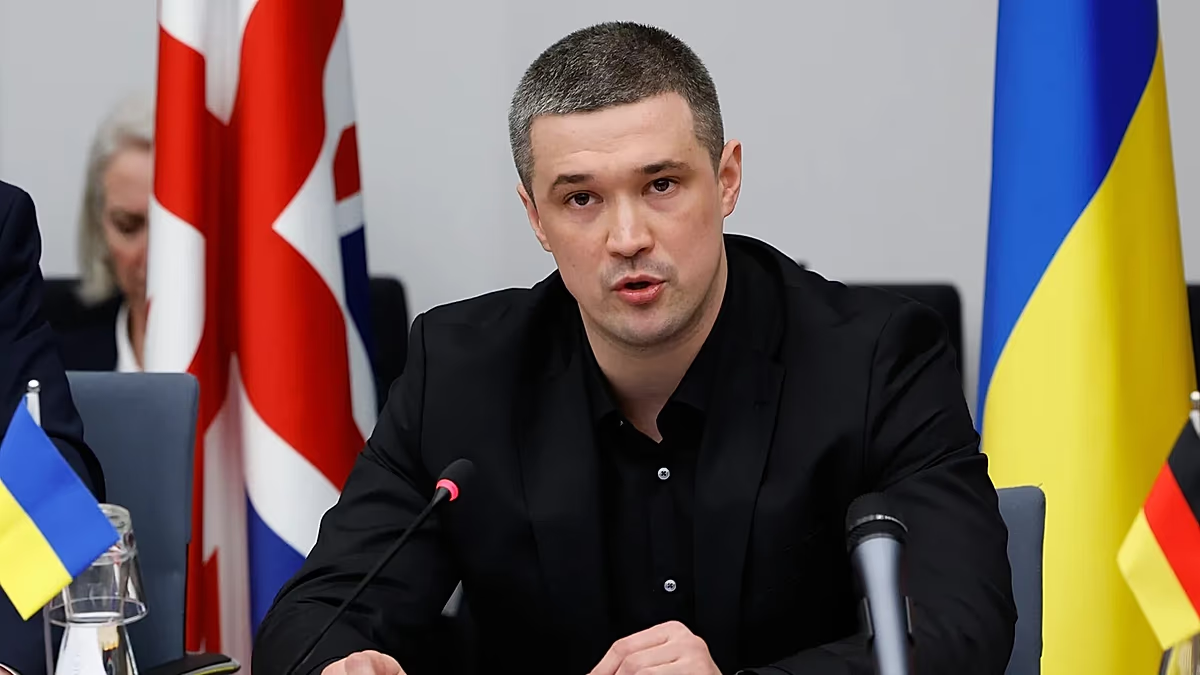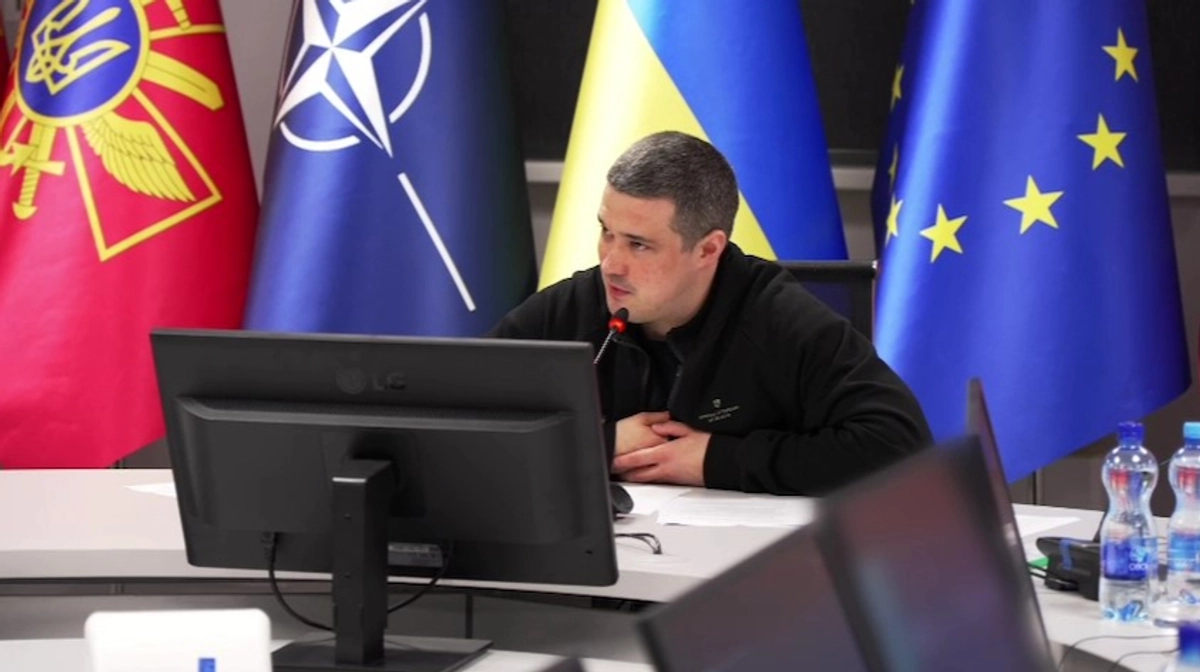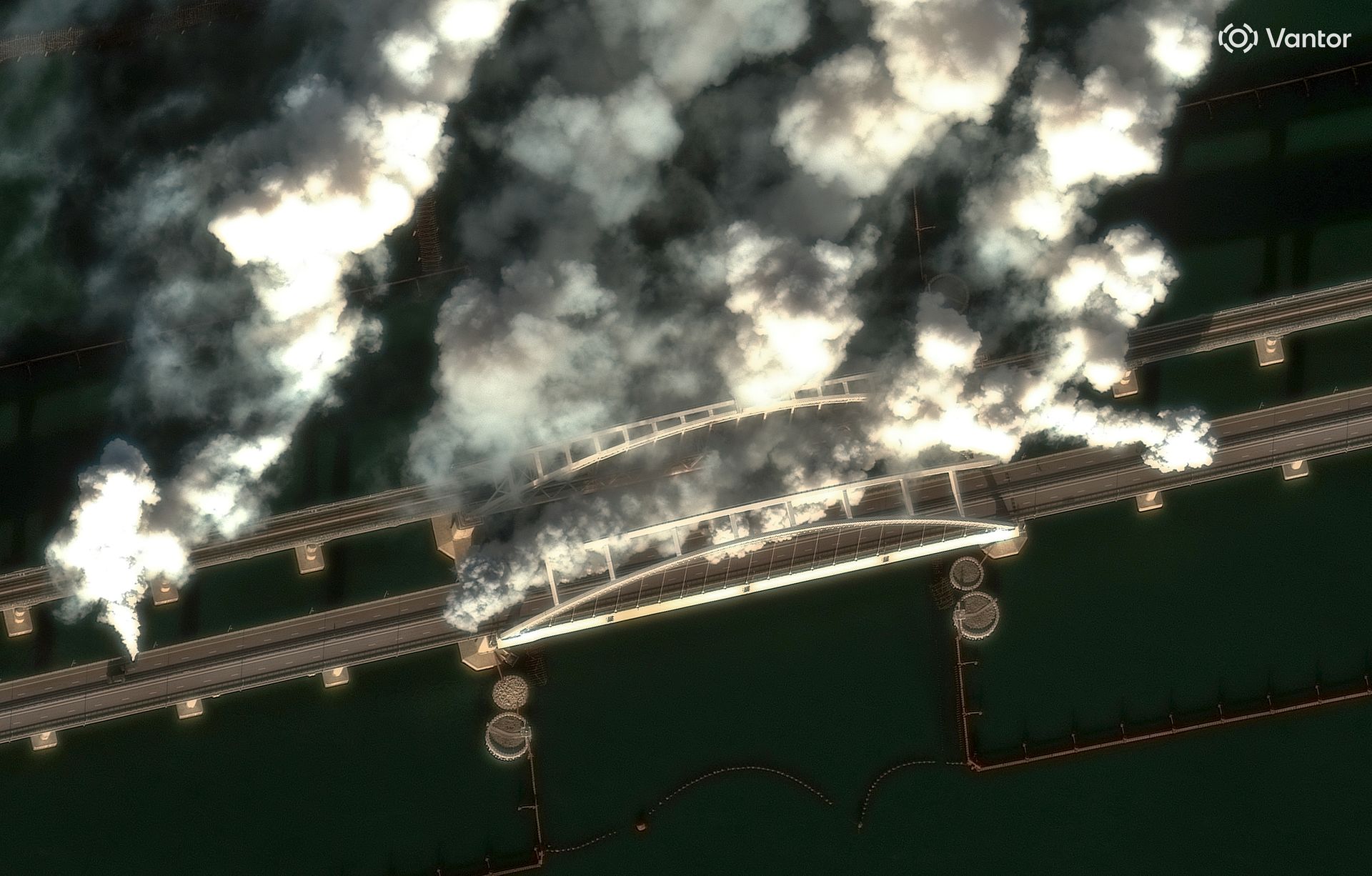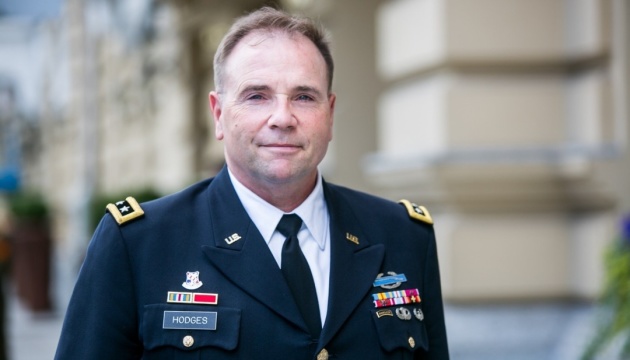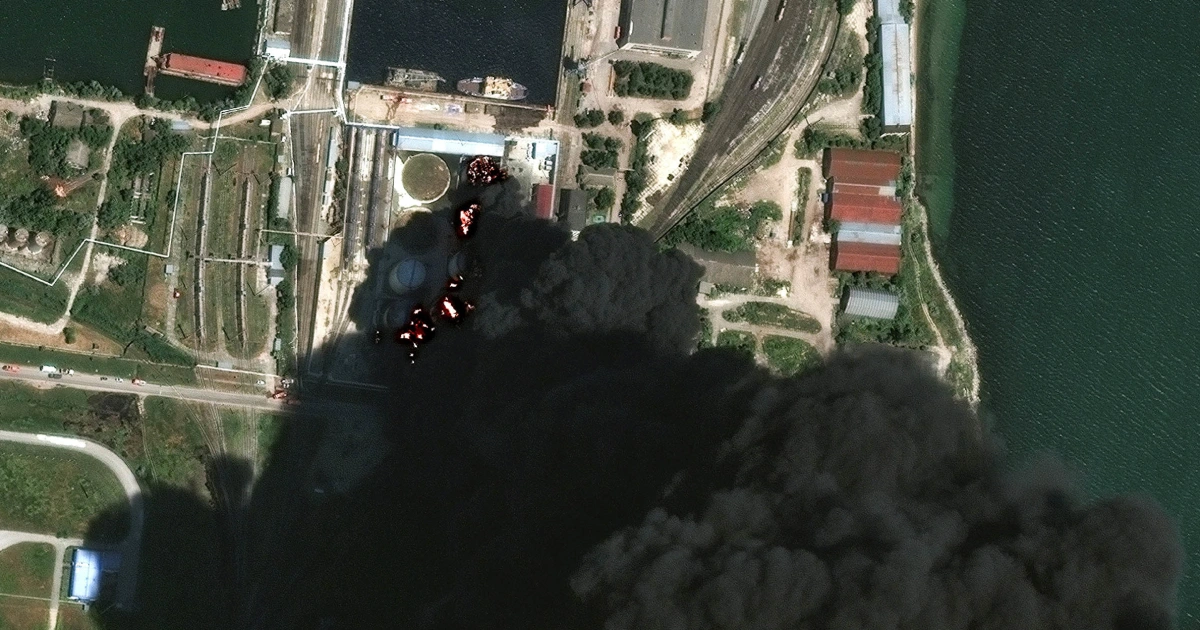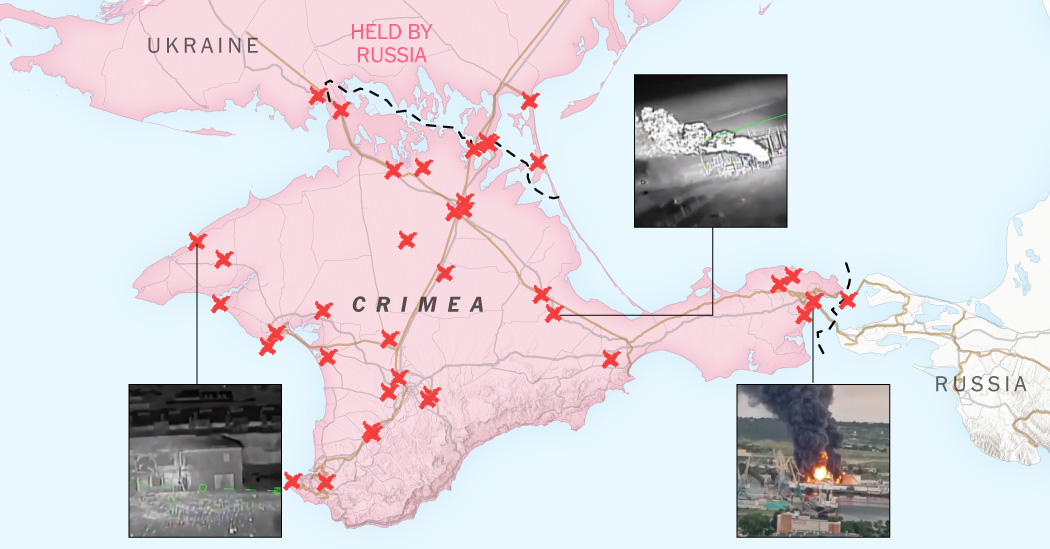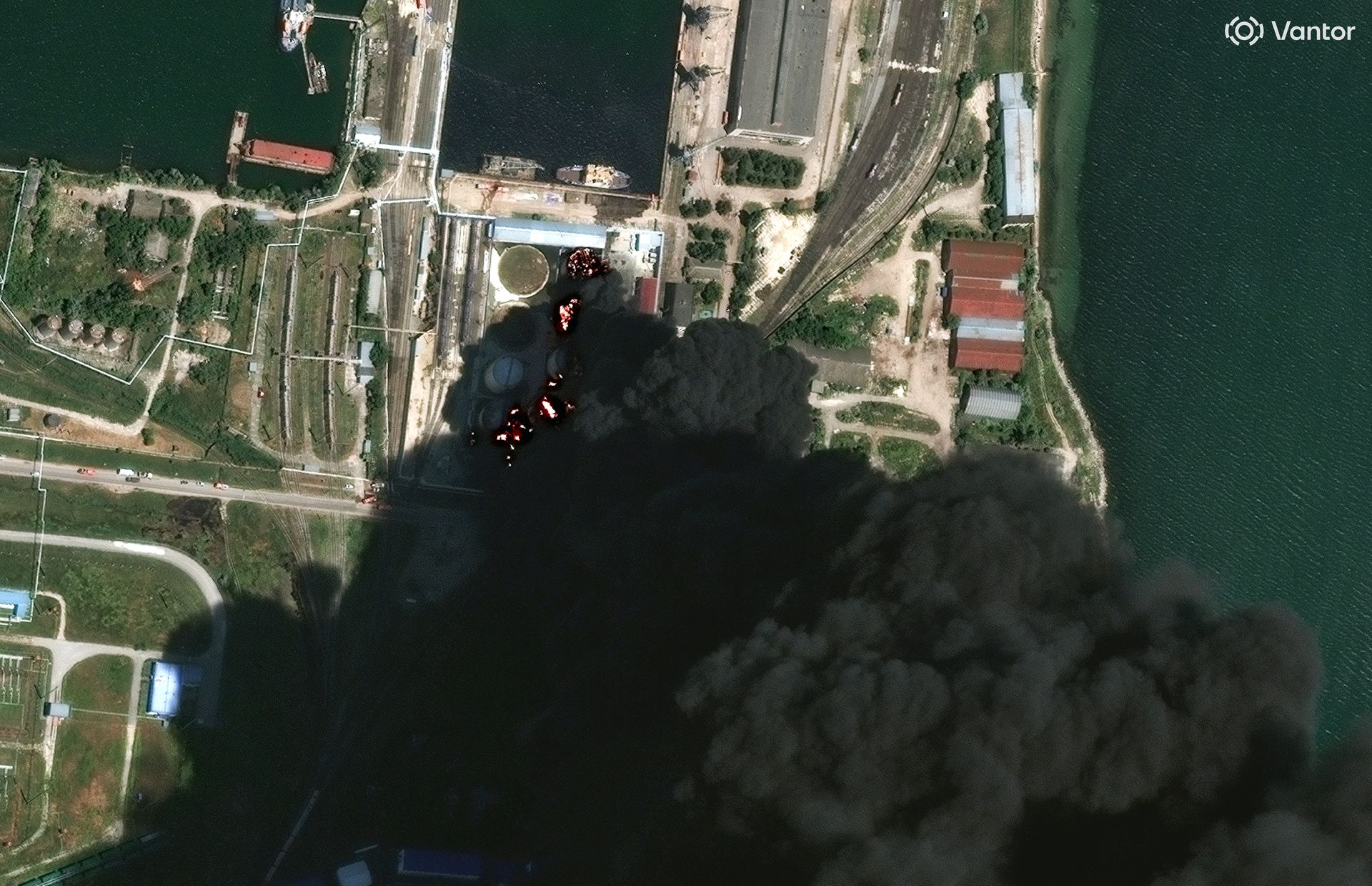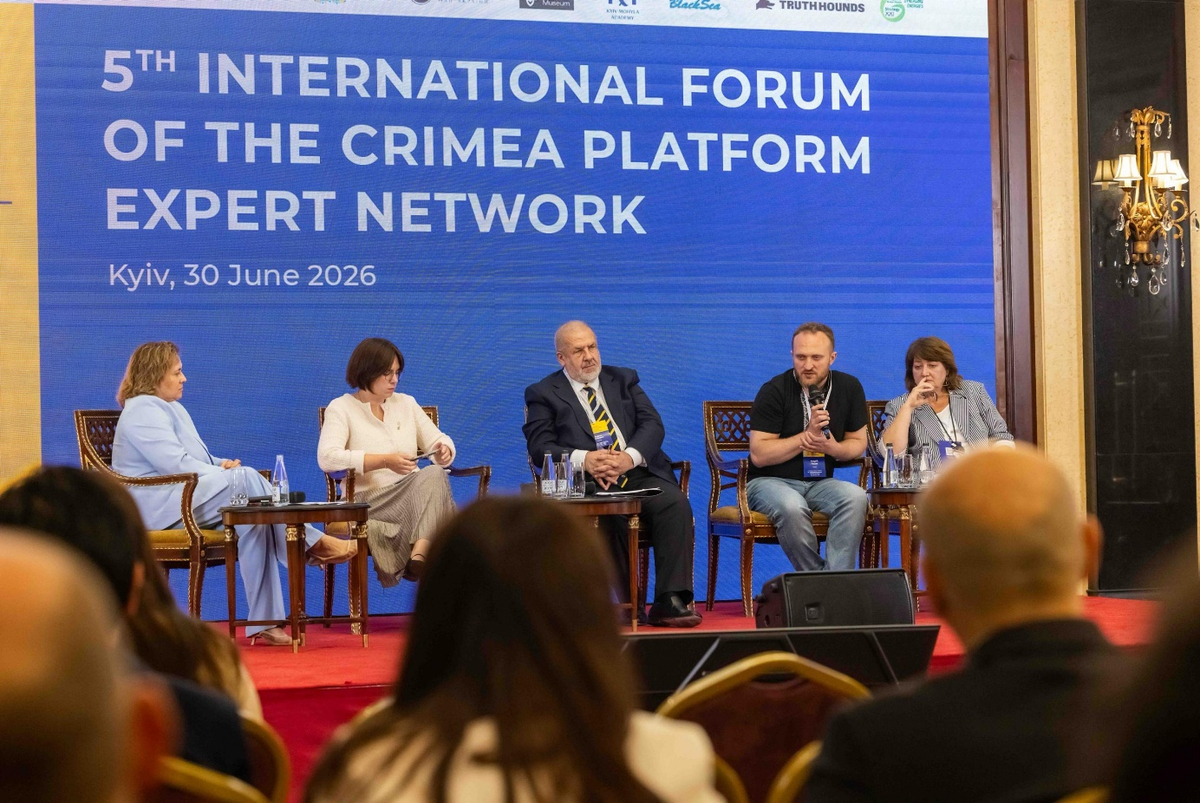
Isolation of Crimea is real Ukraine’s Defense Minister has declared Crimea is “being isolated by drones” and will “soon become an island.” Strikes on bridges at Chonhar, Henichesk, and Armiansk have cut military traffic on key routes by 71 percent. This is no longer a plan. Alina Frolova, deputy chair of the Center for Defense Strategies and security panel moderator, said Western partners are still not ready for what that means. “I am yet to hear any meaningful discussion among our foreign partners to show their understanding of potential developments – of their readiness to accept the military liberation of Crimea,” she said.JOIN US ON TELEGRAMFollow our coverage of the war on the @Kyivpost_official. Major General Illia Pavlenko, former deputy head of Ukraine’s Main Intelligence Directorate, pushed back on a common misreading of the campaign. “Our objective is not to isolate residents there. It’s rather about isolating the military machinery of Russia – to limit its ability to transport weapons, oil and fuel, to cut short the ability to use Crimea as a starting point for military actions.” He was blunt about what isolation buys diplomatically. “A diplomacy without any leverage is a beggar’s position,” Pavlenko said. John Herbst of the Atlantic Council walked through Russia’s escalation options if Crimea comes under real pressure. The most likely option in his view is more strikes on Ukrainian civilians, albeit with no strategic effect since Russia has been doing that since the first winter. A horizontal escalation against NATO military-industrial targets is a less likely option (possibly a ten percent chance, according to Herbst); while tactical nuclear use is less likely still. Since Ukrainian forces are dispersed, the fallout risks blowing back into Russia and China would not absorb it. “Putin has threatened nuclear use many times over the past four-plus years of the big invasion. We’ve never seen him actually use it,” Herbst added.
Experts Warn West Unprepared for Liberation of Crimea as Isolation Campaign Enters Active Phase
Ukraine’s drone‑driven isolation of Crimea is accelerating, but experts warn the West remains unprepared for its liberation or the political, military, and legal fallout.
1,191 words~5 min read