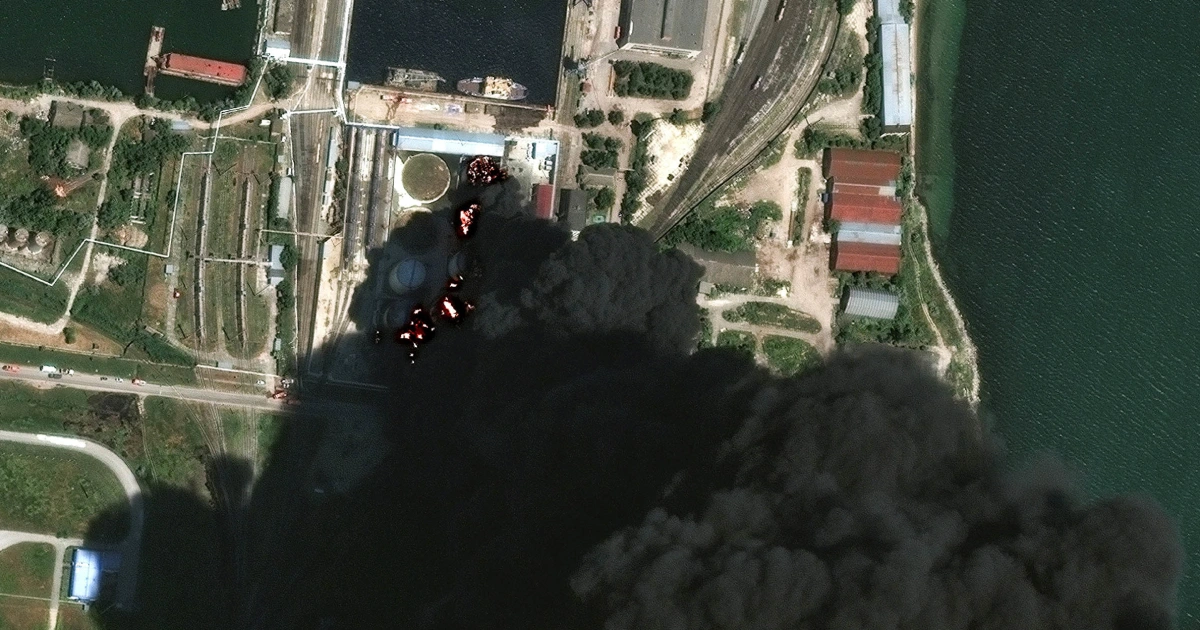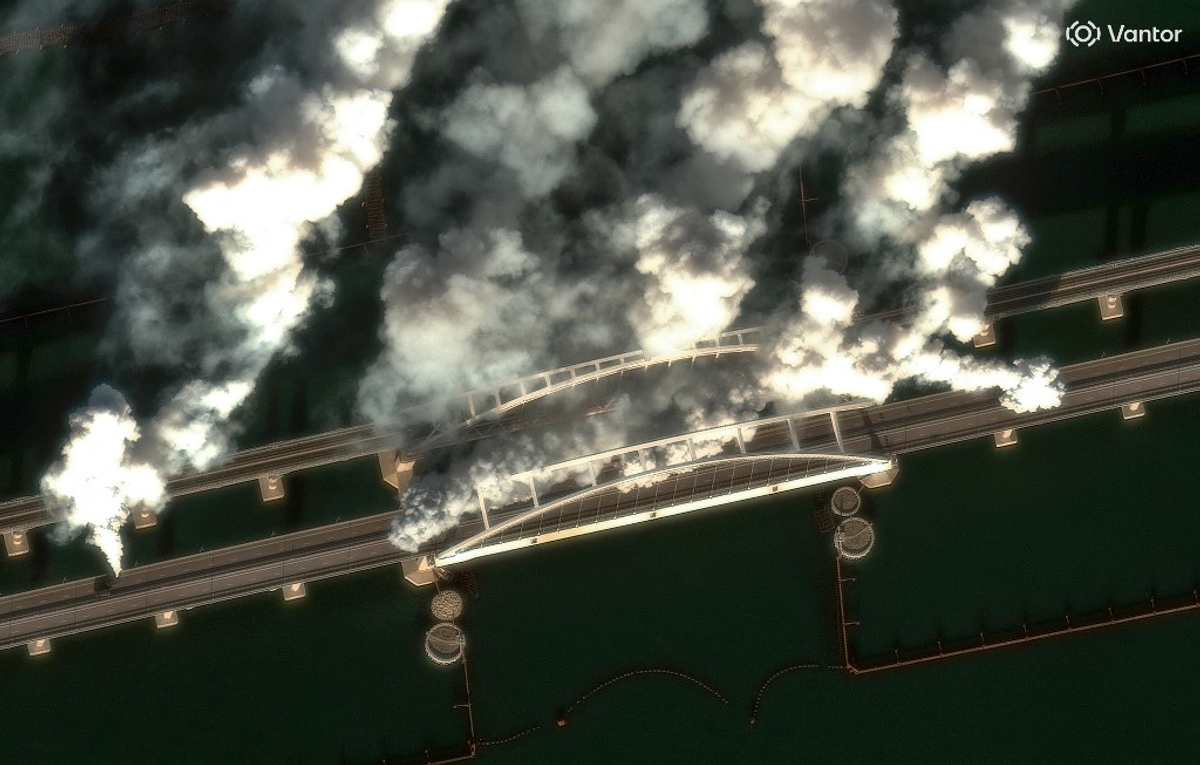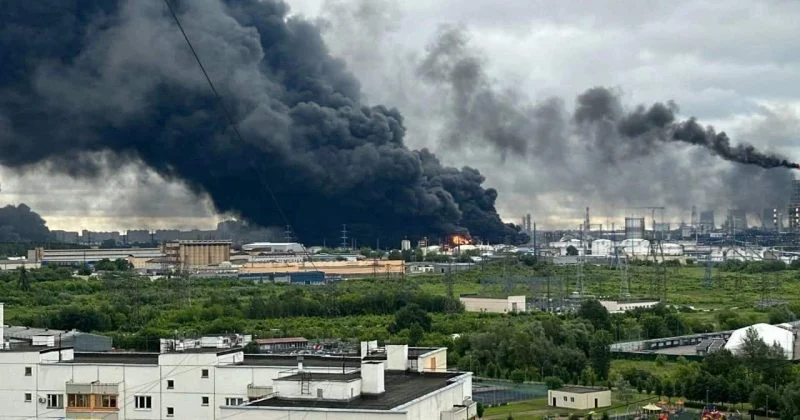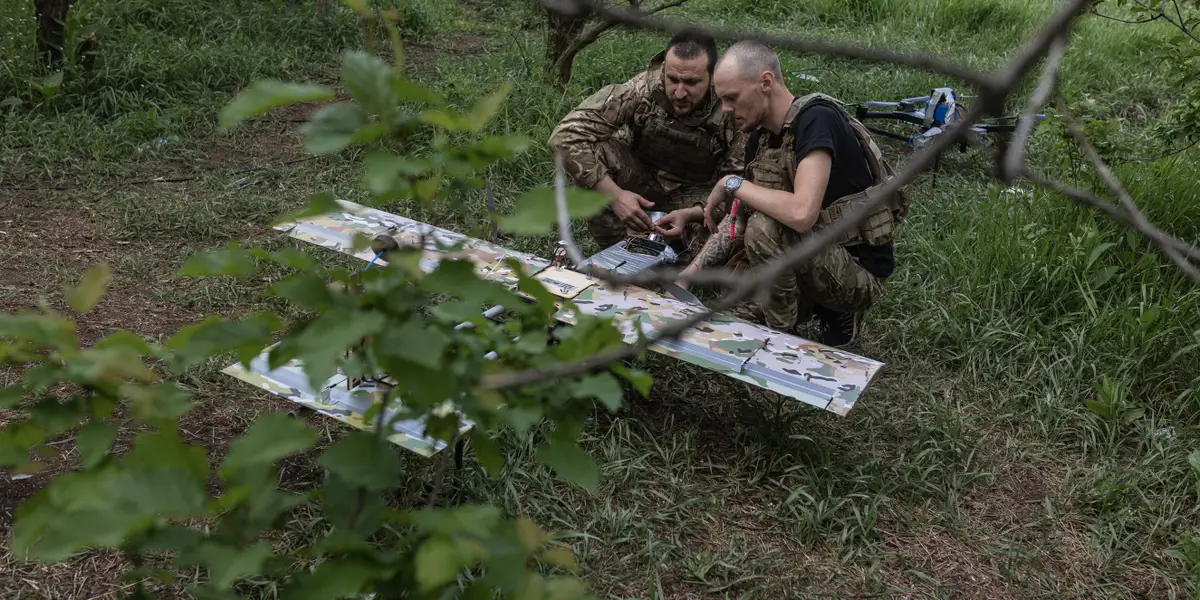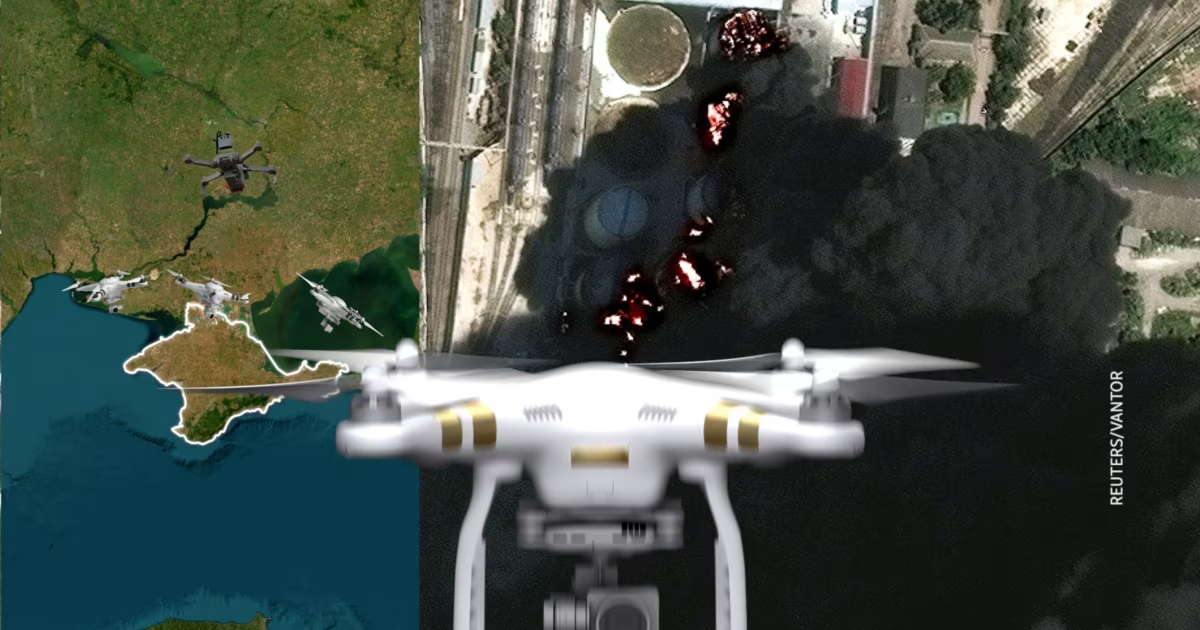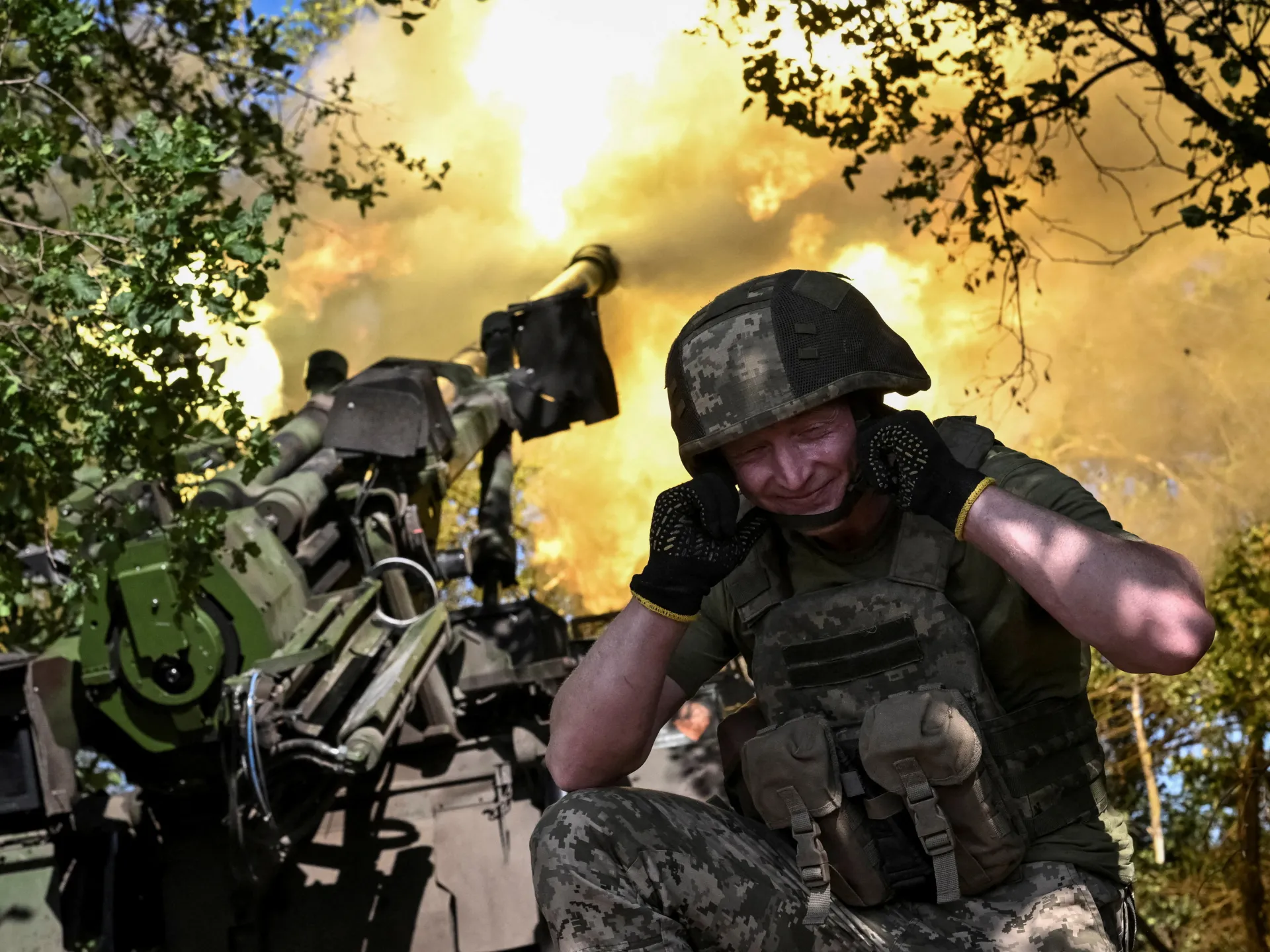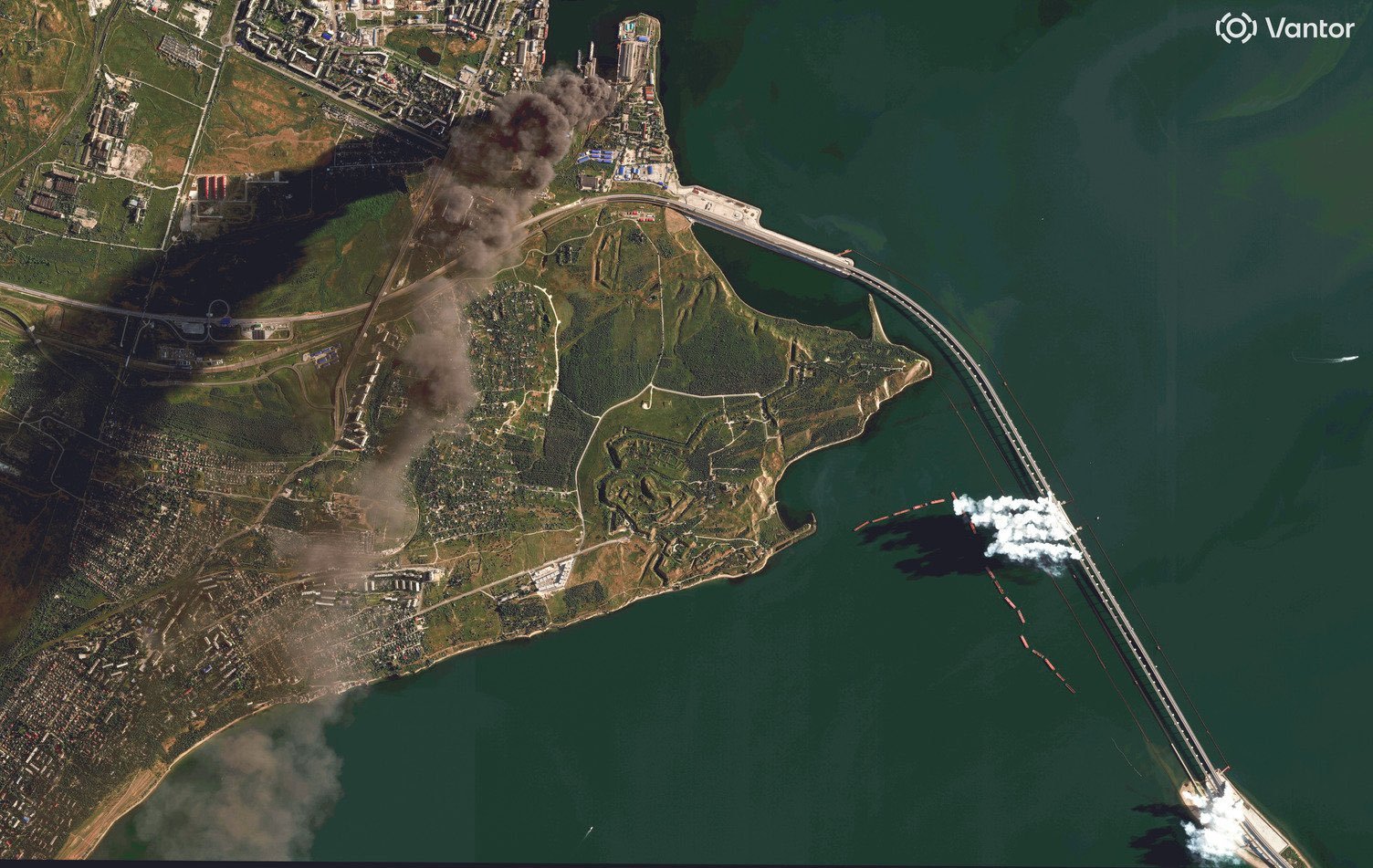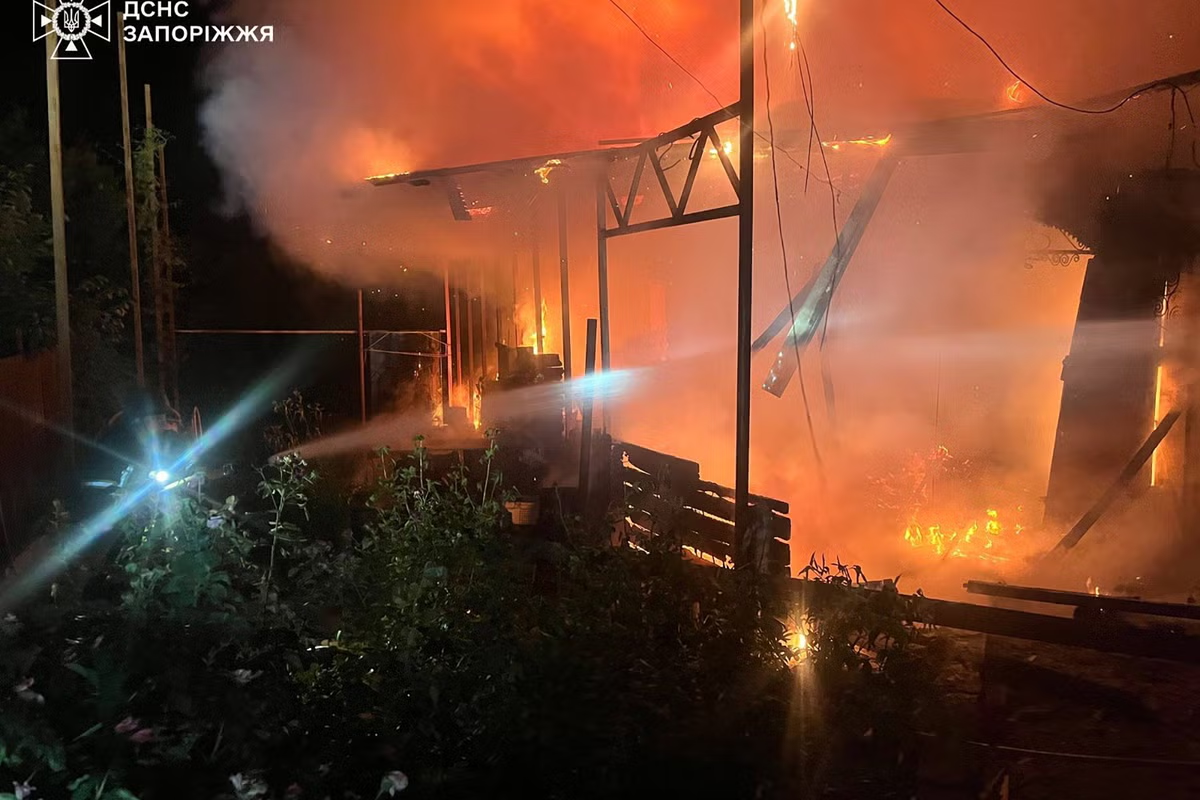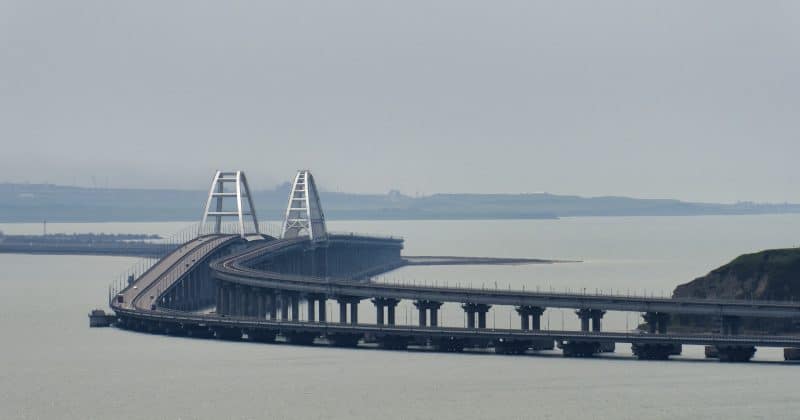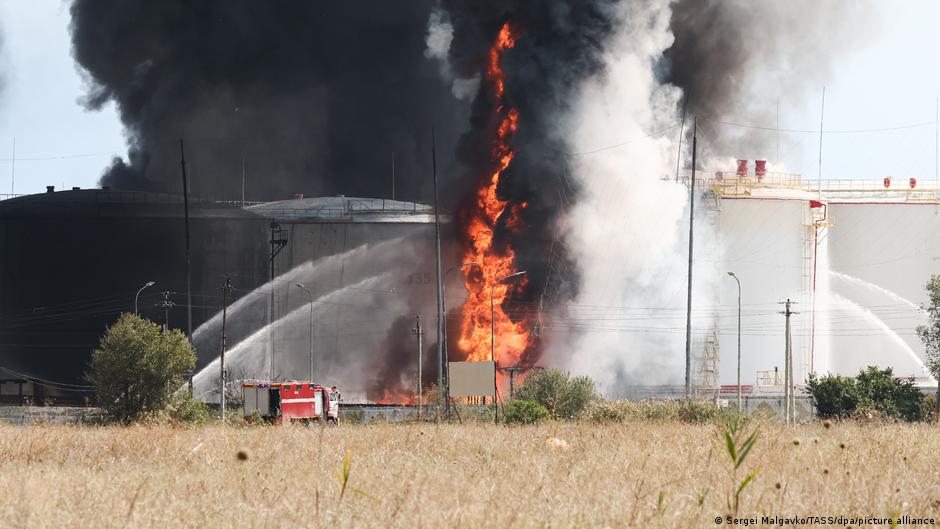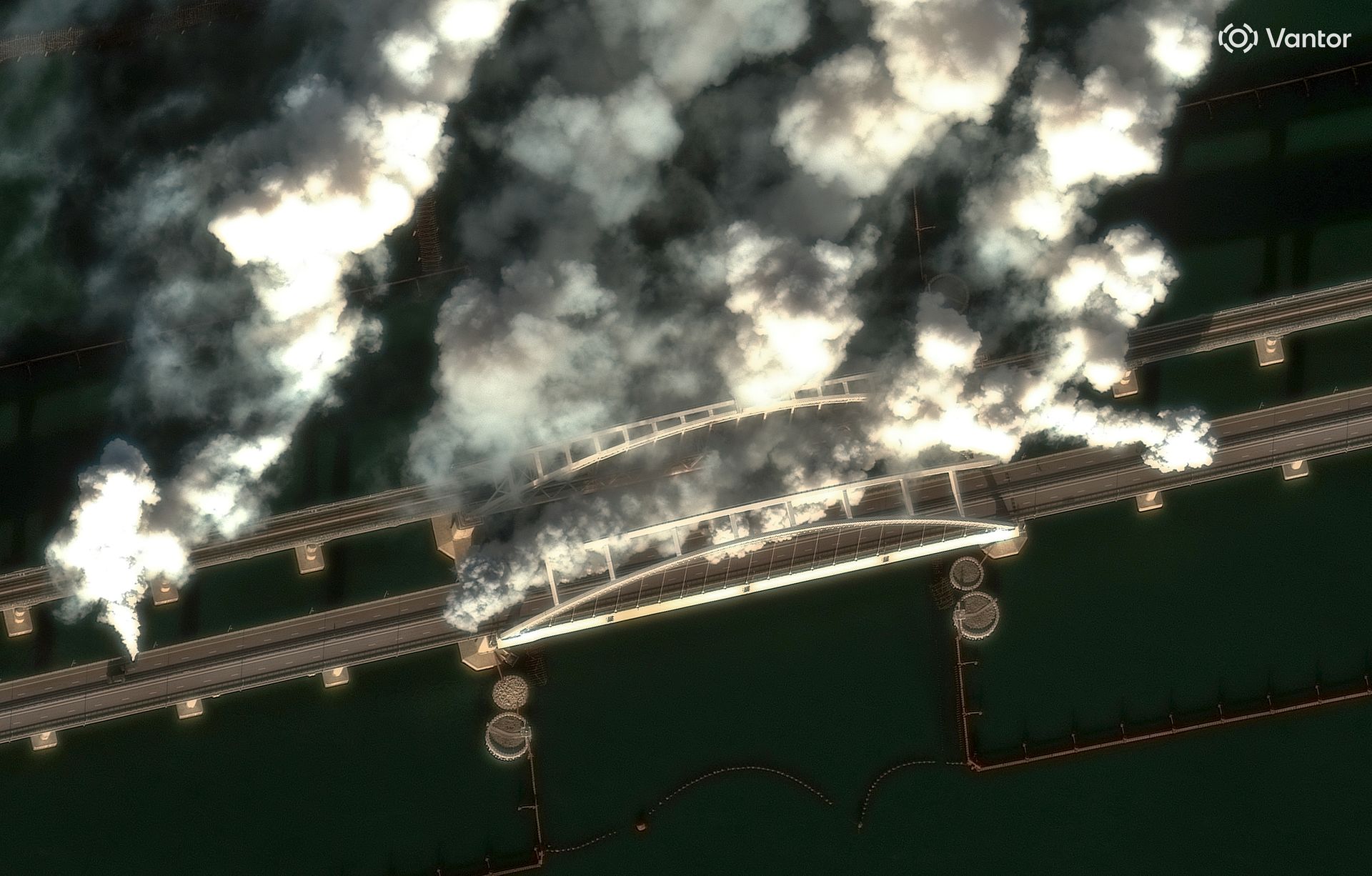
A satellite image shows multiple smoke-generating vehicles operating on the Crimea Bridge, which crosses the Kerch Strait, on June 22, 2026, obscuring parts of the roadway and bridge. (Vantor / Getty Images)Ukraine's siege of Crimea has been a long time coming.Crimea is under an effective siege as Ukraine has been systematically isolating the occupied peninsula with a multipronged campaign of drone strikes. "Hell is beginning," Ukrainian Defense Minister Mykhailo Fedorov said in a June 17 interview. "Logistics are being cut off. Crimea is being isolated." Ukraine plans to fully isolate the peninsula, cutting it off from Russian supply while destroying critical infrastructure — ultimately allowing the Russian occupation of Crimea to "wither on the vine".The Ukrainian "blockade" has already led to severe fuel shortages, while long-range drone strikes on electrical infrastructure have led to power outages across the peninsula. Russian tourists have been heading home, while increasingly panicked Russian military bloggers attempt to sound the alarm over the situation in Crimea. "It is grave now, but promises to become critical in just a few weeks if the enemy continues its 'strategic air offensive' against it at an increasing pace," was the gloomy assessment of former FSB officer and convicted war criminal Igor Girkin.Ukrainian strikes on Crimea are not new, but the current campaign marks a shift from sporadic attacks on high-value military targets to a sustained effort to make the peninsula harder to supply and hold.Since April 2026, Ukraine's mid-range drones have been systematically targeting Russian traffic transiting along the R-280 — the so-called "Novorossiya highway" — as Fedorov's "logistics lockdown" swung into action. Ukraine has also been striking the ferries Russia uses to transport oil and military materiel across the Kerch Strait, the bridges that connect the peninsula to the occupied part of Kherson Oblast, and fuel depots, gas storage facilities, and electrical infrastructure in Crimea itself.Ukraine's isolation of Crimea. (Nizar al-Rifai / The Kyiv Independent)"Ukrainian strikes are increasingly shifting towards Crimea," Oksana Kuzan, co-founder of The Ukrainian Security and Cooperation Center, told the Kyiv Independent. "What began as the use of drones to sever key logistical arteries in Donetsk Oblast has evolved into a much larger operation."This operation is already having a significant impact. After the oil terminal in Kerch was struck by Ukrainian drones on June 21, Russian occupation authorities declared a total ban on fuel sales to civilians. "Fuel will be sold only to government agencies that ensure the functioning and security of the Republic of Crimea," Russian-installed head of the Crimean Republic Sergey Aksyonov announced later the same day. In another attempt to "conserve fuel", Russian-installed governor of Sevastopol Mikhail Razvozhaev announced the mandatory closing of supermarkets, bars, and restaurants in the regional capital at 8 p.m.A satellite image shows burning storage tanks and heavy smoke following attacks in Kerch, Russia-occupied Crimea, Ukraine, on June 20, 2026. (Vantor / Getty Images)Compounding Russian misery, Ukrainian drones struck the Simferopol Power Station and Sevastopol's main electric substation on June 24, leaving the regional capital and large parts of the peninsula without power. "The enemy is striking again, trying to deprive us of our usual living conditions and sow panic," Razvozhaev complained on Telegram.Setting conditions for a logistics siegeUkrainian strikes against targets in Crimea are nothing new. Since 2022, Ukraine has been slowly but surely forcing Russia to demilitarize the Crimean peninsula, hitting airfields, air defense sites, and naval bases. Since 2022, Ukraine has hit airfields, air defense sites and naval bases across the peninsula. The Saky air base in Novofedorivka was struck by mysterious long-range missiles in August 2022, the first significant attack on a Russian military facility on the peninsula. Seven Russian fighter jets were destroyed, and four were damaged.Attacks continued in 2023, with Ukraine using R-360 Neptune cruise missiles to target and destroy Russian long-range S-400 air defense systems. Russian ships of the Black Sea Fleet were attacked with maritime drones and long-range missiles, while Anglo-French "Storm Shadow" cruise missiles dramatically destroyed the fleet's headquarters in their historical home base of Sevastopol. The constant Ukrainian harassment forced the Russian navy to relocate the Black Sea Fleet to Novorossiysk, around 350 km (220 miles) to the east.The aftermath of a reported Ukrainian strike on Russia's Black Sea Fleet headquarters in Sevastopol, Russia-occupied Crimea, Ukraine, on Sept. 22, 2023. (Emergency Sevastopol/Telegram)Since 2025, Ukrainian long-range drone units, particularly the "Prymary" special operations unit of Ukrainian military intelligence (HUR), have been hunting Russian military targets — particularly air defense systems and radars — across the peninsula."Ukraine has focused heavily on degrading Russian air defense systems, not just in Crimea but across all occupied territories," Kyle Glen, an investigator at the Centre for Information Resilience, who has been tracking the Ukrainian and Russian drone campaigns, told the Kyiv Independent."The destruction of these systems has paved the way for Ukraine's middle strike campaign on logistics in the south and also successful long-range strikes on targets in Crimea and in Russia itself," Glen said.The drone blockadeUkraine's attempted "drone blockade" is a new tactic, enabled by the degradation of Russian air defenses and facilitated by Ukraine's new fleet of cheap, mainly domestically produced, mid-range drones and loitering munitions. Russia heavily relies on road-borne logistics transiting the Novorossyia highway to supply fuel and military materiel to sustain its occupation of Crimea, as well as to supply Russian troops occupying parts of Kherson and Zaporizhzhia oblasts. Indeed, the creation of a "land bridge" to Crimea was a key Russian war objective.An explosion carried out by the Security Service of Ukraine (SBU) caused fire at the Kerch Bridge in the Kerch Strait, Russian-occupied Crimea, Ukraine, on Oct. 8, 2022. (Vera Katkova/Anadolu Agency via Getty Images)Military cargo traffic on sections of the route had decreased by 71% in the preceding two weeks, head of Ukraine's Unmanned Systems Forces Robert "Magyar" Brovdi said on June 9. In the face of the Ukrainian drone threat, the Russian military has been instituting a convoy system — where groups of tankers are escorted by mobile anti-aircraft teams — and dedicating significant numbers of personnel to anti-drone duty.It doesn't seem to have helped much, as videos of numerous Russian logistics vehicles being destroyed by the Unmanned Systems Forces and a host of other Ukrainian military units are published on a daily basis. The mobile anti-aircraft teams themselves are frequently victims of Ukraine's prowling drones.
Ukraine turns to strangling Russian logistics in Crimea — and it's working
Ukraine's siege of Crimea has been a long time coming. Crimea is under an effective siege as Ukraine has been systematically isolating the occupied peninsula with a multipronged campaign of drone strikes. "Hell is beginning," Ukrainian Defense Minister Mykhailo Fedorov said in a June 17 interview. "Logistics are being cut off. Crimea is being isolated." Ukraine plans to fully isolate the peninsula, cutting it off from Russian supply while destroying critical infrastructure — ultimately allowing
2,004 words~9 min read