The US has a data center problem.
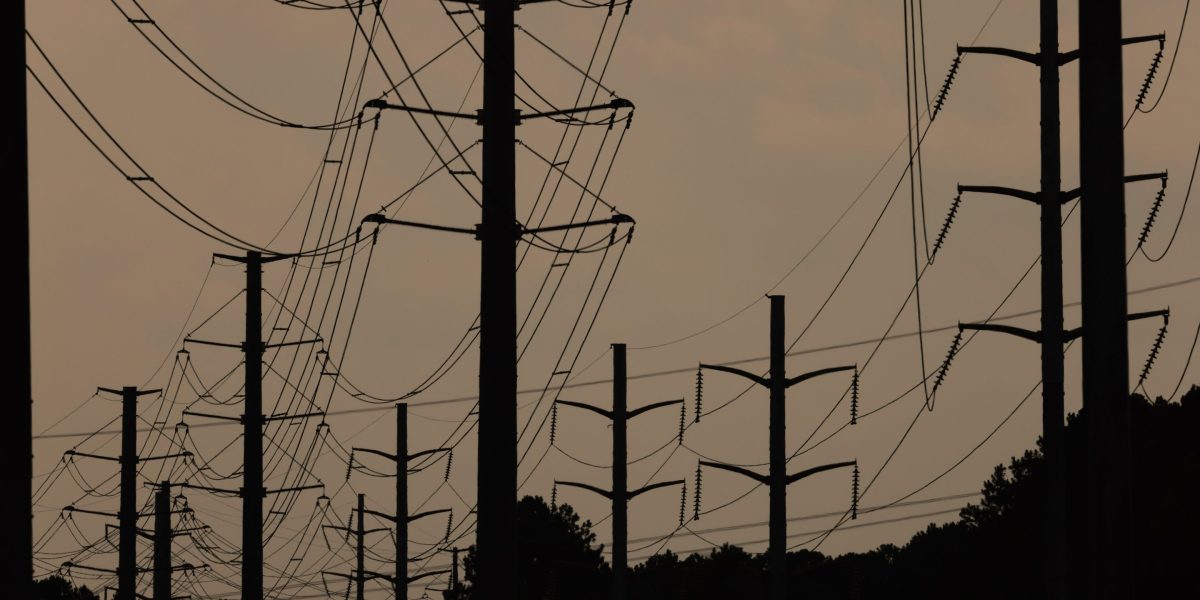
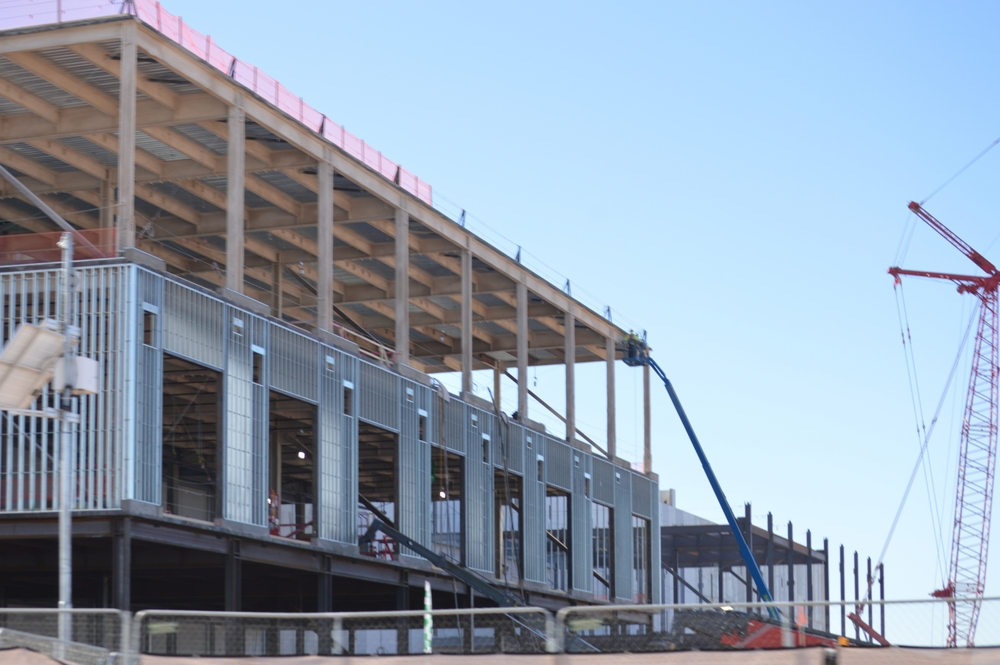
Half of planned US data center builds are currently being delayed or outright canceled. However, it’s not land or even capital constraints that are behind this. It’s power availability.
In these constrained markets, developers are increasingly facing power shortfalls that render many projects non-viable. However, the gap between power scarcity and project success is becoming increasingly bridgeable.
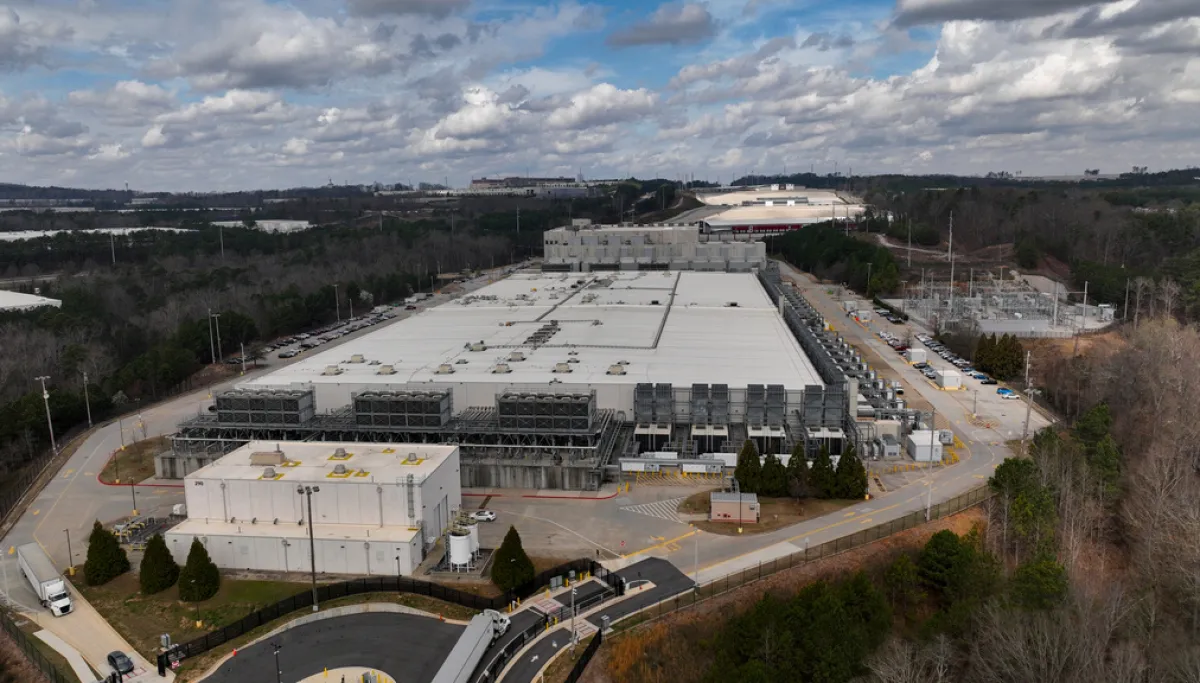
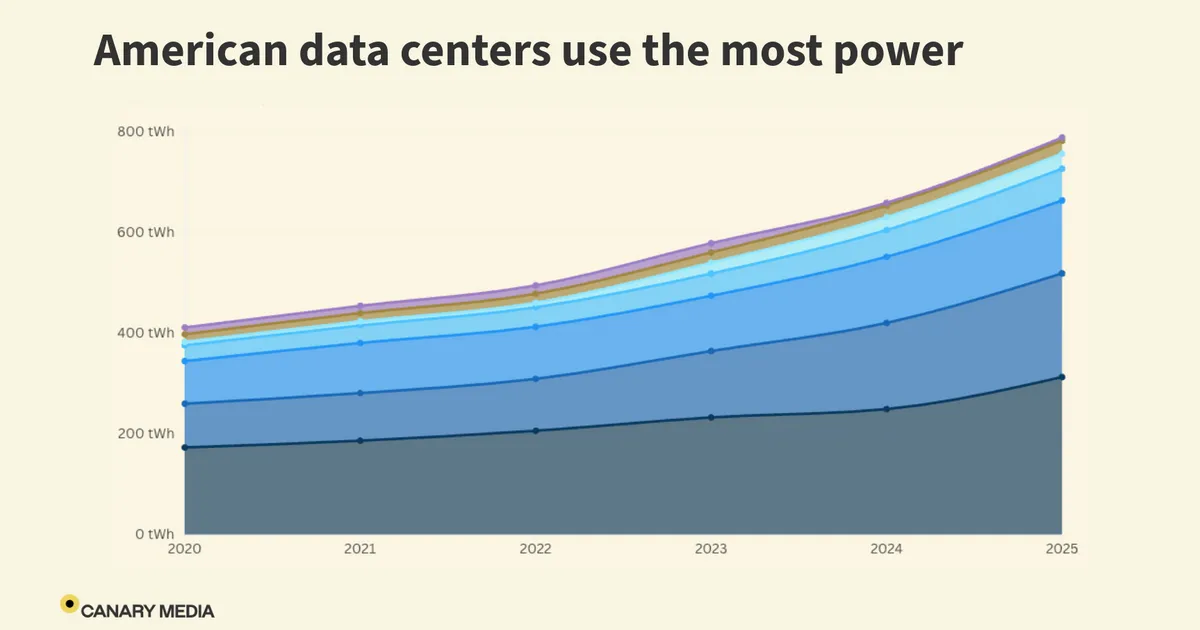
Securing sufficient electrical grid capacity is arguably the top priority for planned data center projects. Across the US right now, data centers represent a combined capacity of about 51GW. By 2028, new data centers will require an additional 44GW of capacity. The issue? The grid will only be able to supply 25GW by then. That is a significant gap between supply and demand.
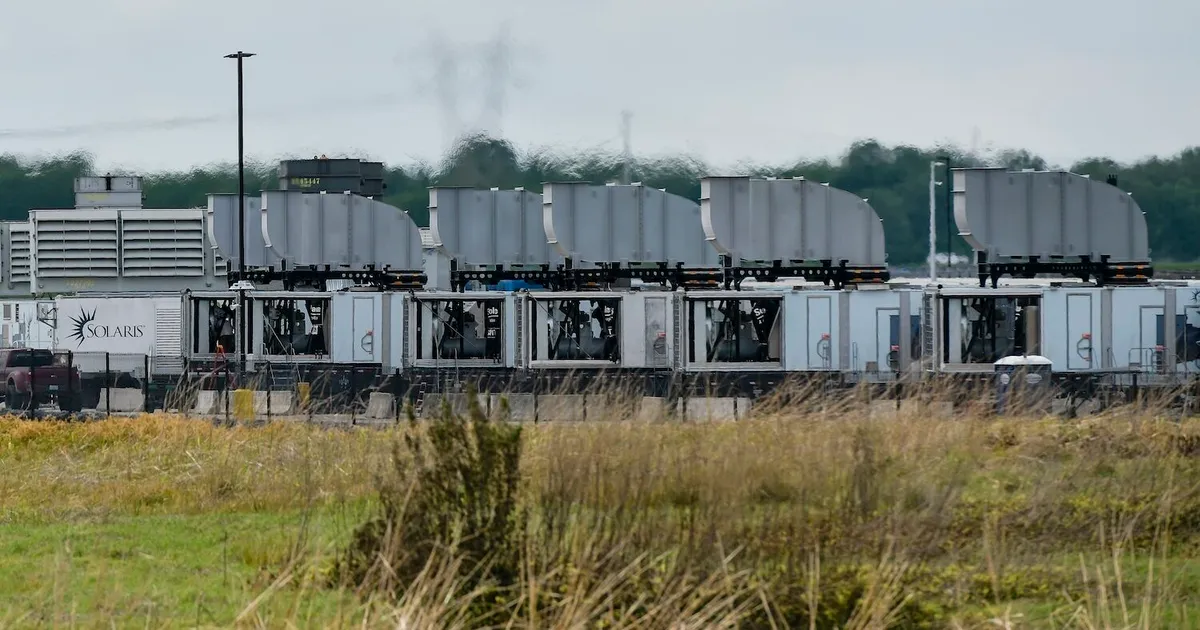
By reducing a data center’s reliance on the grid, developers can convert stranded or stalled sites into viable deployments without waiting years for grid expansion. One approach is shifting 20 to 30 percent of cooling-related electrical loads onto alternative fuel sources.