Originally published at htpbe.tech. The version on htpbe.tech stays in sync with the latest detection algorithm — refer to it for the canonical text.
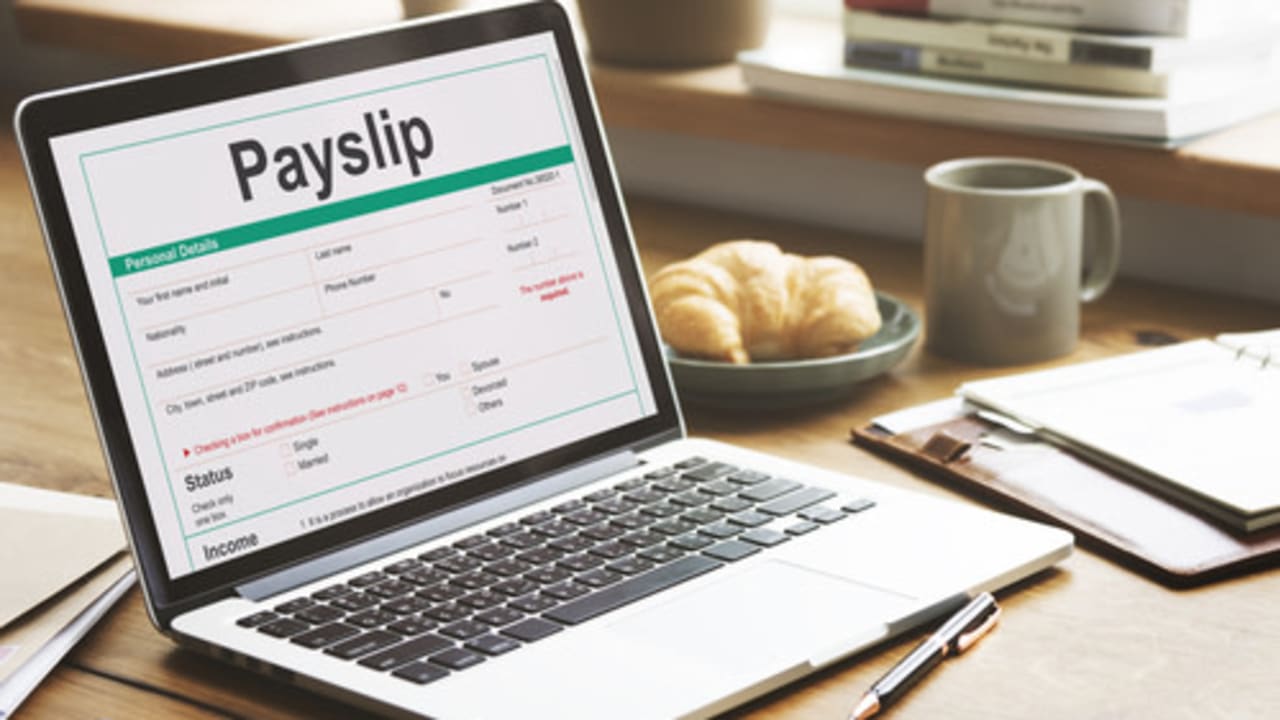
Industry surveys consistently put credential misrepresentation among job applicants in the order of one in ten to one in five, depending on the cohort and the definition used — exact figures vary, and we cite no single source as authoritative here. The most common target is the payslip — a document that unlocks salary negotiation, employment history verification, and visa sponsorship decisions simultaneously. The average cost of a bad hire, including termination, rehiring, and productivity loss, runs into five figures and is typically discovered after onboarding, when the discrepancy is already embedded in the payroll system.
Background check platforms close the gap on criminal records and education. They leave payslip authenticity almost entirely to human judgment — and human judgment cannot see inside a PDF file.
Why Payslips Are the Easiest Document to Fake
A payslip carries more decision weight per page than almost any document in the hiring process. Salary history determines the offer range. Months of continuous payslips confirm employment tenure. Payroll details confirm a candidate’s claimed role and compensation tier.