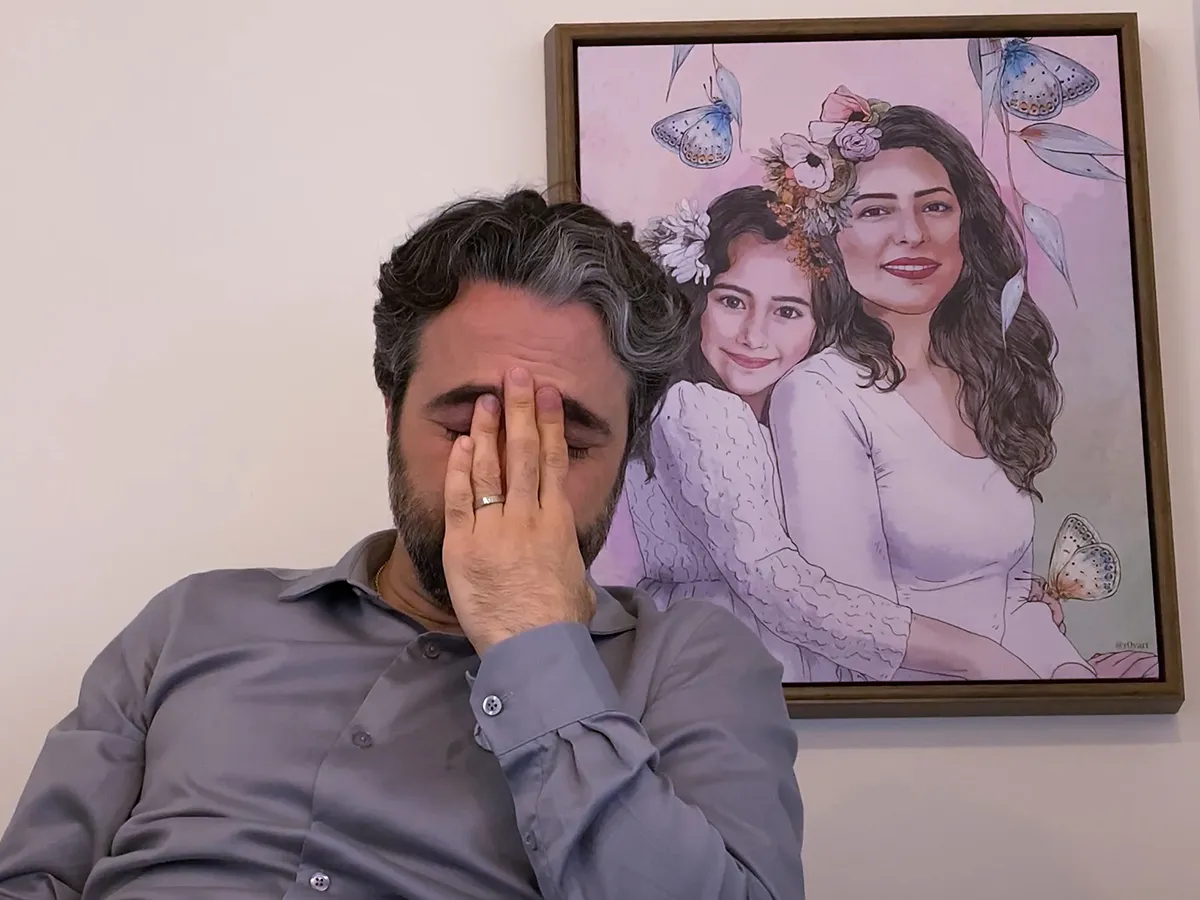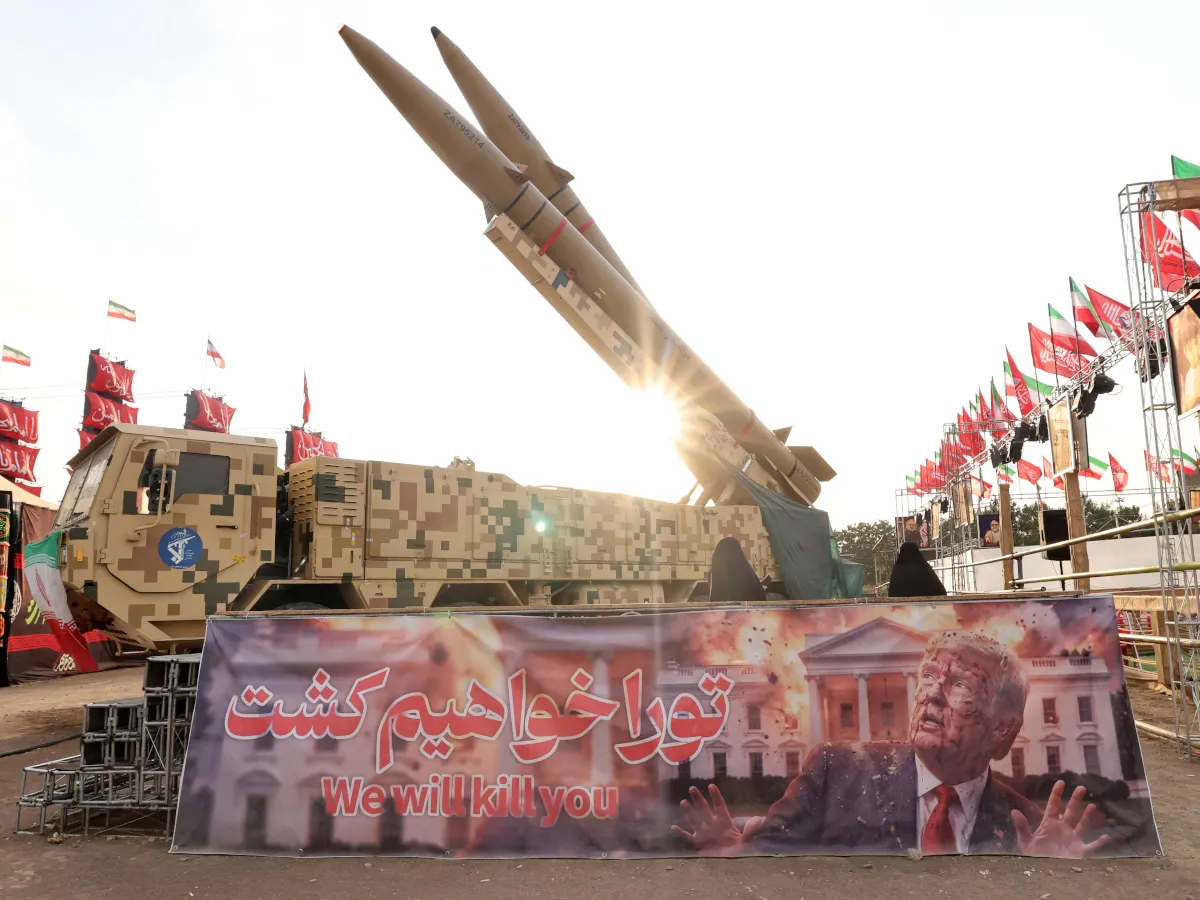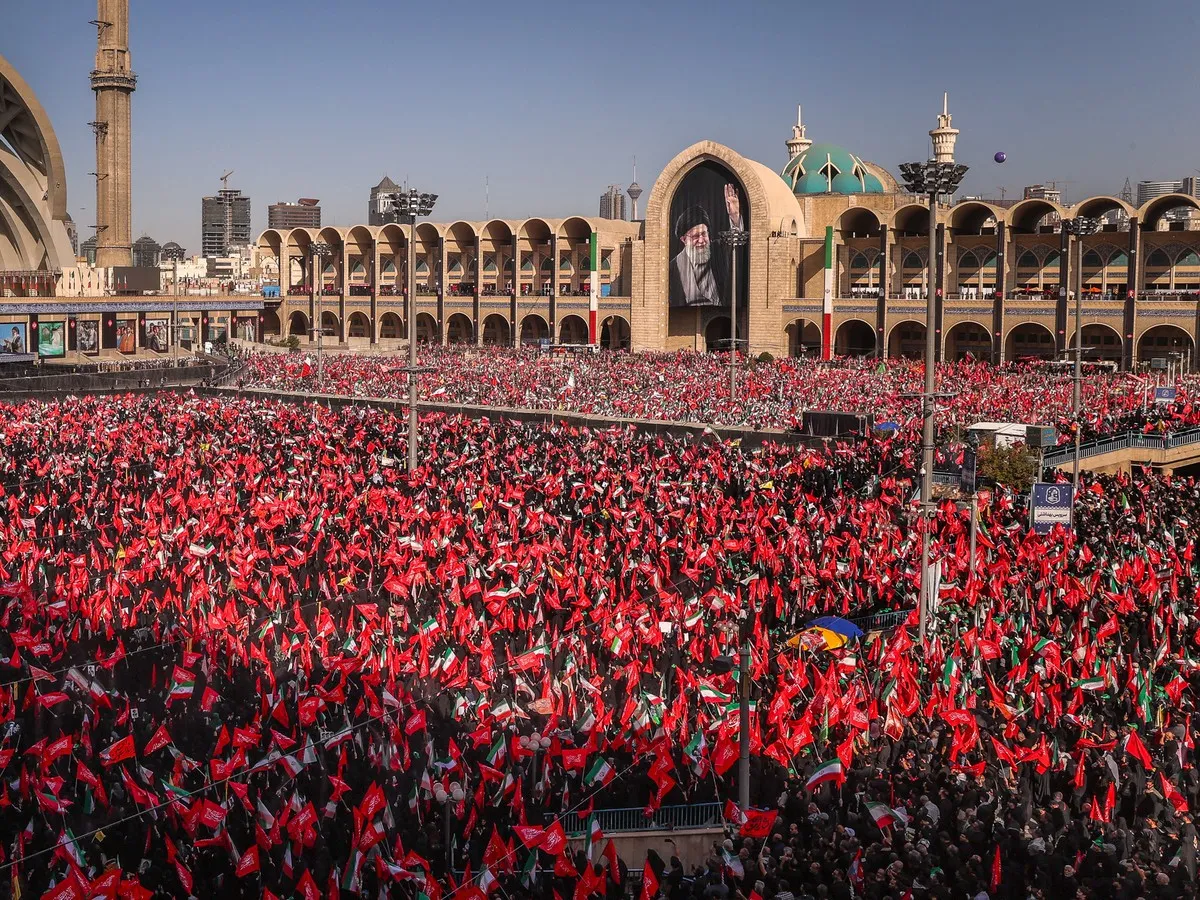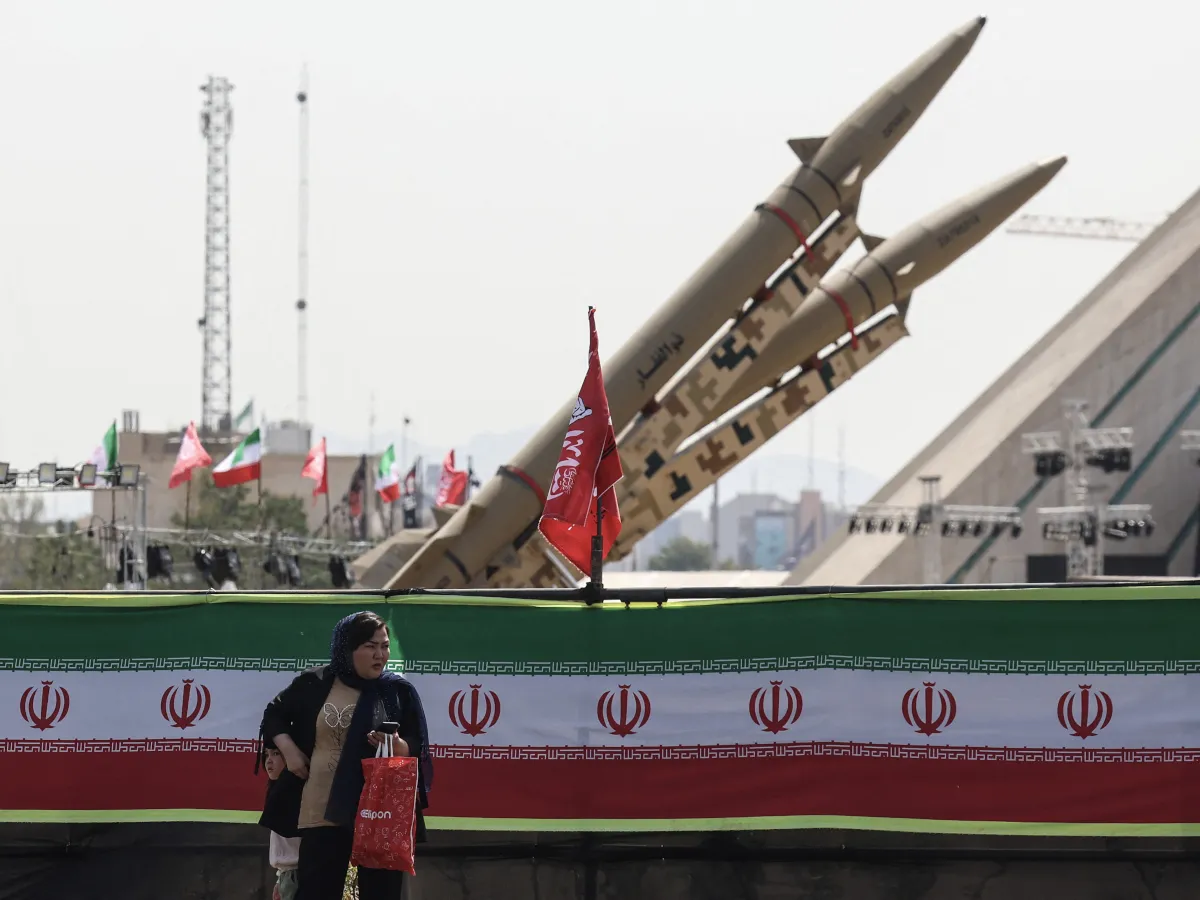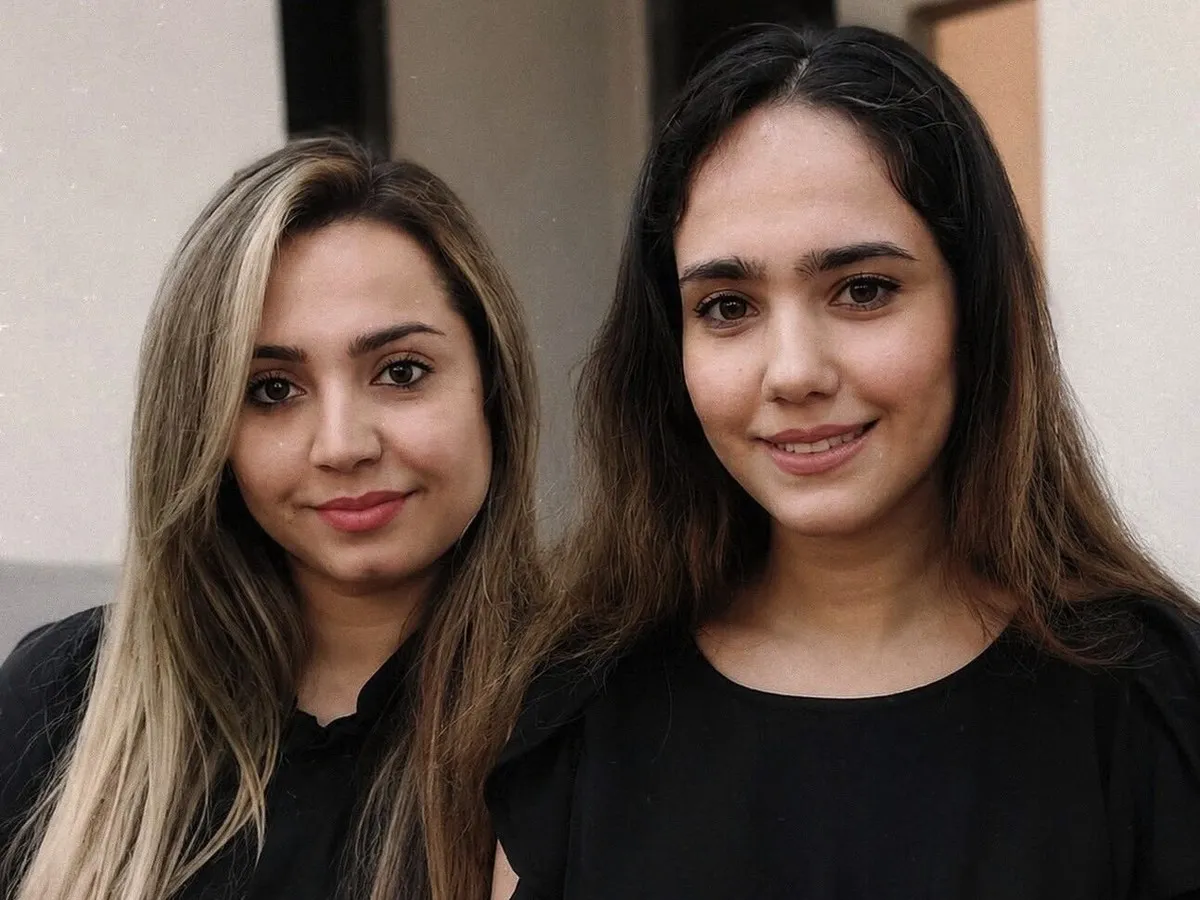
Skip to Content Subscribe Our Offers My Account Manage My Subscriptions FAQ Newsletters Canada Canadian True Crime Canadian Politics Health World Israel & Middle East Financial Post NP Comment Longreads Puzzmo Diversions Comics NP News Quiz New York Times Crossword Horoscopes Life Eating & Drinking Style Sponsored Play for Ontario Travel Travel Canada Travel USA Travel International Cruises Travel Essentials Culture Books Celebrity Movies Music Theatre Television Business Essentials Advice Lives Told Tails Told Shopping Buy Canadian Home Living Outdoor Living Kitchen & Dining Tech Style & Beauty Personal Care Entertainment & Hobbies Gift Guide Travel Guide Amazon Prime Day Deals Savings National Post Store More Sports Hockey Baseball Basketball Football Soccer Golf Tennis Driving Vehicle Research Reviews News Gear Guide Obituaries Place an Obituary Place an In Memoriam Classifieds Place an Ad Celebrations Working Business Ads Archives Healthing Epaper Manage Print Subscription Profile Settings My Subscriptions Saved Articles My Offers Newsletters Customer Service FAQ Newsletters Canada World Financial Post NP Comment Longreads Puzzmo Diversions Life Shopping Epaper Manage Print Subscription HomeNP CommentTerry Glavin: The war is over, and the Iranian people lostThe Sotoudeh sisters were released after being arrested for no reason, all too common for the Baha’i peopleLast updated 1 day ago You can save this article by registering for free here. Or sign-in if you have an account.Mandana (left) and Mahsa Sotoudeh. Photo by Handout /Baha’i Community of Canada.Mandana and Mahsa Sotoudeh are free now. That’s the good news. It’s bittersweet, all the same.Enjoy the latest local, national and international news.Exclusive articles by Conrad Black, Barbara Kay and others. Plus, special edition NP Platformed and First Reading newsletters and virtual events.Unlimited online access to National Post.National Post ePaper, an electronic replica of the print edition to view on any device, share and comment on.Daily puzzles including the New York Times Crossword.Support local journalism.Enjoy the latest local, national and international news.Exclusive articles by Conrad Black, Barbara Kay and others. Plus, special edition NP Platformed and First Reading newsletters and virtual events.Unlimited online access to National Post.National Post ePaper, an electronic replica of the print edition to view on any device, share and comment on.Daily puzzles including the New York Times Crossword.Support local journalism.Create an account or sign in to continue with your reading experience.Access articles from across Canada with one account.Share your thoughts and join the conversation in the comments.Enjoy additional articles per month.Get email updates from your favourite authors.Create an account or sign in to continue with your reading experience.Access articles from across Canada with one accountShare your thoughts and join the conversation in the commentsEnjoy additional articles per monthGet email updates from your favourite authorsSign In or Create an AccountorOn Wednesday morning, without any explanation, Iran’s Islamic Revolutionary Guard Corps’ intelligence forces released 38-year-old Mandana and her 25-year-old sister Mahsa, allowing them to return to their homes in Shiraz. The IRGC had arrested and imprisoned the sisters three months earlier, also without any explanation.Mandana and Mahsa were never charged with anything, and their story is typical of the predicament endured by Iran’s long-tormented Baha’i minority, which has only worsened since last summer’s 12-day war with Israel. The Baha’i International Community has documented several hundred similar cases since last June.This newsletter from NP Comment tackles the topics you care about. (Subscriber-exclusive edition on Fridays)By signing up you consent to receive the above newsletter from Postmedia Network Inc.We encountered an issue signing you up. Please try againThe persecution went into high gear during the anti-regime protests that began last December, which resulted in the deaths of perhaps 30,000 protesters. The arbitrary arrests have intensified since the U.S.-Israeli war began in February.Iran’s Baha’is are routinely arrested, commonly without warrant, and often subjected to the most sadistic forms of torture, usually on the pretext that they are Zionist spies or criminal subversives. The targeting of Iran’s Baha’i people is carried out without regard to evidence of criminal wrondoing and the victims may spend months or years in prison. When they’re released, it’s just as random and capricious as the arrests that led them to jail in the first place.“I just had a few minutes talking with Mandana, but I don’t know how much she can explain herself over the telephone because we never know whether they are being listened to,” Mandana’s sister-in-law Roya Basiri, who lives in Langley, B.C., told me late Wednesday.Mandana has lost a lot of weight. Her time in prison was a horrible ordeal. That’s all she can say. Reporting these stories is always complicated by the threat of a victim’s re-arrest or the further harassment of a victim’s family for having drawn attention to the circumstances of any particular case.“I am happy, but I am not happy,” Roya said, “because of everybody else there in prison, every single one of them.”Roya managed to make her way to Canada seven years ago after having registered as a refugee with the United Nations offices in Turkey. Her brother Behzad Basiri, Mandana’s husband, was himself arrested after the IRGC kicked in the door to the family house around the same time as the sisters were arrested in late March. Behzad was released after about a month in prison.The arrests make no sense, Roya said, except in the fact that the family follows the Baha’i faith, a pacifistic, messianic belief system in the Abrahamic tradition that evolved in Iran in the mid-1800s. Neither Behzad, his wife Mandana or her sister Mahsa were politically active in any way. They were not involved in the protests. Behzad suffers from a severe back injury. Mandana runs a nail salon. Mahsa runs a computer shop out of her home.Baha’i teaching stipulates that service to one’s community and country is a prime virtue but it must always remain confined to lawful conduct, and the family has never been presented with any evidence that Behzad, Mandana or Mahsa broke any law. They are perfectly “ordinary” people.In all the attention paid to the war, it’s the story of the ordinary people of Iran, their tribulations and their suffering, that has gone almost entirely unreported. It’s understandable, you could say. It has been almost impossible to break through the communications blackouts the Khomeinist regime imposes on the country. And the war has been an historic and riveting event, with dramatic, worldwide implications.There were the assassinations that eliminated key Khomeinist leaders, and then the regime’s retaliatory targeting of Israel and the Persian Gulf states with hundreds of ballistic missiles and suicide drones. There’s the ongoing Israeli assault on Hezbollah rocketeers in Southern Lebanon. And lately the denouement, with the Trump administration’s apparent capitulation to the regime, now hardened and triumphant. And then there’s all the on again, off again peace talks intrigues.“What we would like the news to do is to share the truth about what is actually going on in that country,” Roya said. “We want to hear the truths from the news. They cover the price of gas, they cover what Trump is doing, or about the Strait of Hormuz, but there is no one talking about how the people are living, with no justice. No rules. No human rights.“We just want people to know what is going on in that country.”Just one of the things going on in Iran is the sweeping, sadistic persecution of the Baha’is, who number perhaps 300,000 people. “Many have been exposed to physical and psychological abuse, including lengthy abusive interrogations, sustained periods in solitary confinement, beatings and electric shock torture, mock executions, forced confessions and denial of access to essential medical treatment and medications,” Shervin Ghaem-Maghami of the Baha’i Community of Canada tells me.Since the Khomeinists seized power in 1979, it has been official government policy to comprehend followers of the Baha’i faith as unclean, untrustworthy and unentitled to recognition as followers of a genuine religion. The formal policy of the Islamic Republic of Iran is to treat the Baha’i “in such a way that their progress and development are blocked,” according to an official religious edict from 1991.Children may not attend school if they openly identify as Baha’i, and children known to come from Baha’i families are to be enrolled in Islamic schools with strict religious and ideological pedagogy. Students known to be Baha’i are to be denied entry into universities. Baha’is are denied government employment, and their property is subject to arbitrary confiscation.Among the Baha’i prisoners in Iran at the moment is 29-year-old Borna Naimi, a father of three who underwent several beatings, a series of electric shocks and at least two mock executions and the threat of having his three-year-old daughter removed to a state orphanage in order to secure a false confession from him that he was involved in the murder of paramilitary Basij militiamen on Jan. 8. Arrested on March 1, Naimi was also pressured into implicating his cousin Peyvand Naimi as an accomplice in the murders. Peyvand was arrested before the murders occurred, and he was subject to two mock hangings in an effort to force a confession from him.What distinguishes the case of the Naimi cousins is that it has come to the attention of human rights groups and the United Nations. The Baha’i Community of Canada counts at least 59 other Baha’i people currently subject to arbitrary imprisonment in Iran and another 17 in home arrests, with ankle-bracelet monitoring. This is believed to be a small fraction of the number of Iranians arbitrarily arrested and imprisoned over the past year. In 2025, more than 2,000 Iranian prisoners are believed to have been hanged, making Iran the leading per-capita executioner on earth.In the early innings of the Trump administration’s Operation Epic Fury, in the various pronouncements from the White House about the aims of the war, there were occasional references to the rights of ordinary Iranians. Those claims were soon dropped, and there is nothing in the June 17 Islamabad Memorandum between Washington and Tehran that indicates any relief for Iranians, no matter their religious affiliation, who remain at the mercy of one the most barbaric human rights abusers among the United Nations’ 193 member states.National Post Join the Conversation This website uses cookies to personalize your content (including ads), and allows us to analyze our traffic. Read more about cookies here. By continuing to use our site, you agree to our Terms of Use and Privacy Policy.
Terry Glavin: The war is over, and the Iranian people lost
The Sotoudeh sisters were released after being arrested for no reason, all too common for the Baha’i people
1,714 words~8 min read