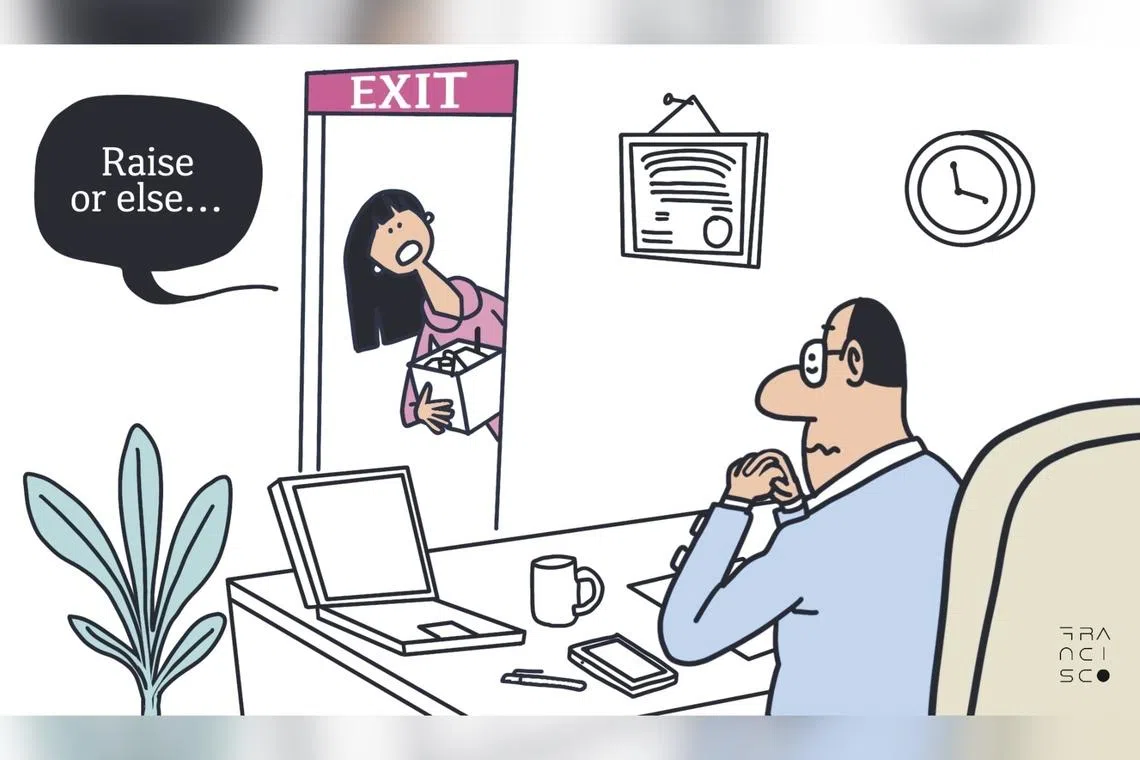
For many professionals, one of the biggest reasons for losing enthusiasm at work is the absence of meaningful salary growth. When employees consistently deliver results but receive only modest annual increments, they often begin to question their future with the organisation. Career coach Simon Ingari recently shared a workplace story on X that highlighted how inadequate pay raises can eventually push even committed employees to look elsewhere for better opportunities.The incident revolved around a dedicated staff member who had spent five years with the same company. Although his compensation had been revised every year, the increases were minimal and failed to reflect his contributions or the rising cost of living. After repeatedly receiving small increments, he eventually decided that remaining with the organisation no longer made financial or professional sense.In 2026, the employee formally handed in his resignation. Surprised by the decision, the human resources manager questioned why he wanted to leave despite receiving salary revisions over the years. The employee explained that he had accepted an offer from another organisation that promised significantly better compensation and stronger long-term career prospects.— Simon_Ingari (@Simon_Ingari) Curious about the details, the HR manager asked how much higher the new package was and assured the employee that the company might be willing to match the offer. The employee then revealed that his new employer had proposed a salary that was 65 percent higher than his current pay. In addition, the offer included guaranteed annual performance-based increments, making it far more attractive than his existing compensation structure.After hearing those figures, the HR manager quietly stepped away from the conversation for a few moments. Instead of returning with a counteroffer, he came back carrying a copy of his own résumé. He then requested the departing employee to forward it to the human resources department of the new company.Taken aback by the unexpected request, the employee asked whether the manager was being serious. The HR manager admitted that he was no different from any other employee striving to improve his career and secure better financial opportunities. Although he appeared to have a stable position within the company, he confessed that the organisation rarely approved salary increases beyond 10 percent. Realising the situation, the employee agreed to recommend him for a position at his new workplace, bringing the conversation to an ironic yet revealing conclusion about employee retention and workplace compensation.
His salary increased at snail's pace for five years. HR shocks employee when he tries to resign: 'Give me 5 minutes....'
A dedicated employee's resignation after years of minimal pay raises revealed a stark reality: his new offer was 65% higher with guaranteed increments. The surprised HR manager, admitting his own company rarely approved raises beyond 10%, then asked the departing employee to forward his resume to the new firm. This ironic twist underscores the critical link between fair compensation and employee retention.
393 words~2 min read