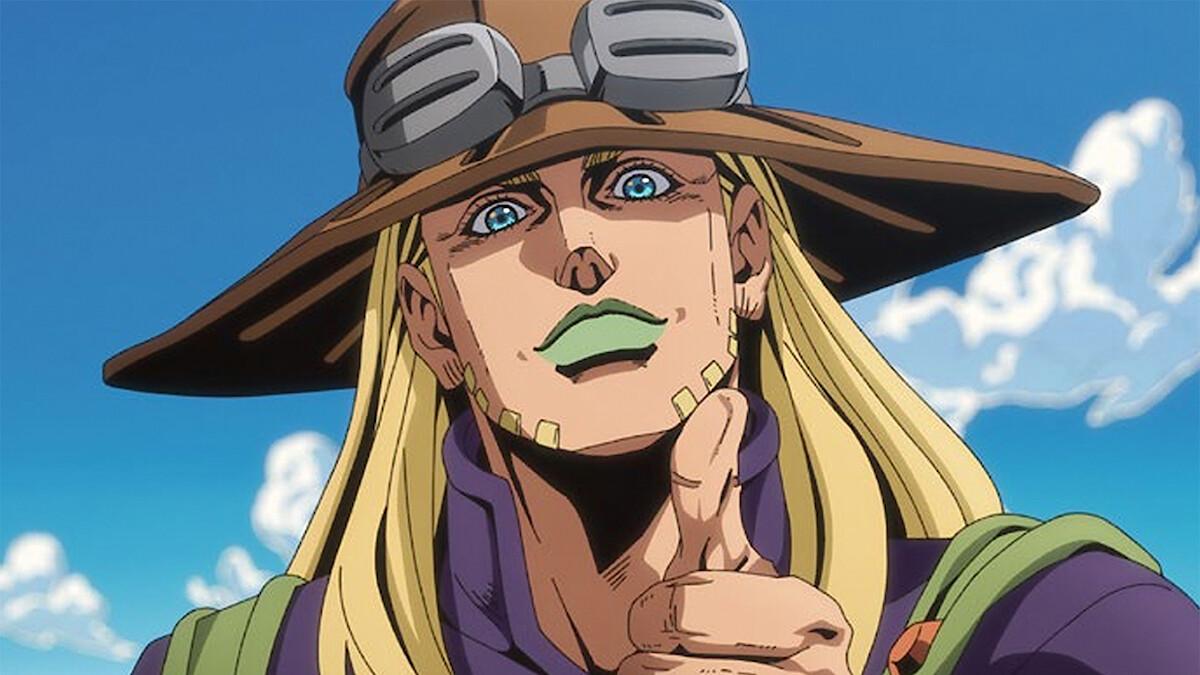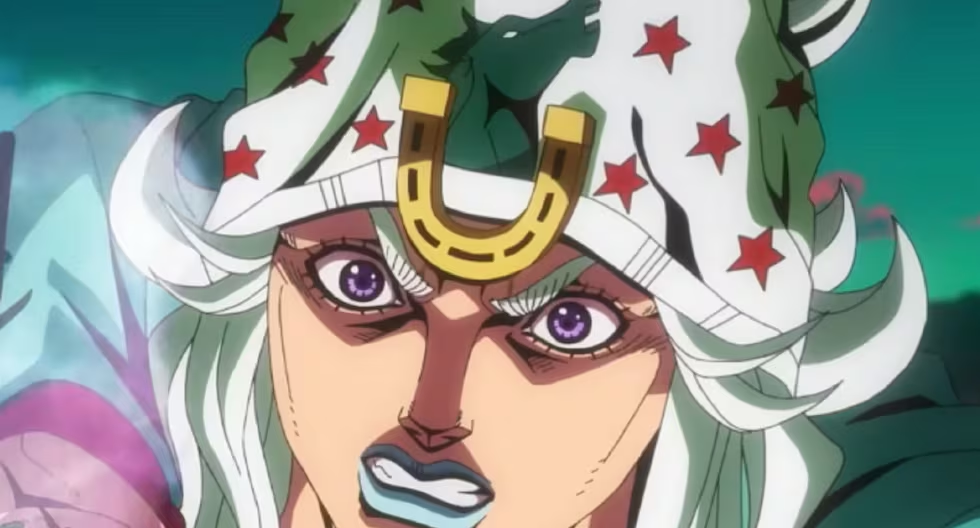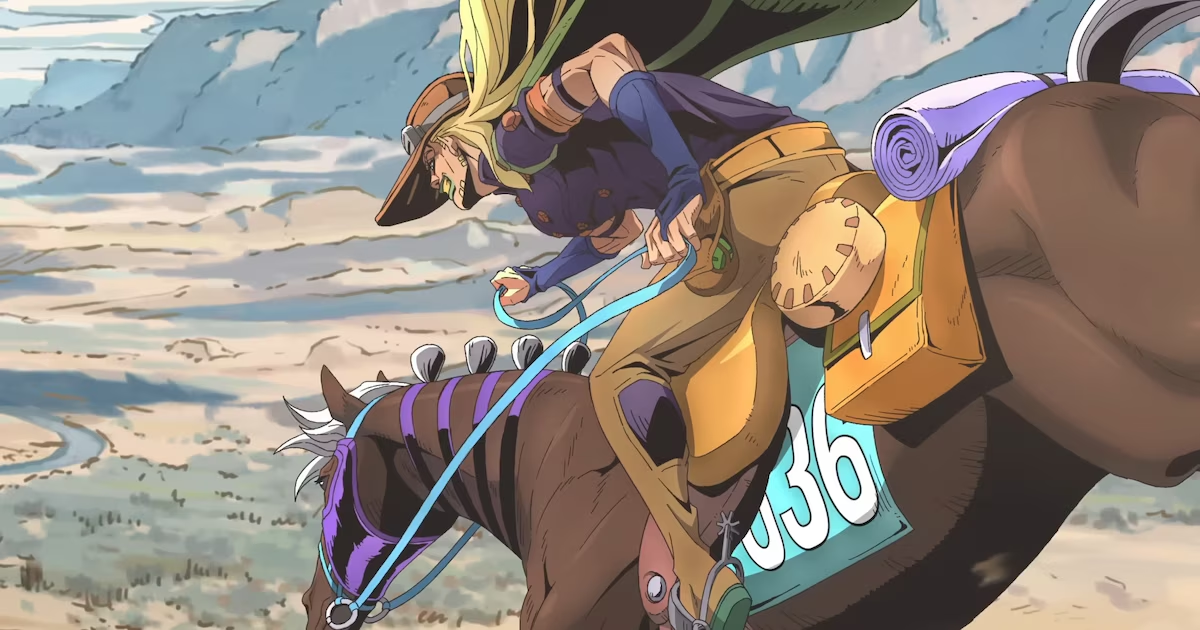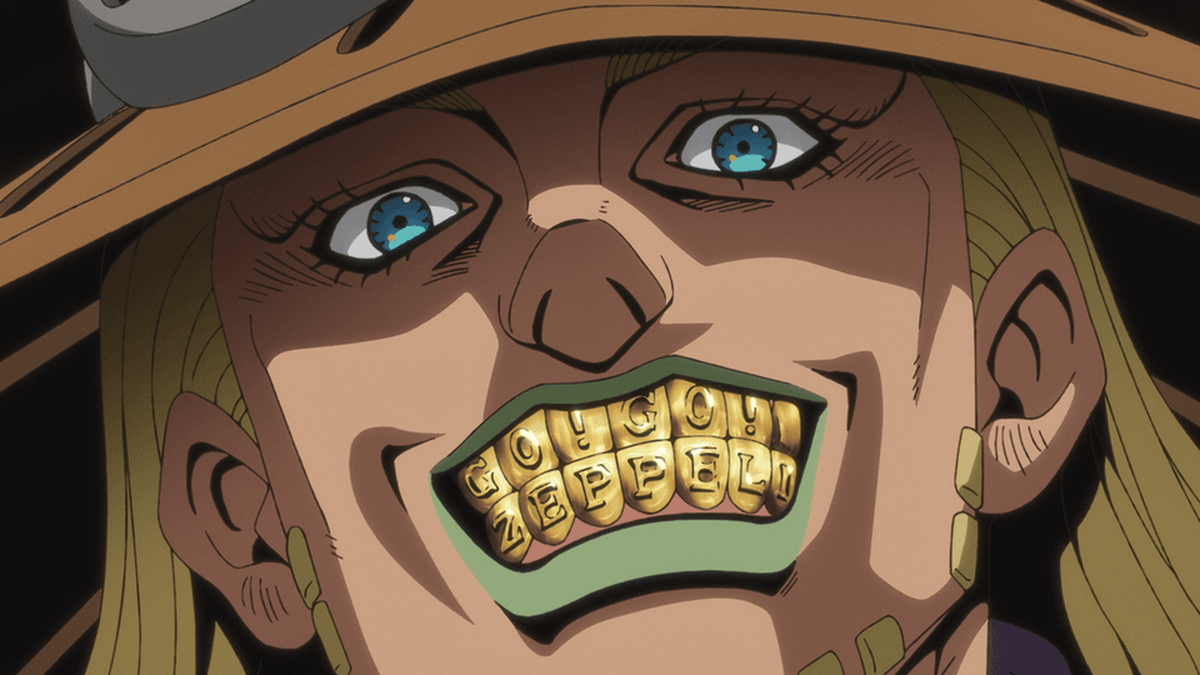
The gayest anime ever made has saddled up again, back with such swaggering authority — on horseback, draped in couture, grinning through gold teeth, and spinning the most beautiful balls put to screen — that even the idea of a “return to form” feels astonishingly insufficient. Four years after its predecessor Stone Ocean closed the long, looping book on the original Joestar bloodline on Netflix, Part 7 of the beloved Jojo’s Bizarre Adventure titled Steel Ball Run rides in like new gospel for its legions of zealous emissaries, as a soft franchise-reboot that carries the DNA of its storied legacy in its bones and the confidence of spending nearly twenty years being hailed as one the greatest manga ever written.The early hysteria around its premiere — including the internet’s immediate convulsions as it knocked Frieren off its comfortably cushioned throne on MyAnimeList within hours of release — comes with a strange sense of inevitability once you actually watch it. Because this is what Araki has always been building toward — a version of JJBA that feels complete in its craft and yet completely unbound in its imagination. There is still nobody working in anime or manga who thinks like Hirohiko Araki, and there is still nothing that looks, moves, feels or metabolises absurdity into form the way JJBA does. Steel Ball Run is the culmination of those accumulated joys fans have spent years cultivating through Araki’s sacred texts.‘Steel Ball Run: JoJo’s Bizarre Adventure’ Stage 2 gets September release dateSteel Ball Run: Jojo’s Bizarre Adventure (Japanese)Director: Toshiyuki KatoCast: Shogo Sakata, Yōhei Azakami, Kenta Miyake, Kaito Ishikawa, Masaaki Mizunaka, Kenichirou MatsudaEpisodes: 1 of TBDRuntime: 47 minutesStoryline: Set in the United States in 1890, a paraplegic ex-jockey, and a master in a mystic art compete with a vast number of others in the Steel Ball Run: a mad-dash across America for a grand prize of 50 million dollarsFor anyone stepping into this world for the first time, JoJo’s Bizarre Adventure is best understood as a multi-generational saga centred around the Joestar family, shifting protagonists and settings while maintaining a throughline anchored in the family’s persistent entanglement with supernatural forces. It begins in 19th-century England, and expands into globe-spanning adventures that mutate into something far stranger with the introduction of Stands — psychic manifestations of one’s spirit that transform combat into a series of increasingly elaborate and absurd puzzles. Through all of this, Araki’s art evolves in tandem, moving from heavily muscled figures inspired by ‘80s body culture to elongated, androgynous forms that draw directly from fashion illustration, classical sculpture, and editorial photography; a sensibility that has led to his work even being exhibited at the Louvre. Steel Ball Run resets the board entirely, relocating the story to an alternate 1890s America around a massive cross-country horse race from San Diego to New York, where competitors battle across the country for a grand prize of $50 million.
‘Steel Ball Run: Jojo’s Bizarre Adventure’ premiere review: Campy cowboy mythmaking kicks off the greatest race in anime history
‘Steel Ball Run: Jojo’s Bizarre Adventure’ premiere review: Few anime make the medium feel as embarrassingly underdressed as ‘Jojo’s Bizarre Adventure’, and ‘Steel Ball Run’ begins this bizarre new Western leg in Hirohiko Araki’s beloved saga like it’s already several moves ahead
1,410 words~6 min read