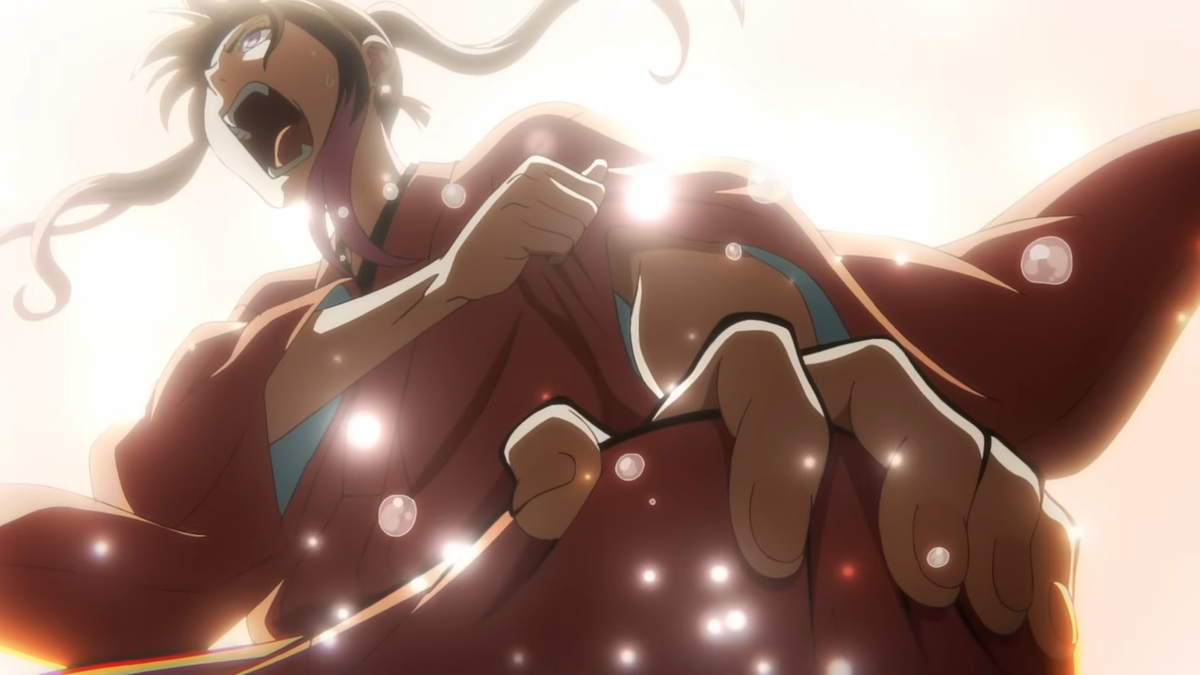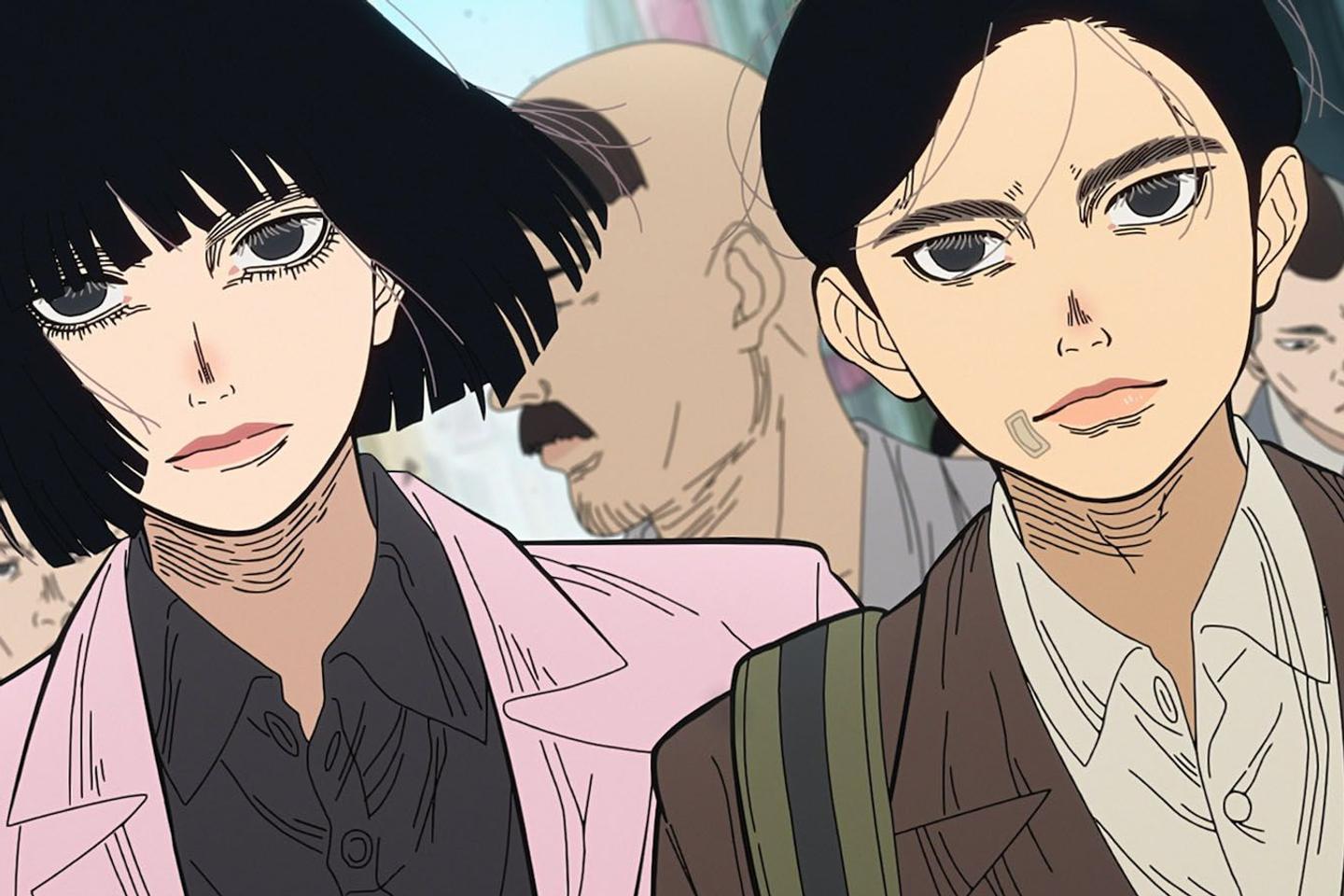
Few anime have benefited more from word of mouth in 2026 than Nippon Sangoku. Though it may not have possessed the ubiquity of populist picks like Jujutsu Kaisen, Frieren or even fresh contenders like Witch Hat Atelier, if you happened to spend any time around your resident annoying weeb (a fate that has befallen most of my friends) during the Spring 2026 anime season, chances are you’ve already been subjected to a recommendation. Despite being buried on Prime Video, the anime has steadily established itself as one of the most acclaimed shows of the season and a genuine Anime of the Year contender. Every week of its 12-episode run seemed to recruit a fresh batch of evangelists saddled with the same impossible assignment: How do I convince my friends that a series about agricultural reform is one of the best anime of the year? Adapted by Studio Kafka from Ikka Matsuki’s acclaimed manga, Nippon Sangoku opens in a post-apocalyptic Japan already hollowed out by decades of cascading crises. By the end of the Reiwa era, global nuclear conflict had triggered a mass refugee influx, a deadly pandemic swept through the country, and a devastating earthquake compounded the damage, while an increasingly corrupt and ineffective government responded with crushing taxation that pushed much of the population into famine. The resulting proletariat uprising eventually toppled the state, leaving Japan reduced to a tenth of its former population and stripped of much of its technological progress. A century later, the country has regressed to a quasi-Meiji existence divided between three successor kingdoms called Yamato, Buo and Seii. Nippon Sangoku (Japanese)Director: Kazuaki TerasawaCast: Kenshō Ono, Jun Fukuyama, Takashi Nagasako, Kazuhiro Yamaji, Minami Tsuda, Kenyu Horiuchi, Yuichi NakamuraEpisodes: 12Runtime: 25 minutesStoryline: A fractured future Japan, divided into three rival nations after a catastrophic collapse, becomes the stage for an epic struggle over power, legitimacy and unificationThe premiere follows Aoteru Misumi, a young, unassuming agricultural officer whose life is shattered when his wife Saki is executed by corrupt state officials. Faced with a tragedy that would send most protagonists charging headlong into Hamletian quest for vengeance, Misumi commits the deeply unfashionable act of becoming interested in governance, using his wife’s murder as the catalyst for his political awakening and proceeding to have Saki’s killer professionally, legally and impeccably beheaded. The narrative choice sounds considerably less radical than it actually is because contemporary popular fiction has been fascinated by interrogating power while displaying a near-pathological disinterest in administration. Everybody wants to overthrow the regime — nobody wants to discuss taxation or food distribution. We have been conditioned to view politics through the perspective of exceptional individuals while relegating institutions into obscurity, and Nippon Sangoku operates opposite to that logic. Matsuki drags attention away from charismatic leaders and toward the machinery beneath them. Who grows the food? Who collects the taxes? Who controls the flow of information? Who profits when systems break? Matsuki approaches these questions entirely convinced that public administration constitutes the most underrated source of dramatic tension in fiction.
‘Nippon Sangoku’ series review: A Song of Rice and Fire
Ikka Matsuki’s post-apocalyptic political epic makes an unexpectedly persuasive case that bureaucracy might be cooler than battle shonen, delivering one of 2026’s sharpest and most distinctive anime
1,348 words~6 min read