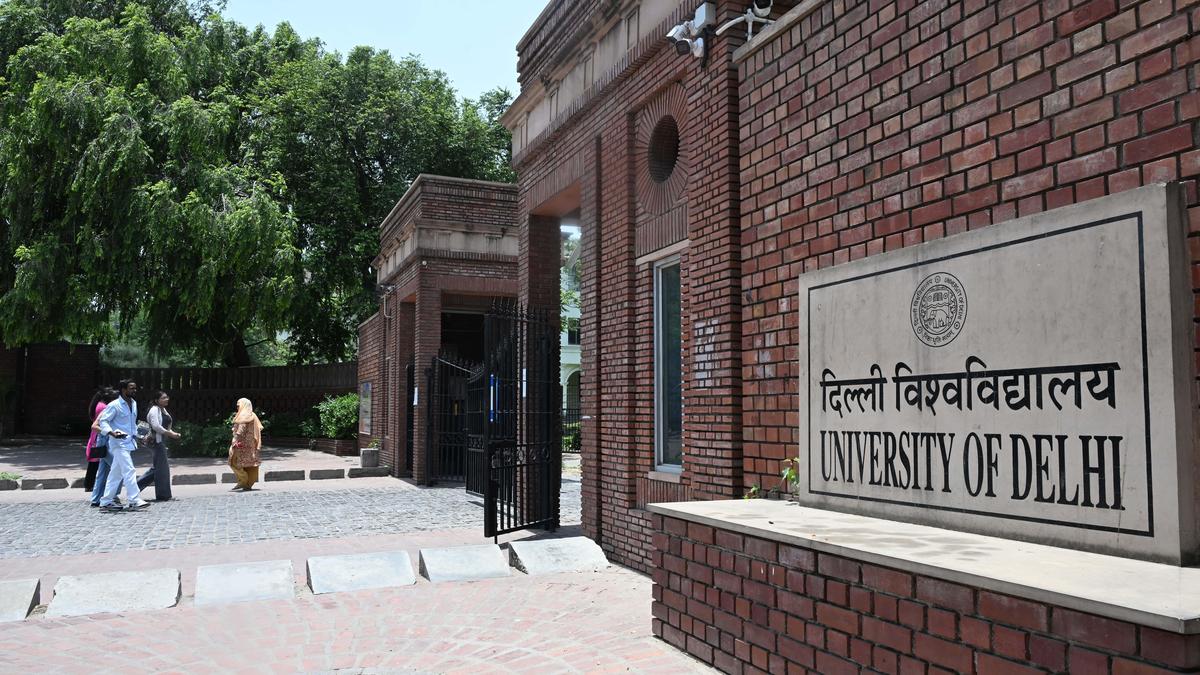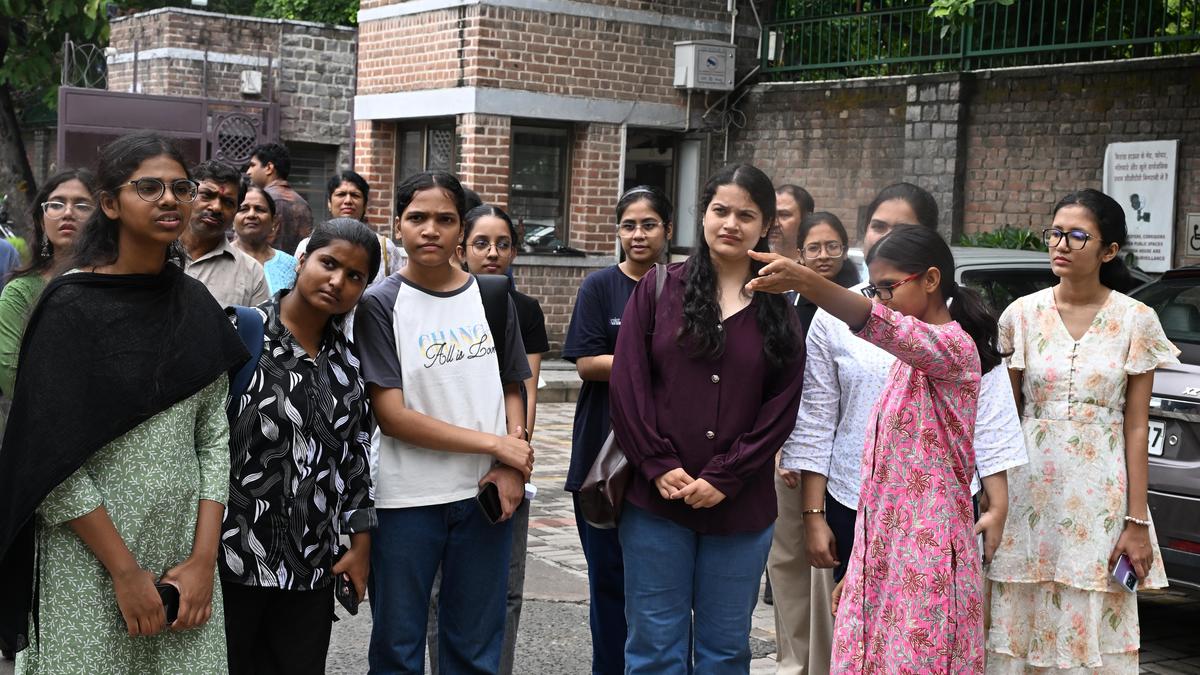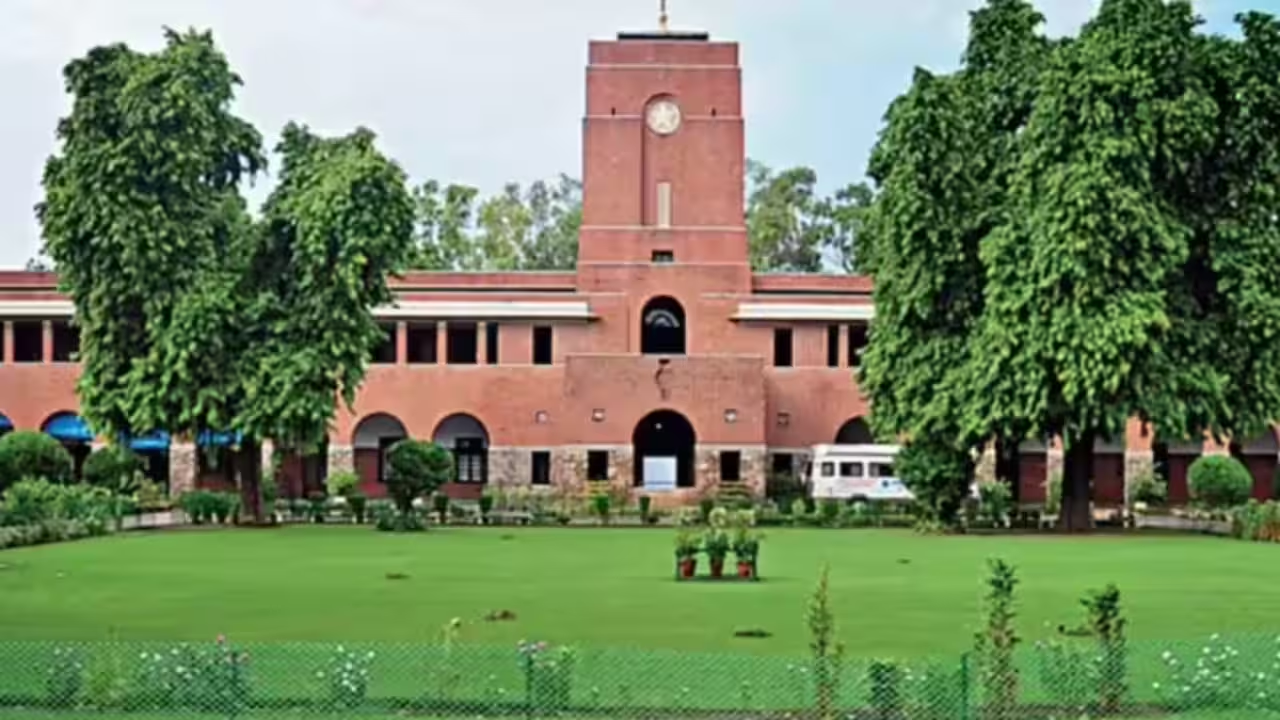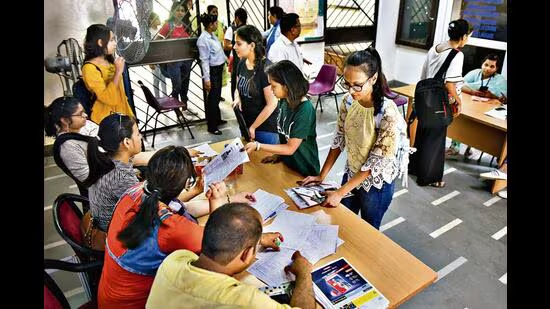
With Phase II of Delhi University’s Common Seat Allocation System (CSAS) for undergraduate admissions underway from July 3, aspirants are finalising their college and course preferences before the July 11 deadline. While the admission process is largely online, many students applying from outside Delhi say distance adds another layer of challenges — from resolving admission queries and verifying information to planning accommodation and managing travel costs.Phase II of Delhi University’s Common Seat Allocation System (CSAS) for undergraduate admissions began onJuly 3.For Aditya Raj, an aspirant from Jharkhand, distance has made every small query feel like a major hurdle. “There are always doubts that arise during the documentation process and every time I have a doubt, I wish I could simply walk into the admissions help desk and get it sorted. Instead, I’ve been calling the helpline, where they usually ask me to send an email. I’ve written several mails but haven’t heard back, so in the end, you just trust what you know, ask friends and hope you’re filling everything correctly before hitting submit not knowing if it will come back to bite you later.”Then there are the hidden costs that rarely get talked about. “I’m from Assam, and I’ve already travelled to Delhi twice during the admission process. The first time was to visit a few colleges and understand the campus, and the second was because I had some admission-related queries that were difficult to sort out remotely. Every trip means spending a significant amount on flights, accommodation and local travel, so it isn’t easy. I know many things can be done online, but sometimes you just feel more confident after speaking to someone in person. ”And even before a seat is confirmed, some students are already worrying about life after admission. “I’m from Himachal Pradesh, and while everyone is talking about getting into a good college, I’m constantly thinking about accommodation,” says Himani Prajapati from Bhiwani , Haryana, “Hostel seats are so limited and first-come first serve which makes it easier for the local students to occupy. Some seniors have already told me to start looking for PGs. But searching online without being in Delhi is scary as you don’t know which listings are genuine, and some owners even ask for advance payments. I just don’t want to land in a new city without knowing where I’ll stay.”For Priyanka Tejeswini Jati from Bhubaneswar, Odisha, the biggest challenge has been filtering information. “I don’t know anyone who’s studied at Delhi University, so understanding the admission process has been stressful. Social media is flooded with videos, reels and advice, but everyone seems to be saying something different. So verifying the info gets stressful and time consuming. But thankfully, I somehow connected to a senior student at the University. They added me to a WhatsApp group in which one can ask all queries which has helped the process now,”What DU saysProf Haneet Gandhi, Dean of Admissions, DU, tells us, “We’ve ensured that the university is accessible to everyone throughout the admission process. Students can seek help through 8–10 helpline numbers, a dedicated email service where queries are answered within 24 hours, and a chatbot that provides instant assistance. We encourage students to make full use of these facilities rather than worry if they can’t visit the campus in person.”
DU Admissions 2026: Outstation aspirants face added hurdles
With Phase II of Delhi University’s Common Seat Allocation System (CSAS) for undergraduate admissions underway since July 3, the admission season is now in full swing. While the process is largely online, many outstation aspirants say navigating it from hundreds of kilometres away comes with its own set of challenges.
548 words~2 min read