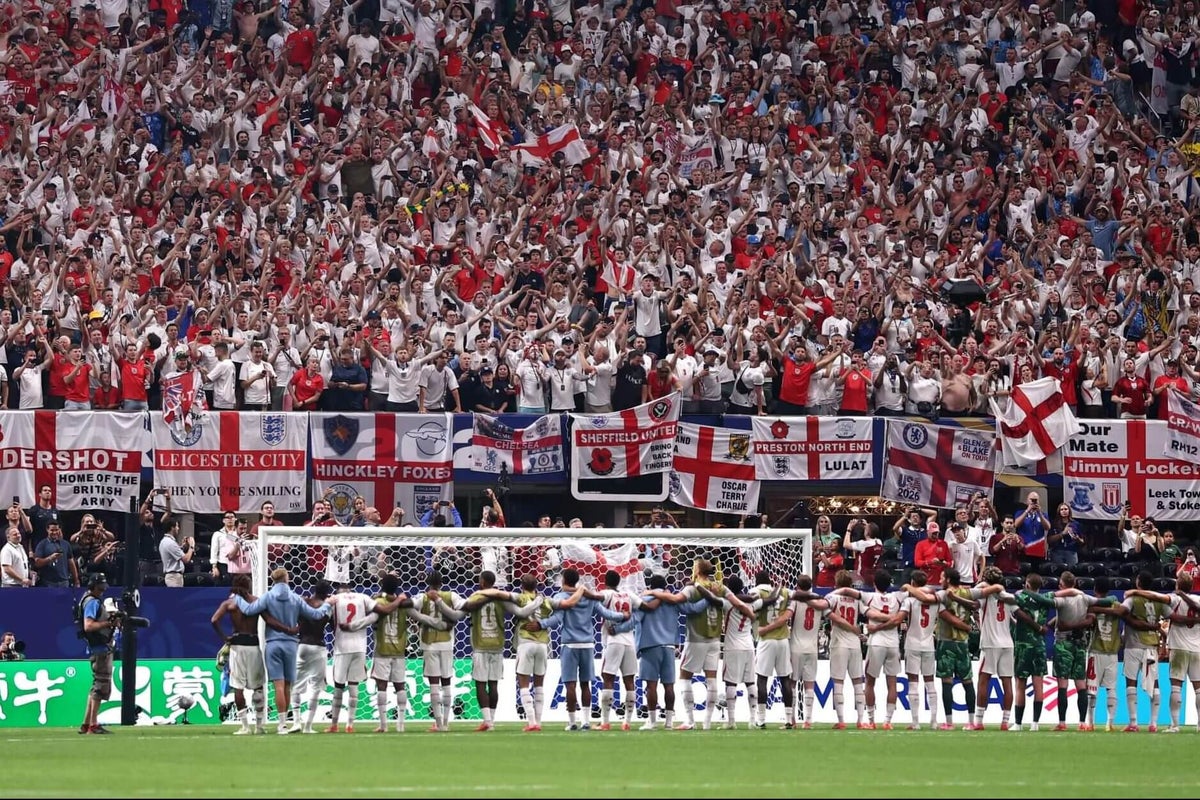
We’re not very good about ceremony in England. While our European neighbours throw parades and parties for saints’ days, and Americans seize every opportunity for patriotism and pageantry, we find sincere celebration uncomfortable. Apart from Guy Fawkes Night, anytime we do indulge – street parties, jubilees, village fetes or May Day – events become excessively twee, hijacked by politics, or feel simply too cringe to involve yourself in. Unlike Celtic countries, most of England has not been raised on folk music, close community ties and a shared feeling of ancestral belonging.
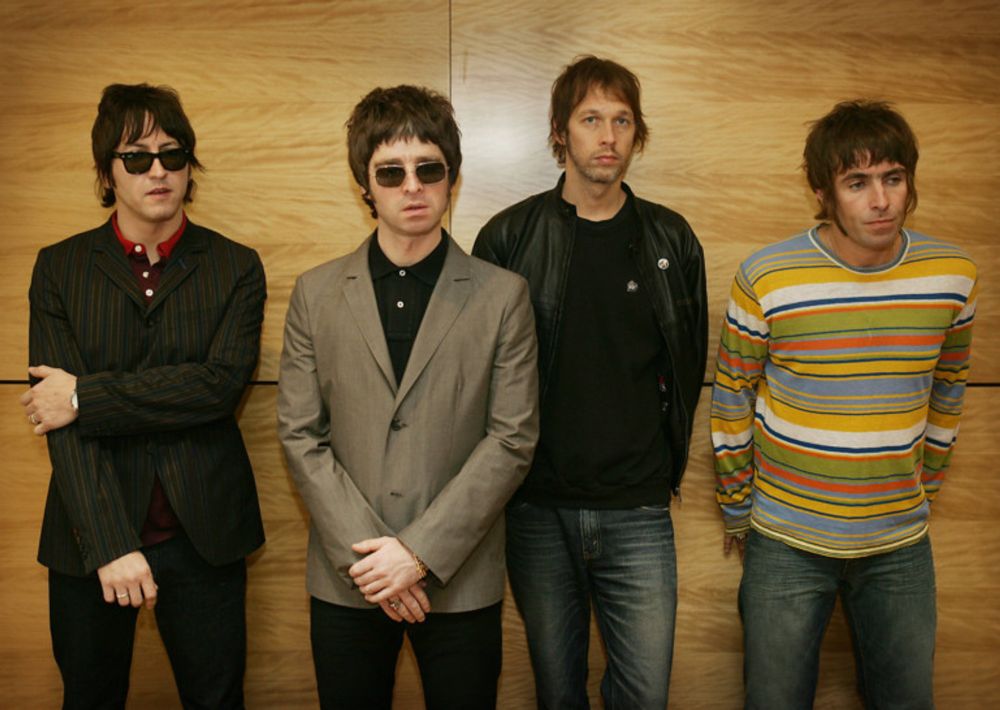
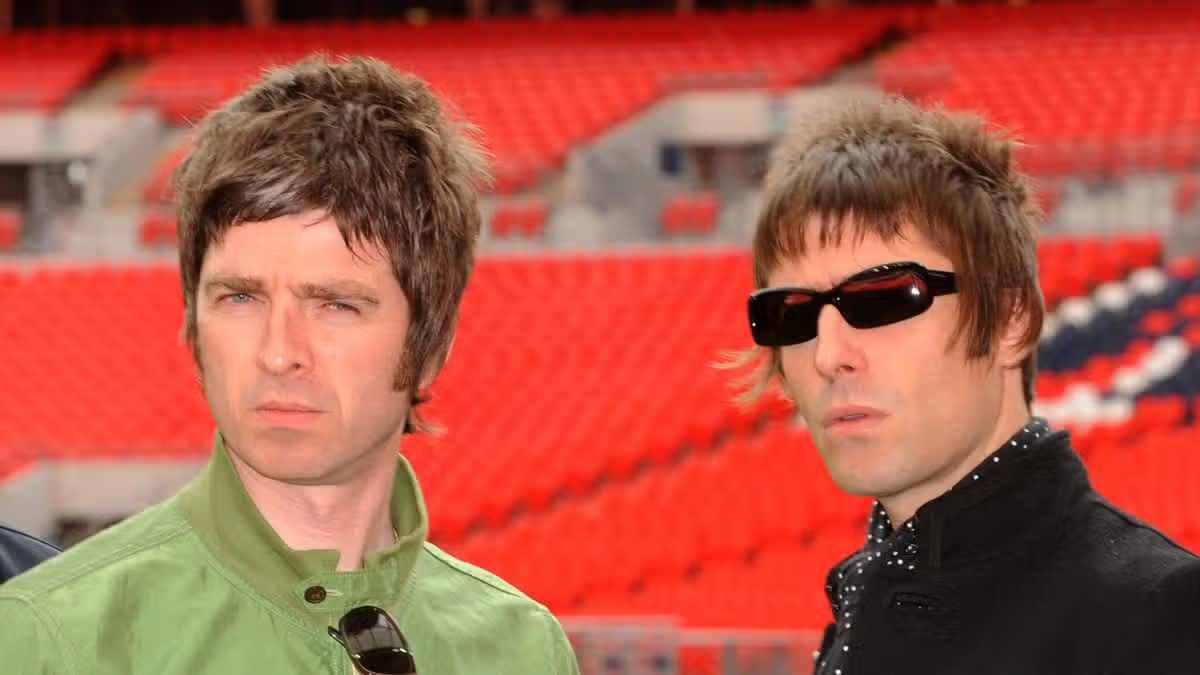
But, standing in a bucket hat at Wembley watching the Oasis reunion tour last year, it struck me how many people use their music as folk song substitutes. Oasis is simple music – about love, longing, regret, aspiration, and hope – all memorable and easy to sing along to, and with lyrics ambiguous enough to allow us to project onto them our own memories and emotions.
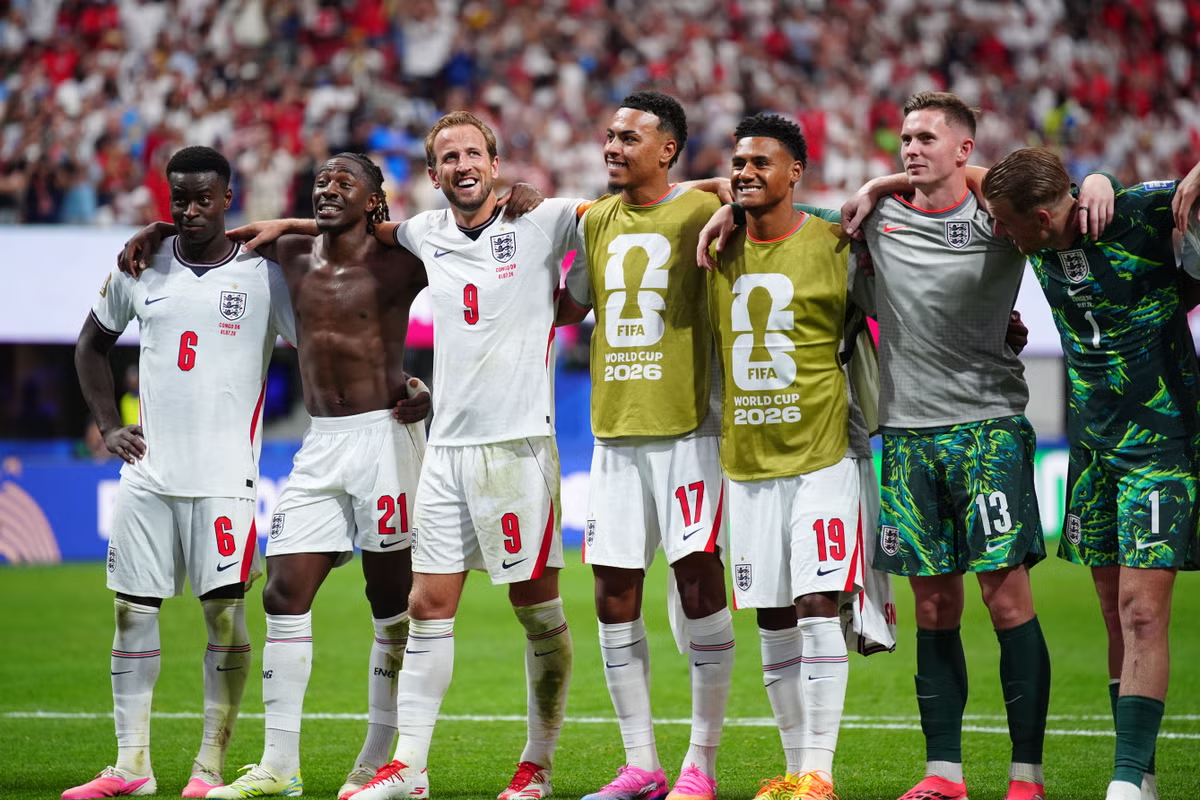
Now, more than ever, their music conjures a feeling of melancholy and nostalgia that is so powerful when shared that it becomes a kind of joy. So I’m not remotely surprised “Wonderwall” has become a World Cup anthem for the England team this summer. I’m only surprised, given its last-orders, lights-up ubiquity, that it’s taken 31 years.