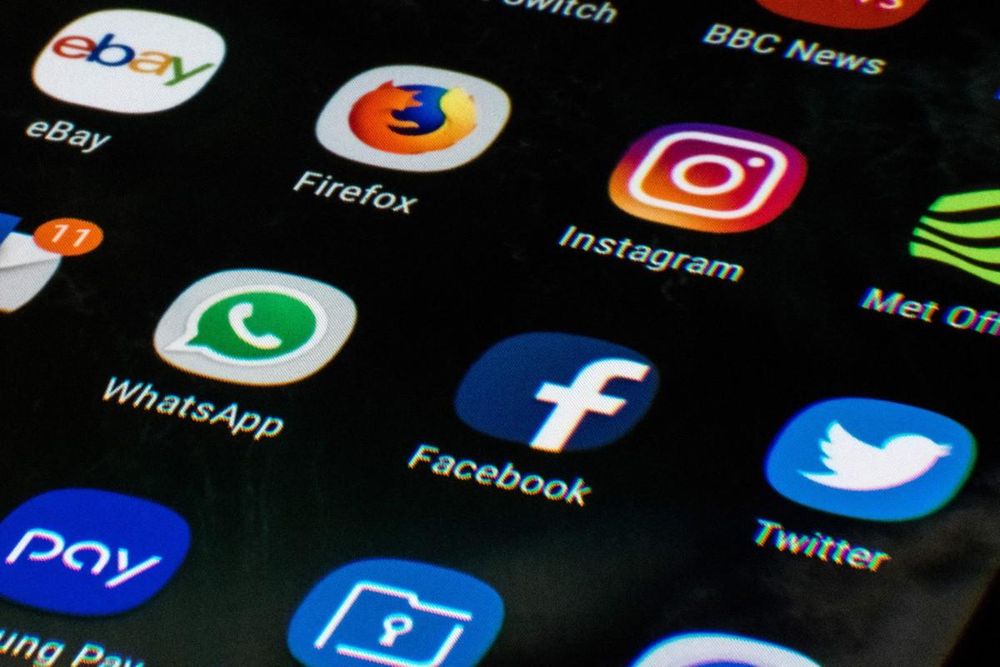
The evolving media landscape, driven by new tech platforms, has reshaped cultural consumption and fostered international cooperation, the writer says. Platforms like TikTok, Instagram, YouTube, Snapchat, Facebook, and emerging social commerce platforms create a decentralised space that appeals to younger audiences.
The town of Lhasa in Xizang, formerly Tibet, was host to the 2nd International Communication Conference exploring the collaborative utilisation of platform matrices in international cross-cultural and development communication and cooperation.
The conference was co-hosted by the Academy of Contemporary China and World Studies, the Publicity Department of the Xizang Autonomous Region of the Chinese Communist Party, and multiple other institutions.
About 300 international media practitioners, think tanks, scholars, and communication experts from across the globe gathered to reflect on ways to build an inclusive and open global exchange platform on Xizang-related communication, shared development opportunities, and cultural exchanges.
Participants discussed the role of rapidly changing global media and international cooperation, focusing on the use of new media platforms and technologies in disrupting hegemonic single-story narratives often widely broadcast by biased Western media.