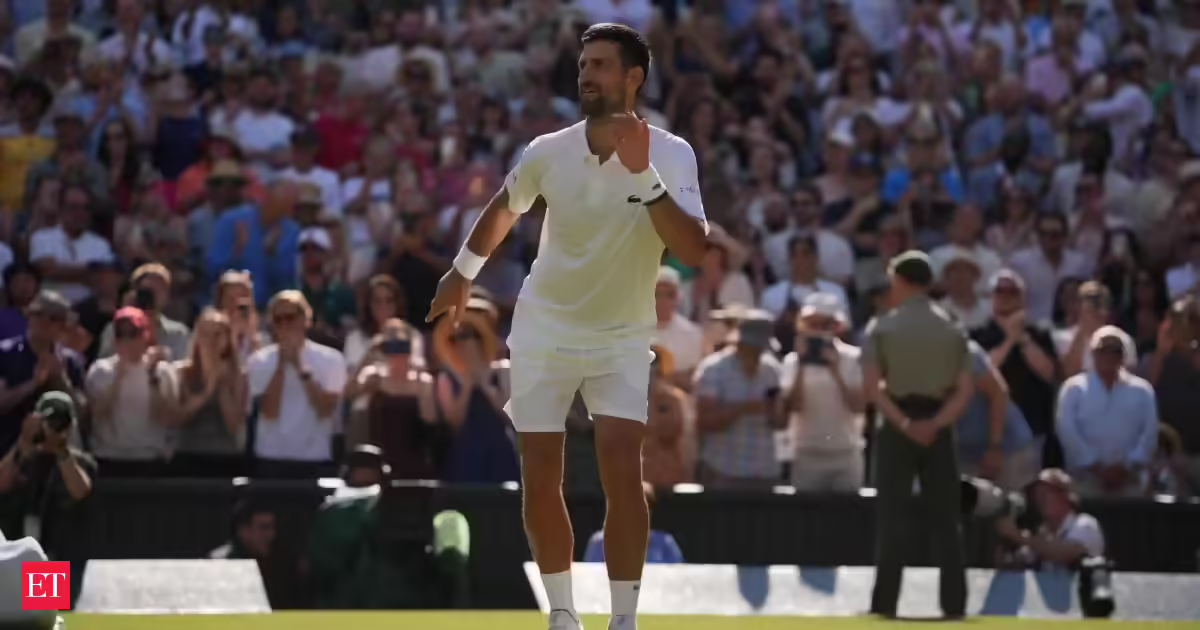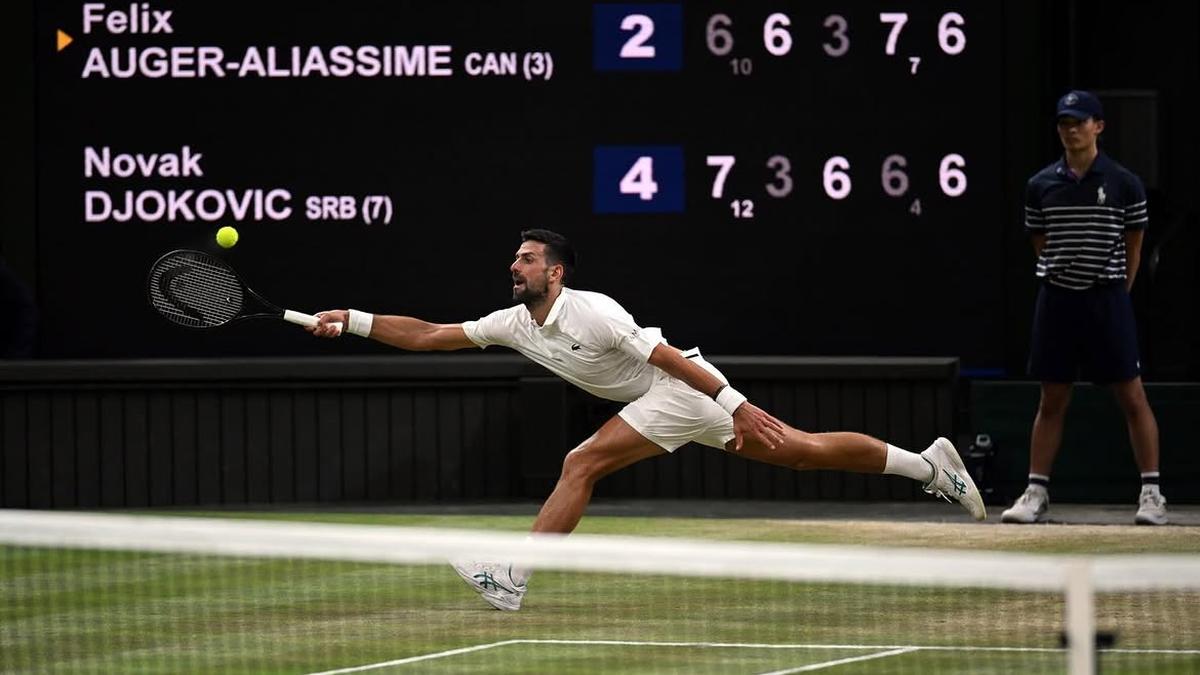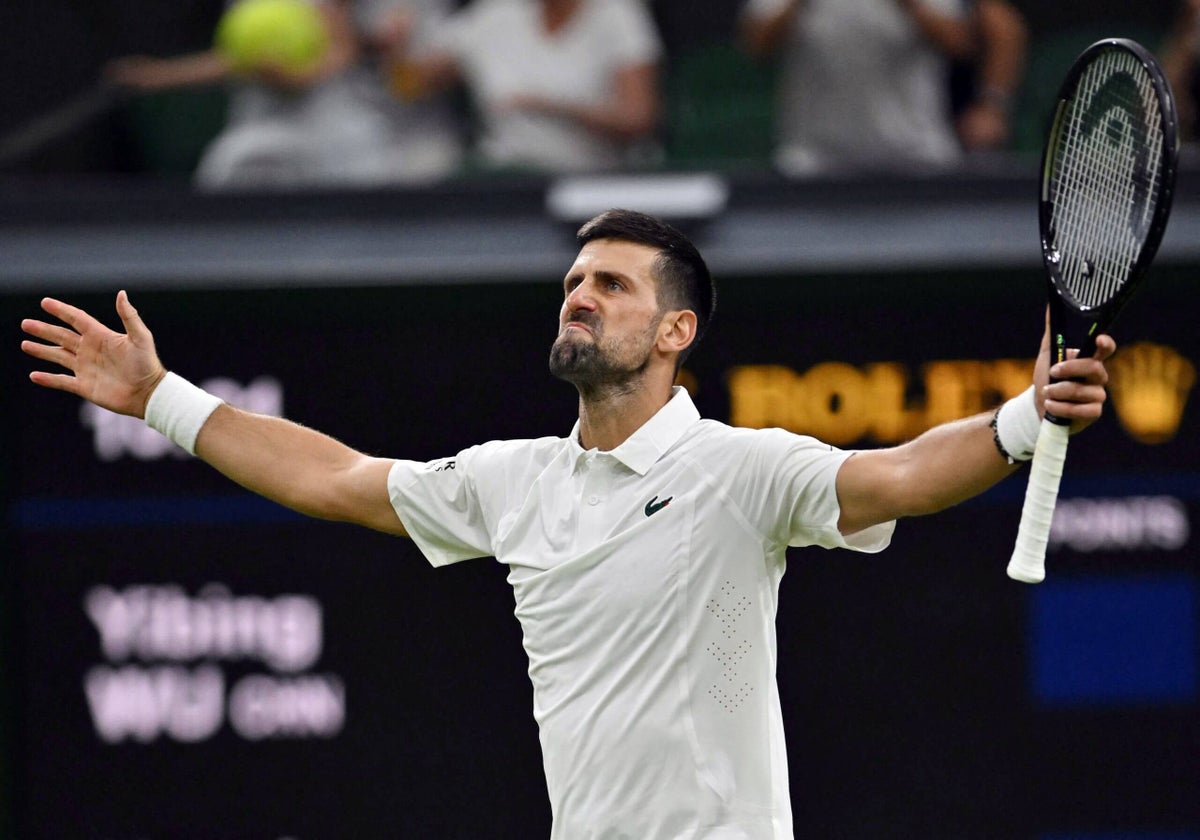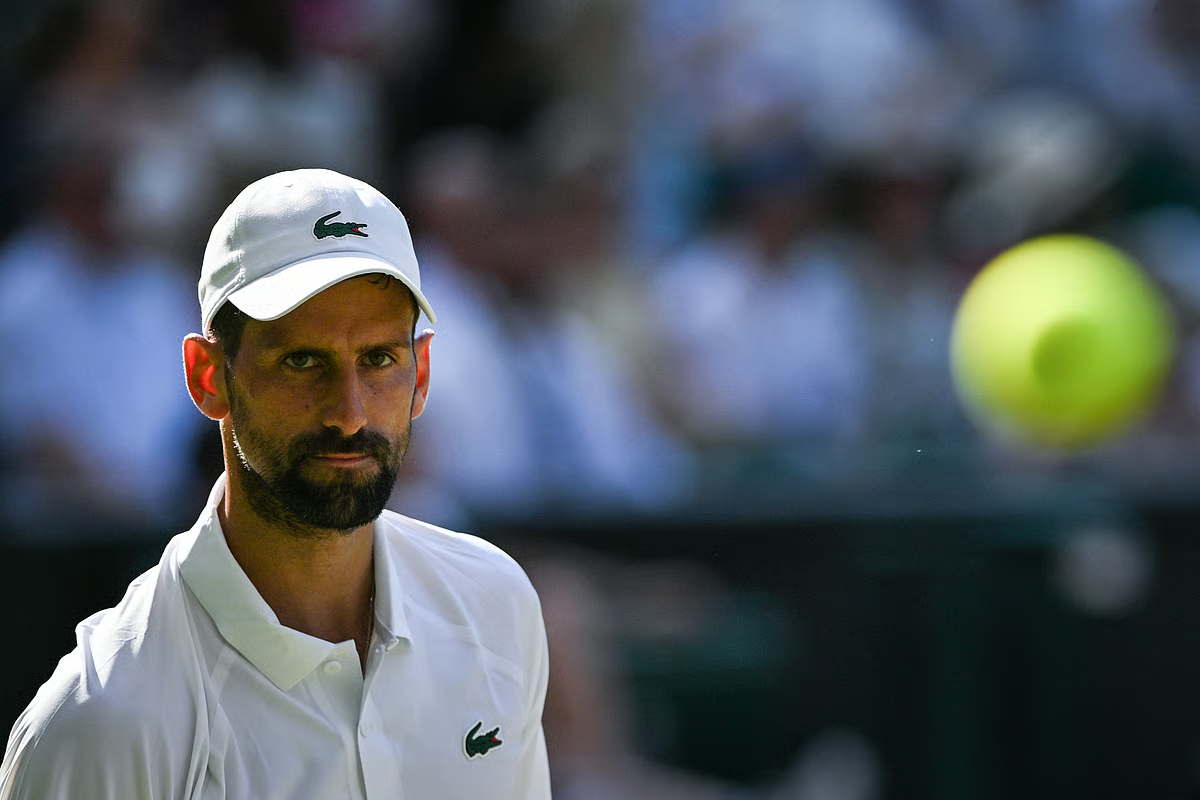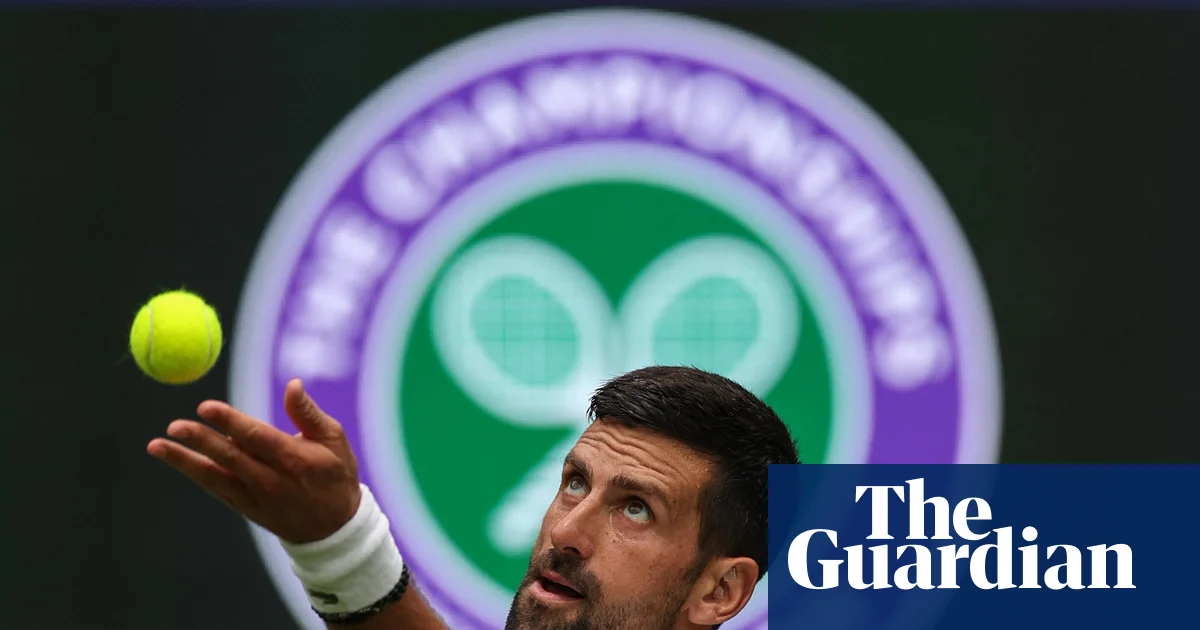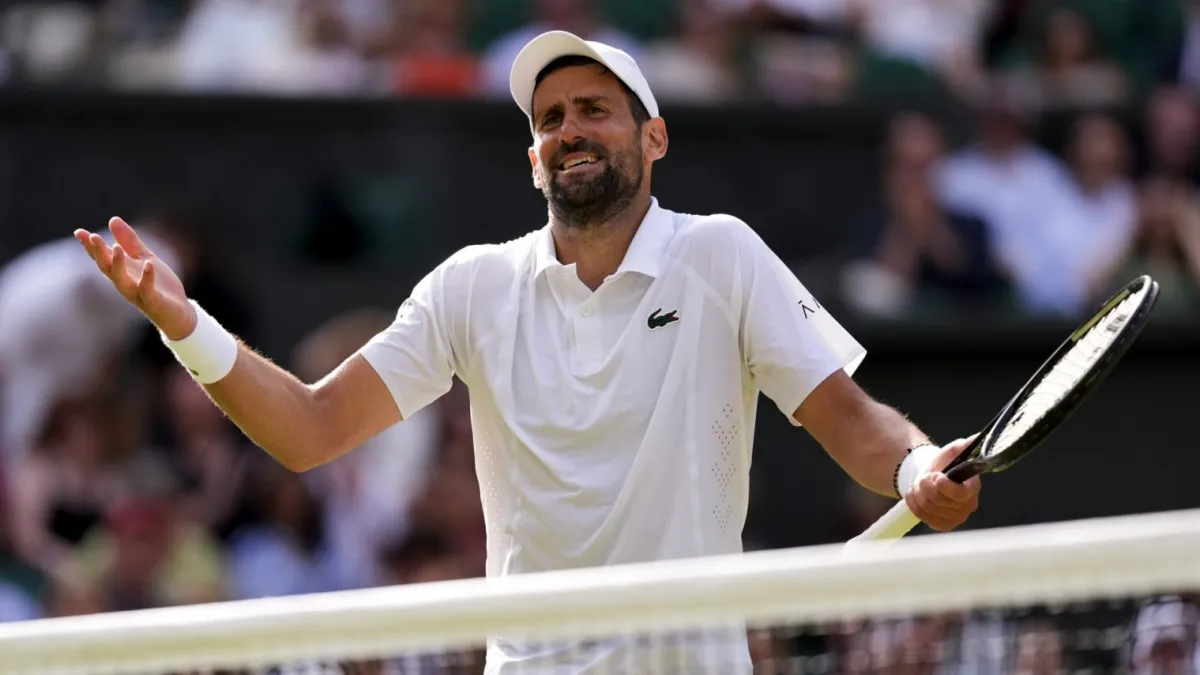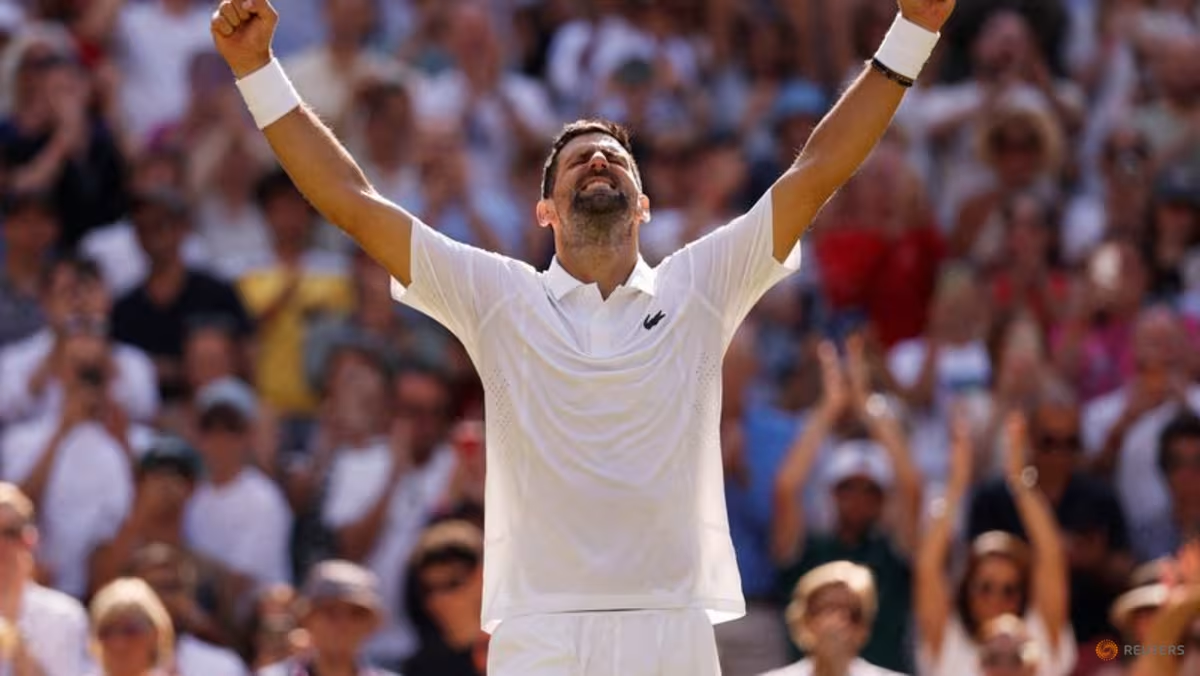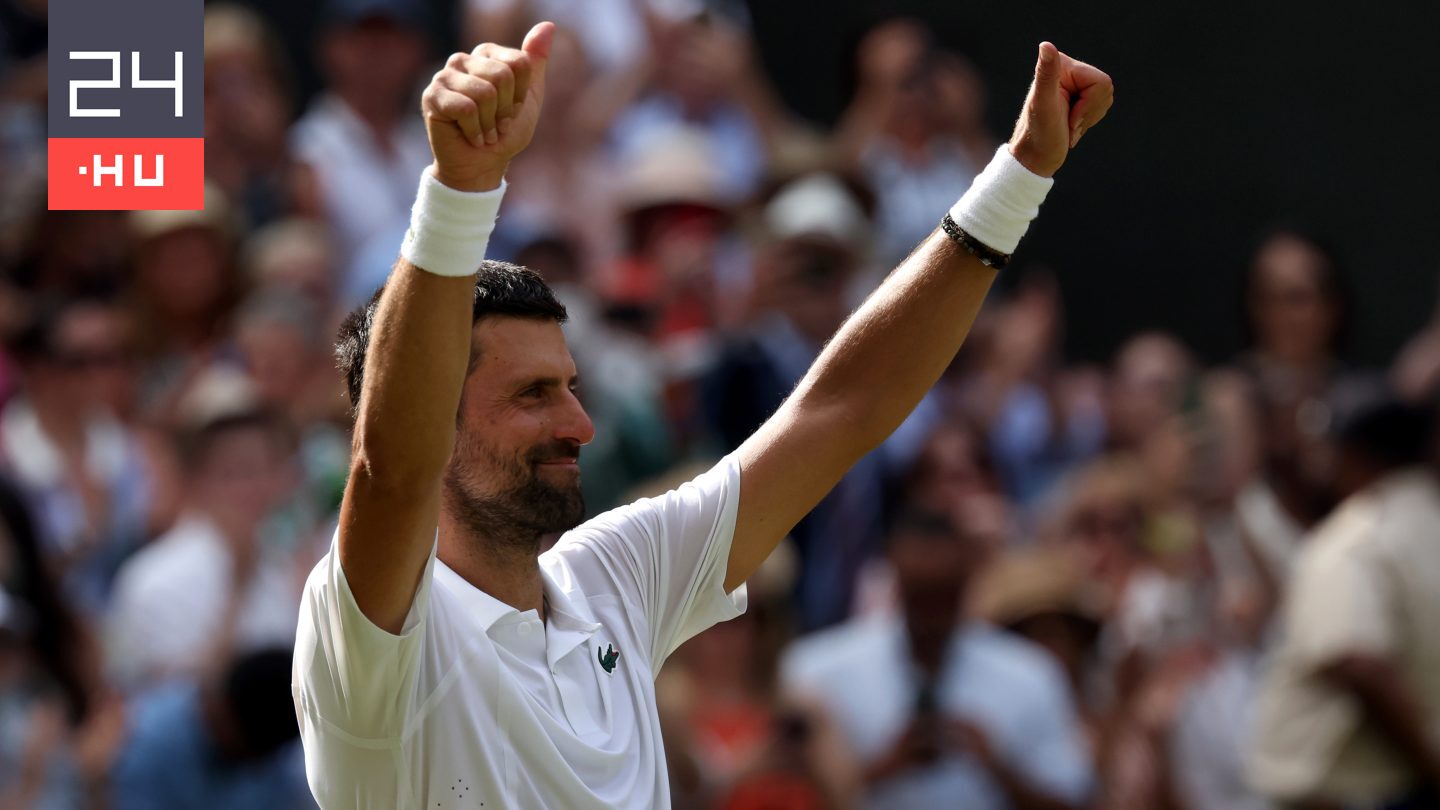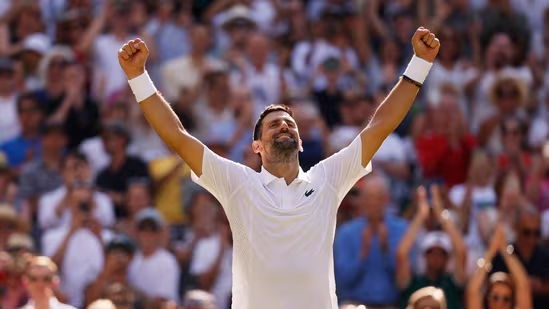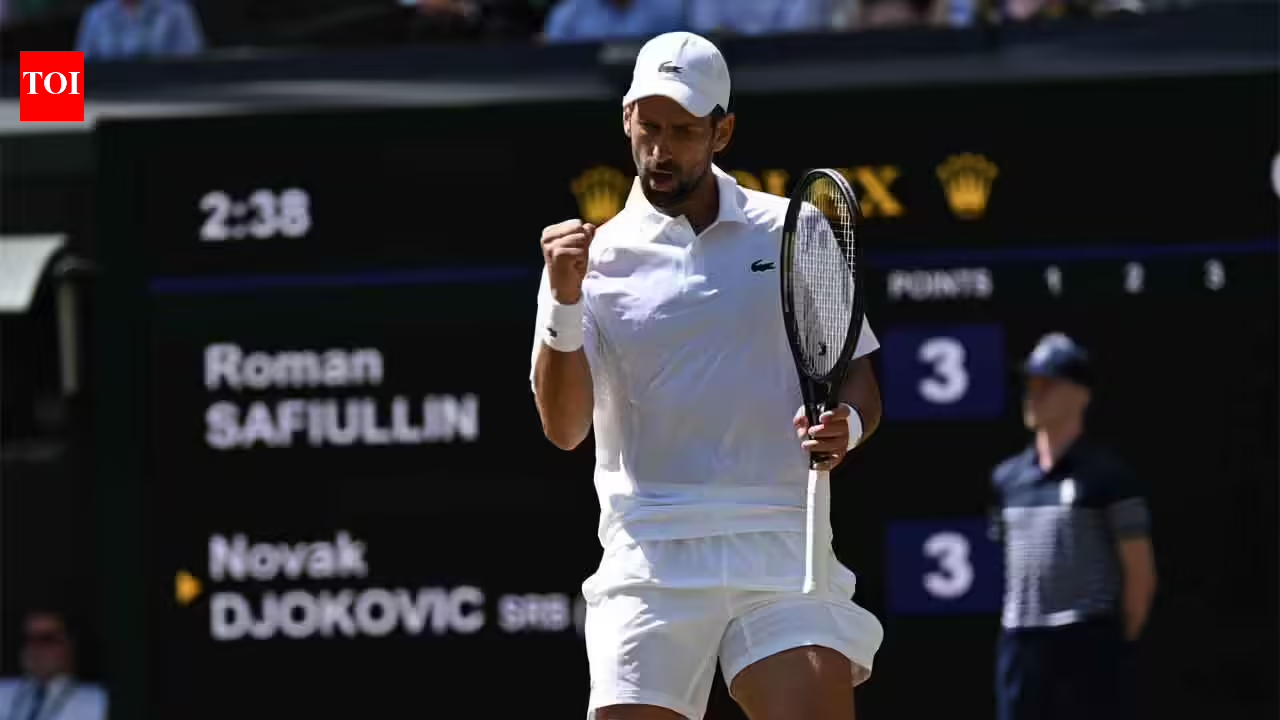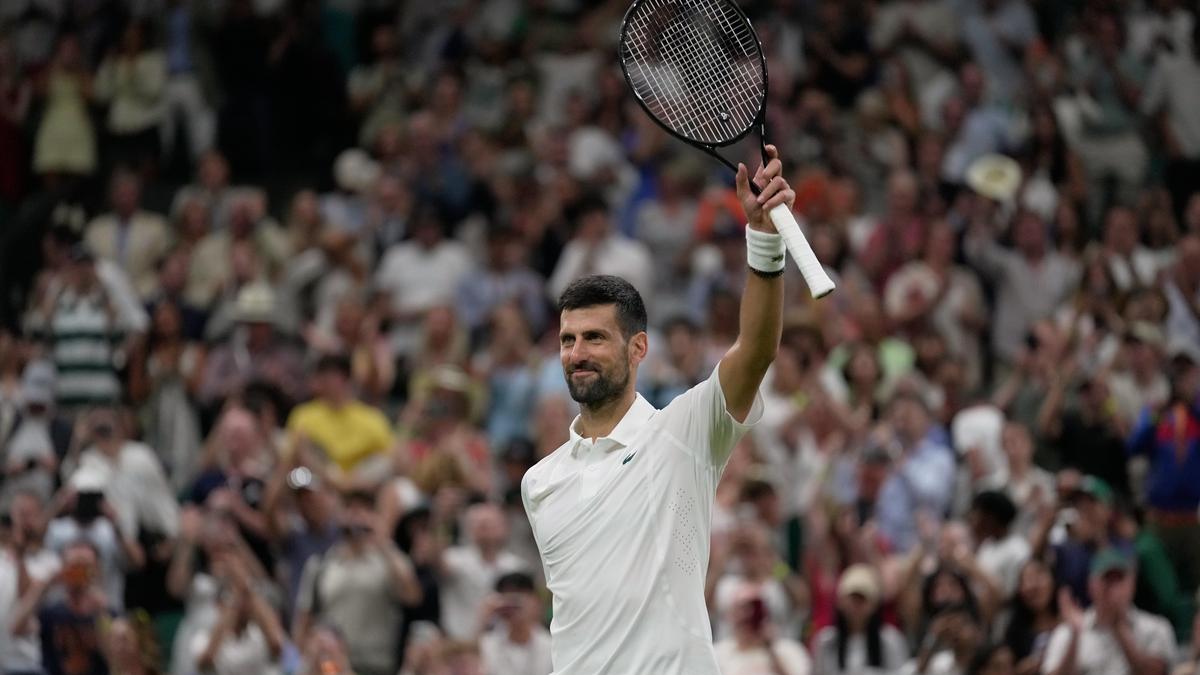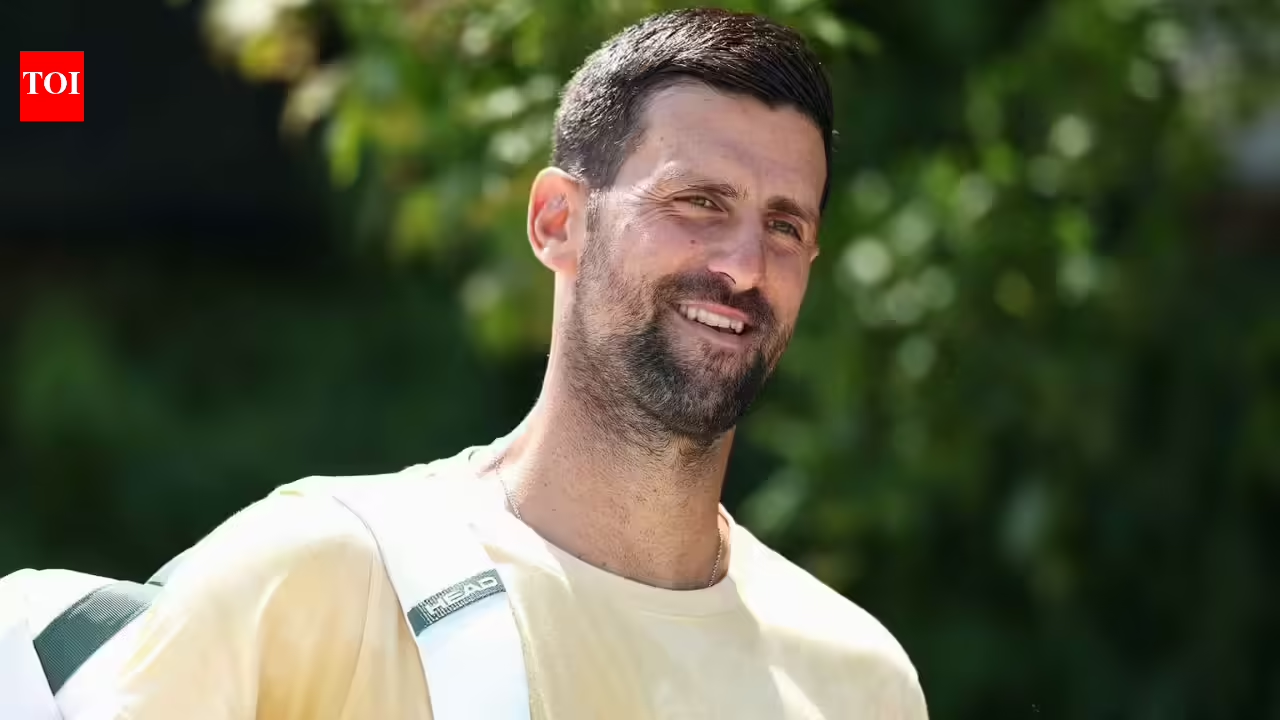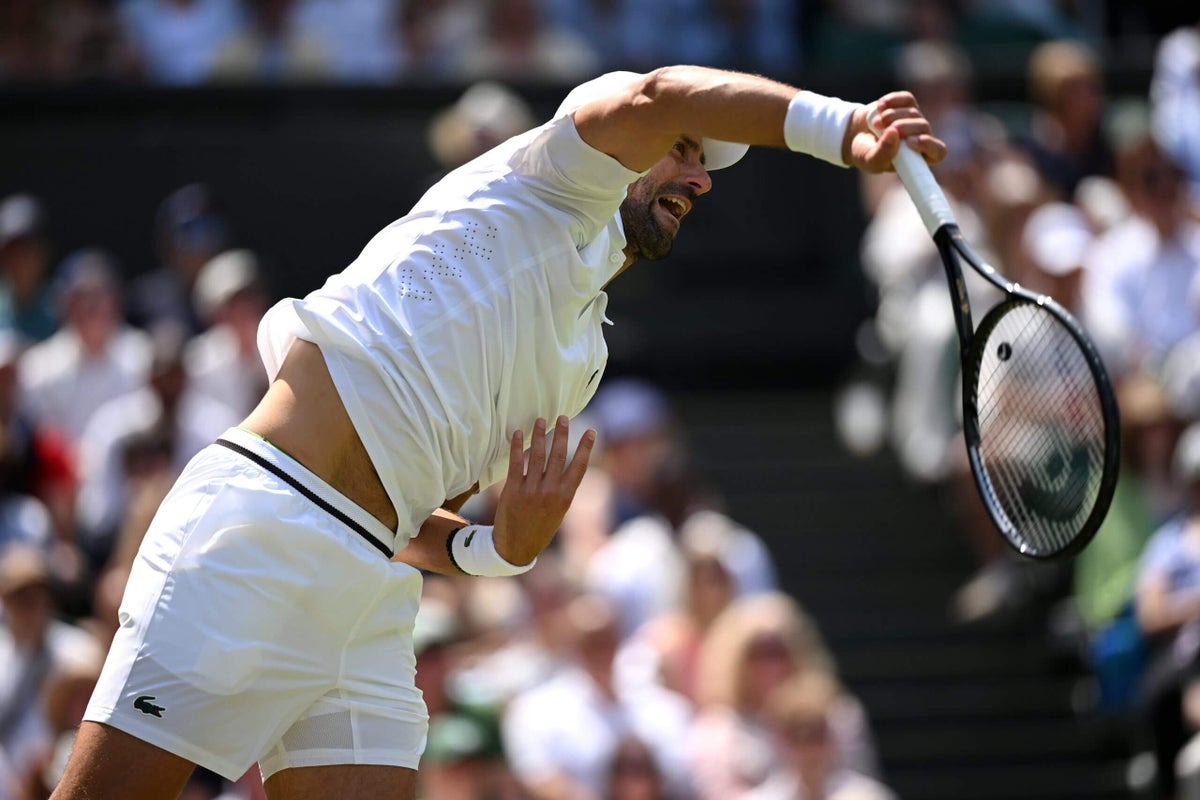
ALL ENGLAND CLUB, London — In the public imagination, Novak Djokovic has tended to be characterized as the greatest defensive player in the history of men’s tennis, and, along with Andre Agassi, as the best returner.His better-than-ever serve and greater aggressiveness in his game go a long way toward explaining why Djokovic has a chance of winning a record 25th Grand Slam title next week at Wimbledon, aged 39.Djokovic knows that as his fifth decade approaches, he can’t play like he did when he began his career in the mid-2000s, or even 10 years ago. Then, Djokovic had the skills to blow his opponents away, but could also grind them down if needed, knowing that his superior fitness and durability would more than likely win out.In the past couple of years, Djokovic has made no secret of his need to conserve energy, nor of his recognition that Carlos Alcaraz and Jannik Sinner, his two main rivals at the top of the sport, have partially demolished the concept of defense that does not immediately lead to offense.During his third-round win over the No. 25 seed Arthur Rinderknech at Wimbledon, he seemed to more or less give up on the third set once he was 4-0 down. At the French Open in May, Djokovic was furious with himself for losing the third set to France’s Valentin Royer, knowing it could cost him later in the tournament when he would need every ounce of energy. The memories of his previous Grand Slam, when his battery ran out in the Australian Open final against Alcaraz, loomed large.In Paris, Djokovic lost his very next match after beating Royer, going down in five sets to Brazil’s João Fonseca after being two sets up. It was only the second time in 303 matches that Djokovic had lost from that position.In Sunday’s fourth-round Wimbledon match, against 28-year-old Russian qualifier Roman Safiullin, expect Djokovic to go for quick kills.How does Hawkeye work in tennis?Tifo Sports“I think it is natural and logical and rational to be stepping into a court more and trying to take the ball early, take my chances,” Djokovic said in a news conference ahead of the French Open.“I’m not getting any younger, that’s for sure. The body is more challenging for me to handle in long matches. After long matches, to recover quickly, it’s not as fast as it used to be.“I know that that’s the kind of game plan, the desirable tactics, particularly in the big matches. It’s hard to always execute it. I have it in my mind. I know I’m not maybe a natural serve-and-volleyer, but I try to do that, as well.”Djokovic suggested that for much of his career, he had been almost a victim of his own success when playing more reactive tennis.“It’s just that I have such a confidence in my defense, and always have throughout my life. Then sometimes that plays against me, because I then need to run more than maybe I should and strain my body further,” he said.“But, yeah, it’s something I have been working on, as well. Short balls, trying to take early, and put pressure on the opponent.”During an interview in May, Christopher Eubanks, the former world No. 29 who has since become an analyst for ESPN and Tennis Channel, remembered previewing Djokovic’s Australian Open semifinal against world No. 1 Sinner in January, which Djokovic won in five sets. Eubanks had used Djokovic’s win over Alcaraz at the same tournament in 2025, in which he suffered a hamstring injury in the first set and was forced to play all-out, first-strike tennis to win in four, as a reference point.“When you’ve had a career that’s 20-odd years, people kind of remember your prime and what you did, and it’s just associated that with your entire game style,” Eubanks said. “But you can’t overlook the way that he’s been able to adapt his game over these recent years. Because we just expect him to win, we don’t really dig into the nuts and bolts as to why.“Novak, probably more than any other all-time great, has made some drastic changes to his game. Look at 2008, when he won the Australian Open. Forehand was a little bit shaky. The second serve at times was really shaky. Now, I think you can make an argument that he’s a top-two or top-three ballstriker in the history of the game, on both wings, forehand and backhand.“He’s made some changes to his game throughout his career at tons of different stages and to see what he’s been able to do in this back half. … I think a lot of it’s out of necessity, but nonetheless, the way that he’s adapted is amazing.”Djokovic’s increased aggressiveness has helped his longevity on the tennis court.Perhaps the area of Djokovic’s game that has changed the most, and most clearly reflects his changed mindset, is the serve, which surprised Rinderknech at Wimbledon.“He served incredibly well in the fourth set,” Rinderknech said in a roundtable interview after the match. “Even when I was guessing the direction, he was serving right on the line. He served so many aces in the fourth (12), especially in the tiebreak, just dropped the ball on the line, and then it was unreturnable. Not that fast, but quite fast as well with some slice or flat, and it was right on line.”When Djokovic trailed 4-3 in the fourth-set tiebreak, knowing that one misstep would have left his huge-serving opponent with a couple of points to take the match into a decider, he delivered consecutive aces. Two points later, he’d beaten Rinderknech.For Mark Philippoussis, one of the biggest and best servers in tennis history, what Djokovic has developed is a Roger Federer-esque level of disguise. “I think his serve has always been up there, it’s just that he’s been so incredibly good at returning, so it’s so easy to be just looking at that,” Philippoussis, a former Wimbledon finalist, said during a mixed zone interview in January.“Roger never had the biggest serve, but he just does so well in hiding, he’s got the same ball toss in every serve, he can go out wide, in the body or down the T. And Novak does that incredibly well.”In 2025, Djokovic had the fourth-highest percentage of service games won, placed between Reilly Opelka and Giovanni Mpetshi Perricard, two of the game’s most deadly servers. Djokovic was also at No. 4 for percentage of second-serve points won. He was at No. 10 for the equivalent return metrics, supposedly his greater skill.This reflects a trend in the latter part of Djokovic’s career. From 2010 through 2021, Djokovic ranked in the top four for percentage of games won every year, including No. 1 on four of those occasions. Not once did he win a higher proportion of his service games than of his return games in a given season.Then, in 2022, he ranked fourth in both categories, before placing three spots higher in 2023 when it came to serving compared to returning (2nd vs. 5th). In 2024, Djokovic reverted to placing higher in percentage of return games won, ahead of last year’s big swing to being six places higher when it came to the serve compared to the return (4th compared to 10th for percentage of return games won).Before 2021, Djokovic had never won more than 76 percent of his first-serve points in a season. He did so in four of the five subsequent completed seasons, including 2025. Djokovic also averaged 8.4 aces per match last year, compared with his career average of 5.4 before 2025. He’s at 8.4 again this year, helped by 15 against Rinderknech on Friday. And the second serve has been similarly effective at this year’s Wimbledon, with Djokovic winning 61 percent of such points. Only four men in the draw have a higher ratio, and all of them have exited the tournament.“I think what makes it tough is he serves well, he serves aggressive on second serves,” Taylor Fritz said in a news conference ahead of losing to Djokovic in the quarterfinals of last year’s U.S. Open. Those words proved prophetic, with Djokovic winning 66 percent of second-serve points in the match and saving 11 out of 13 break points. To put that first number into context, 58.9 percent is the highest figure anyone has posted on average over the last year.Djokovic has become a spot-serving master, hitting the sidelines of the service boxes with regularity.Djokovic has tinkered with his serve throughout his career, going all the way back to 2010 when he hit more double faults than aces and ranked 24th for percentage of serve games won. That was after hiring former U.S. Open finalist Todd Martin, partly to try to fix the misfiring shot.Nowadays, it’s a very different picture, with Djokovic’s serve action so smooth and effective that it was co-opted earlier in the year, knowingly or not, by Alcaraz. “As soon as I saw it, I sent him a message. I said, we have to speak about the copyrights,” Djokovic said in a news conference at the Australian Open.Whether it’s the serve or his general play, the key for Djokovic is that he doesn’t get to the point where he has so little in the tank that aggressiveness slips into desperation. After beating Rinderknech, he said he feels fresher than he did in Paris and expects to benefit from grass being a less grueling surface than clay.And in his view, the attempt to play more on the front foot is a full-circle moment, going all the way back to when he first started playing the game.“I want to believe that for most of my career — and actually this is the way I have been brought up and taught tennis early in my childhood — is to be close to the line and try to take the ball on the rise,” he said in Paris.“I haven’t played like that throughout the entirety of my career, but I have always tried to be the one that dictates the point. Of course, it was hard to do that against all the players, but against most of them, I tried to do that. I like to believe that that was the case, and that’s how I feel, so it wasn’t really hard for me to make that extra adjustment in terms of being more aggressive on the court.”It’s those improvements, and making a significant departure from the outdated view of his game, that have kept history in Djokovic’s sights.
Novak Djokovic’s serve mastery keeps more tennis history in his sights
Djokovic, 39, has remastered his tennis in his late career as he stays in pursuit of its biggest titles.
1,747 words~8 min read