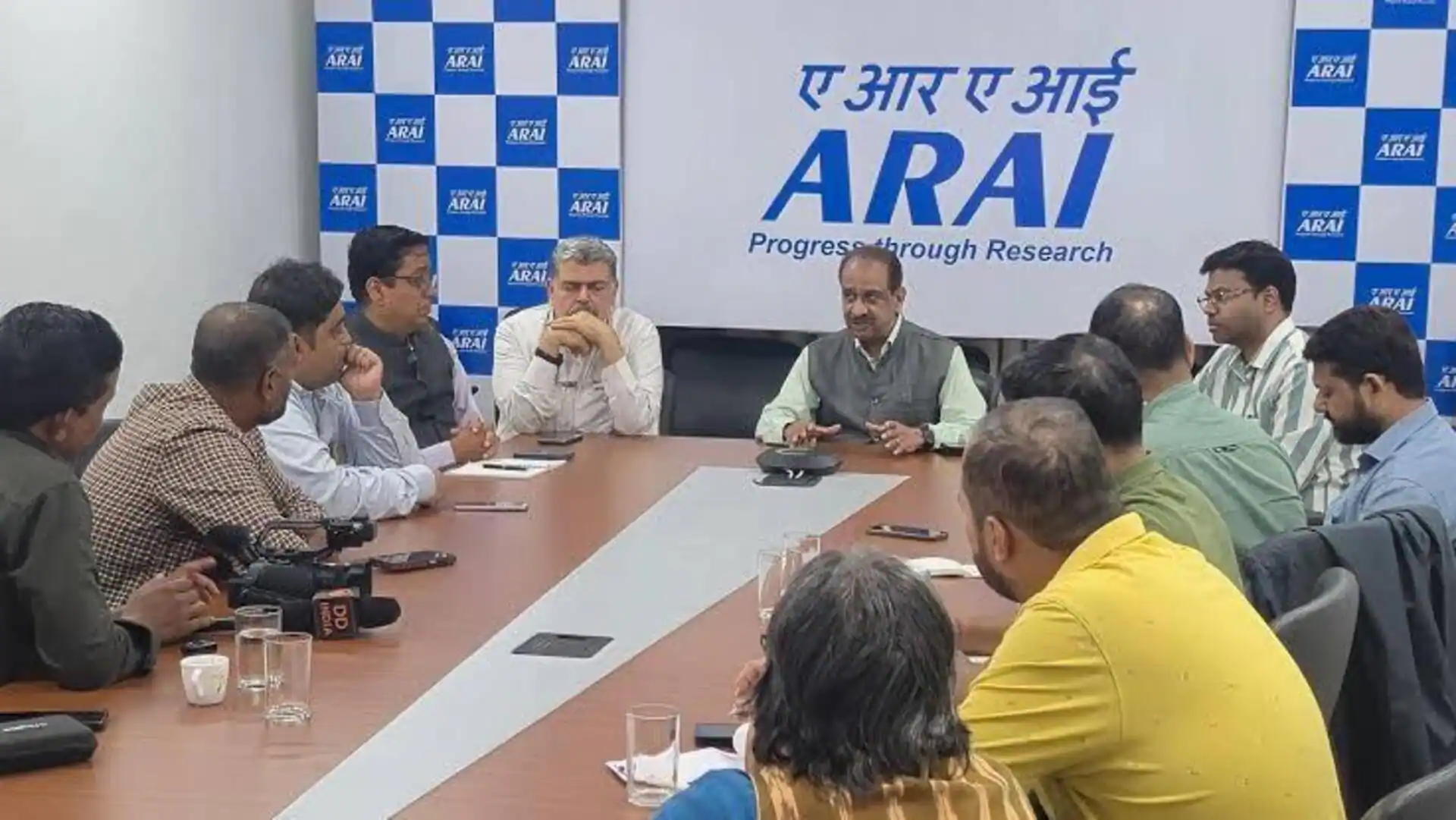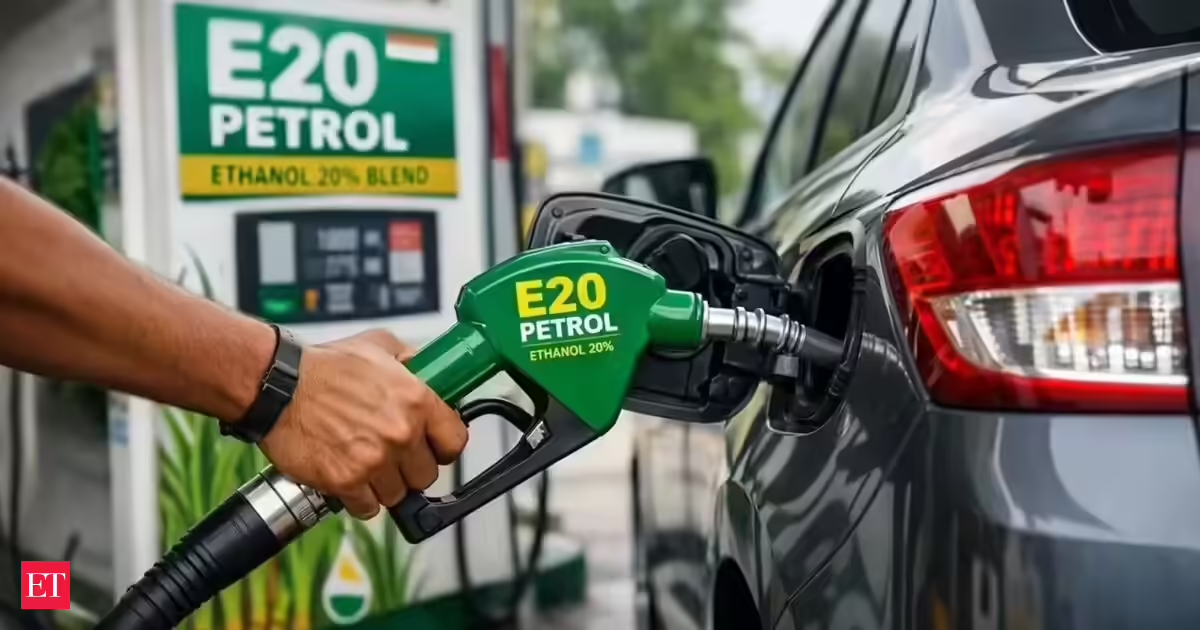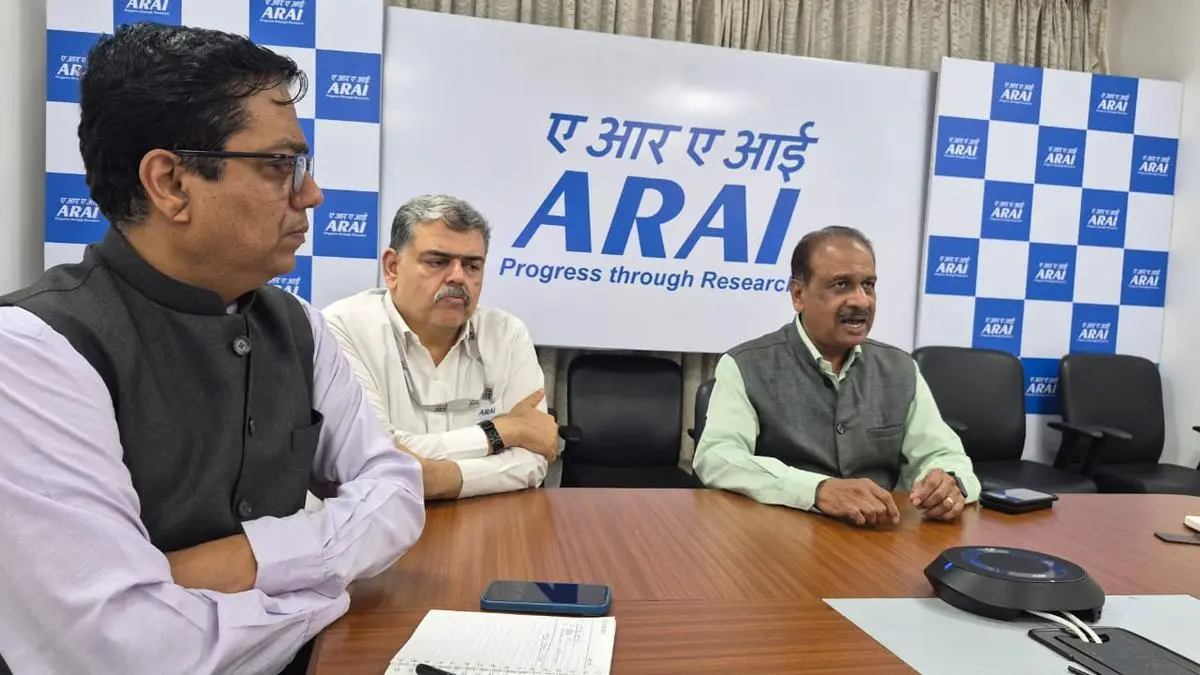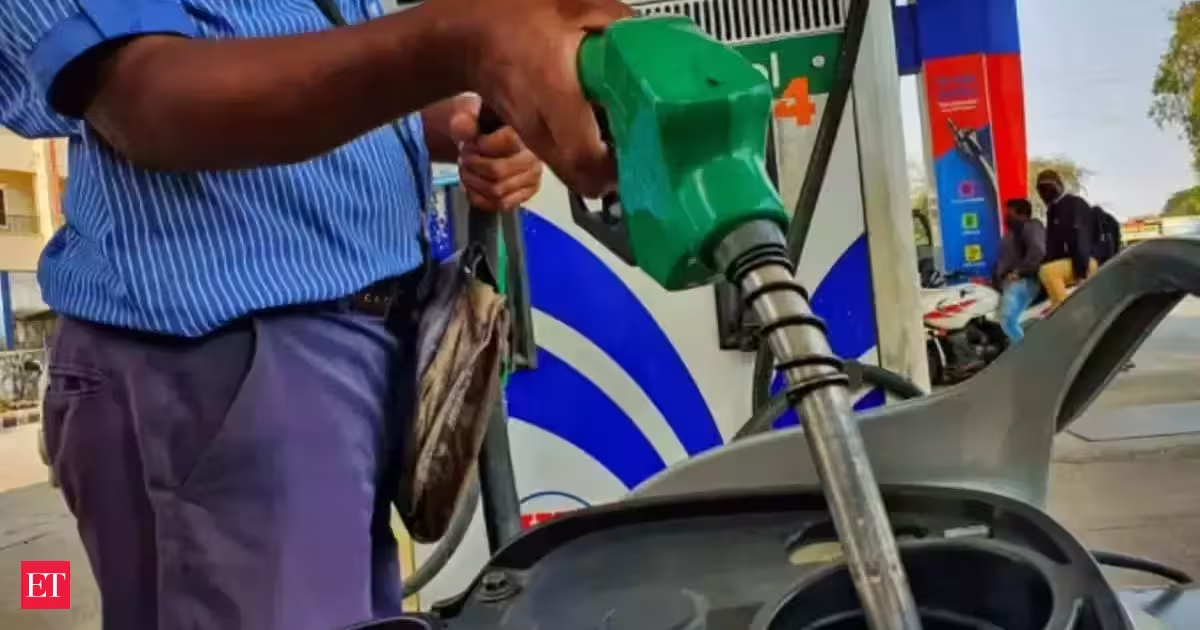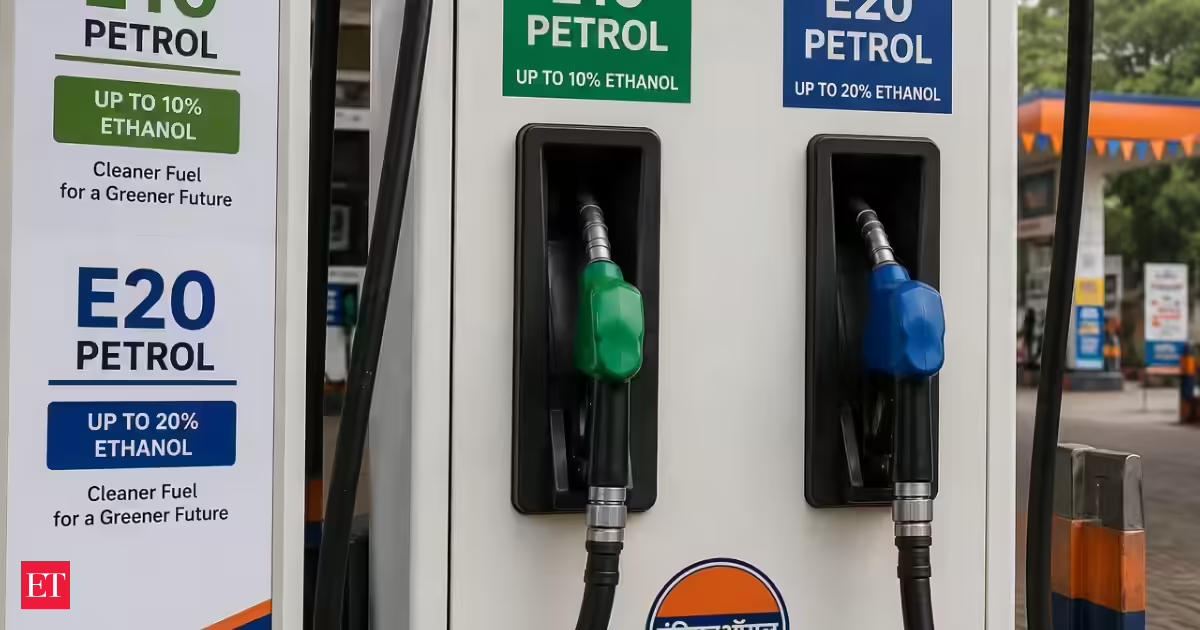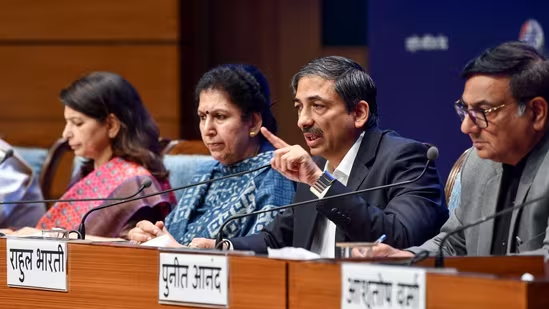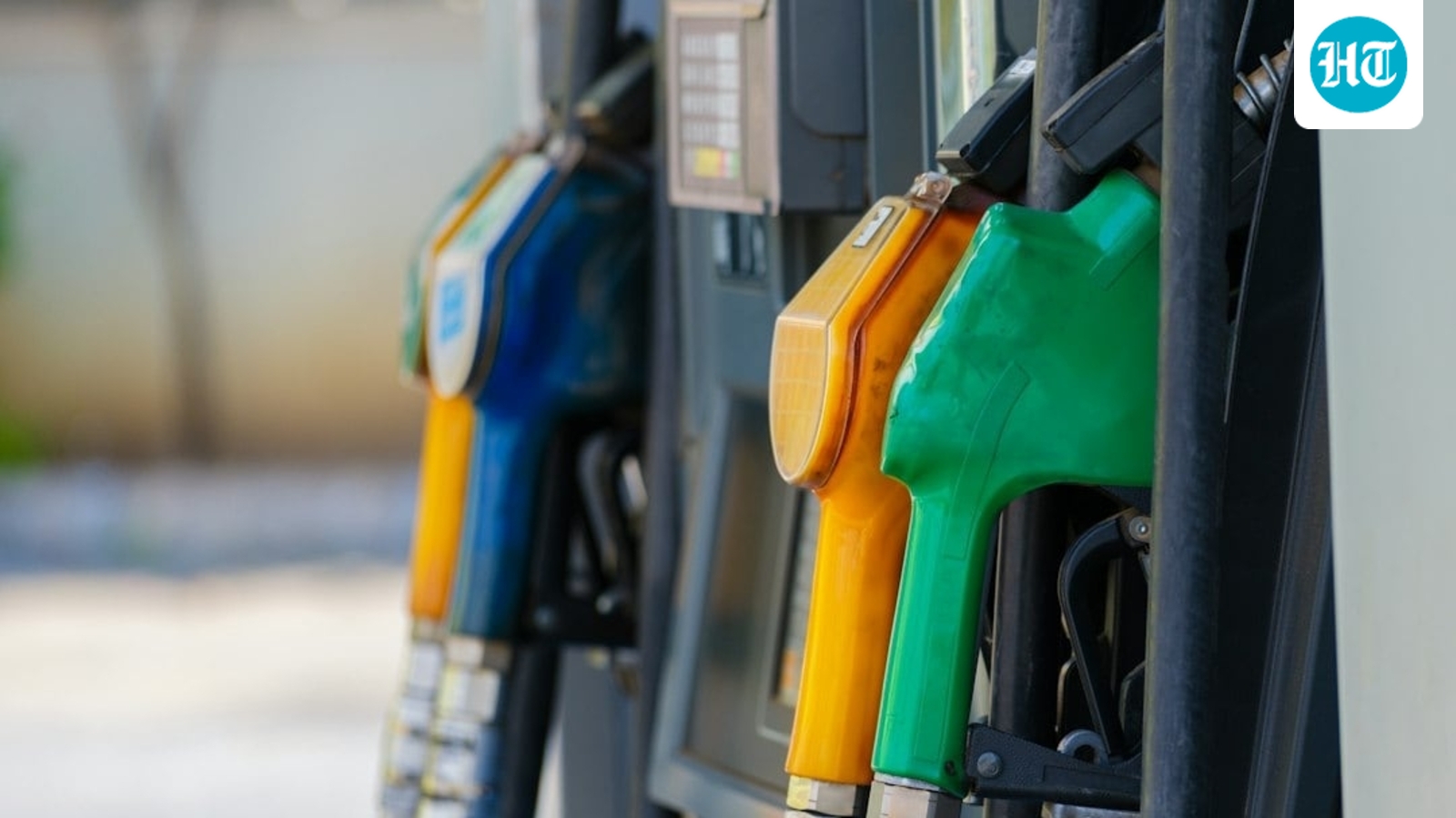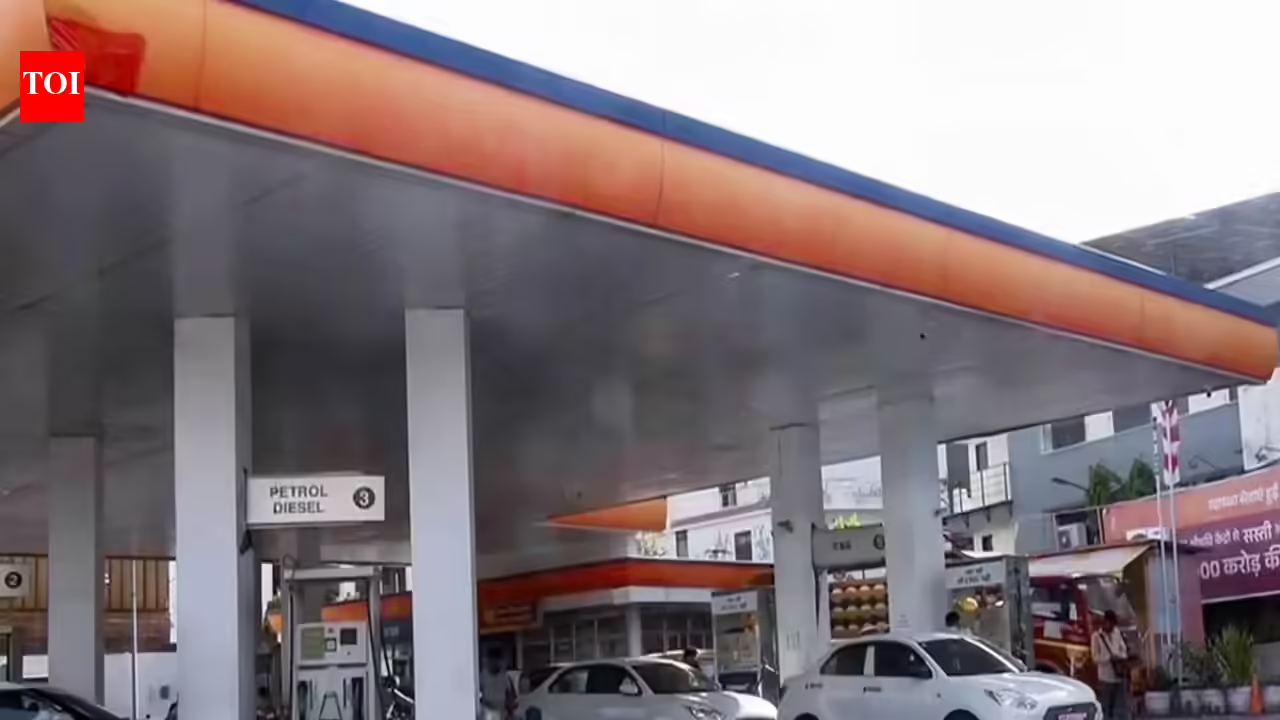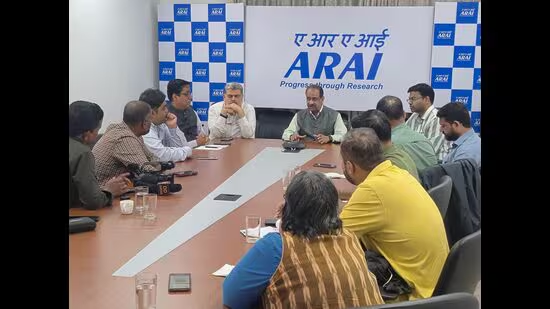
Claims that E20 (20% ethanol-blended petrol) is causing widespread damage to vehicles are not backed by evidence, the Automotive Research Association of India (ARAI) said on Friday, urging motorists to rely on authorised service centres rather than unverified social media posts.Speaking at ARAI’s headquarters in Pune, director Reji Mathai on Saturday said authorised service centres of automobile manufacturers have not reported any significant increase in serious complaints linked to E20 fuel. (HT PHOTO)Speaking at ARAI’s headquarters in Pune, director Reji Mathai on Saturday said authorised service centres of automobile manufacturers have not reported any significant increase in serious complaints linked to E20 fuel.“We urge customers facing any issues with their vehicles to approach authorised dealers for inspection rather than relying on unverified claims circulating on social media,” Mathai said.He said the rollout of E20 fuel followed extensive scientific studies and rigorous testing. ARAI evaluated older and newer vehicles, including two-wheelers, four-wheelers and eight- to 10-year-old BS-IV vehicles, covering 40,000 km to 50,000 km to assess long-term durability, fuel efficiency and overall performance.“The findings showed that E20 fuel does not adversely affect vehicle performance or cause serious damage to critical components,” Mathai said.He acknowledged that ethanol-blended fuel reduces fuel efficiency by about 2% to 6% because ethanol has a lower energy content than petrol, but clarified that the drop in mileage does not affect engine performance or vehicle reliability.‘No effect on older vehicles’“Vehicle manufacturers had already made the necessary engineering modifications in newer vehicles to ensure compatibility with E20 fuel. While some owners of older vehicles have raised concerns on social media, such complaints are not being reflected in large numbers at authorised dealerships, suggesting there is no evidence of a widespread technical problem,” he said.Highlighting the strategic importance of ethanol blending, Mathai said greater use of domestically produced bioethanol would reduce India’s dependence on imported crude oil, particularly during periods of geopolitical uncertainty and supply disruptions.He also cautioned consumers against installing aftermarket ethanol conversion kits, saying the government has not approved their use and no regulatory framework is in place.On emission norms, Mathai said India will adopt the Worldwide Harmonised Light Vehicles Test Procedure (WLTP) for vehicle emission certification from April 1, 2027. The globally accepted protocol is expected to improve the accuracy and uniformity of emission and fuel-efficiency assessments.‘E20 review since 2022’He said ARAI was tasked in 2022 with evaluating the impact of E20 fuel on existing vehicles in collaboration with automobile manufacturers and oil marketing companies. The study covered BS-IV and older vehicles running on E10 and E20 fuels, assessing performance, fuel economy, durability, long-term usage, accelerated ageing and material compatibility.“The comprehensive study concluded that E20 fuel did not have any significant adverse impact on critical vehicle components. The findings were submitted to the Central government before the nationwide rollout of E20 fuel,” he said.Explaining the difference between certified and real-world mileage, Mathai said certified mileage is measured under controlled laboratory conditions using internationally accepted testing procedures. Actual fuel economy varies depending on traffic, road conditions, weather, vehicle load and driving habits.On the possibility of introducing E25 fuel, Mathai said no decision has been taken. “Any move towards E25 will follow the same scientific approach adopted for E20, including extensive research, material compatibility studies, technical validation and consultations with automobile manufacturers and industry associations before the government takes a final decision,” he said.About ARAIARAI is an autonomous body affiliated to the Ministry of Heavy Industries, Government of India.The Automotive Research Association of India (ARAI), established in 1966, is the leading automotive R&D organisation of the country, set up by the automotive industry in collaboration with the Government of India.
No evidence E20 fuel is damaging vehicles: ARAI
ARAI evaluated older and newer vehicles, including two-wheelers, four-wheelers and eight- to 10-year-old BS-IV vehicles, covering 40,000 km to 50,000 km to assess long-term durability, fuel efficiency and overall performance
601 words~3 min read