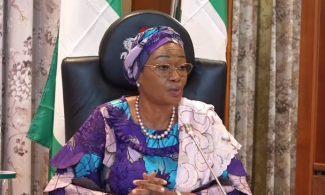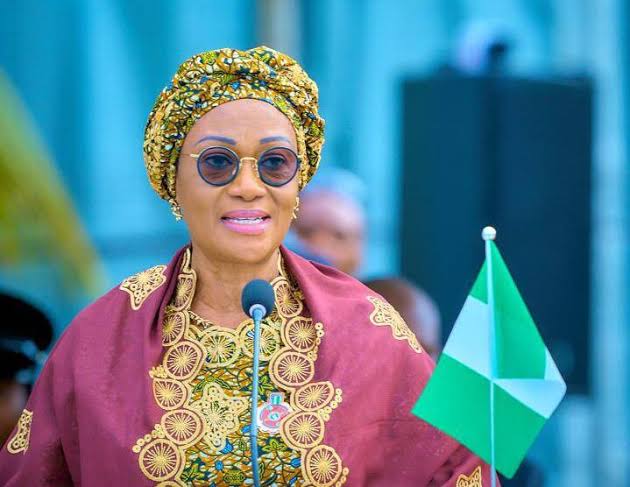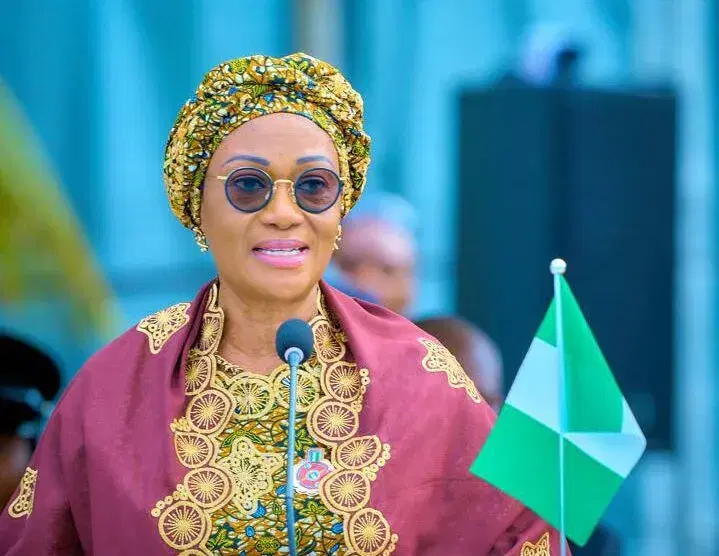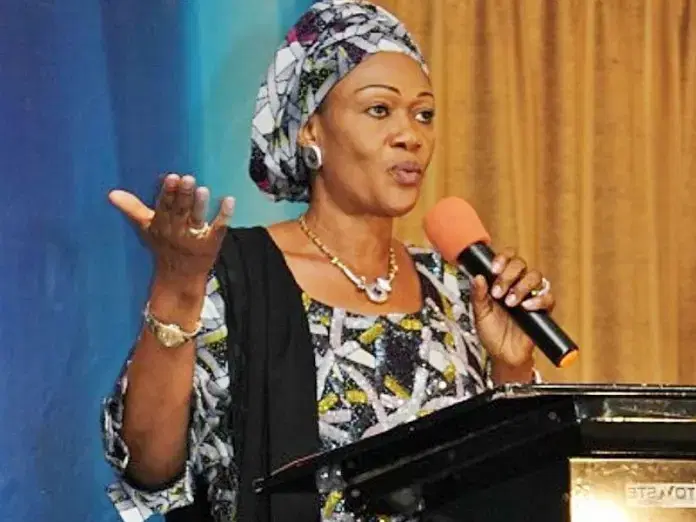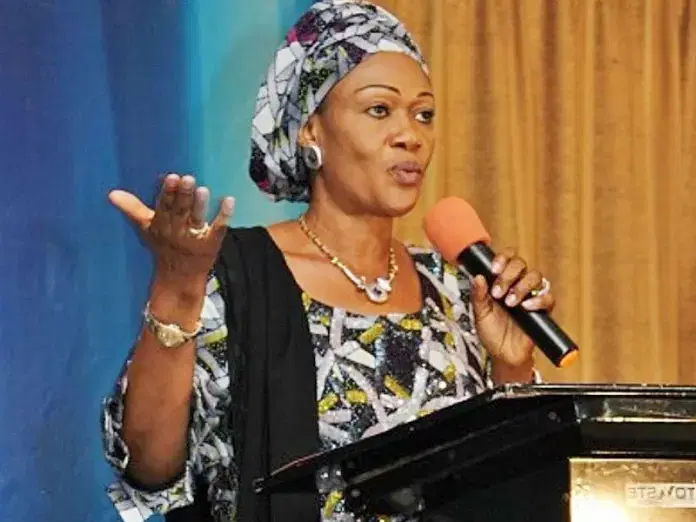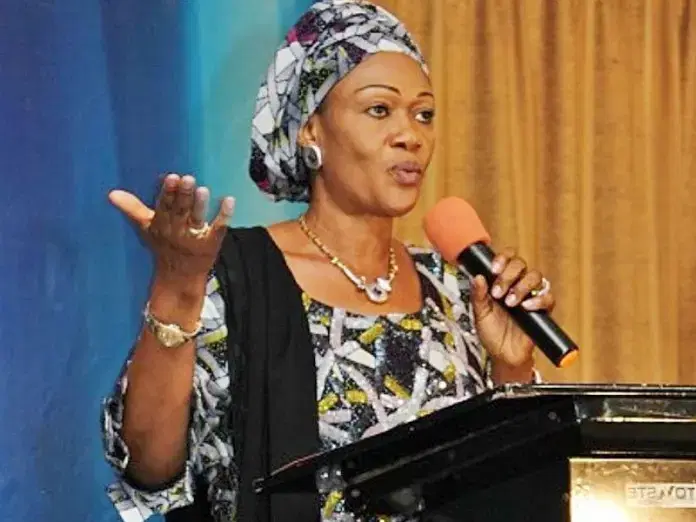
The controversy sparked by First Lady Oluremi Tinubu’s N50,000 grants for petty traders has reignited a debate about the place of empowerment in Nigerian politics. As politicians intensify grassroots interventions amid deepening poverty, questions are being asked about whether the programmes are designed to lift citizens out of hardship or buy their loyalty and keep them politically dependent. ISMAEEL UTHMAN writes
For two consecutive weeks, Nigerians have continued to debate the First Lady, Oluremi Tinubu’s remarks on empowering women with grants to start micro-businesses such as frying akara, roasting corn, producing kuli-kuli and selling vegetables.
What began as an attempt to showcase one of Federal Government’s empowerment initiatives has instead ignited a broader national conversation about poverty, governance and the political value of so-called empowerment programmes.
Many Nigerians interpreted the First Lady’s comments as evidence of how disconnected the country’s political elite had become from the economic realities confronting ordinary citizens.
Rather than subside, the criticism intensified after Mrs Tinubu, during a visit to Jigawa State on June 29, insisted that the backlash would not deter the continuation of the programme.