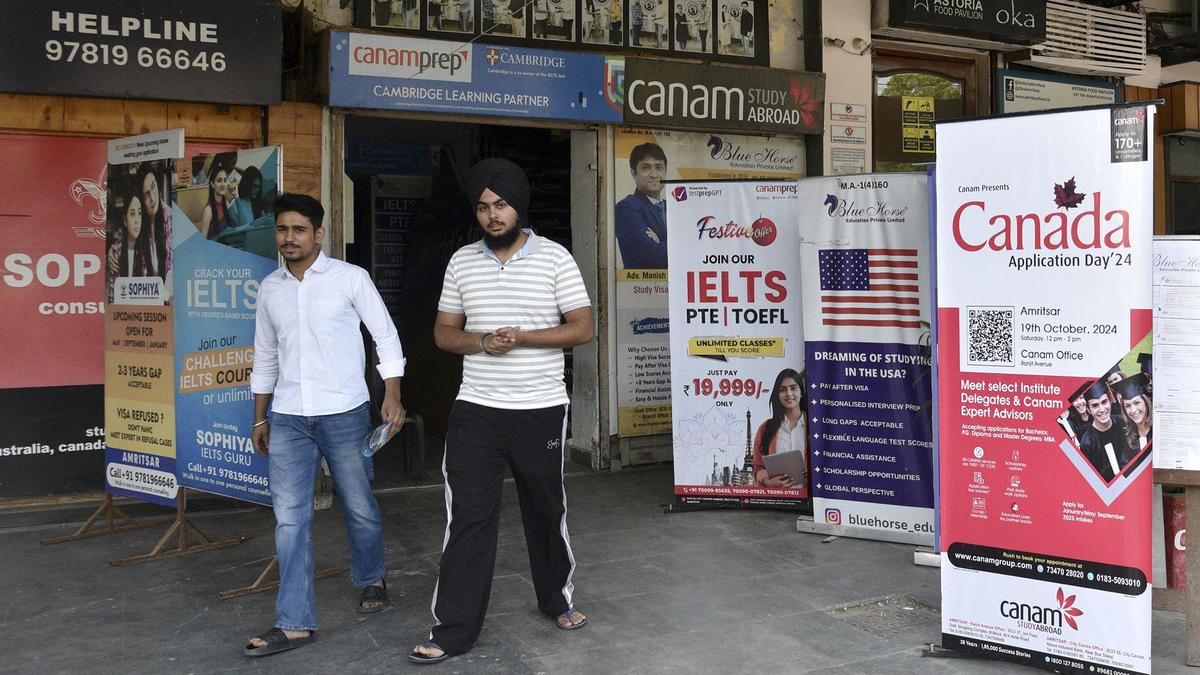
For years, Canada was one of the top choices for Indian students looking to study abroad. Good universities, part-time work opportunities and a pathway to permanent residency made it an attractive option for many families. But that picture has changed sharply in 2026. New data from Immigration, Refugees and Citizenship Canada (IRCC) and Statistics Canada shows a steep fall in international student arrivals, with numbers dropping by around 64% compared to previous highs. As visa rules tighten and living costs rise, many Indian students are now rethinking their plans and exploring other countries instead.Why are Indian students leaving Canada?Canada cuts student intakeThe biggest reason behind the decline is a major policy shift by the Canadian government. Canada has introduced stricter limits on the number of international students entering the country. Under the 2026–2028 Immigration Levels Plan, IRCC expects to issue study permits to only 155,000 newly arriving international students in 2026.That is roughly half of earlier targets. The government says the move is part of a broader effort to reduce temporary residents and bring that population below 5% of Canada’s total population by 2027. Officials have linked the decision to growing pressure on housing, public services and infrastructure across the country.Higher costs, tougher visa rulesThe financial burden has also increased significantly. Students must now show proof that they have at least CAD 20,635 available for living expenses, apart from paying tuition fees. For many middle-class Indian families that depend on education loans, arranging that amount has become much harder.Another change that affected Indian applicants was the end of the Student Direct Stream (SDS), a fast-track visa process that had been widely used by students from India. Without SDS, applications now go through the regular process, which often involves more checks and longer wait times.Key challenges facing applicants include:Higher financial requirementsMore detailed visa scrutinyLonger processing timelinesGreater uncertainty around approvalsAlso Read: Where Are Indian Students Heading after Canada?New PGWP rules hit diploma colleges the hardestThe impact has not been equal across all institutions. According to Statistics Canada data, public colleges have seen some of the biggest declines in international enrolment. A major reason is tighter rules around the Post-Graduation Work Permit (PGWP).Canada has moved away from supporting programs that offered limited job prospects. Students are now more likely to benefit if they study in areas linked to labour shortages, including:HealthcareSkilled tradesScienceTechnologyEngineeringMathematics (STEM)Master’s and PhD students at public institutions continue to receive some exemptions, which has helped universities hold up better than many colleges.Also Read: No PR, no job, family taunts: Shattering story of 26-year-old Canada returneeJobs and housing become concerns: Where is the crowd heading instead?Government policy is only part of the story. Students already living in Canada have been sharing their experiences online, and many of those stories are making prospective applicants think twice. Finding part-time work has become tougher in several cities, while rents remain high.Many students also worry about permanent residency prospects. With immigration pathways becoming more competitive, some fear spending large amounts on education without a clear route to staying in Canada after graduation.As a result, countries such as Germany, Ireland and the United States are increasingly attracting Indian students who still want an international education experience but see better opportunities elsewhere.
Why Indian students are choosing Canada less: Reasons behind the sharp decline in 2026
For years, Canada was the dream destination for Indian students. Now, a surprising shift is making many reconsider. | World News
534 words~2 min read