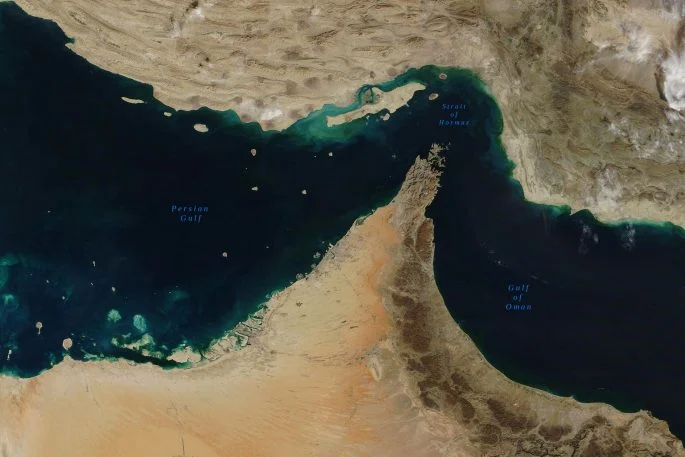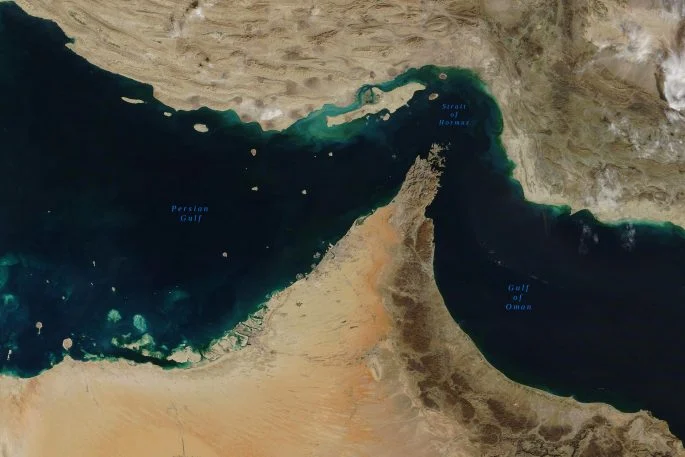
Oil supply through the Strait of Hormuz remains severely disrupted, operating at about a third of pre-war levels. Despite this significant supply constraint, markets are reacting to a perceived surplus, potentially driven by demand destruction in Asia and other regions. The current throughput is approximately 3.8 million barrels per day, which is a stark reduction from the pre-war average of 20-21 million barrels per day. This situation marks one of the largest disruptions in oil supply history. Brent crude prices are currently near $93 per barrel, experiencing a slight decline, while diesel and jet fuel prices have surged, suggesting early signs of demand reduction in Asian markets reliant on these shipments.
Key Takeaways
Market activity suggests participants view the current oil supply constraints as consistent with a potential surplus, possibly due to significant demand reduction in Asia.
Despite the disruption, pricing indicates that market participants may anticipate a stabilization or improvement in supply conditions, as reflected in the pricing of WTI futures.
The current price levels and market conditions suggest a complex interplay between supply constraints and demand dynamics, with implications for future pricing.