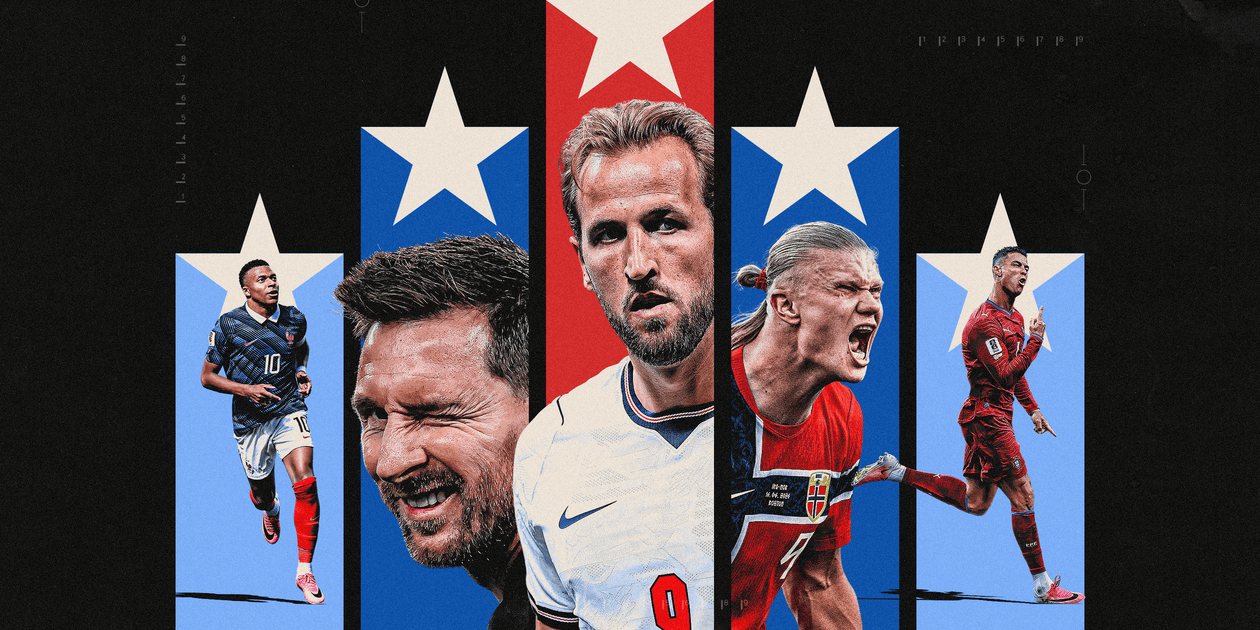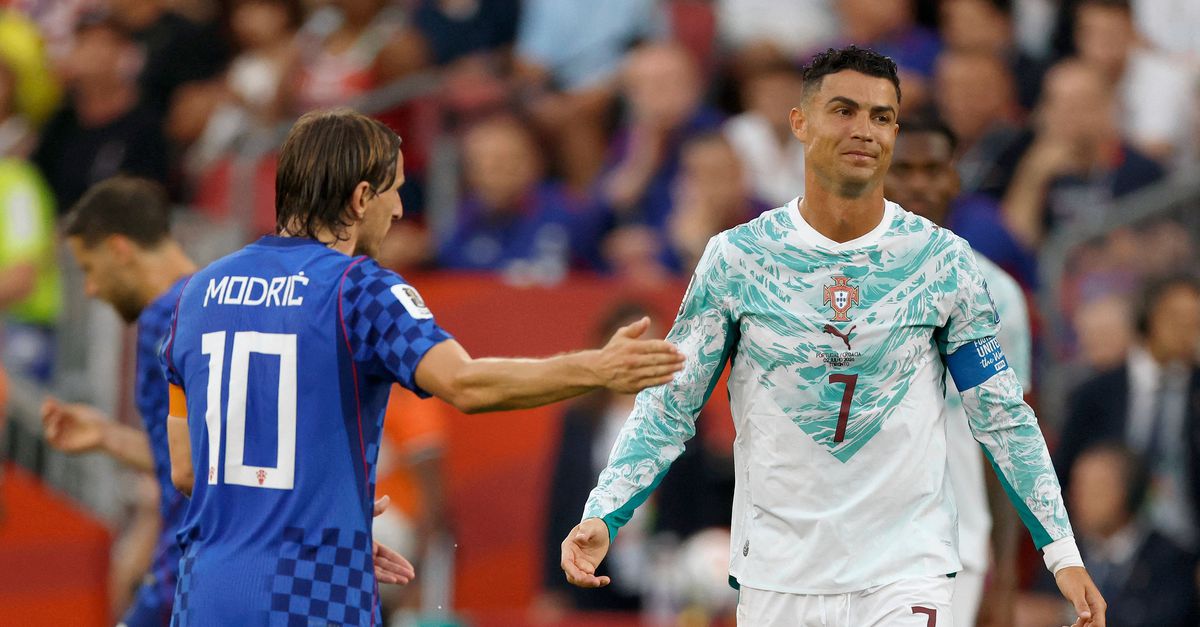
They freeze. They see red. They quail in the face of history and sky a penalty kick. Sometimes the best footballers flop at World Cups. On the grandest stage they can turn out not to be the best after all, champions of hype rather than talent. Not in 2026: this competition has been dominated by the sport’s titans. Their performance offers lessons for the management of superstars—and a glimmer of cosmic justice.
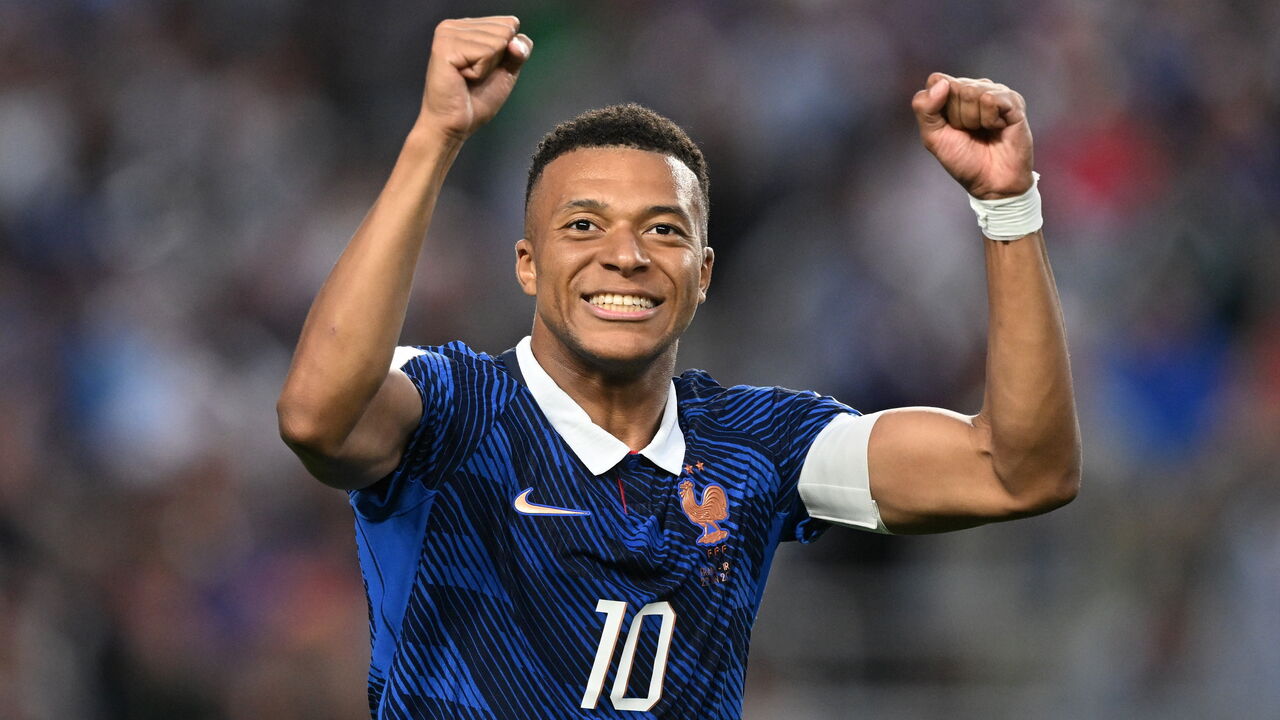
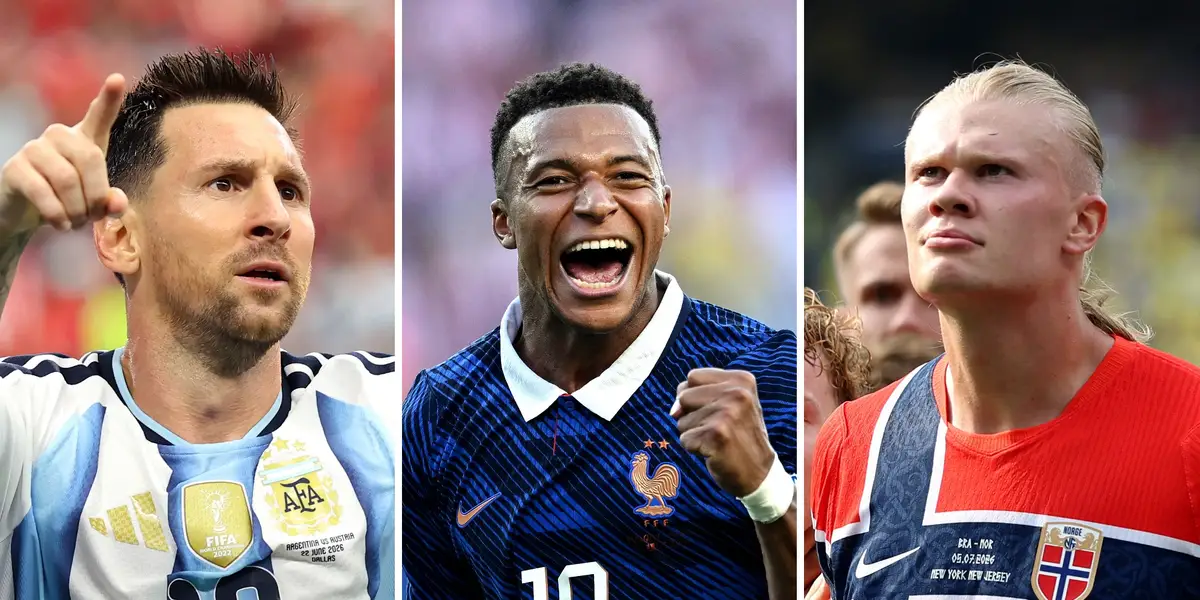
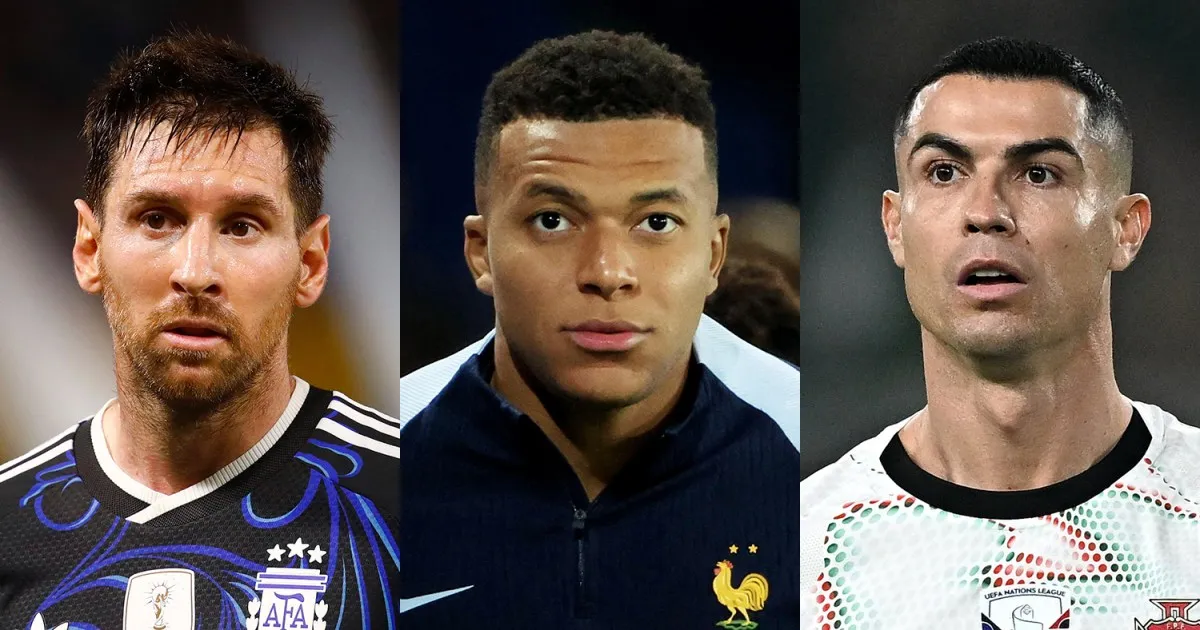
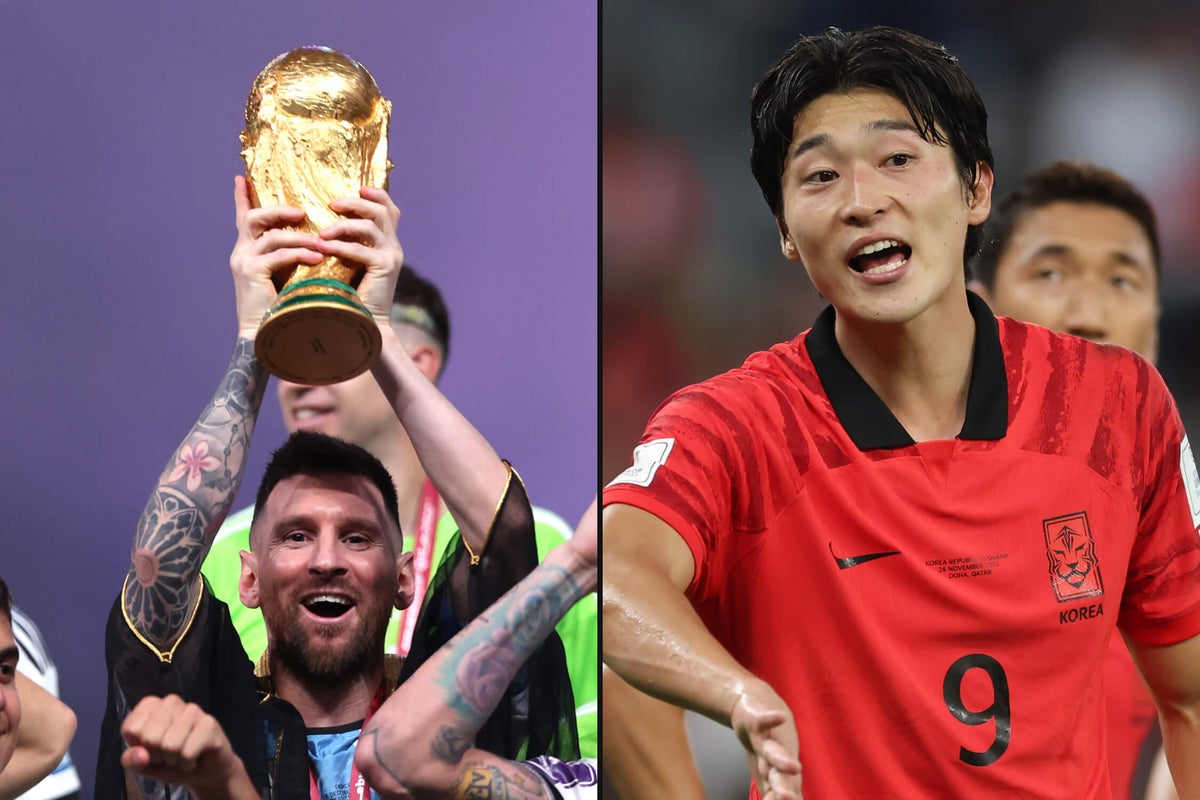
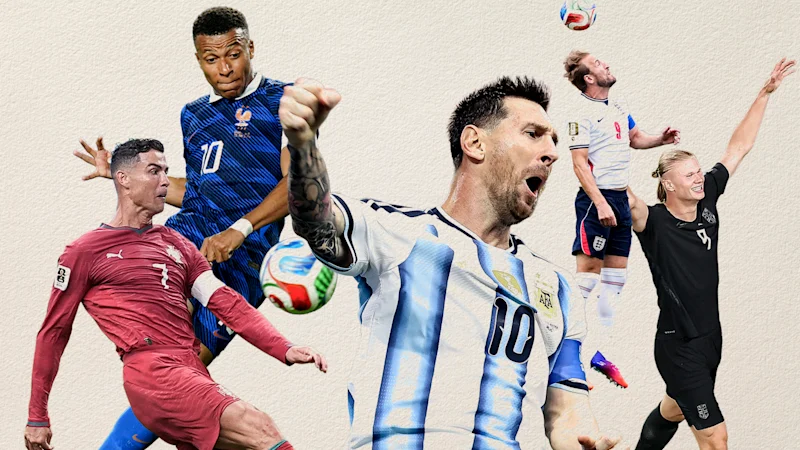
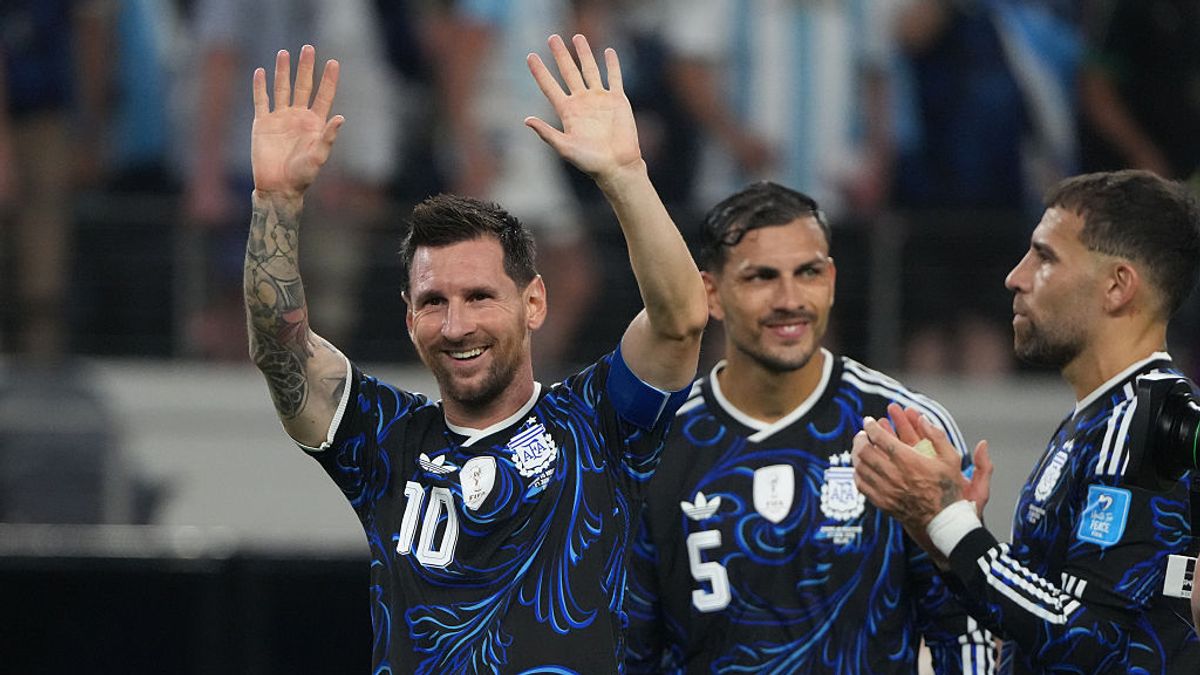
Lionel Messi, Argentina’s idol, scored six times in three games to claim the record for lifetime goals in World Cups. By July 1st graceful Kylian Mbappé of France (pictured) had netted six too; Norway’s rampaging Erling Haaland had struck five, and Vinícius Júnior, a Brazilian livewire, four. At 41, Cristiano Ronaldo of Portugal became the only man ever to score in six tournaments.
De redactie van NRC selecteert de beste artikelen uit The Economist voor een breder perspectief op internationale politiek en economie.
By no means is such a showing inevitable. For one thing, some leading players never get to the World Cup, because their nations fail to qualify for it. This was the fate of George Best of Northern Ireland (who became a notorious playboy) and George Weah (who became president of Liberia). Or the luminaries may be eclipsed by unsung journeymen, who reach heights not touched before or again, or by breakout tyros. Aged 17, Pelé was unknown outside Brazil before the World Cup of 1958. In the final he flicked the ball over a Swede’s head and sweetly volleyed it home.