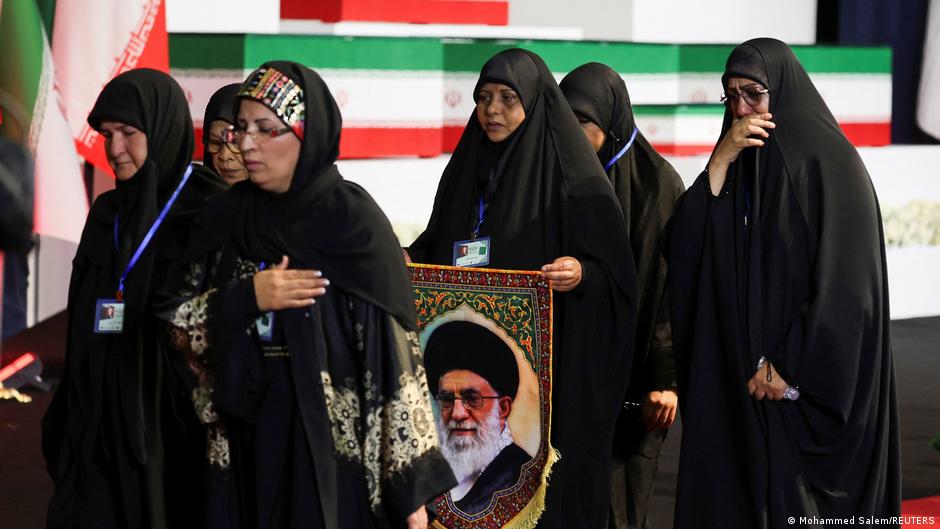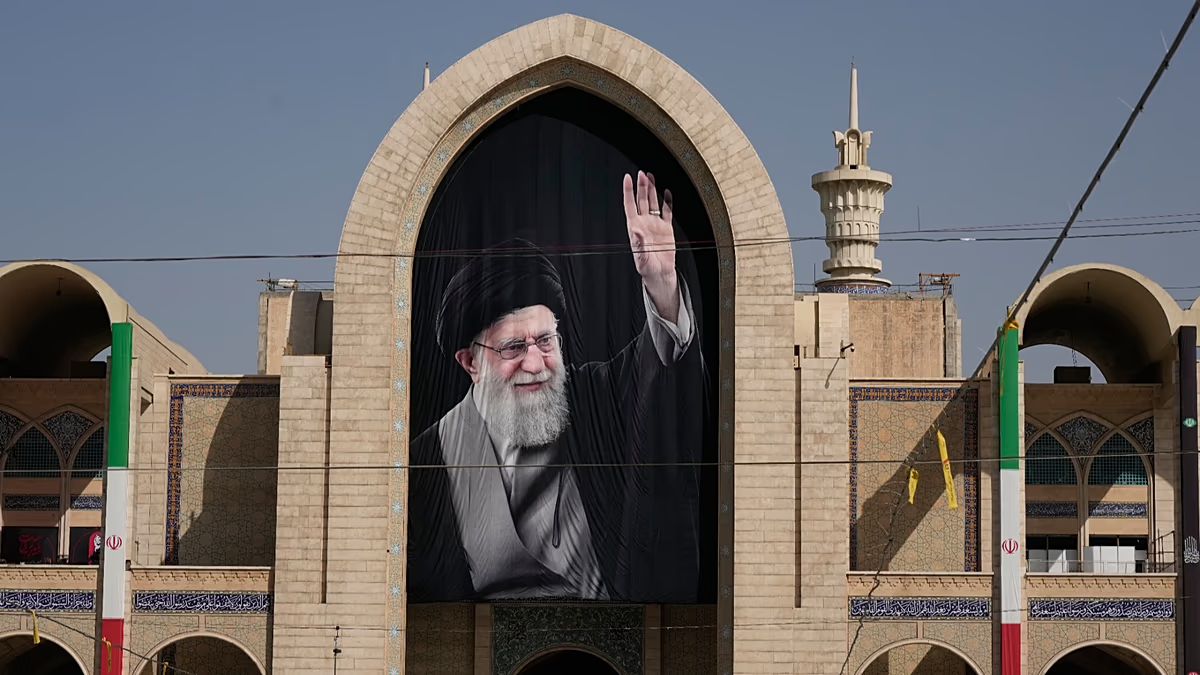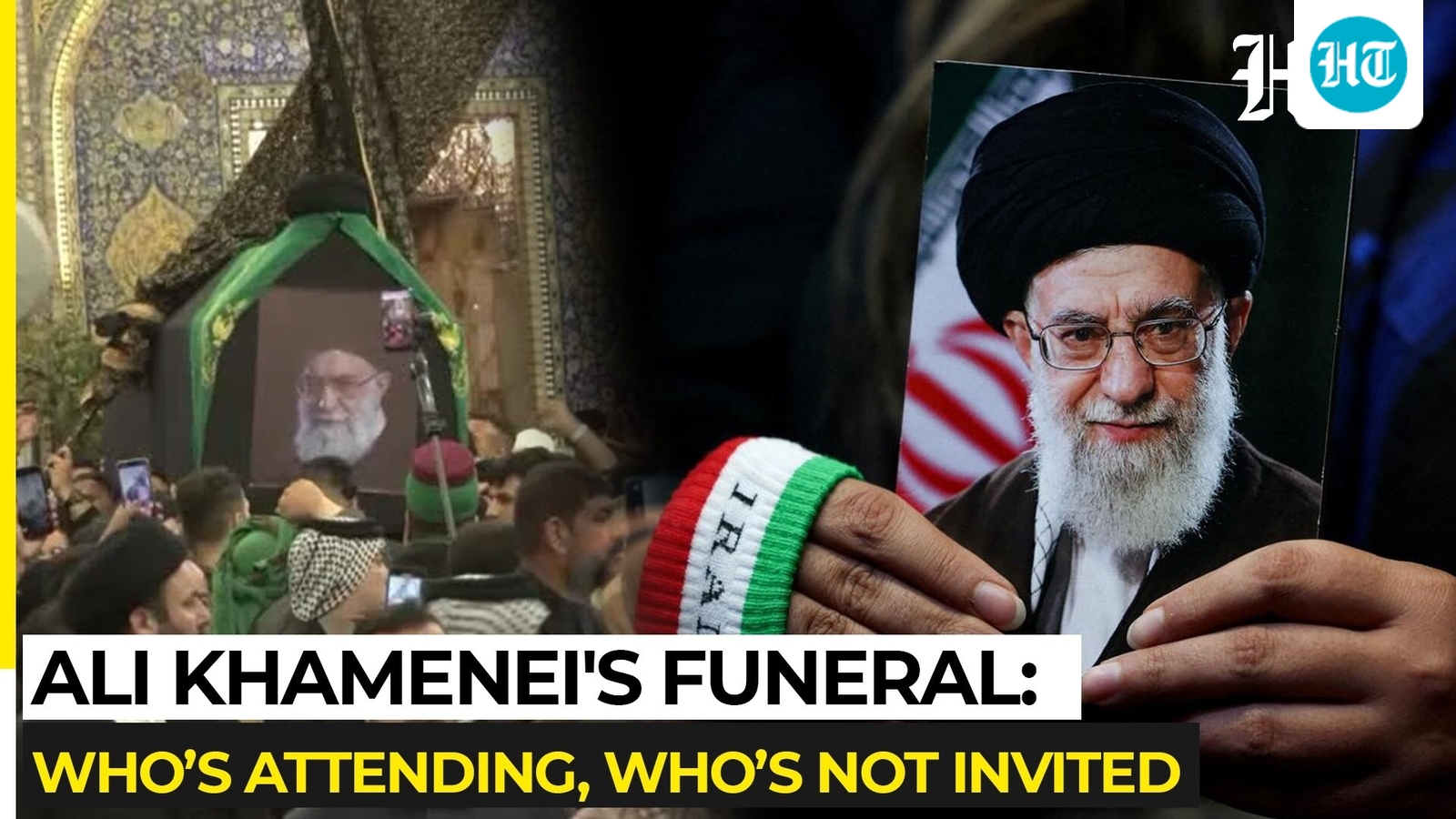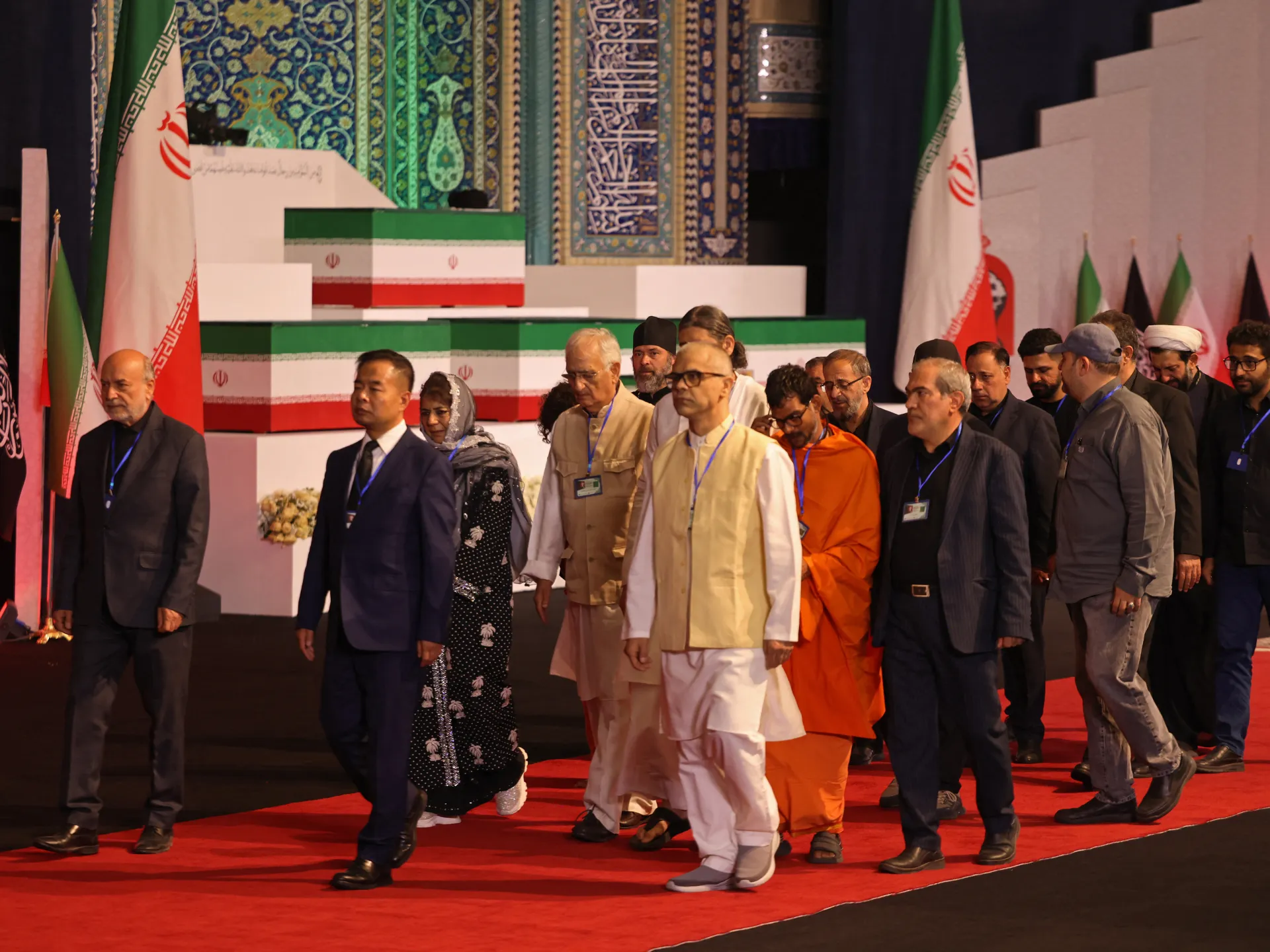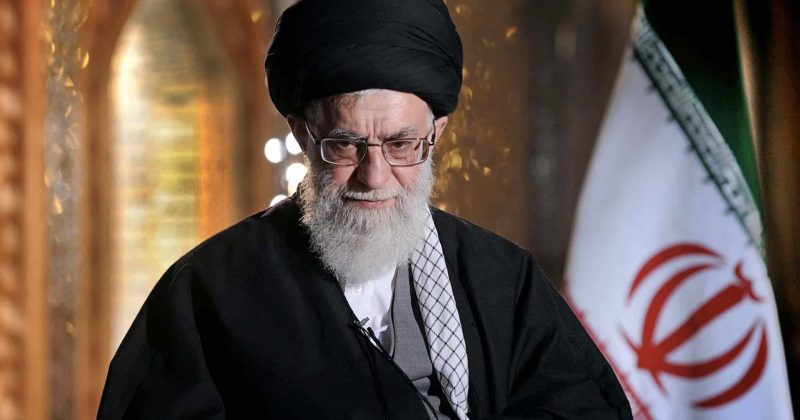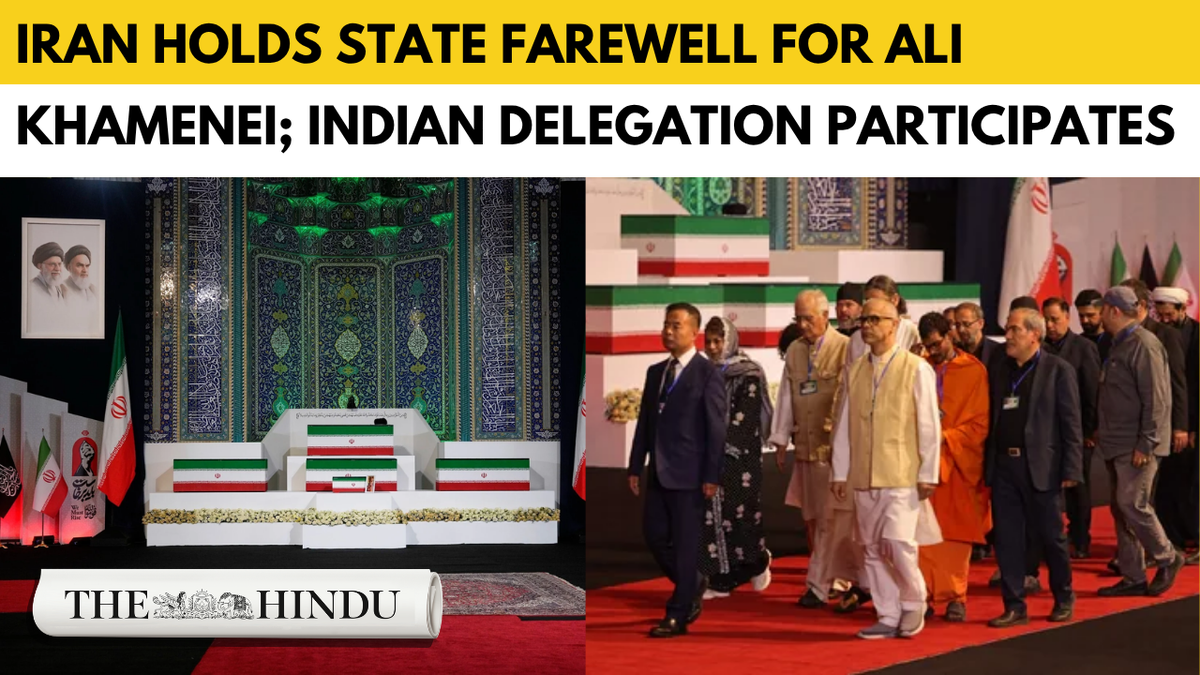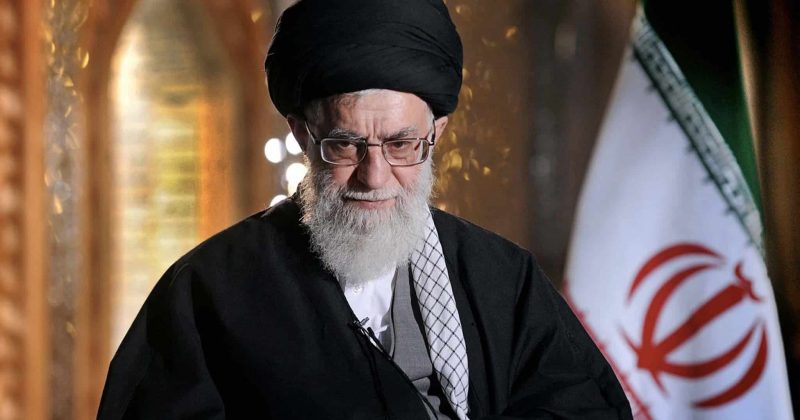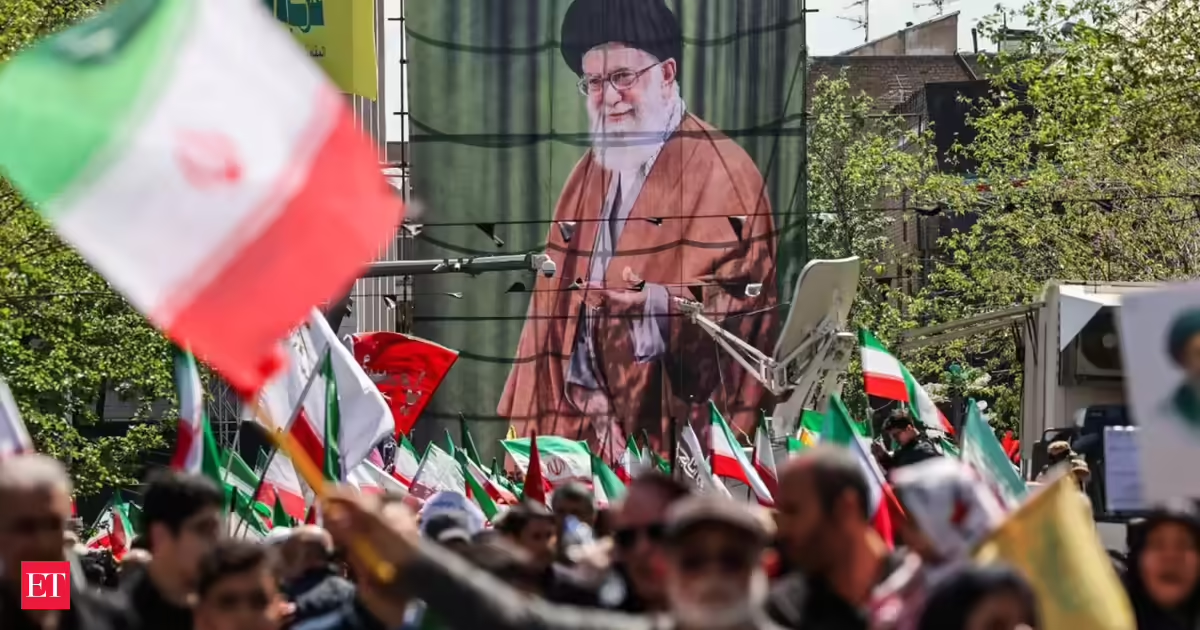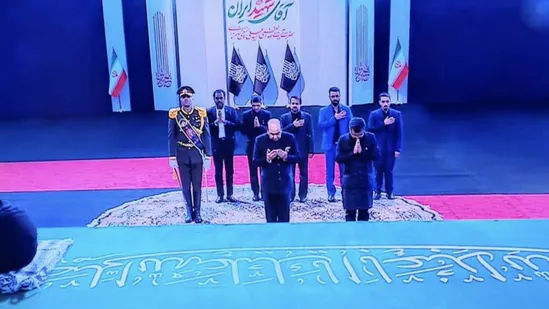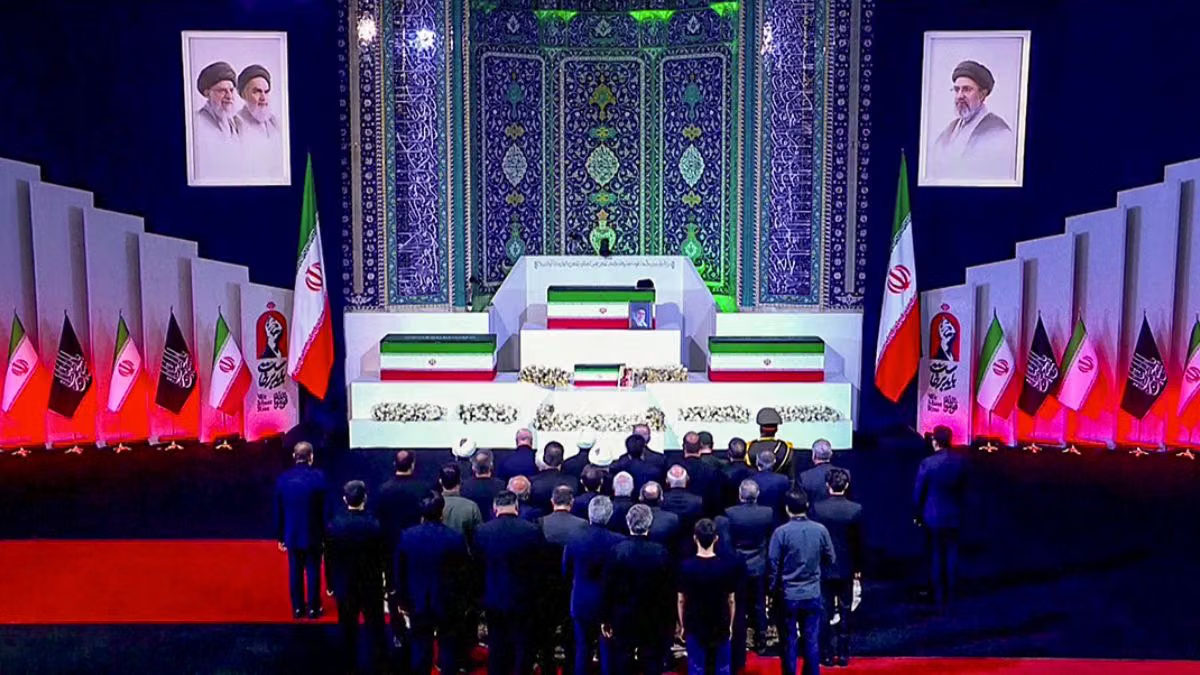
Tehran witnessed high-level movement from almost 100 countries across the world, including heads of state, government officials, ruling and opposition party leaders, military officials, influential figures from civil society, and religious leaders. They were all in Iran for the state funeral of Supreme Leader Ayatollah Khamenei, who was killed by US-Israeli airstrikes on 28 February 2026.
The global attendance in mourning exhibited Tehran’s political, religious and strategic outreach, with the global community, and most importantly with countries that preferred a ‘measured distance’ in the backdrop of the US-Israel strikes.While leaders from the West were largely a miss, Russia, China, and India were among the key countries in attendance. Iran also used this opportunity for “regional engagement” as the Parliament Speaker Mohammad Baqer Qalibaf held talks with global leaders on the sidelines.
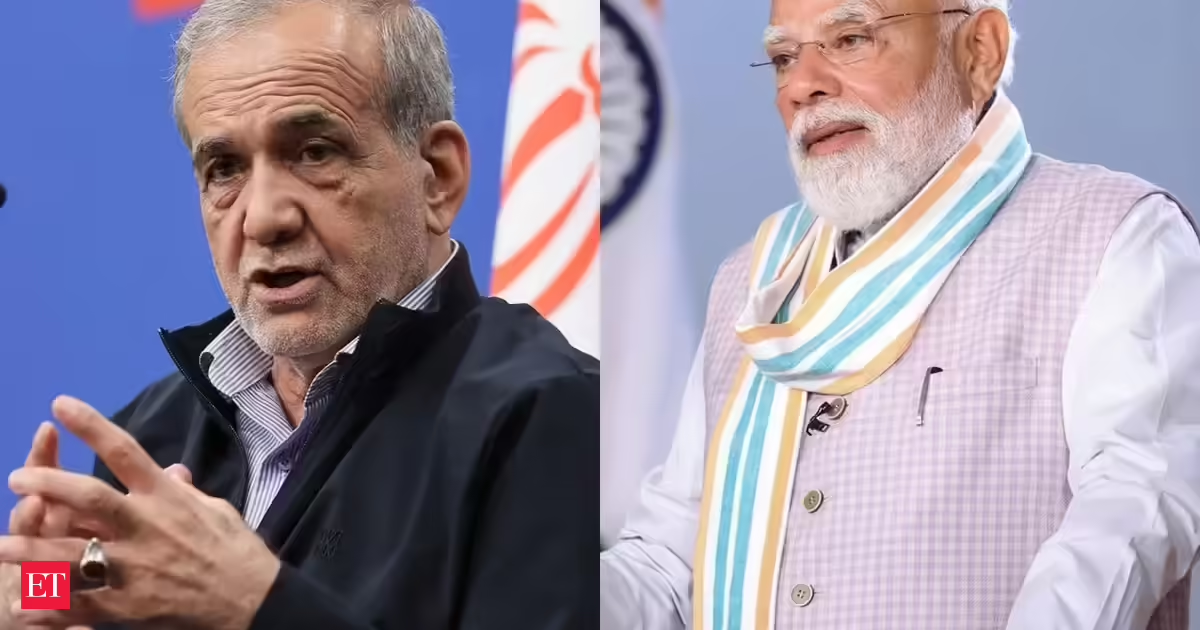
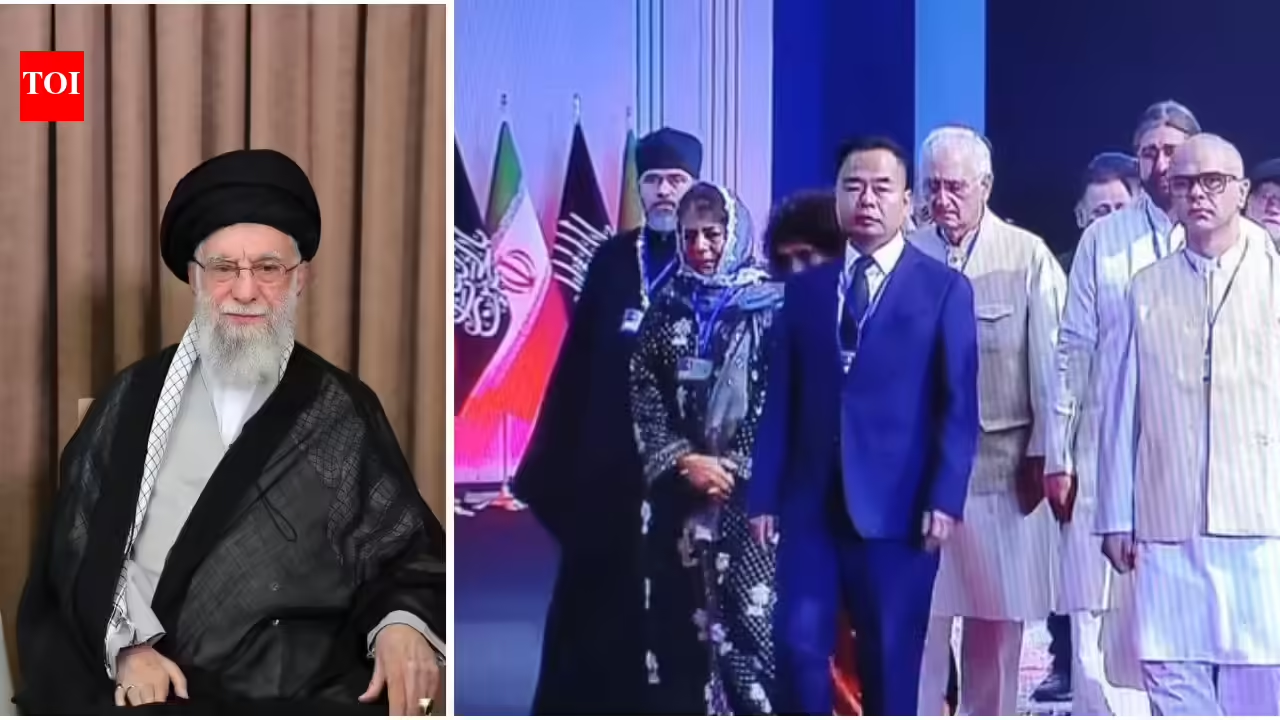
Countries in India’s neighbourhood were present in good numbers, especially those importing Iranian oil and have been affected by the US-Iran war and the choking of the Strait of Hormuz. This reflects how crucial Tehran remains as a cultural and strategic partner.While future studies would be required to examine the impact of the crisis on smaller countries, the Indian subcontinent would be an important focus. The region is among the largest consumers of Iranian oil, with India having the highest volume.Here is a glimpse of key attendance from the region.India’s official delegation included Syed Ata Hasnain, Governor of Bihar, and Pabitra Margherita, State Minister in the Ministry of External Affairs. Besides the official representation, leaders of the Opposition parties, including Congress, and key civil society members were invited.The media also zoomed in on the presence of Mehbooba Mufti, former Chief Minister of Jammu and Kashmir, and Salman Khurshid, Congress leader and former Foreign Minister in the UPA-2.While Iran’s outreach with the Opposition leaders reflects its strategic coverage of India’s political establishment, the presence of Opposition leaders from Kashmir showcased deep-rooted religious ties with the local Shia community. It anchors an ideological and religious outreach Tehran has historically enjoyed with the valley for centuries.If there is one country that has been on good terms with all parties—United States, Israel and Iran—it is India. Even if India’s direct role in peace facilitation is not always visible, New Delhi has time and again advocated diplomatic means to resolve the conflict.Just before the Indian delegation departed for Tehran on 3 July, Prime Minister Modi was briefed by the Iranian President Masoud Pezeshkian in a telephonic conversation on regional developments on 30 June.