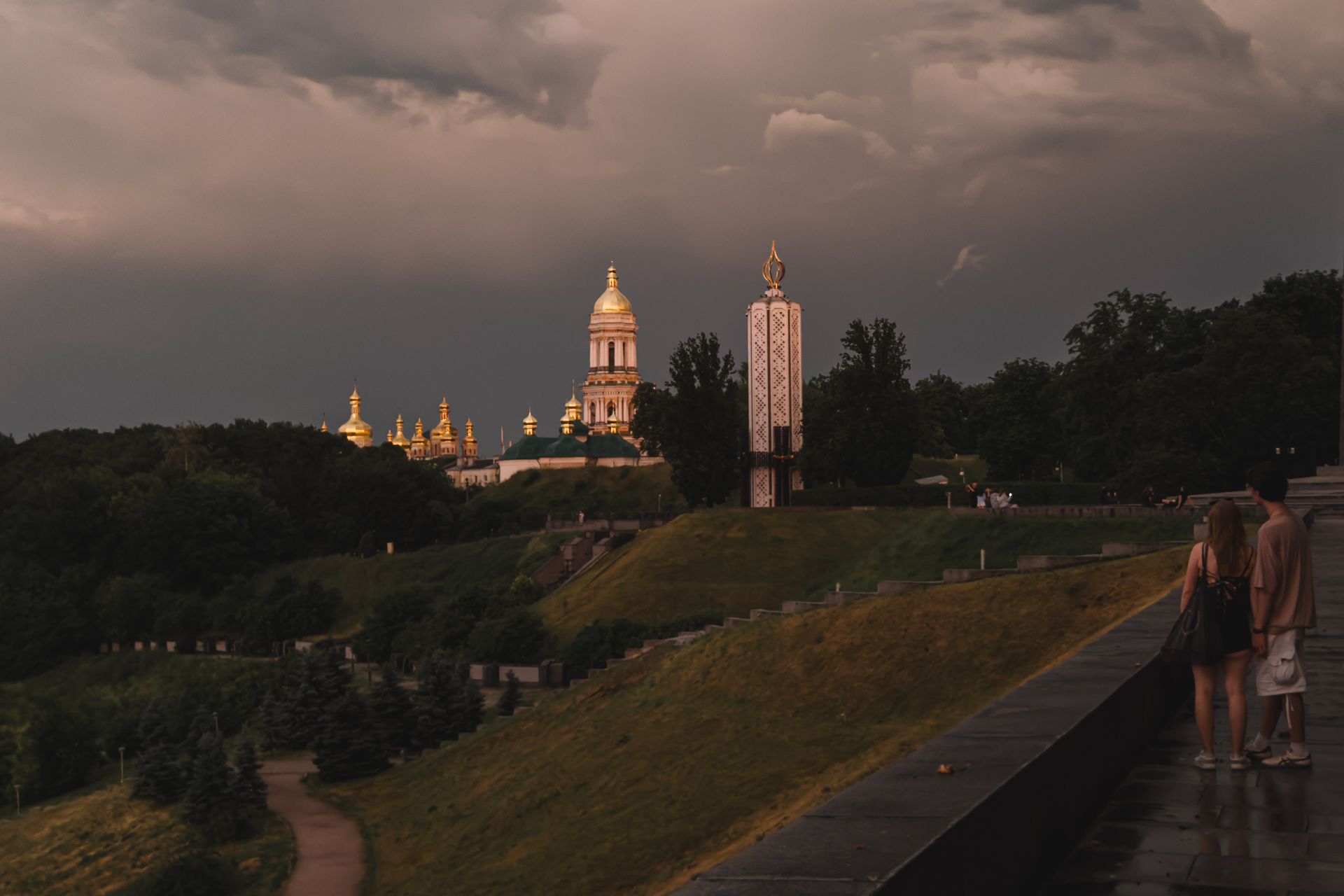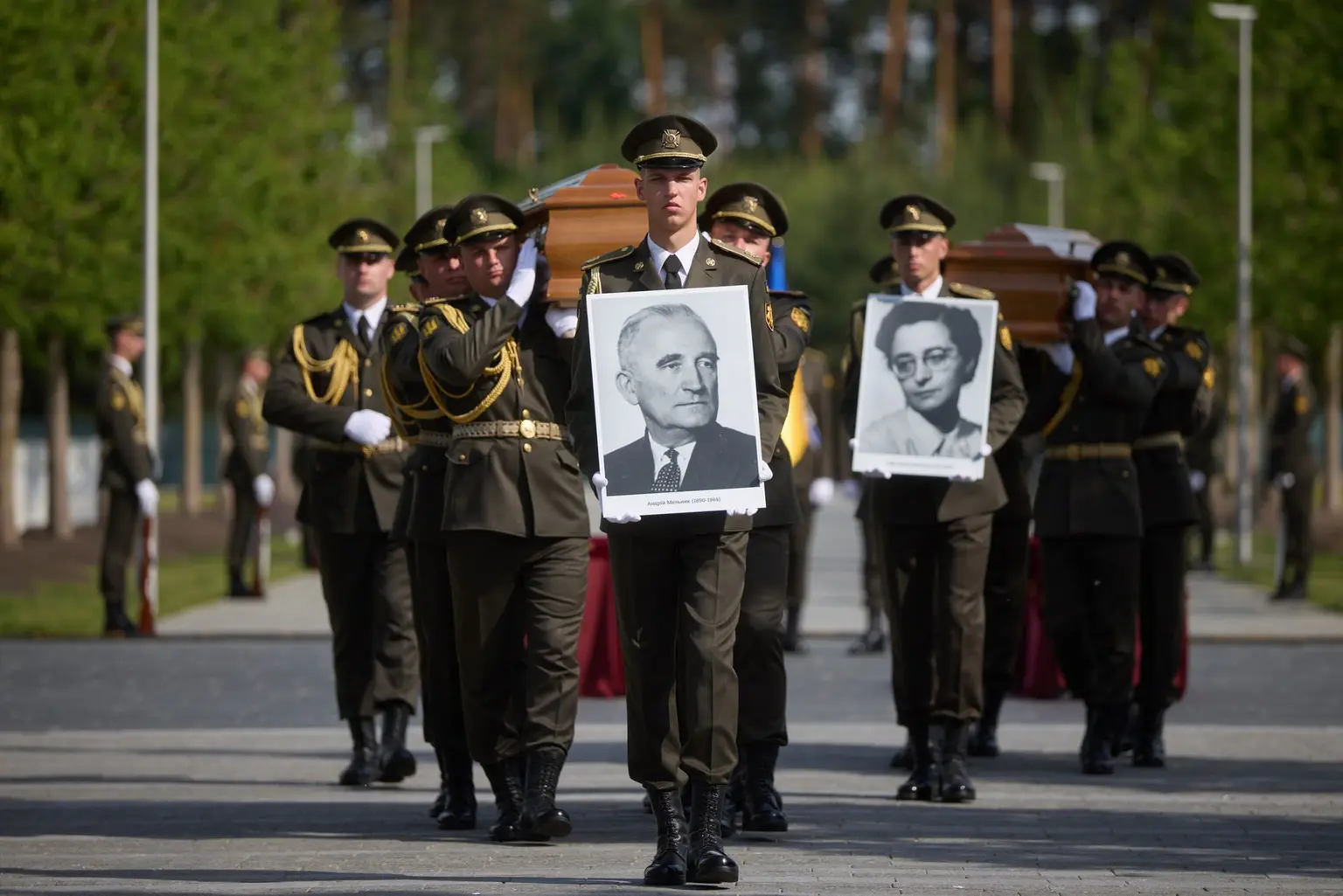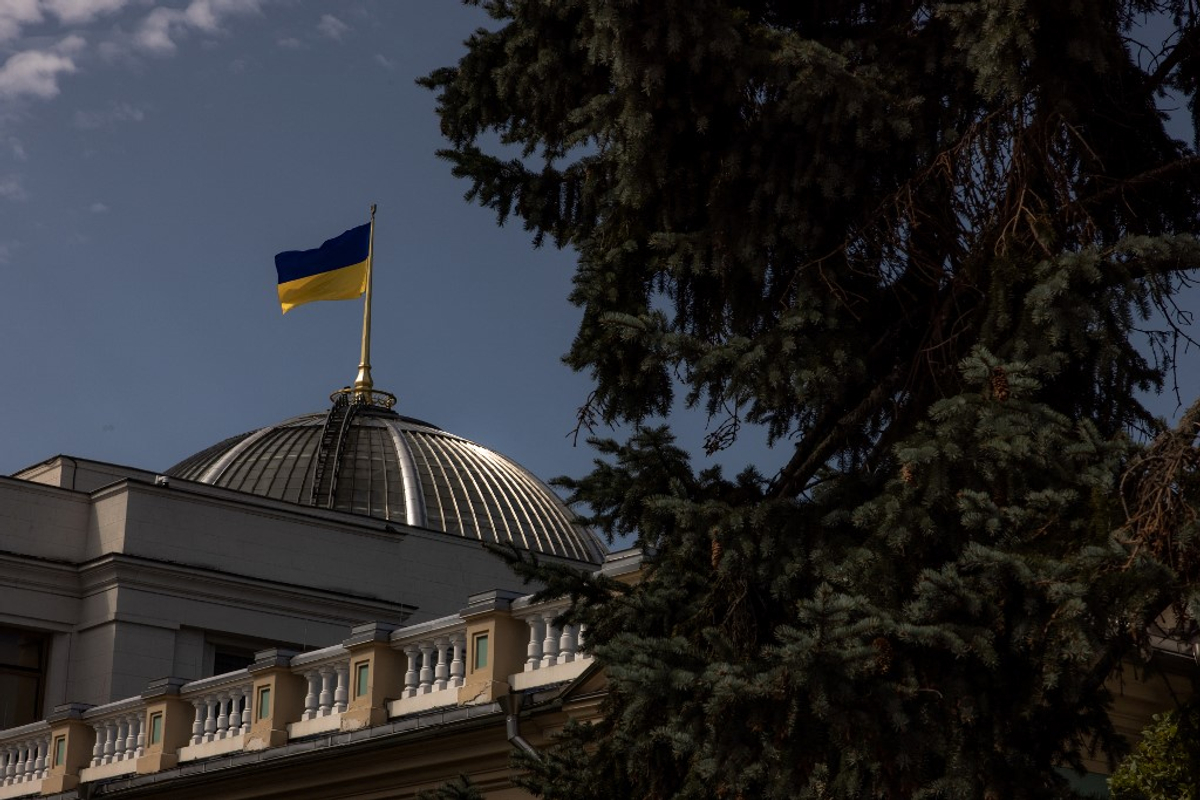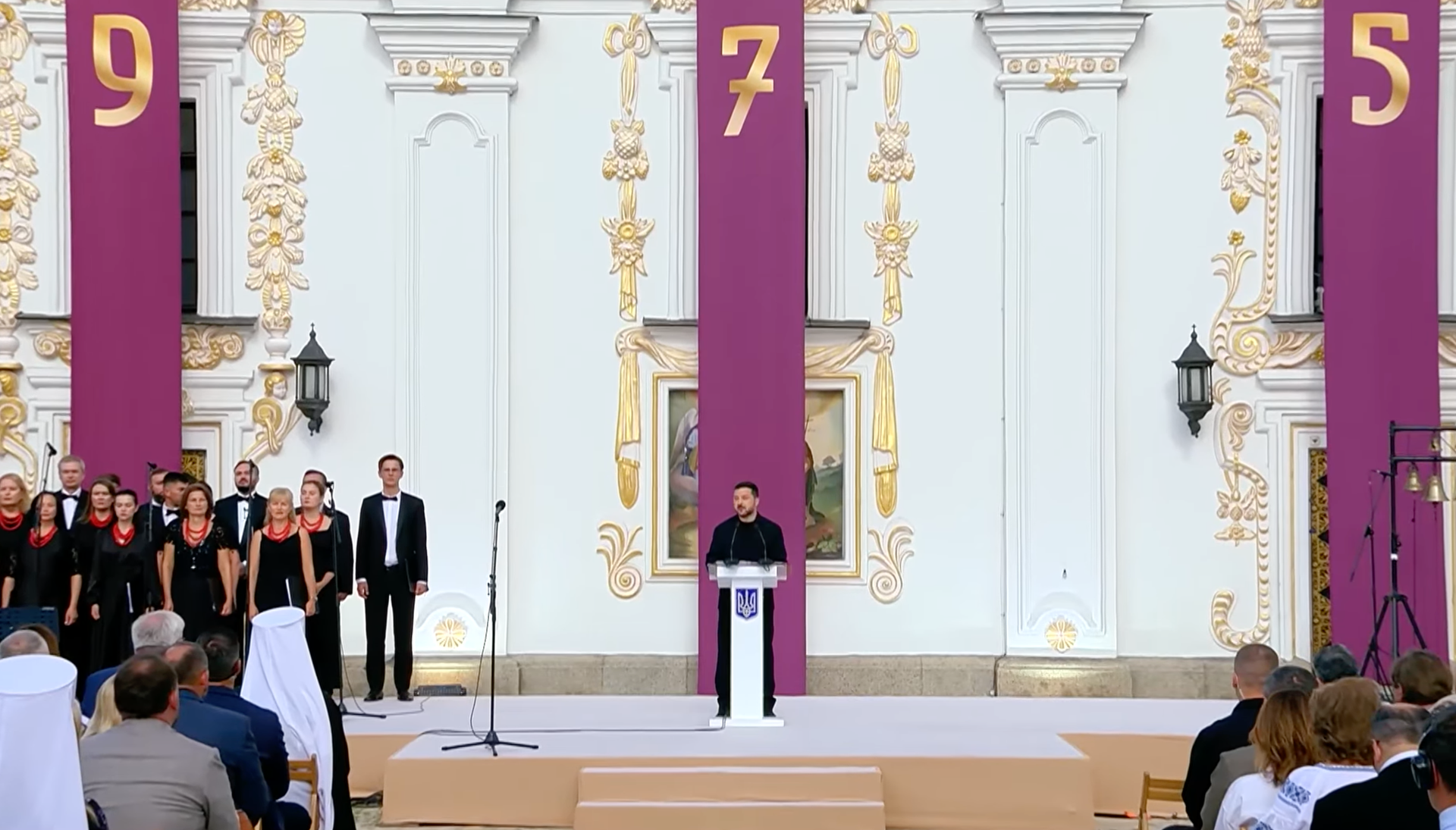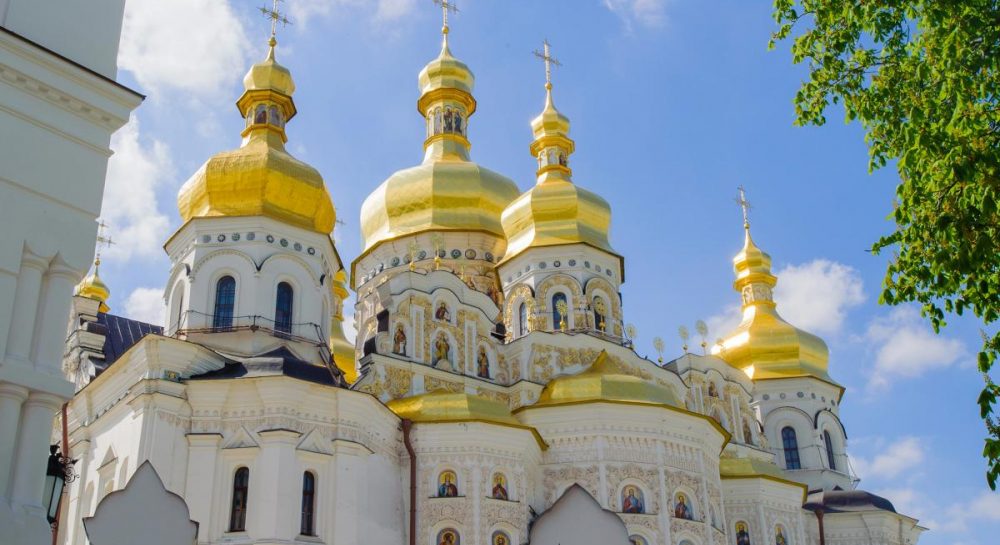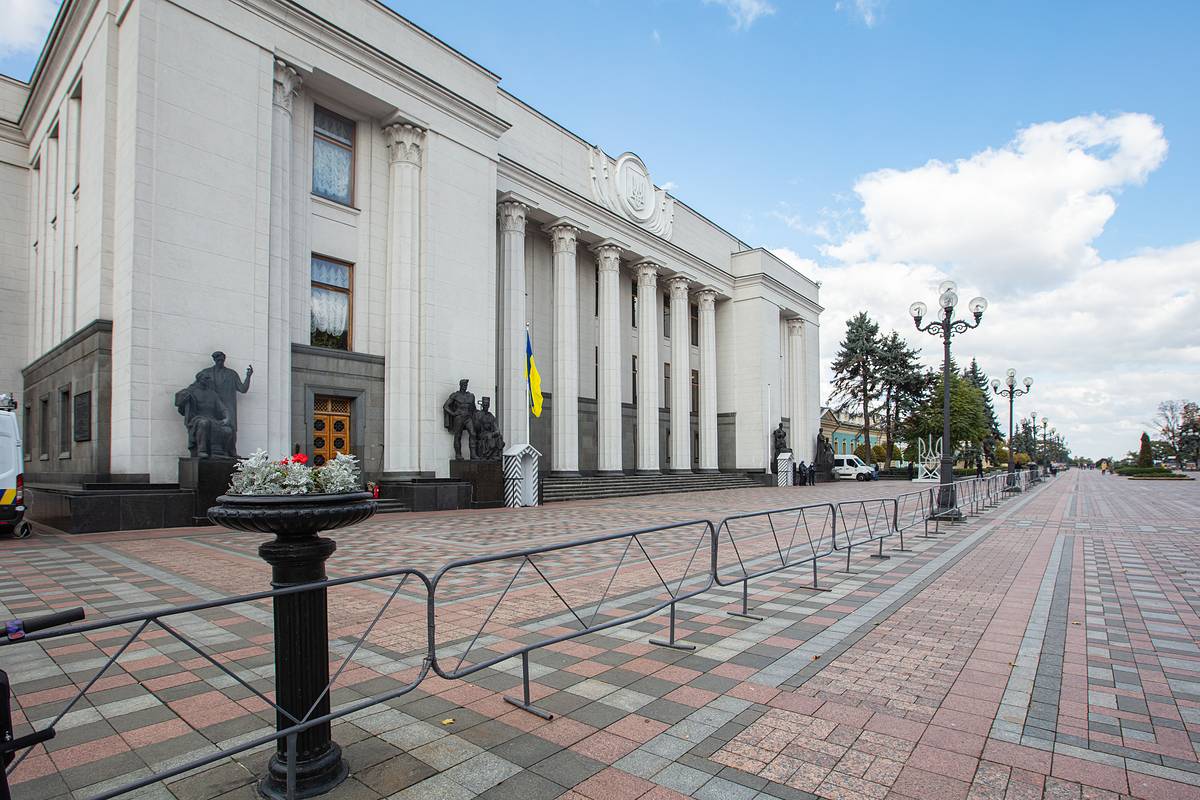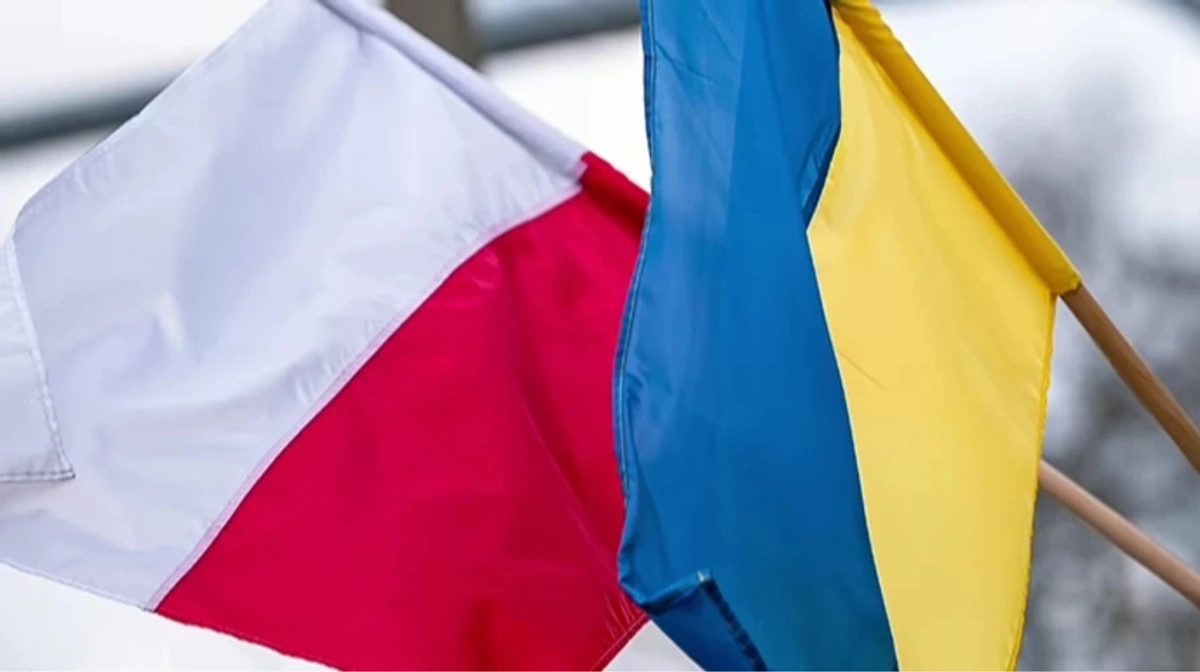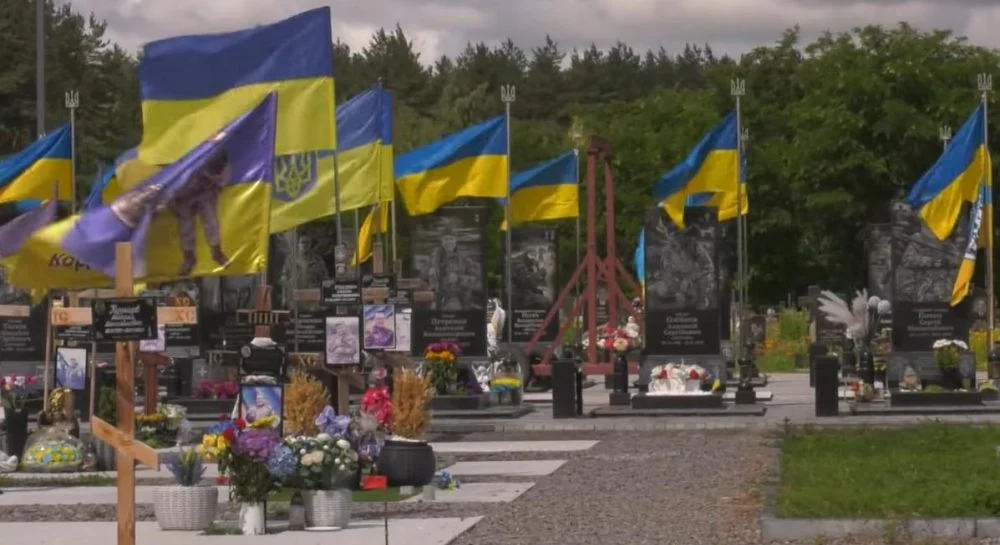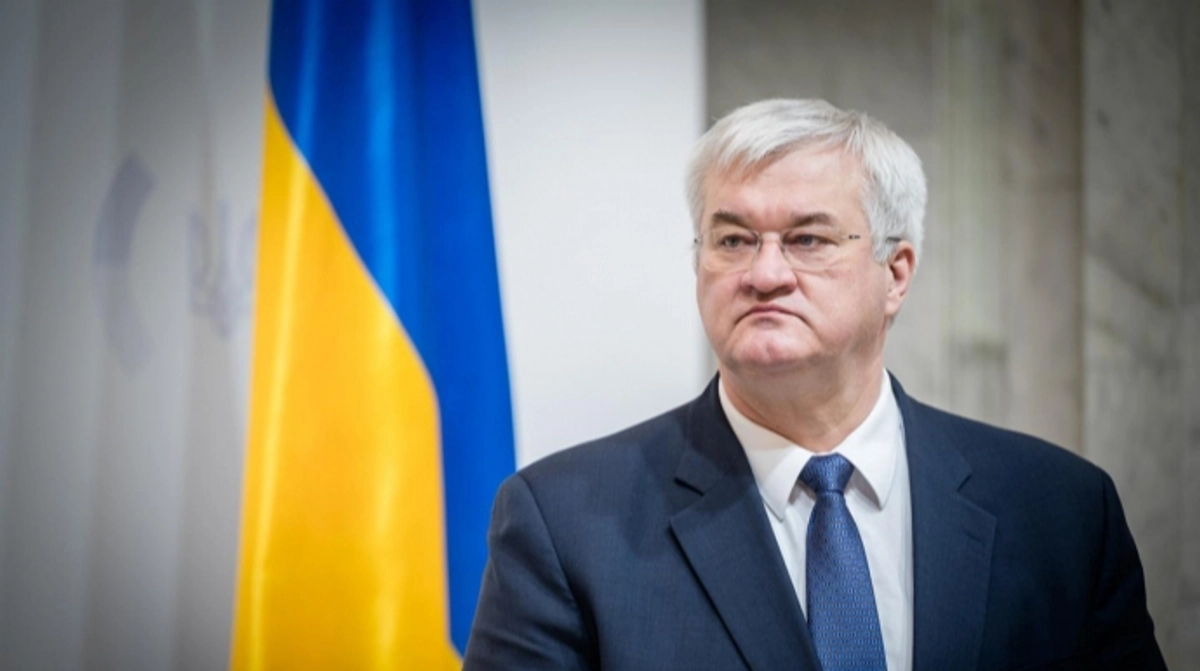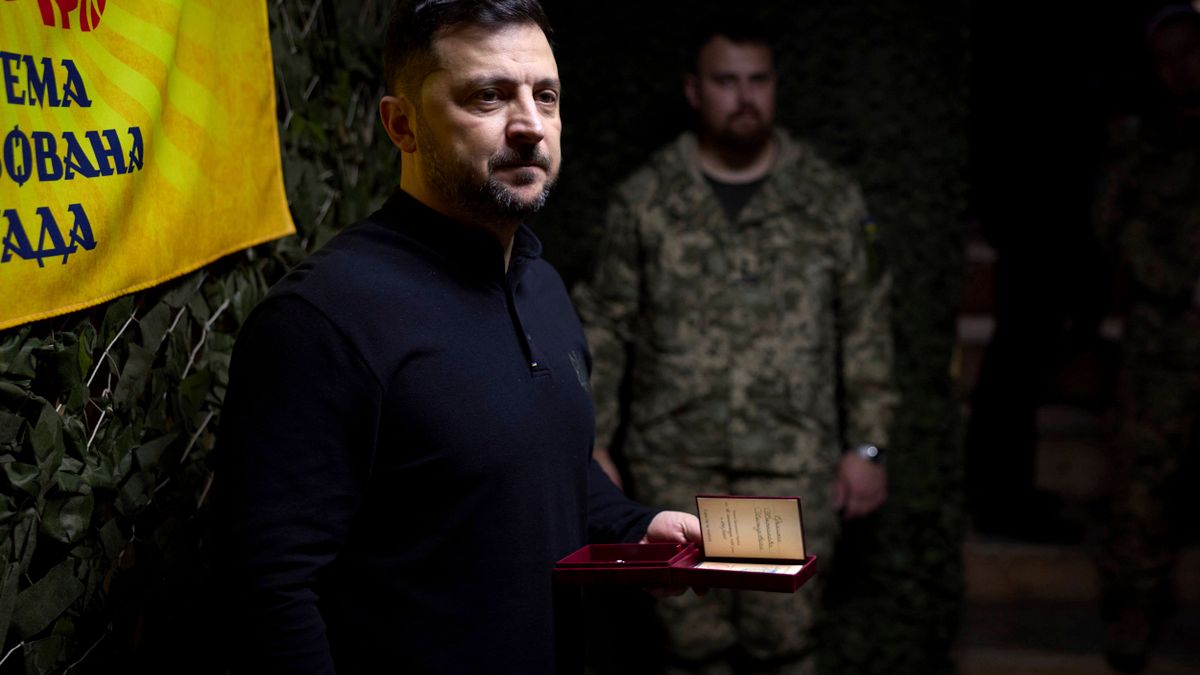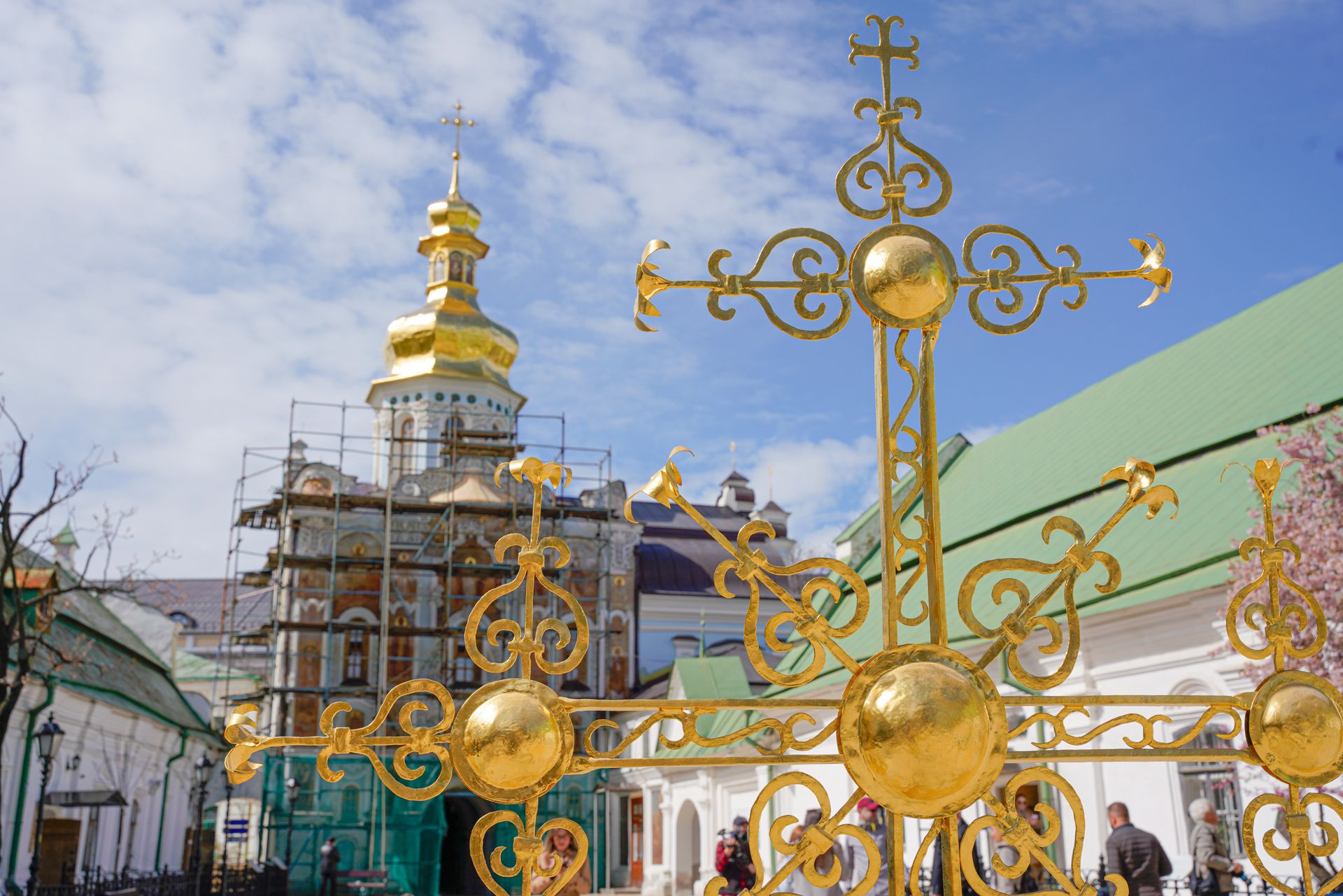
Ukraine's cabinet of ministers decided on July 1 to advance the idea of creating a national pantheon memorial complex, and to situate it on the site of the Kyiv Pechersk Lavra, one of the world's holiest Christian places.The original Pantheon is in Rome, Italy, originally conceived as a pagan temple to "all gods", hence its name. However, the Ukrainian idea takes inspiration more from the Pantheon in Paris, which after the French Revolution was transformed into a mausoleum for citizens who made an exceptional contribution to the French State and national identity.The decision to place the Pantheon on the territory of the Kyiv Pechersk Lavra would associate it with what Metropolitan Epiphanius, head of the Orthodox Church of Ukraine, calls "one of the holiest places in the Christian world." The Dormition Cathedral, located on the Lavra complex, was set ablaze in a Russian attack on June 15, after which France's Foreign Minister Jean-Noël Barrot drew a comparison between it and another French landmark, the Notre Dame Cathedral, which was also ravaged by fire in 2019. The bill requires the Ministry of Culture, which manages the Lavra site, to consider "restrictions on the use of land, for the protection of cultural heritage, and other international obligations," when deciding on the location, and to launch an architectural competition for its design.President Volodymyr Zelensky submitted the bill to Parliament on June 28. Its passing on July 1 was hailed by Ukraine's Institute of National Remembrance in a July 4 Facebook post as the result of a "long journey from an idea expressed over 30 years ago."But the announcement follows weeks of worsening relations between Ukraine and Poland over how each side chooses to remember the darkest chapters of their shared history, and several Ukrainian nationalists from the time of World War II are being floated as potential candidates for re-burial in the Pantheon.Foreign Minister Andrii Sybiha visited Poland on July 3 with proposals to defuse the situation, namely by intensifying dialogue between the two countries' foreign ministries, historians, and religious leaders.
Pantheon of Ukrainian heroes to be built at Kyiv's Pechersk Lavra
The decision to place the Pantheon on the territory of the Kyiv Pechersk-Lavra is associating it with what Metropolitan Epiphanius, head of the Orthodox Church of Ukraine, calls "one of the holiest places in the Christian world."
338 words~2 min read