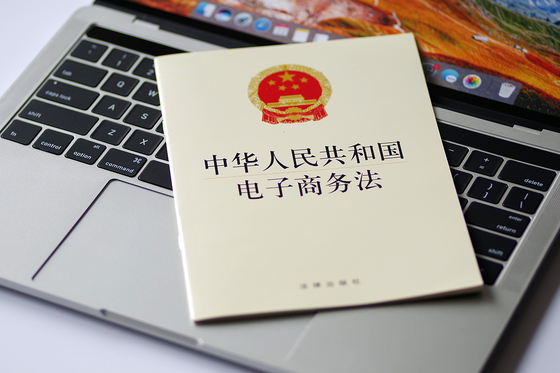
TL;DRChina released draft amendments to its e-commerce law that would expand platform regulation domestically while adding legal “countermeasures” to protect companies like Temu and Shein facing tariffs and fines abroad. The 20 provisions are open for public consultation until August 4.
China released draft amendments to its e-commerce law on Saturday, proposing 20 provisions that would expand the law’s reach beyond platforms and merchants to cover a wider range of participants in the digital economy. The proposal, jointly issued by the State Administration for Market Regulation and the Ministry of Commerce, is open for public consultation until 4 August.
The timing is not accidental. China’s e-commerce giants are simultaneously facing the tightest domestic regulatory scrutiny in years and an increasingly hostile reception in their largest export markets.
What the amendments would change
The original e-commerce law, which took effect in January 2019, focused primarily on platform operators and the merchants selling through them. The draft amendments would extend regulatory oversight to all participants in what Beijing now calls the “platform economy,” a sprawling category that now includes AI-powered shopping agents, logistics providers, payment processors, and the data infrastructure connecting them.