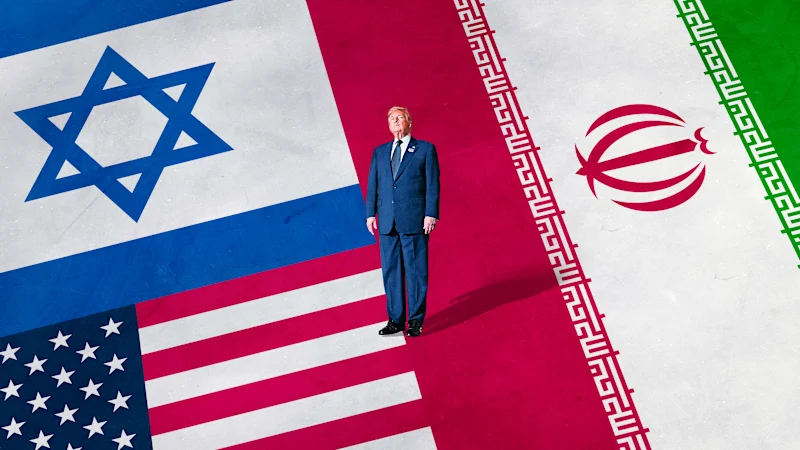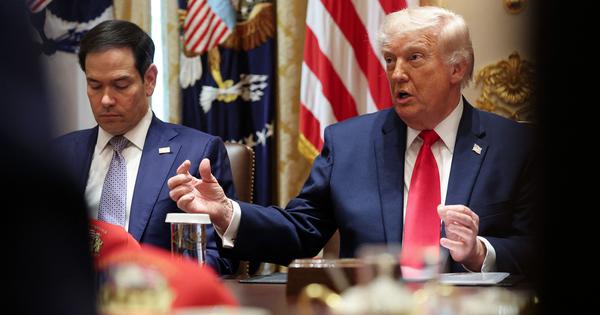
Former Israeli ambassador to the United States, Danny Ayalon, has sharply criticized the recently signed U.S.-Iran Memorandum of Understanding (MoU), describing it as a “massive surrender” to Iran. This comes in the aftermath of the 2026 Iran War, which saw U.S. and Israeli strikes on Iran escalate into a broader regional conflict. The MoU aims to de-escalate tensions by establishing a ceasefire and reopening the Strait of Hormuz, among other terms. However, Ayalon’s comments underscore a significant strain in U.S.-Israel relations, reflecting domestic Israeli concerns over perceived concessions made by the U.S. to Iran, including the waiving of sanctions and support for reconstruction efforts.
The criticism from Ayalon appears to have influenced market perceptions surrounding the success of the U.S.-Iran deal. Prediction markets related to the deal’s components, such as reconstruction funding and enrichment caps, show a decline in confidence. The market for U.S.-Iran reconstruction funding being included in the deal currently stands at 37% YES, reflecting a decrease from previous levels. Meanwhile, markets monitoring the likelihood of a final nuclear agreement by various deadlines also indicate lower confidence, with the August 13, 2026, deadline at a mere 4.5% YES.