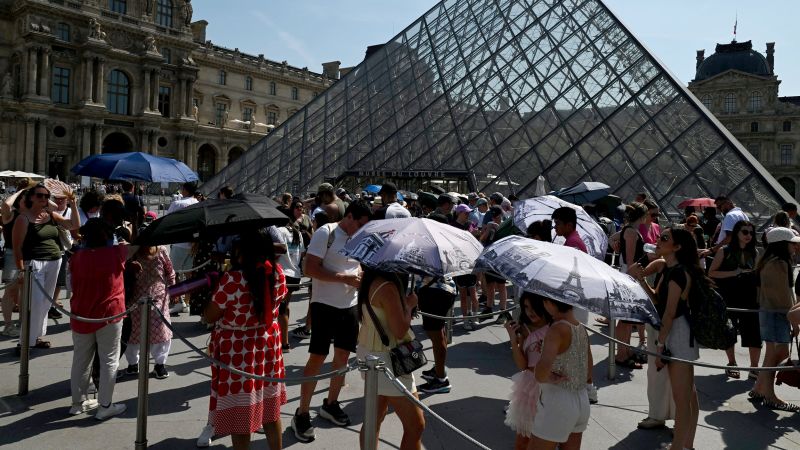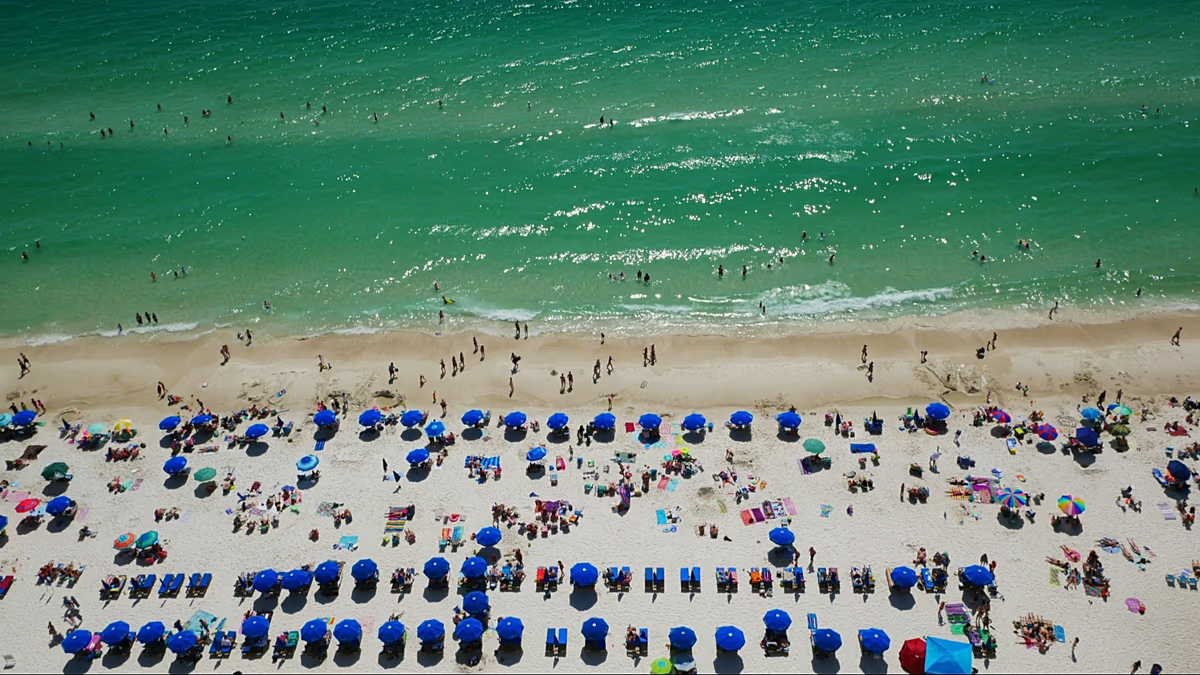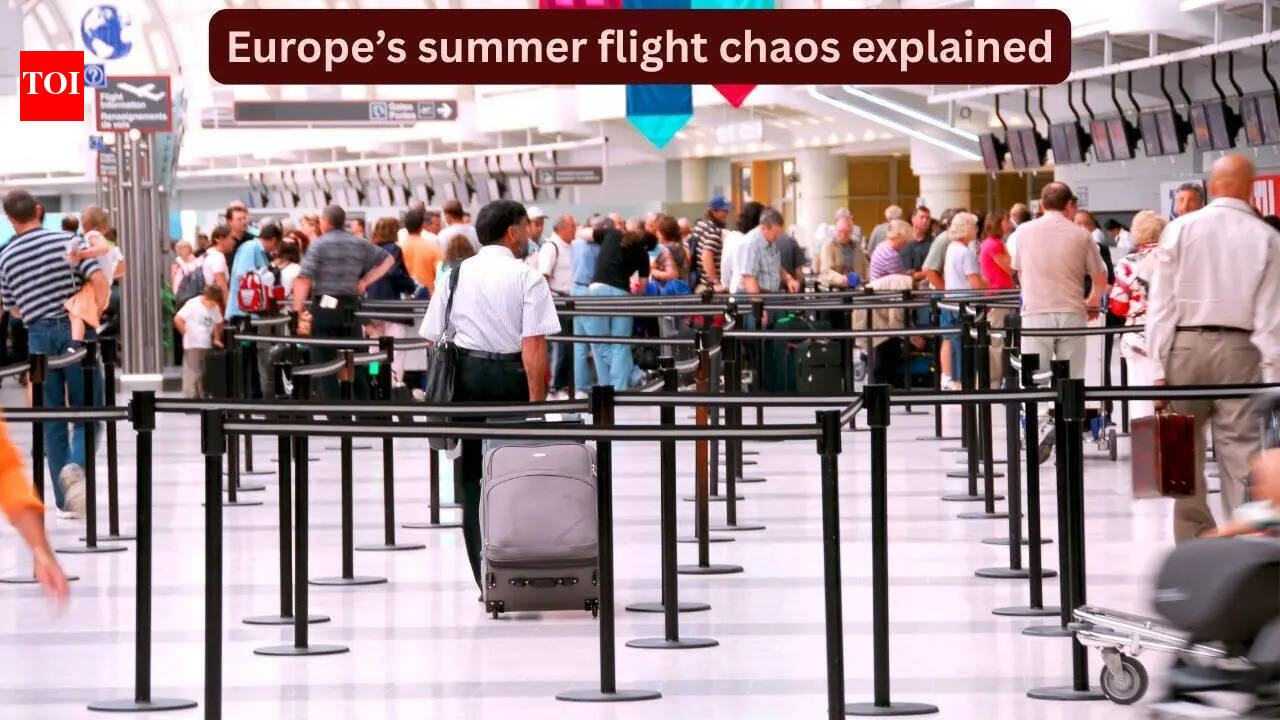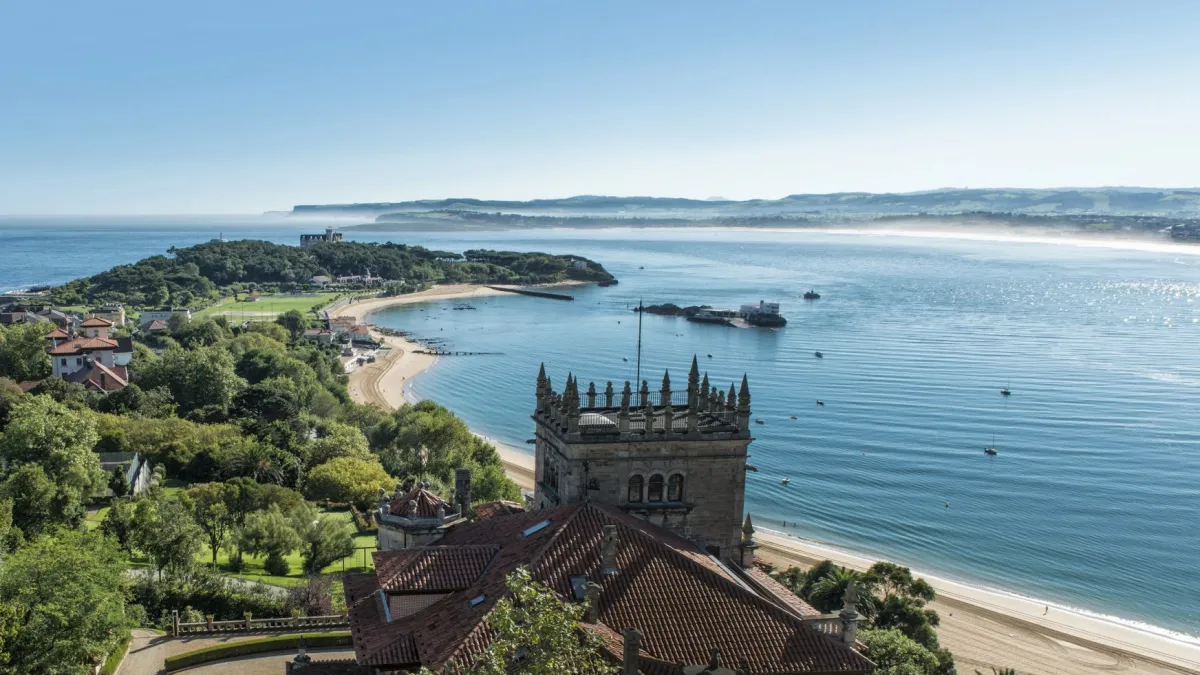
Spain is the top EU destination for Europeans this summer, according to European Travel Commission research.gettyThis summer season could be complicated for air travel because of the European heatwave, the World Cup, and a war-induced jet fuel crisis. What’s clear is that Europe will be busy. Here are five facts that the data seem to support about your summer vacation, particularly if you’re heading to Europe.1. What’s clear is that Europe will be busy with Europeans and AmericansAccording to the European Travel Commission’s (ETC) latest Monitoring Sentiment for Intra-European Travel, most Europeans plan to holiday within Europe, while Southern and Mediterranean Europe continues to be the preferred destination—with Spain (14%), Italy (12%), France (8%) and Greece (7%) leading the pack.What’s more, four in five Europeans (81%) plan to travel between June and November 2026. The report says, “Europeans continue to prioritize travel despite economic pressures, geopolitical tensions and climate-related challenges.” Travel intentions have increased across nearly all age groups, reaching their highest level among travelers aged 45–54 (86%).Likewise, while it seems that lots of Americans are staying more local this summer, TripIt data shows that international travel remains resilient: international flight bookings in June, July, and August are up 23.5% compared to 2025, with travelers staying abroad slightly longer—12.6 days on average, up from 12.1 days last year. The perennial European favorites, London, Paris and Rome, take the top three spots for international flight destinations according to the data.2. If You Haven’t Already Booked, Prices Are Unlikely To Decrease, So Book NowA recent live Q&A at Bloomberg noted that while oil prices are high, they aren’t guiding air travel prices. Rather, prices are driven by crowded airspaces, so airlines can’t sell flights more cheaply. The advice is to use points to book and be as flexible as possible around dates. Airlines are also cutting back on capacity and focusing on profitability, so seat counts are decreasing. None of these factors suggest that prices will go down, so if you’re not already booked and want to go, now is the time to book.Bloomberg travel experts did point out that new airline routes will not be as full or as expensive. Since Spirit Airlines' collapse, JetBlue has expanded into some of these routes, which might be less expensive.3. Use the ‘Somewhere Old, Somewhere New’ Mantra To Avoid OvercrowdingThe ETC research, which measures sentiment, motivations, and behaviors related to domestic and intra-European travel across 10 major European markets, including the U.K., finds that most Europeans (52%) prefer lesser-known or off-the-beaten-path destinations and intend to avoid overcrowding. It suggests that travelers are still visiting the major sites but looking beyond the main attractions or discovering lesser-known places.To avoid overcrowding and keep costs down, you can fly somewhere well-known, then tack on a short trip to a nearby place that's less crowded—a trip to Milan and then a sojourn to the stunning Dolomites is a good example.4. Expect More Use Of Biometric Data This SummerGlobally, facial security is being used at terminals much more than ever before, which sometimes speeds things up and sometimes slows them down. Prepare accordingly and be patient.Travelers arriving at a European destination should plan for lines due to possible delays with the new Entry Exit System EES that is now operational across Europe.5. Take More Measures To Keep Cool In Expected Excessive HeatEurope is now the fastest-warming continent in the climate crisis, and every summer seems to get worse. An intense heatwave occurred in late May 2026 across western Europe, with temperatures more than 10°C above average in parts of western France, England, and Wales. A late-June heatwave also recently spread across much of western and southern Europe, with records broken in countries including France, the U.K., Spain, and Switzerland.It seems trite to offer obvious suggestions, but these temperatures have been challenging for locals and absolutely require itinerary modifications. For Americans, Europe is not renowned for its air conditioning, although that is slowly changing, but do not assume that destinations will have the temperatures that you’re used to. Make sure you explicitly enquire about the presence of air con or, at the very least, ventilators before you book accommodation. Drink plenty of water, of course, but electrolytes without a high sugar content will help. Visit key tourist sites early or late in the day, and book tickets in advance if required—which is increasingly the case due to overtourism.The data is clear. In a crowded, hot, hot, hot summer, the best travel strategy for visiting Europe may be to slow down and build in extra flexibility—make sure you plan for crowds, heat and delays before you leave home.MORE FROM FORBESForbesEurope’s New Border Control, EES, Is Now Operational—What To KnowBy Alex LedsomForbesHow Useful Is Your Passport In 2026 For The Best Global Mobility?By Alex Ledsom
Traveling To Europe? Five Things To Expect This Summer
This summer in Europe is expected to be busy and scorching. Here are five things to expect on your travels and how to prepare accordingly.
793 words~4 min read