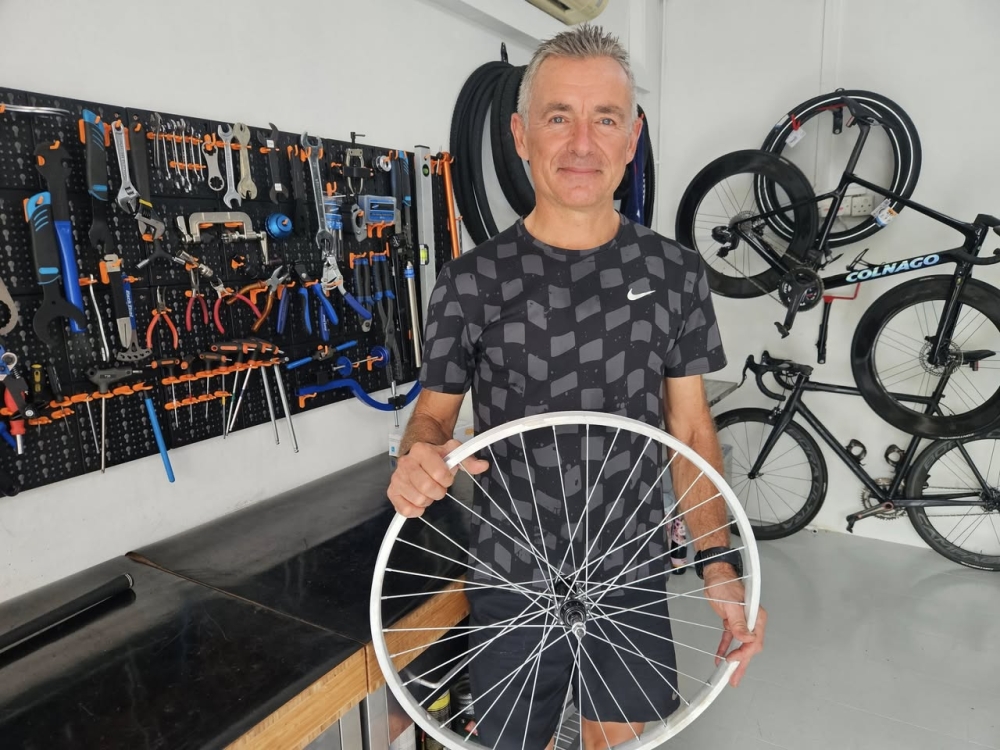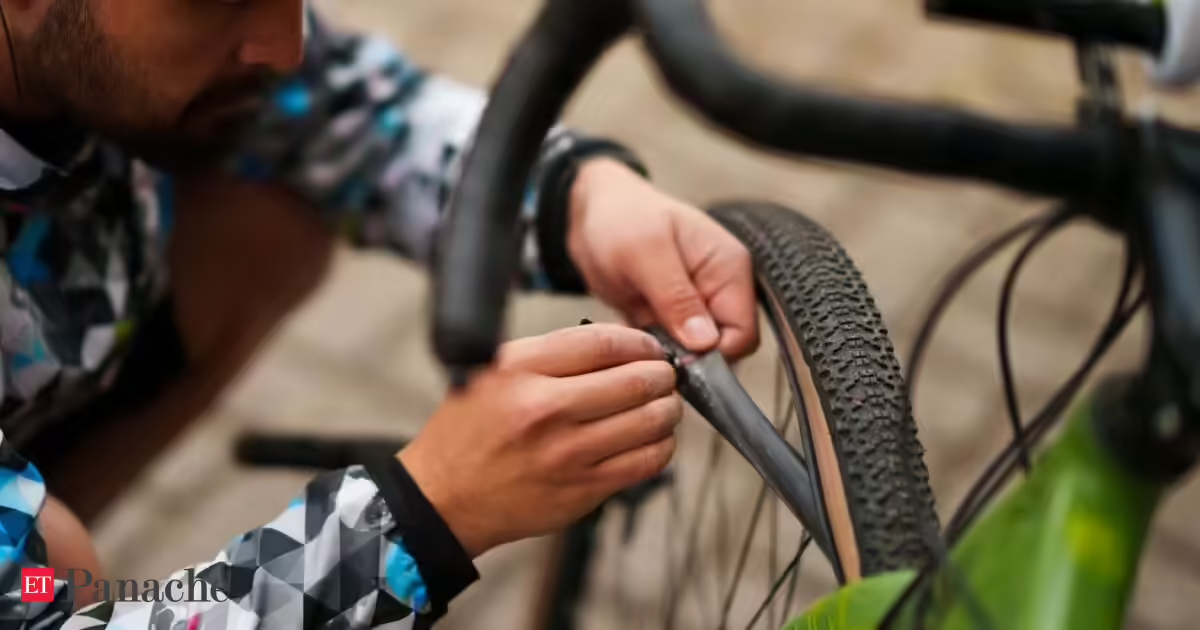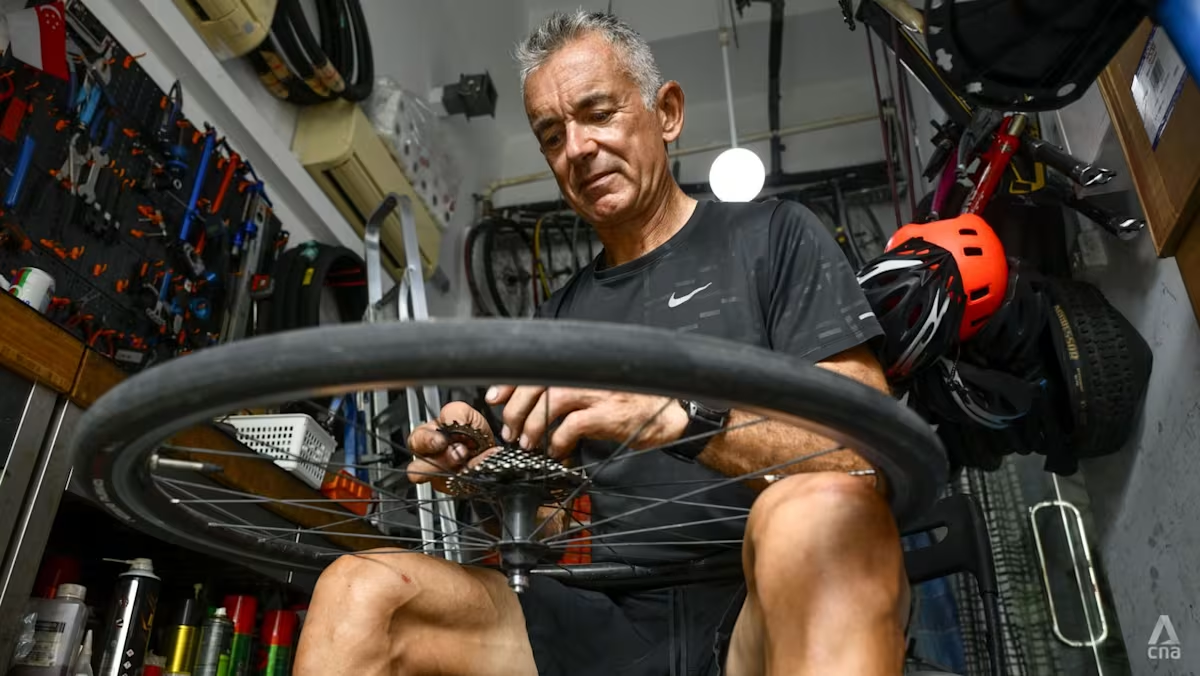
When my Grab driver pulled up in front of the humble little shop unit in Balestier, he squinted at the LED signage out front."'Free Bicycle Repairs'," he read. "Free ah? How to earn money like that?"He wasn't the only sceptic. Now and then, after Mr Philip Mehl finishes repairing a bicycle, the 56-year-old still encounters hesitation from customers who ask: "How much?" "Free," he says. "That's why I call it Free Bicycle Repairs."In a city like Singapore, which often appears on global lists ranking the most expensive cities to live in, the concept of anything worthwhile being offered for free seems surprising, to say the least.Yet, on a bustling Balestier street, Mr Mehl operates his bicycle repair social enterprise entirely on a pay-it-forward model.Five days a week, he is on his feet from 11am to 6pm, fixing bike after bike, his hands constantly caked in grease.
When the shop doors close, he sits down to spend hours on administrative work, carefully tracking in spreadsheets the bikes he touched that day and the repairs they needed, the parts he used, and every cent that's changed hands.He usually sees a stream of people trickling in and out all throughout business hours, he told me. Each day, he fixes an average of 25 bikes, which works out to about three or four an hour.We shifted around the small, cluttered unit looking for a good spot to snap some photos, but between the piles of tools, the worktable buried under spare parts, and the walls laden with bicycles and gear, it was not easy."I'm sorry, I'm just not (a very tidy) person," apologised Mr Mehl, but we didn't mind. We were in his domain, after all.His "customers" fall into three main groups: the elderly who need their market bikes to stay active, children and teens who can't yet afford expensive repair services, and, most needfully, migrant workers who rely on their bikes to get to work.