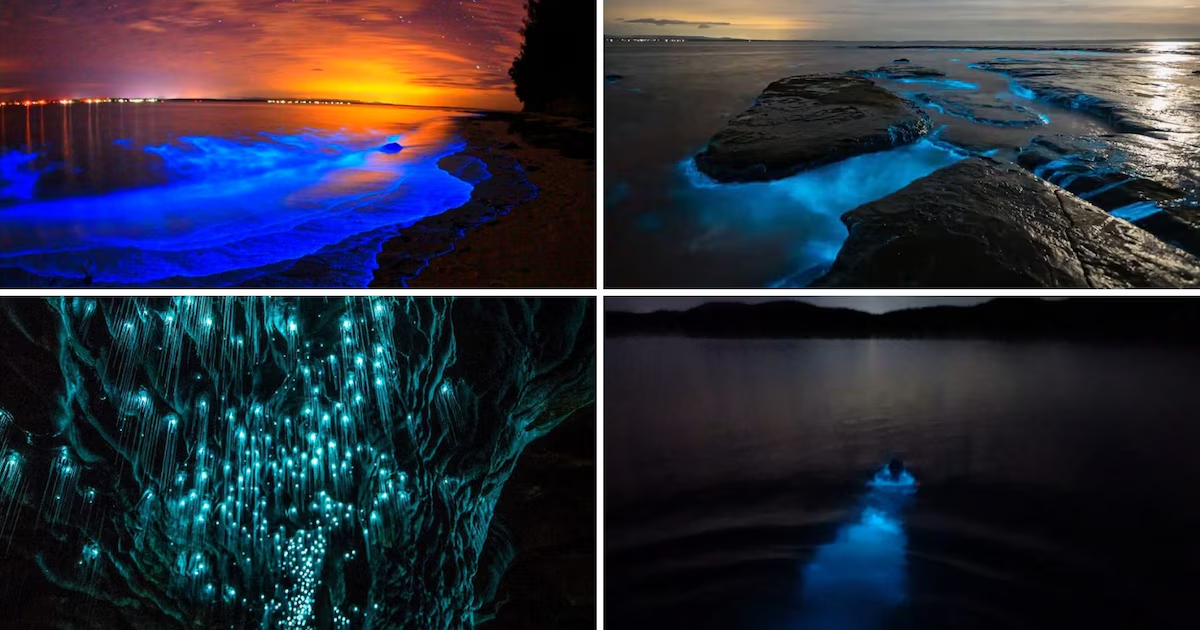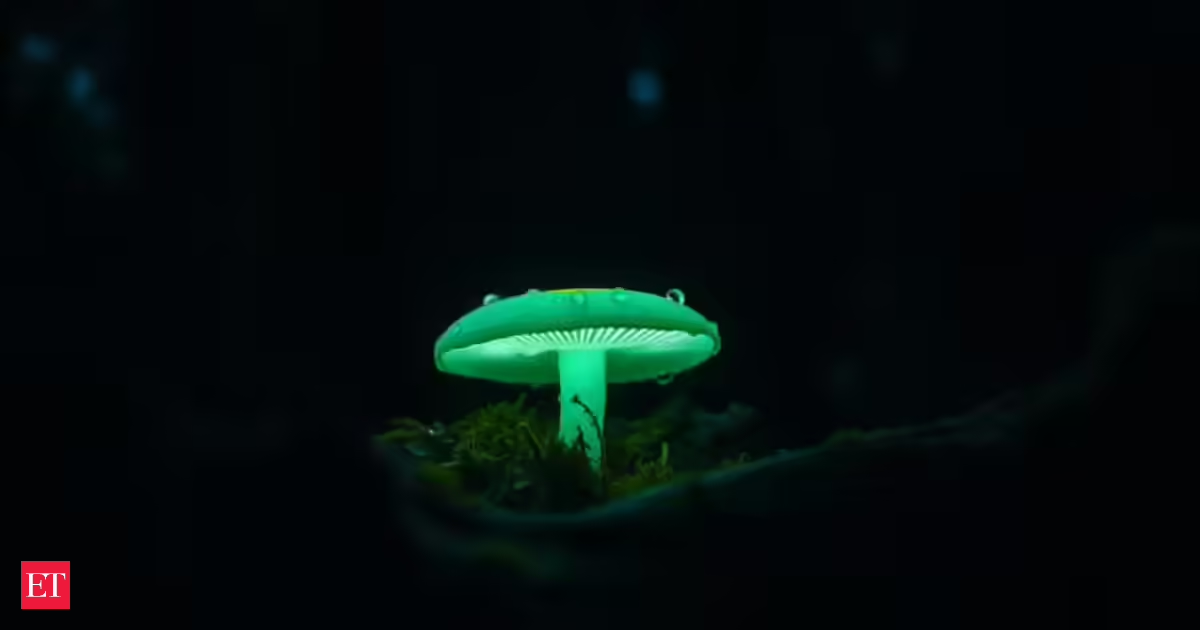
Researchers have identified new bioluminescent fungi in Mexico's cloud forests, including species never before recorded anywhere in the world. According to a study published in the Journal of Fungi, the discovery expands scientific understanding of glow-in-the-dark fungi and highlights the biodiversity of the country's fragile cloud forest ecosystems.The newly identified fungi belong to the genus Mycena, a group known for containing many bioluminescent mushroom species. Researchers found them growing on decaying wood in a protected cloud forest in western Mexico dominated by oak and sweetgum trees at an elevation of more than 1,500 metres. The study combined microscopic examination with genetic analysis to confirm that the fungi represented previously undescribed species.How bioluminescent fungi produce lightResearchers explained that the mushrooms glow through a chemical reaction involving luciferin, a light-producing compound, and the enzyme luciferase. The reaction releases visible light instead of heat, a process known as cold light.According to the study, around 80 mushroom-forming fungal species are known to produce light in this way. The glow is generally strongest in actively growing mycelium and young mushroom caps and is usually only visible after dark because of its faint intensity.Earlier studies confirmed Mexico's first glowing fungiThe latest discovery builds on earlier research that first confirmed bioluminescent fungi in Mexico. According to a study published in the journal Mycotaxon, Mycena stylobates and Panellus stipticus were the first species confirmed to glow in the country after being collected from relict cloud forests.Researchers noted that although Panellus stipticus had previously been recorded in Mexico, its local populations had not been confirmed as bioluminescent because the species does not glow consistently across all regions. Confirming that Mexican specimens produce light added an important finding to the scientific record.Scientists continue to study why fungi glowResearchers said the evolutionary purpose of fungal bioluminescence remains uncertain. One leading theory suggests the glow attracts nocturnal insects, which then help disperse fungal spores throughout the forest.According to previous research, experiments using artificial glowing mushrooms equipped with green LED lights attracted more nighttime insects than unlit controls, supporting this hypothesis. However, other studies involving Australia's ghost fungus found no significant difference in insect visits between glowing and non-glowing samples, indicating the purpose of bioluminescence may differ among species.Discovery highlights importance of cloud forest conservationResearchers said documenting bioluminescent fungi helps scientists better understand how widely the trait occurs across fungal groups and forest ecosystems worldwide.They added that Mexico's cloud forests are biodiversity-rich habitats facing increasing pressure from logging, land clearing and climate change. According to the researchers, each newly documented species contributes to scientific knowledge and strengthens the case for conserving these vulnerable ecosystems.(With inputs from TOI)
Scientists discover new glow-in-the-dark mushroom species in Mexico's cloud forests: Here's why they glow
Mexico's cloud forests are home to newly discovered bioluminescent fungi, some species entirely new to science. These glowing mushrooms, belonging to the Mycena genus, illuminate the forest floor through a chemical reaction. This exciting find, detailed in the Journal of Fungi, underscores the rich biodiversity of these threatened ecosystems and adds to our understanding of why fungi produce light, with theories suggesting spore dispersal through insect attraction.
434 words~2 min read