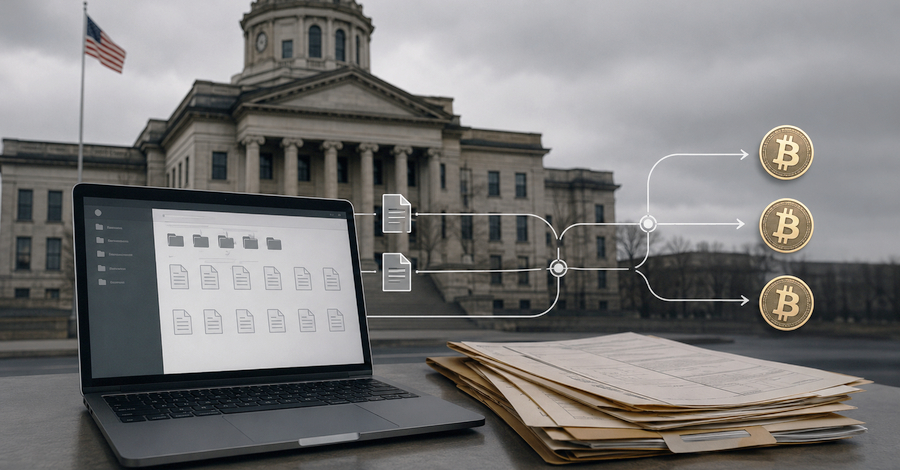
A U.S. government entity paid about $1 million to keep stolen files from being leaked, according to a new case study by Rakesh Krishnan for Ransom-ISAC, built on a leaked negotiation chat and the blockchain trail the payment left.
The odd part: the group that took the money calls itself Kairos, but it may not be a ransomware gang at all. Krishnan found no sign that it ever locked a single machine: no encryptor, no locker, no demand for a decryption key. The threat was simpler. Steal the files, then charge the victim not to publish them.
Krishnan does not name the victim, but the chat points to Union County, Ohio. The proof-of-theft files carry names like Union.xlsx, 1 union co psi template.doc, and a final archive called union.rar. The victim calls itself a small county with limited resources. The attacker leans on one folder in particular, marked "prosecutors office," warning that leaking it would help criminals dodge charges.
The clues fit a real case. In May 2025, Union County, Ohio, said it detected ransomware on its network and later notified 45,487 residents and staff that their data had been taken, affecting most of the county of roughly 70,000. The stolen records ran from Social Security and financial details to fingerprints and passport numbers.