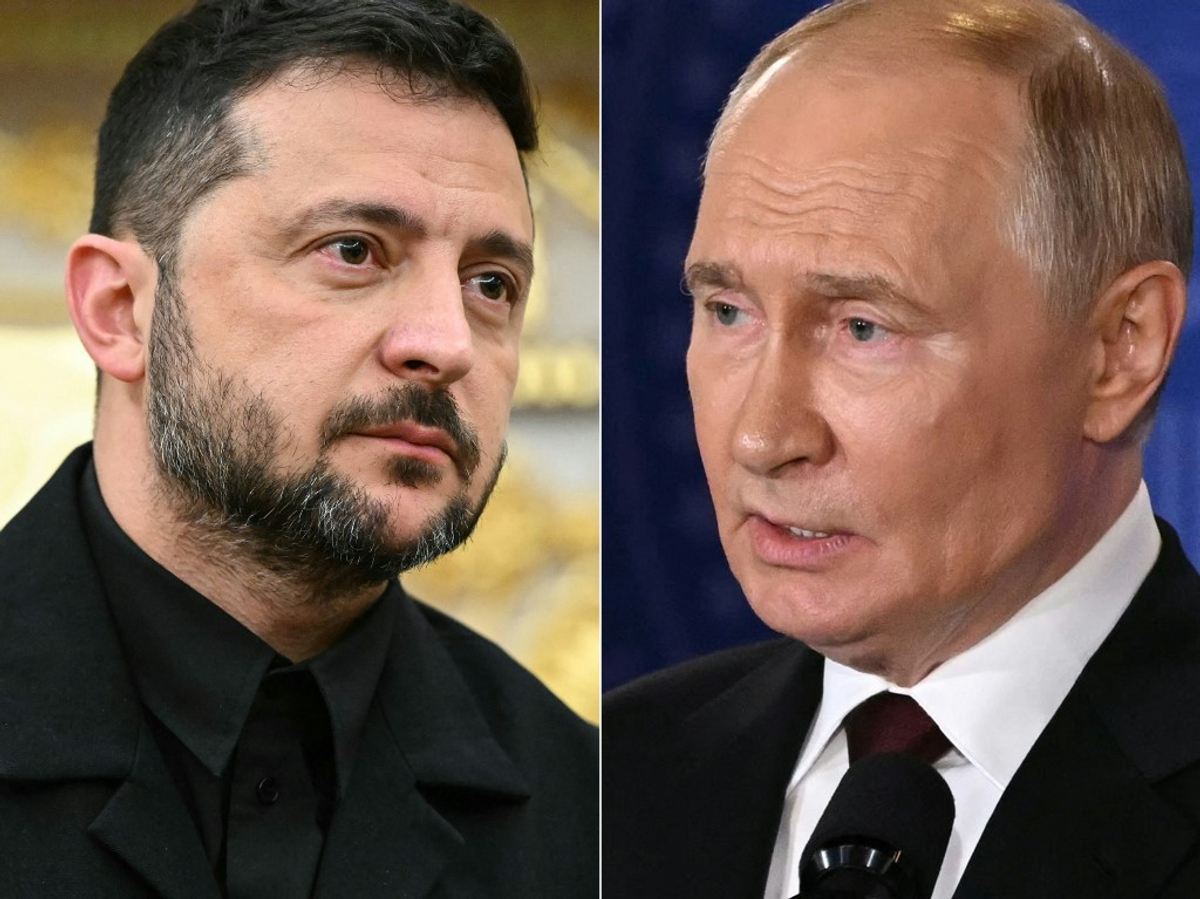
Fundamentally, wars end in five ways: conquest, formal surrender, de facto surrender, disengagement, or negotiation. So, how will Russia’s war of aggression against Ukraine end? That is the question on many minds right now. There has been recent commentary from Volodymyr Zelensky and Vladimir Putin on the state of the war and the peace process. International attention that was lost with the outbreak of the US-Israel-Iran War is beginning to shift back. The recent framework agreements signed between the White House and Tehran and Jerusalem and Beirut elicit curiosity if it may be time for the Russo-Ukrainian War to come to a close, however that may happen.JOIN US ON TELEGRAMFollow our coverage of the war on the @Kyivpost_official. Now into the fifth year of Russia’s full-scale invasion, several of those outcomes can already be ruled out. Understanding which possibilities remain helps explain where the war is heading, and why the next round of negotiations will look very different from the last. The state of play in the conflict From a negotiator’s perspective, Ukraine is in the strongest position it has been in since liberating Izyum in September 2022. The Kremlin was on its heels then, and it is on its heels now. Kyiv has stopped waiting for the international community to increase pressure on Russia and is no longer waiting for permission to hit targets deep in Russian territory. With their self-dubbed “long range sanctions” – that is, strikes on oil factories and military facilities – they have substantially disrupted domestic energy markets and brought the war to Russians’ doorsteps. More and more, ordinary Russians are feeling the effects of Putin’s gambit in Ukraine.
How Will the Russo-Ukrainian War End?
Historically, wars tend to end in five ways. Ukraine has managed to exclude some of less appealing variants due to its stronger position in recent months.
1,399 words~6 min read