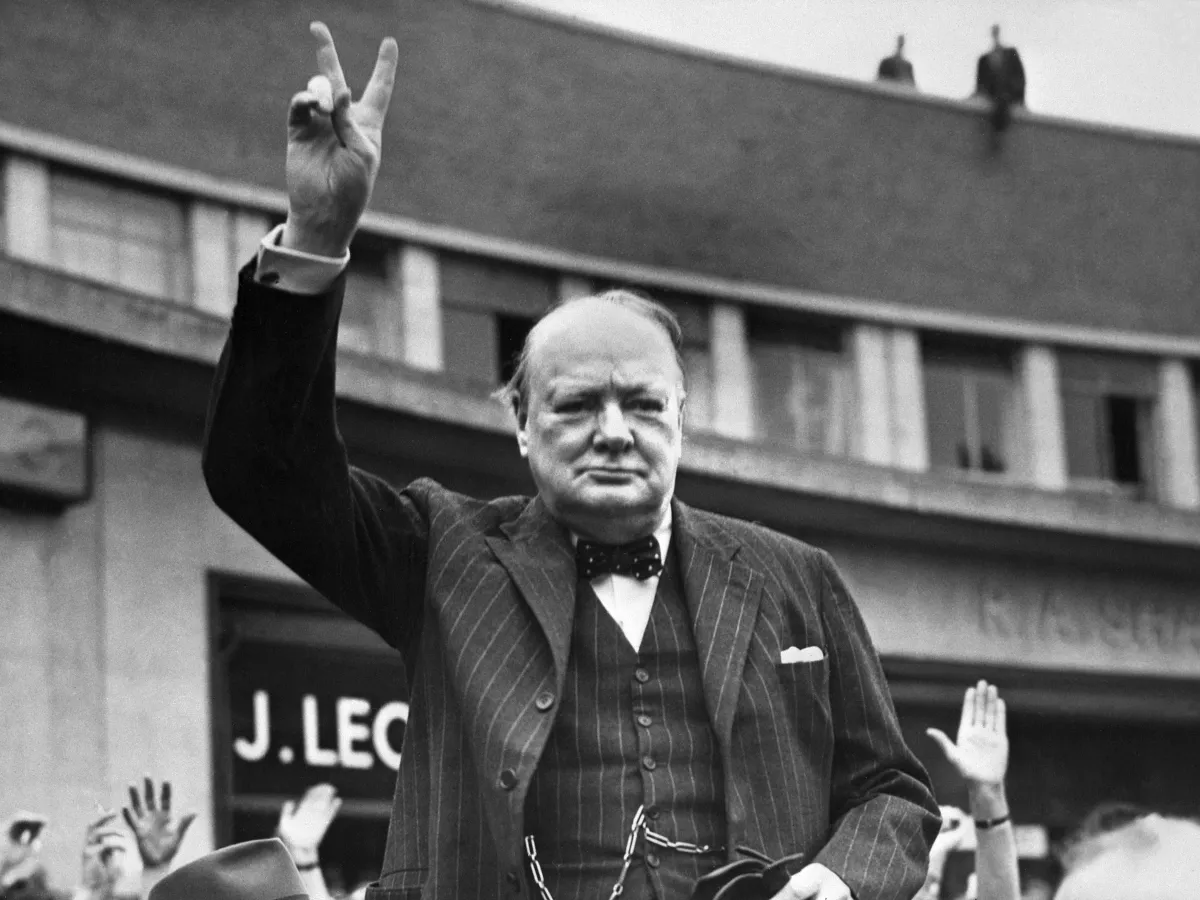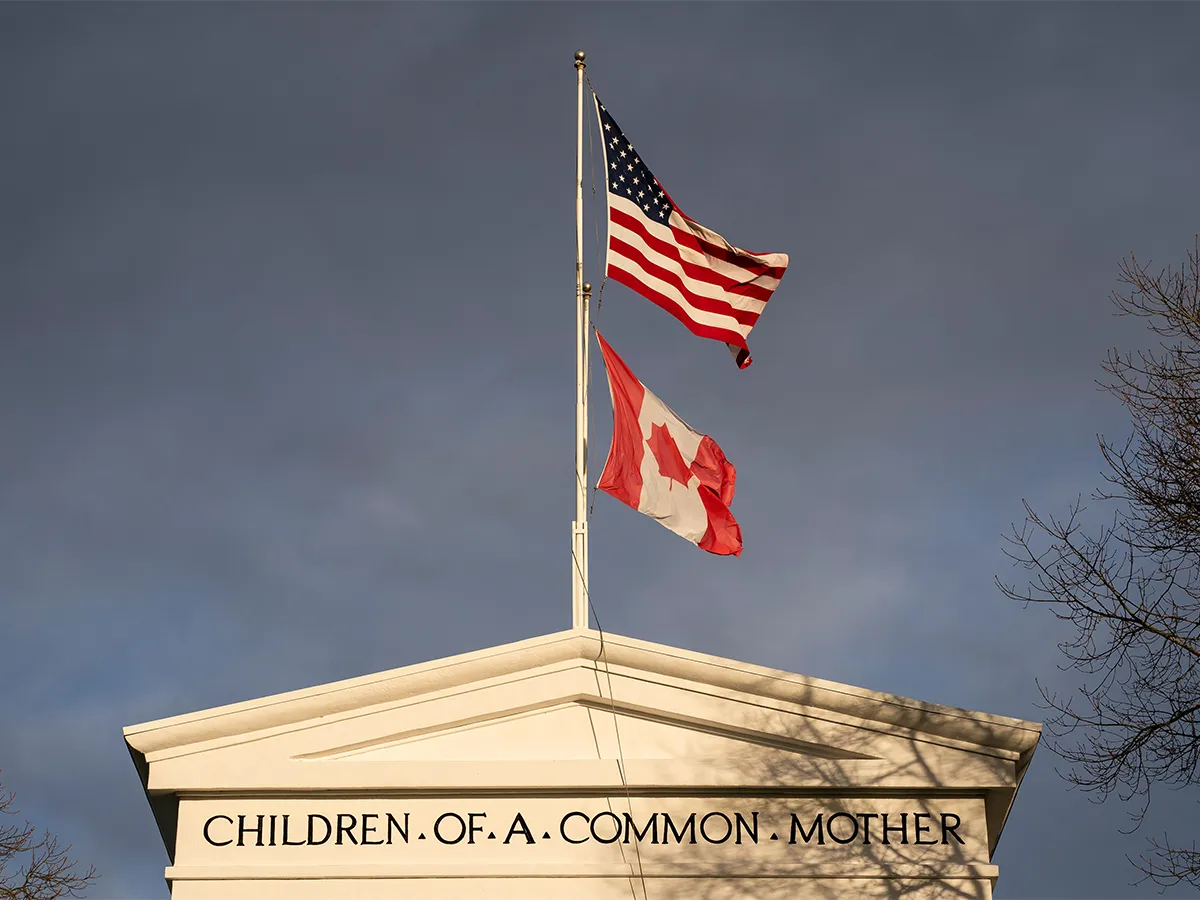
Skip to Content Subscribe Our Offers My Account Manage My Subscriptions FAQ Newsletters Canada Canadian True Crime Canadian Politics Health World Israel & Middle East Financial Post NP Comment Longreads Puzzmo Diversions Comics NP News Quiz New York Times Crossword Horoscopes Life Eating & Drinking Style Sponsored Play for Ontario Travel Travel Canada Travel USA Travel International Cruises Travel Essentials Culture Books Celebrity Movies Music Theatre Television Business Essentials Advice Lives Told Tails Told Shopping Buy Canadian Home Living Outdoor Living Kitchen & Dining Tech Style & Beauty Personal Care Entertainment & Hobbies Gift Guide Travel Guide Amazon Prime Day Deals Savings National Post Store More Sports Hockey Baseball Basketball Football Soccer Golf Tennis Driving Vehicle Research Reviews News Gear Guide Obituaries Place an Obituary Place an In Memoriam Classifieds Place an Ad Celebrations Working Business Ads Archives Healthing Epaper Manage Print Subscription Profile Settings My Subscriptions Saved Articles My Offers Newsletters Customer Service FAQ Newsletters Canada World Financial Post NP Comment Longreads Puzzmo Diversions Life Shopping Epaper Manage Print Subscription HomeNP CommentRaymond J. de Souza: U.S., Canada share a lineage of libertyIn his July 4th speech of 1918, Churchill traced the origin of political liberty and limited government to Britain's Magna CartaLast updated 53 minutes ago You can save this article by registering for free here. Or sign-in if you have an account.The American and Canadian flags fly atop the Peace Arch at the Peace Arch Border Crossing in Blaine, Wash. Photo by David Ryder / BloombergCanadians of goodwill toward the United States — and in the normal course of events that ought to be everyone — nevertheless come to the semiquincentennial of the Declaration of Independence from a unique point of view. If the Founding Fathers had got their way — in the Revolutionary War and then again in 1812 — Canada would not exist as it does today. In 1776 the newly-formed Continental Army, under the command of George Washington, was laying (unsuccessful) siege to Quebec City.Enjoy the latest local, national and international news.Exclusive articles by Conrad Black, Barbara Kay and others. Plus, special edition NP Platformed and First Reading newsletters and virtual events.Unlimited online access to National Post.National Post ePaper, an electronic replica of the print edition to view on any device, share and comment on.Daily puzzles including the New York Times Crossword.Support local journalism.Enjoy the latest local, national and international news.Exclusive articles by Conrad Black, Barbara Kay and others. Plus, special edition NP Platformed and First Reading newsletters and virtual events.Unlimited online access to National Post.National Post ePaper, an electronic replica of the print edition to view on any device, share and comment on.Daily puzzles including the New York Times Crossword.Support local journalism.Create an account or sign in to continue with your reading experience.Access articles from across Canada with one account.Share your thoughts and join the conversation in the comments.Enjoy additional articles per month.Get email updates from your favourite authors.Create an account or sign in to continue with your reading experience.Access articles from across Canada with one accountShare your thoughts and join the conversation in the commentsEnjoy additional articles per monthGet email updates from your favourite authorsSign In or Create an AccountorThe genius of the Declaration is that even those who opposed its particular political project can admire its account of human rights and aspirations of liberty. How then should Canadians think about America’s 250th birthday?This newsletter from NP Comment tackles the topics you care about. (Subscriber-exclusive edition on Fridays)By signing up you consent to receive the above newsletter from Postmedia Network Inc.We encountered an issue signing you up. Please try againOn America’s 142nd birthday in 1918, Winston Churchill gave an address in Central Hall, Westminster, marking a high point in Anglo-American co-operation during the last months of the Great War. Churchill was then minister of munitions and had recovered politically from the military failure at Gallipoli two years earlier.He spoke of the entire “English-speaking family united in a brotherhood of arms.” The achievements of America were an occasion of pride in the imperial capital. As to the Declaration itself, “a great harmony exists between (its) spirit and language and all we are fighting for now.”“A similar harmony exists between the principles of that Declaration and all that the British people have wished to stand for,” Churchill continued, stretching history to his rhetorical purposes, and including Canada as well. “And have in fact achieved at last both here at home and in the self-governing Dominions of the Crown.”The core of Churchill’s argument is that “the Declaration is not only an American document. It follows on Magna Carta and the Bill of Rights (1688) as the third great title-deed on which the liberties of the English-speaking people are founded.”Churchill traces the origin of political liberty and limited government to Magna Carta (1215). Four centuries later, in the standard British telling, the king was no longer observing those limits and thus the Glorious Revolution of 1688 dethroned him in favour of a new king and a new affirmation of the rights of Parliament as against the king.Some 90 years later, the Americans, in listing their grievances against the king, echoed the Bill of Rights. Sometimes a revolution is needed — Glorious or American — to keep things the same. Thus Churchill saw the thread of continuity, with Britain adding an empire of ideas to its traditional empire of lands.“We lost an Empire, but by it we also preserved an Empire,” Churchill said. “By applying the Declaration’s principles and learning its lesson we have maintained our communion with the powerful Commonwealths our children have established beyond the seas.”Canadian liberty is thus part of the same story, which admittedly would have been something of a surprise to the French-Canadians who refused to join the American Revolution, and the United Empire Loyalists who came north afterward.Churchill’s audacious claim is that “wherever men seek to frame politics or constitutions which safeguard the citizen … (and) which combine personal freedom with respect for law and love of country, it is to the inspiration which originally sprang from the English soil and from the Anglo-Saxon mind that they will inevitably recur.”Liberty thus has a British lineage, whether it be American, or Canadian, or otherwise. And in 1918 that story of liberty was ongoing, now including partnership in fighting off European tyrants.The Bill of Rights was not the final word on liberty; the very act entrenched in the British constitution anti-Catholicism, even as the American constitution of 1787 entrenched slavery. The seeds did grow into something more sturdy, through Catholic emancipation and the Civil War and the movements for universal suffrage and racial equality.The drafter of the Declaration, Thomas Jefferson, would have been amused to hear Churchill place him in a line of continuity rather than revolution. He would have appreciated the argument, though, that the Declaration spoke on behalf of all peoples, not just Americans.Jefferson, the third president, and the second president, John Adams, would die on the same day, July 4, 1826, the fiftieth anniversary of the first Fourth.Ten years before his death, Jefferson had already entered the valedictory stage of his history-changing life. In correspondence with a member of the Virginia House of Delegates, Jefferson pleaded retirement: “I wish to avoid all collisions of opinion with all mankind,” styling his letter as “no more than the opinions of one of your thousand constituents.”His opinions had been more powerful than a thousand ships. He had some final advice.“If a nation expects to be ignorant and free, in a state of civilisation, it expects what never was and never will be,” wrote Jefferson.Ignorance and other malignities are advancing in America at 250. The remedy is in part a broad historical horizon, in which the sun has not set on the claims of 1776 — nor of 1688 and 1215.National Post Join the Conversation This website uses cookies to personalize your content (including ads), and allows us to analyze our traffic. Read more about cookies here. By continuing to use our site, you agree to our Terms of Use and Privacy Policy.
Raymond J. de Souza: U.S., Canada share a lineage of liberty
In his July 4th speech of 1918, Churchill traced the origin of political liberty and limited government to Britain's Magna Carta
1,338 words~6 min read