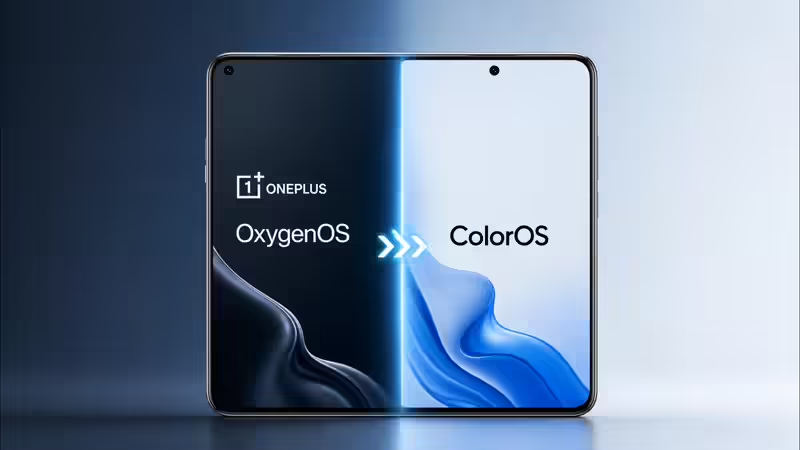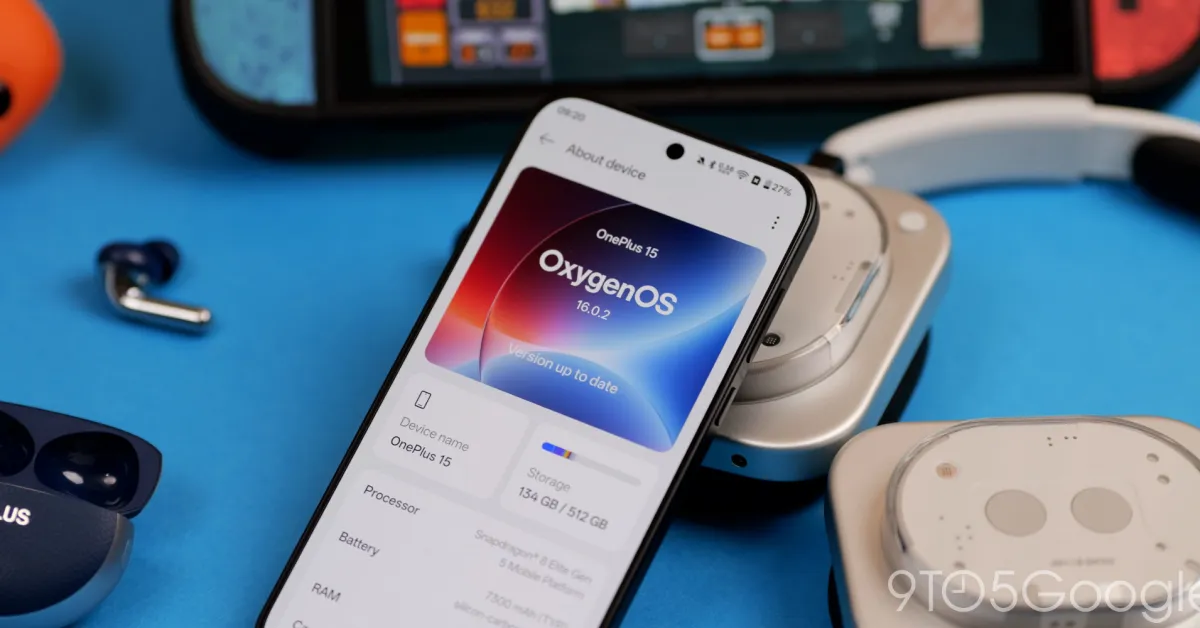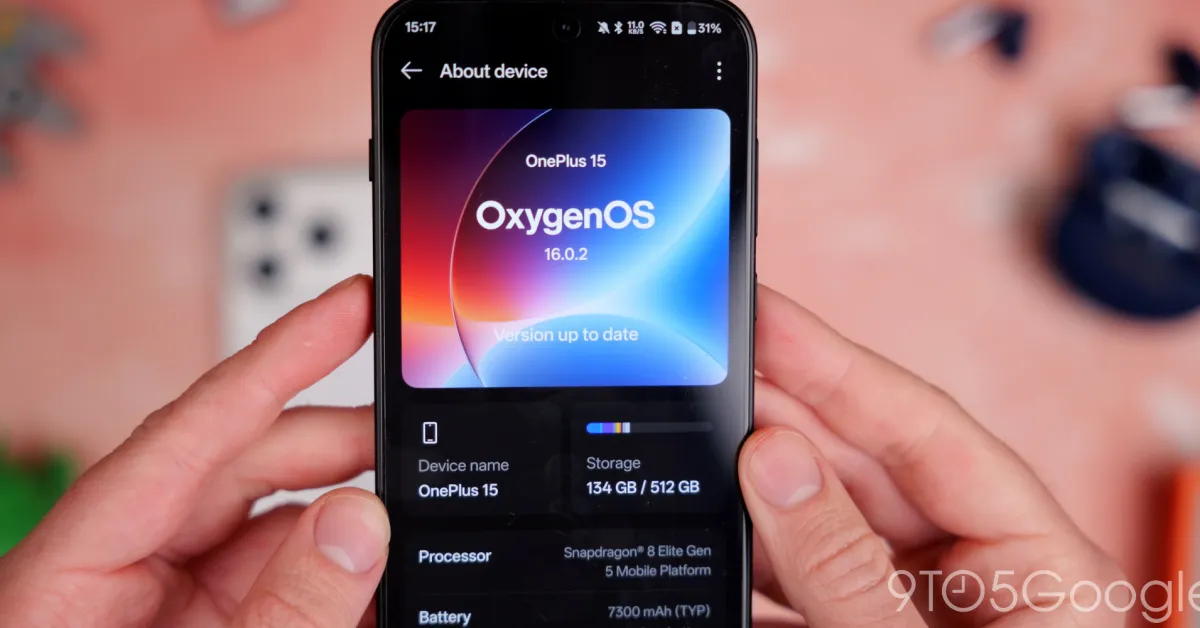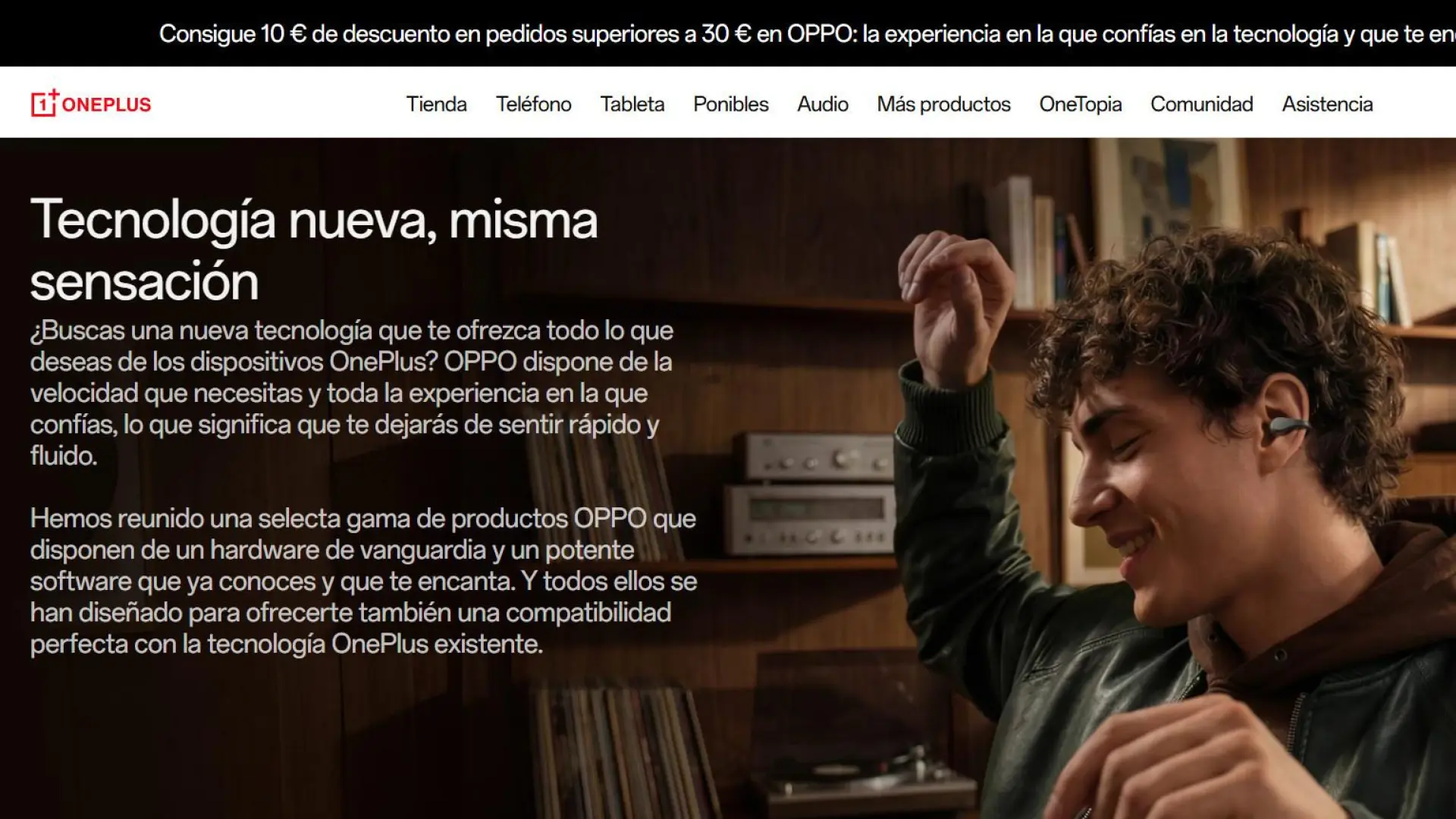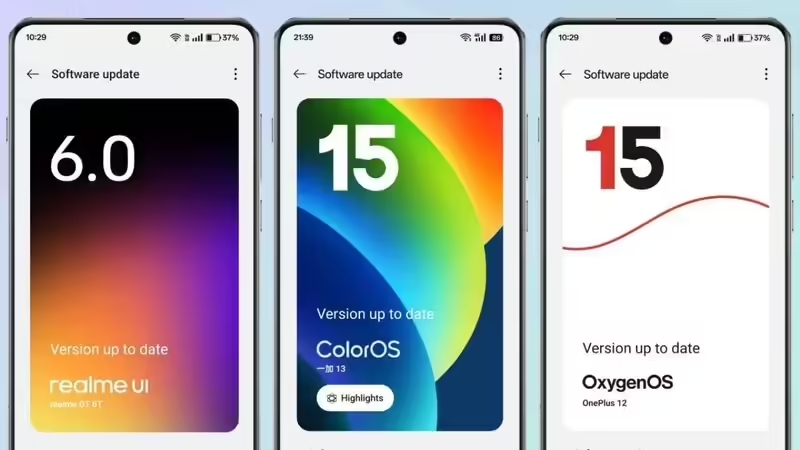
Photo credit: thegadgetshub.inA major shake-up could be on the horizon for OPPO's smartphone portfolio. According to a new report from Smartprix, citing a seasoned industry insider, the company is planning to consolidate the software experiences across its three smartphone brands- OPPO, OnePlus and Realme - by adopting ColorOS as the common operating system for future devices. If the reported plan materialises, it would mark the end of OxygenOS and Realme UI as separate Android skins, extending a software integration strategy that began several years ago.The report also claims the software move is only one part of a wider restructuring that could reshape how OPPO manages its smartphone brands across global markets. Among the reported changes are a narrower geographical focus for OnePlus, a revised market strategy for Realme and closer operational integration between the brands. However, OPPO, OnePlus and Realme have not officially announced any such plans, and the reported changes remain unconfirmed.Report claims OPPO is preparing to unify software across three brandsAccording to the report, OPPO has initiated a broader consolidation of its smartphone business, with software becoming the next major area of integration. Rather than continuing to develop and maintain three separate Android interfaces - ColorOS, OxygenOS and Realme UI - the company is reportedly planning to standardise future smartphones across all three brands on ColorOS.The report suggests that maintaining multiple software platforms requires significant engineering resources, development time and research investment. By moving to a single operating system, OPPO could reportedly simplify software development while reducing research and development costs across its smartphone portfolio. The publication describes the move as the next logical step in the company's ongoing integration efforts rather than an entirely new strategy.The reported transition also builds on an announcement made in 2021, when OnePlus founder and OPPO Chief Product Officer Pete Lau revealed that the codebases of OxygenOS and ColorOS would be merged. At the time, the company said the objective was to combine the speed and familiarity of OxygenOS with the broader feature set offered by ColorOS. According to the latest report, adopting ColorOS across future OnePlus and Realme devices would represent the culmination of that software strategy.Broader restructuring reportedly extends beyond softwareThe report claims OPPO's plans extend well beyond operating systems. It says OnePlus is expected to narrow its business focus to India and China, while Realme will reportedly reduce its presence in China and concentrate on overseas markets.According to the publication, operational consolidation is already visible in certain areas. In India, OnePlus' after-sales support has reportedly been integrated into OPPO's service network, allowing customers to access OPPO's existing service infrastructure. The report presents this as one example of closer cooperation between the two brands as part of the broader restructuring.The report also points to developments outside India that it says may indicate changing priorities. It notes that OnePlus Germany has directed users towards OPPO devices, while product availability on OnePlus UK's online store has reportedly become limited. Although the report interprets these developments as part of a wider consolidation effort, neither OPPO nor OnePlus has publicly linked them to any global restructuring.The publication further claims that while OnePlus and Realme could continue operating alongside one another in India, their overlap in other regions may become significantly smaller if the reported changes move forward.OxygenOS' future remains uncertain under the reported planAmong the biggest reported changes is the possible retirement of OxygenOS, which has been closely associated with the OnePlus brand since the launch of the original OnePlus smartphone. Over the years, OxygenOS developed a reputation among enthusiasts for offering a clean interface, fast performance and a software experience that stayed relatively close to stock Android while adding useful customisation features.The report argues that recent versions of OxygenOS have already become increasingly similar to ColorOS following the merger of their underlying codebases. Despite those engineering changes, the software continued to retain its own branding and interface elements, helping preserve OnePlus' distinct identity.For Realme, the transition may be less dramatic. The report notes that Realme UI has long shared many design elements and technical foundations with ColorOS, which could make a move to a single software platform relatively seamless for existing users.The publication also references OnePlus' earlier software transition in China, where the company replaced HydrogenOS with ColorOS for domestic devices. According to the report, a global move to ColorOS would extend a strategy that has already been implemented in the Chinese market.OPPO has not officially confirmed the reported changesDespite the detailed claims made in the report, OPPO has not announced any decision to discontinue OxygenOS or Realme UI, nor has it confirmed the reported restructuring of its smartphone brands. As a result, the reported software transition, market realignment and operational changes should be treated as claims made by the publication rather than confirmed company policy.If the reported plans are eventually implemented, they could represent one of the most significant organisational and software changes across OPPO's smartphone ecosystem in recent years. Until an official announcement is made, however, questions remain about the timeline, rollout strategy and what the reported consolidation could mean for existing users of OnePlus and Realme smartphones.Frequently Asked QuestionsQ1. Has OPPO officially announced the end of OxygenOS and Realme UI?No. The reported changes are based on a publication citing an industry insider. OPPO, OnePlus and Realme have not officially confirmed them.Q2. Why does the report claim OPPO wants a single software platform?According to the report, maintaining three separate Android skins requires considerable software engineering resources and R&D investment. A single platform could simplify development.Q3. What does the report say about OnePlus and Realme's market strategy?The report claims OnePlus will focus on India and China, while Realme will prioritise overseas markets after reducing its presence in China. These claims remain unconfirmed.Q4. Would existing OnePlus and Realme phones immediately switch to ColorOS?The report discusses future devices and does not state that existing smartphones will immediately receive a software transition.Q5. How does the reported plan connect to OPPO's earlier software integration efforts?The report links the reported move to Pete Lau's 2021 announcement about merging the OxygenOS and ColorOS codebases, suggesting the latest claims would extend that earlier integration if implemented.end of article
OnePlus, Realme could adopt ColorOS globally as OPPO reportedly plans software consolidation
A new report claims OPPO is preparing to retire OxygenOS and Realme UI on future smartphones in favour of ColorOS as part of a broader restructuring of its smartphone business. The company has not officially confirmed the reported changes.
1,019 words~5 min read