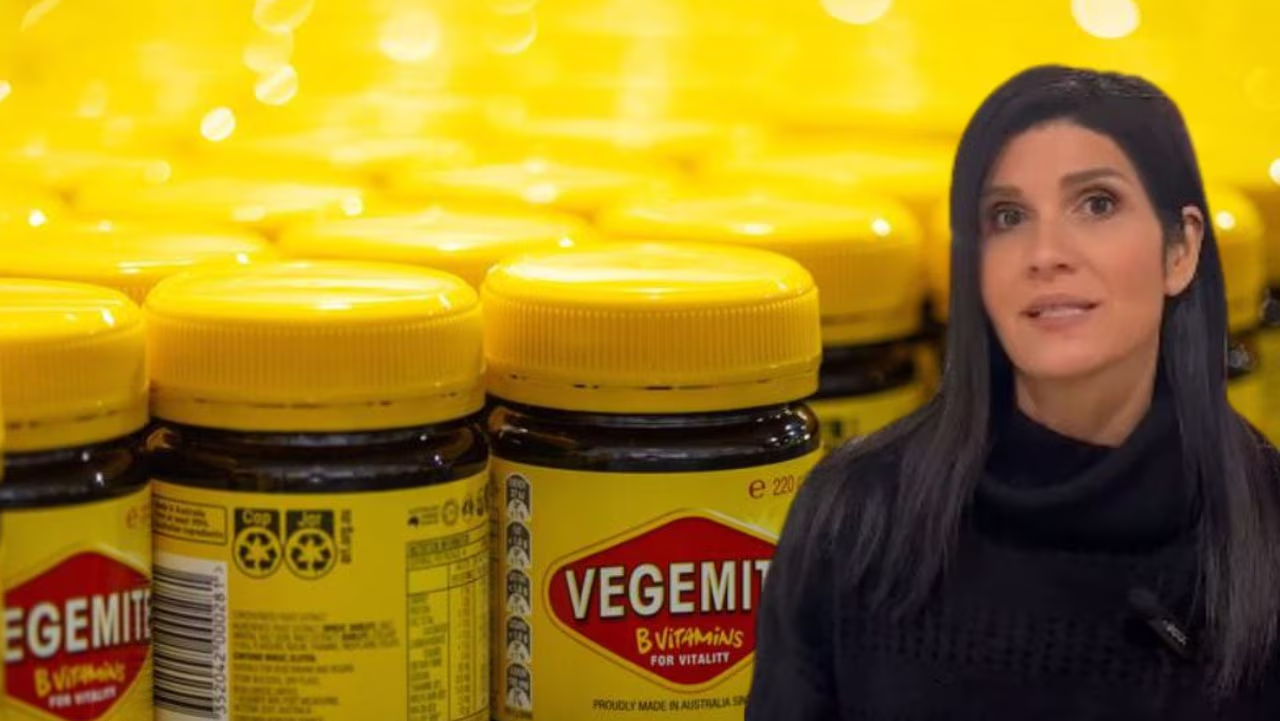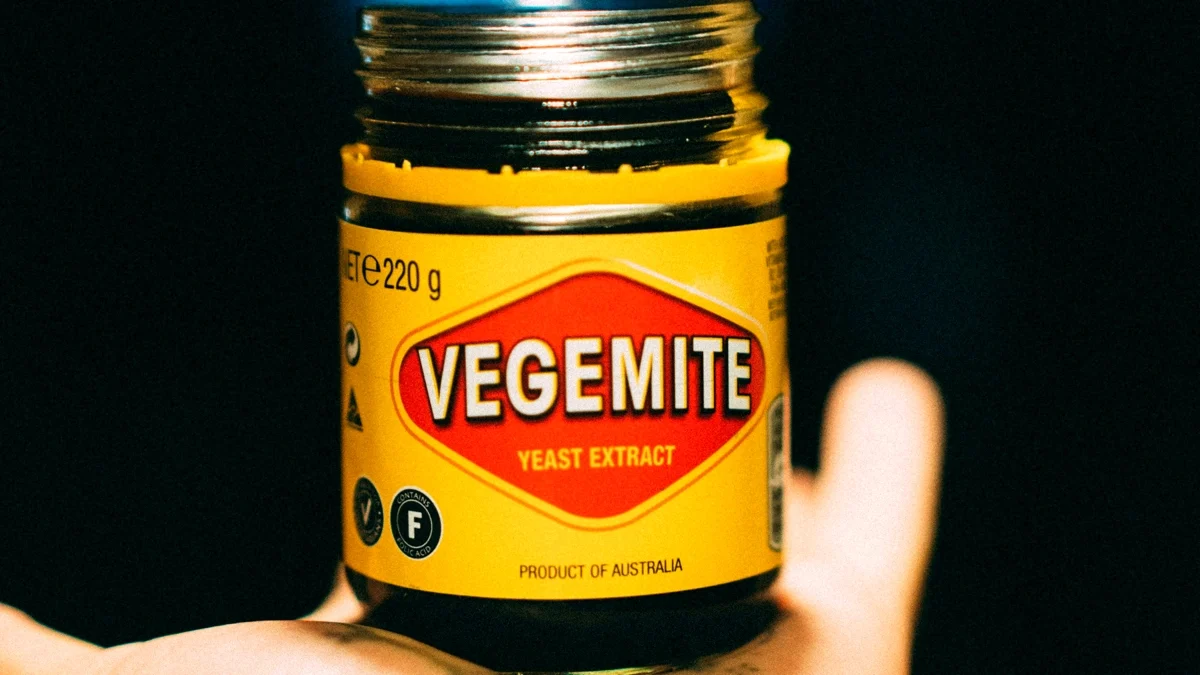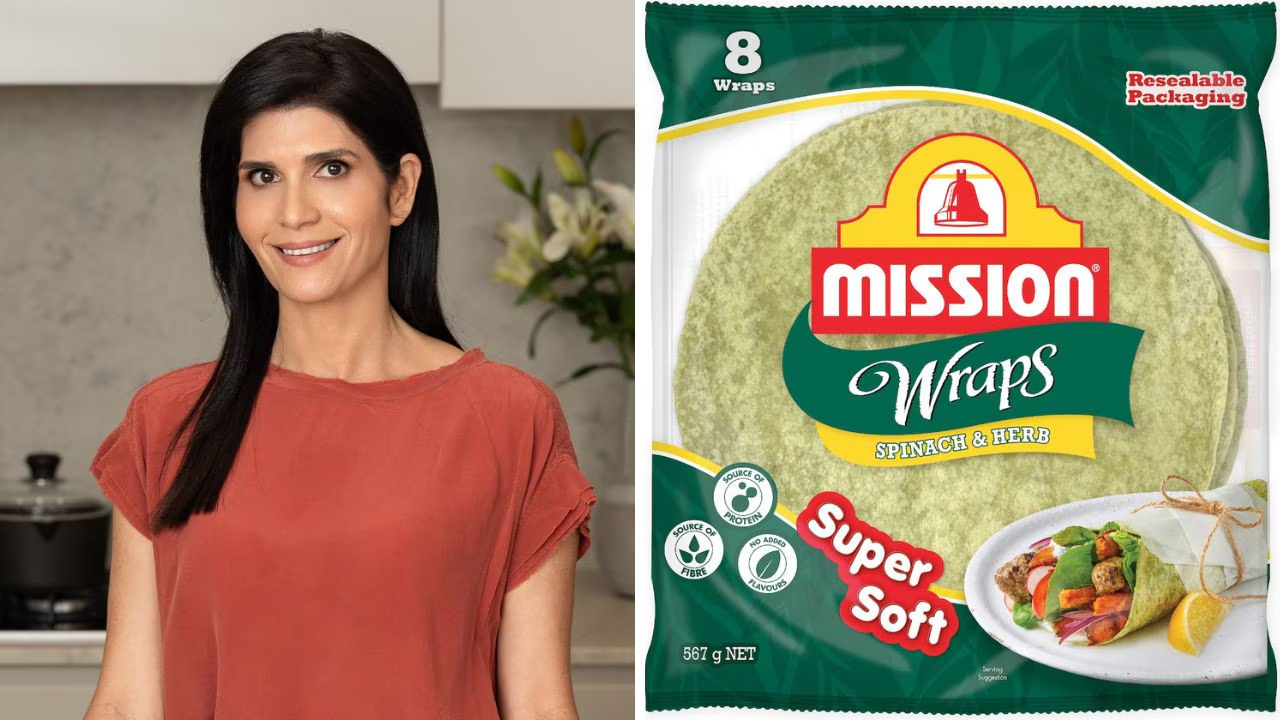
Wraps are a pantry staple that many Aussies view as healthy, but a nutritionist is calling out “misleading” brands that are packed full of additives, including one ingredient linked with restlessness in kids.Mandy Sacher is the founder of the Real Food Rating, an alternative to Australia’s Health Star Rating system.Last month, the pediatric nutritionist revealed to news.com.au that she had been hit with “legal threats” from Bega Group after she criticised ingredients in the company’s iconic products.Bega confirmed it contacted Ms Sacher, but denied making legal threats. However, following her public criticism, the company removed antioxidant 320, also known as Butylated Hydroxyanisole (BHA) – a chemical preservative that stops fats and oils from going rancid – from its peanut butter and launched Vegemite for Kids, a lower-sodium version free of artificial colours.Now, Ms Sacher is taking aim at wraps: a go-to lunch option for adults and children that often masquerade as a healthy option. “There is a lot of misleading marketing hype where food products are being promoted as being your everyday staples; products that are going to help your children concentrate through their school day,” Ms Sacher told news.com.au.“When I actually go to research these products and I look at the ingredients, it’s really mind-blowing what’s actually in them.”One example was Mission’s Spinach & Herb wraps, which stood out on supermarket shelves due to their bright green colour. But Ms Sacher said the product only contained 0.9 per cent spinach, with the green colour instead provided by artificial colours 102 (tartrazine) and 133 (brilliant blue). “They are dressing themselves up as a spinach wrap, but tartrazine and 133, that’s where the colour is actually coming from,” she said.“Literally, a wrap should have three to four ingredients.”Several studies have suggested that both tartrazine and brilliant blue can cause behavioural changes in kids, including restlessness and a shortened attention span. In the European Union, foods containing these colourants require a warning label that they “may have an adverse effect on activity and attention in children”. “You know the green colour is going to say to consumers, ‘This is healthy for you, this has got spinach in it’,” Ms Sacher said.“But when you start seeing a wrap that’s like decoding a science experiment with all of the additives it contains, we have a problem. “The ACCC (Australian Competition and Consumer Commission) should definitely be looking into this product.”Beyond artificial colours, the Spinach & Herb wraps contained preservatives, “extremely high sodium” and emulsifier 471 – an additive that recent studies link to gut microbiome disruption, elevated cardiovascular risk, and potential cancer risks.Ms Sacher said emulsifier 471 also appeared in wraps by Coles, Simson’s Pantry, Aldi and Bfree. This was despite the products carrying high Health Star ratings and packaging that promotes fibre, whole grains, protein, or low carbs.Wraps can still make a good lunch box snack, but the nutritionist urged consumers to look for a simple ingredient list, with four to six easily recognisable items like wholemeal flour, water, salt, yeast and oil. “Avoid wraps with a long list of ingredients with hard-to-pronounce chemical names. These are often preservatives and additives that your family doesn’t need,” Ms Sacher said.She said customer feedback was often the only way to force food manufacturers to dispense with unnecessary additives. “If there’s enough consumers calling these products out and calling for change, that kind of pressure is what eventually leads to reformulation and seeing better products on our supermarket shelves.”News.com.au has contacted Mission Foods for comment.
Nutritionist Mandy Sacher calls out controversial ingredient in Aussie staple
Wraps are a pantry staple that many Aussies view as healthy, but a nutritionist is calling out “misleading” brands that are packed full of additives, including one ingredient linked with restlessness in kids.
579 words~3 min read