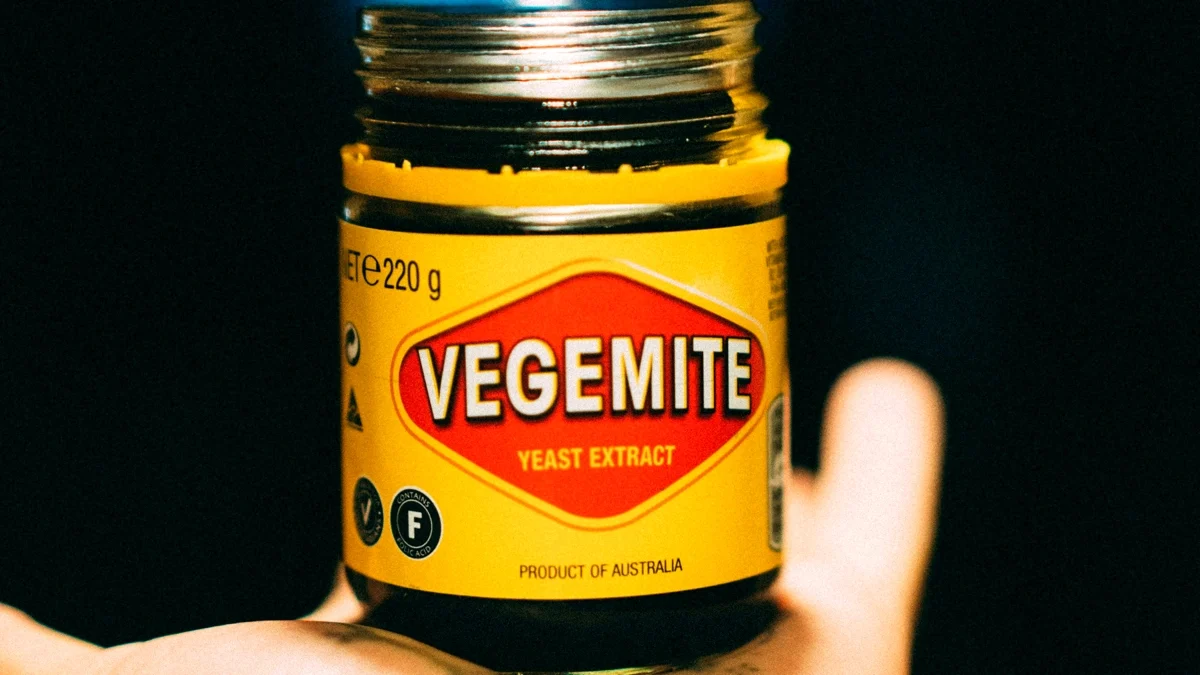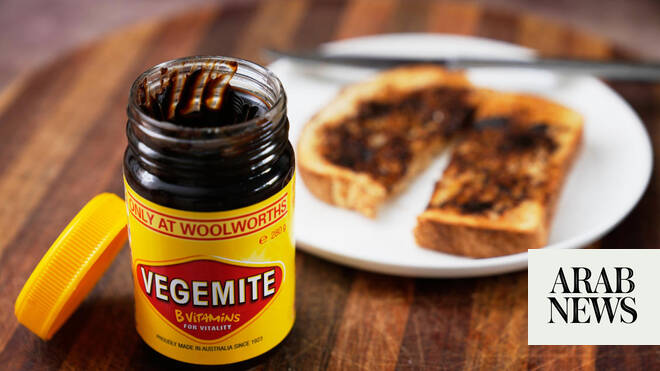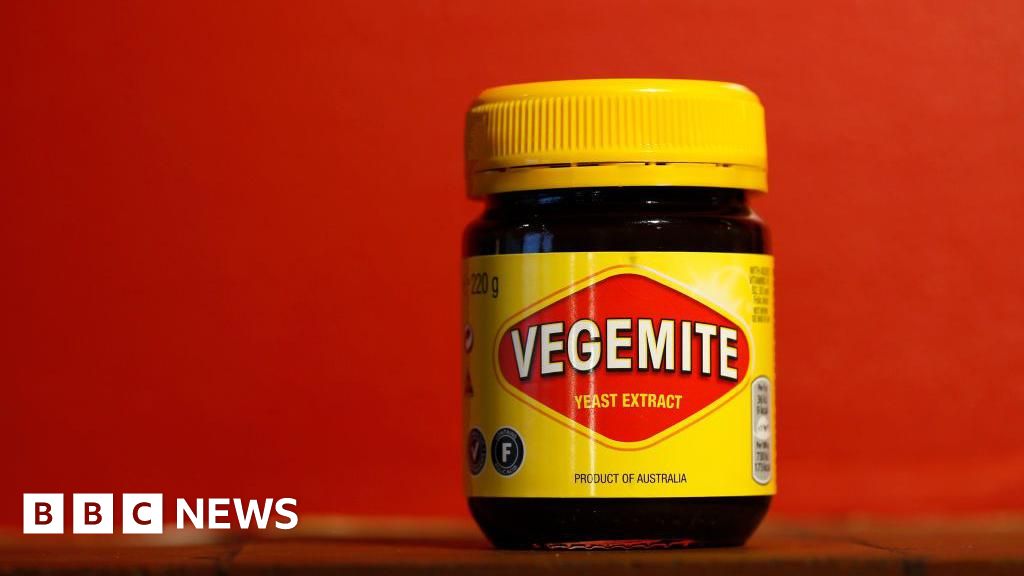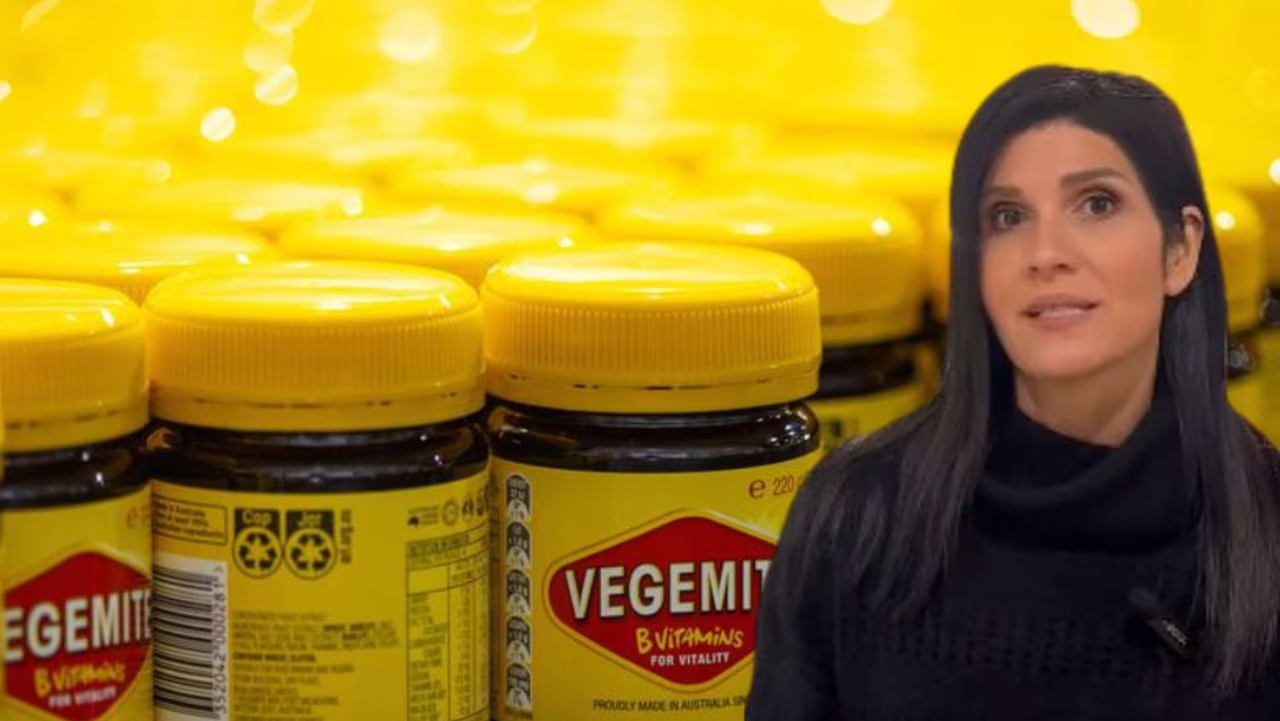
An Aussie nutritionist was hit with a series of “legal threats” from Bega Group in what she described as an “intimidation tactic” after she criticised ingredients in the company’s iconic products.Mandy Sacher, founder of the Real Food Rating, has garnered a large following on social media, sharing advice to parents on healthy food choices for their kids. But over the past couple of years, the pediatric nutritionist has become embroiled in legal correspondence with the Australian food giant — having to engage her own lawyers at a cost of at least $2000. She said the trouble with Bega Group started in October 2024 when she posted a video to Instagram comparing the company’s peanut butter with another brand.“A lot of families were introducing their babies to peanut butter using Bega’s core peanut butter,” she told news.com.au. “So when I discovered that this peanut butter had vegetable oil, sugar and BHA — knowing the potential side effects and what BHA was — it was really just my objective to share with parents that this is not the peanut butter you introduce your babies to, or young children to, because of these facts.”In the video, Ms Sacher pointed out that the Bega product contained vegetable oil with antioxidant 320, also known as Butylated Hydroxyanisole (BHA): a chemical preservative that stops fats and oils from going rancid.“This is BHA, banned in Japan and banned in other countries, derived from petroleum, a suspected carcinogen — but hey, they say if you don’t eat it in high levels it won’t cause cancer,” she said in the clip.“That’s not good enough for our children. There’s nothing beneficial about this antioxidant and it shouldn’t be in our kids’ everyday staples.”She mentioned that the product also contained sugar and salt, before recommending Mayver’s smooth peanut butter as a “better swap”.The post was viewed almost 100,000 times and Ms Sacher reflected it was an “eye-opener for families, because peanut butter just should be peanuts; and maybe some salt”. But then a letter seen by news.com.au arrived from Bega’s senior legal counsel. The lawyers said they were concerned the video was deceptive and misleading under Australian consumer law.They argued BHA was not banned in Japan, and it was approved for use in limited amounts in various countries, including in Australia. They also said the BHA used in Bega’s peanut butter was not derived from petroleum, and it was unclear whether the video had been sponsored by Mayver’s. They asked Ms Sacher to take the video down and post a correction saying that Bega Peanut Butter was safe for consumption, among other points.“I felt very pressured, because I’m not here to tell people what to eat,” Ms Sacher told news.com.au about that first letter. “I’m really here to give parents transparency. I’ve built the Real Food Rating — it’s all about saying, this is what’s in your food; now you go and make the best choice for you and your family. “Because Aussies deserve transparency, and we’ve got a right to know what’s in the food we’re eating.”While she acknowledged BHA is not banned in Japan, she stressed it remains “strictly regulated” due to its classification as a potential carcinogen by various agencies, including the International Agency for Research on Cancer, the National Toxicology Program and California’s Office of Environmental Health Hazard Assessment. “The research is irrefutable that this is not an additive that we want in our everyday staples,” she said. “Maybe if it’s in ice cream or birthday cake that we’re having occasionally; but for many families and for many kids, peanut butter is a daily staple.”Ms Sacher also maintained the video wasn’t sponsored by Mayver’s and she was simply expressing her opinion that peanut butter should not contain BHA, vegetable oils or added sugar.She hasn’t complied with Bega’s request to post a correction and the matter remains unresolved.Fast-forward to January of this year, and the nutritionist found herself in hot water with Bega again. This time, she had shared a homemade yeast spread recipe to Instagram, pitched as a healthier alternative to Vegemite.Ms Sacher had criticised Vegemite in the past; in particular, its high sodium content and use of colour 150c, an additive which she argued “helps give Vegemite its darker consistent colour” and “serves no nutritional purpose whatsoever”. The new letter from Bega’s lawyers took issue with her use of the Vegemite trade mark in her recipe for “homemade Vegemite” and asked her to remove it.Ms Sacher took down the post but the recipe remains available, minus the word “Vegemite” in the title, on her website. Reflecting on her dealings with Bega, Ms Sacher said she was frustrated the company had responded to her claims with “legal threats” rather than being open to discussion.“Those letters felt like an intimidation tactic,” she said, adding that in her opinion, Bega’s goal was to “silence” her.“I think if you’re a big food brand and you are lining our supermarket shelves, you should be open to scrutiny. “You should be open to accountability because people are purchasing and consuming these products on a daily basis. “And if there is potential harm, if there is an ingredient where the safety is debatable — that is something to be discussed and explored, rather than just silencing anyone that speaks up against that.”There was a feeling of vindication this week, however, when the company launched Vegemite Kids: a product with 50 per cent less sodium – and no artificial colours.“I am not claiming sole credit for that,” said the nutritionist, who publicly criticised Vegemite’s sodium and additive content as far back as 2023. “But I will say this: you do not spend 18 months reformulating one of the most commercially successful products in Australian history unless you believe there is something that needs improvement.”She argued the food industry was having its “tobacco moment” as research emerged about the adverse effects of ultra-processed foods and consumers became more health conscious.“If a company is just interested in their bottom line and not consumers’ health, they will be left behind, because there are better options out there,” she said.In response to questions from news.com.au, Bega Group confirmed it had contacted Ms Sacher twice.First, about a peanut butter video that “we believed did not fully reflect the facts”, and then later about unauthorised use of Vegemite trade marks.“At no time did Bega Group threaten or pursue legal action,” a spokesperson said.“Our engagement was focused on ensuring consumers have access to clear, accurate and balanced information about our products. “When questions are raised publicly, particularly in relation to ingredients or children’s nutrition, we believe it is important to provide additional context so consumers can make informed choices.”The company was “committed to open, evidence-based dialogue”, the spokesperson said. “We value the role of health professionals in these discussions and will continue to engage constructively where clarification may be helpful.“Vegemite Kids was developed in response to feedback from families seeking a milder flavour option for younger Australians. “Vegemite Kids has been in the innovation pipeline for a number of years as Vegemite seeks to give its consumers more choice. “It is designed to provide choice for parents and to bring new consumers into the Vegemite brand, while maintaining the product’s core characteristics.”
‘Intimidation’: Popular nutritionist’s bitter feud with Bega Group over ingredients in peanut butter and Vegemite
An Aussie nutritionist was hit with a series of “legal threats” from Bega Group in what she described as an “intimidation tactic” after she criticised ingredients in the company’s iconic products.
1,201 words~5 min read