Economists say the biggest cost of June 30 may not have been the protests themselves, but the millions of rands in lost trade as businesses chose safety over opening their doors.
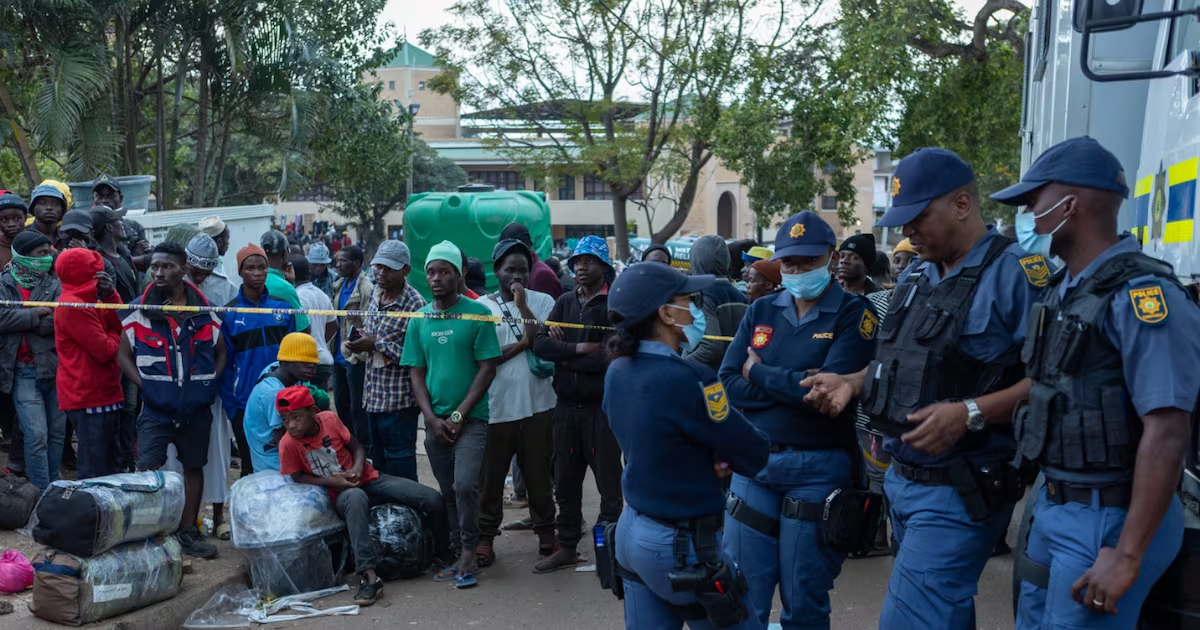
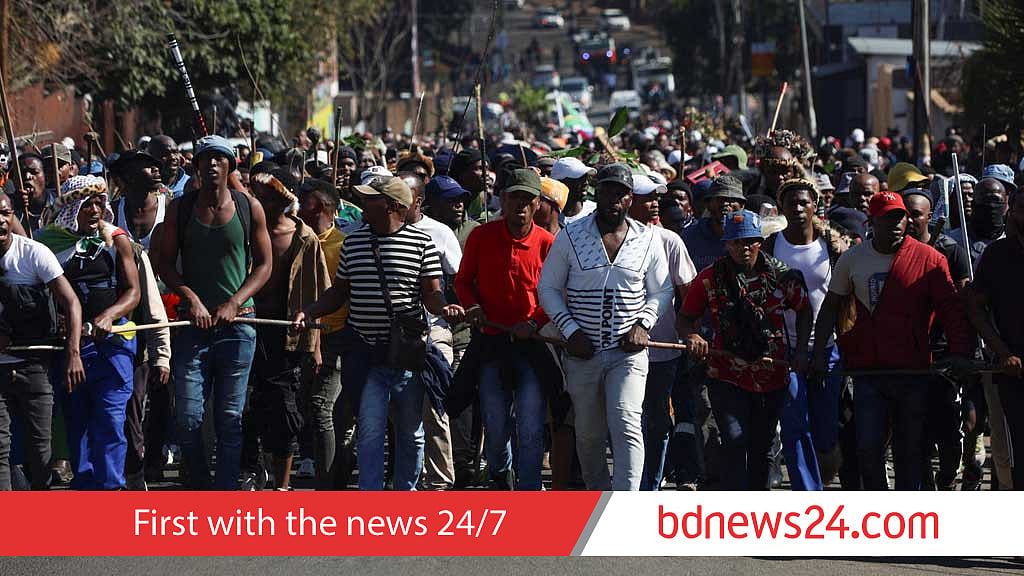
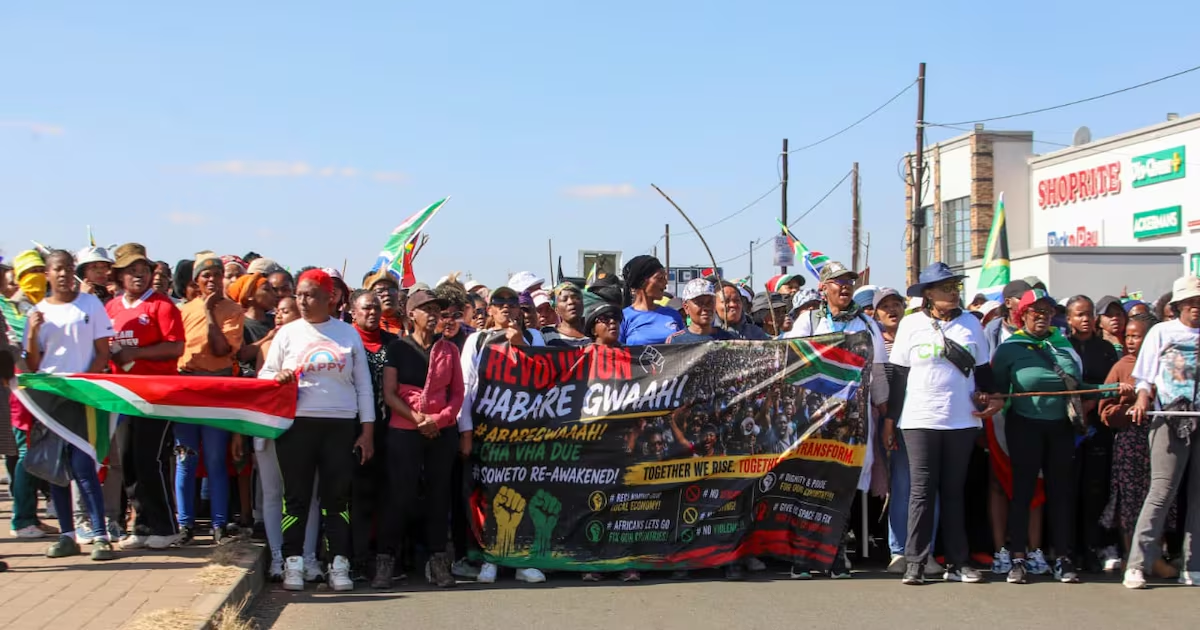
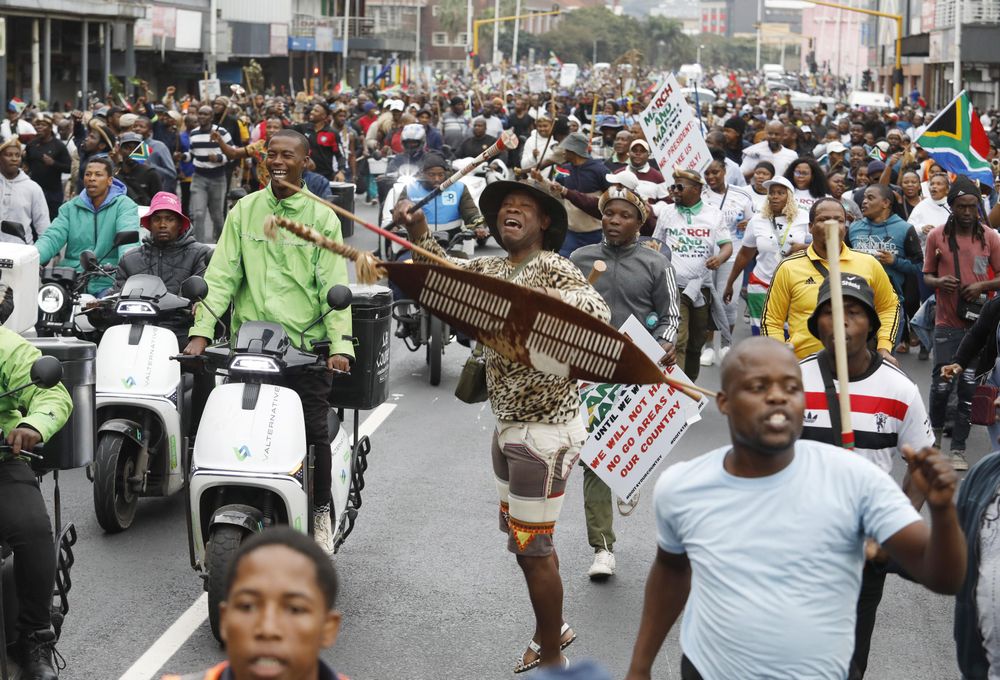
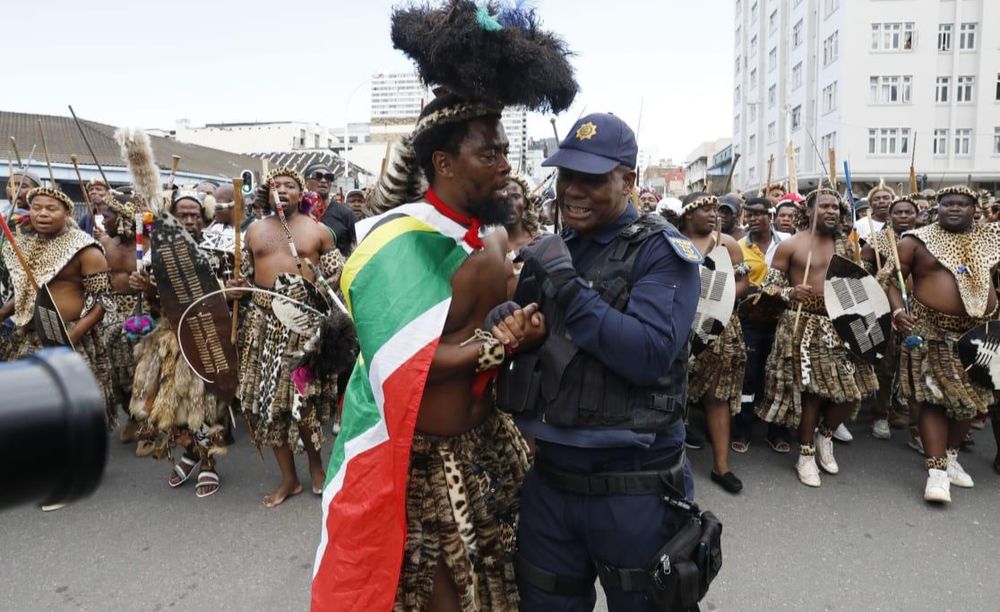
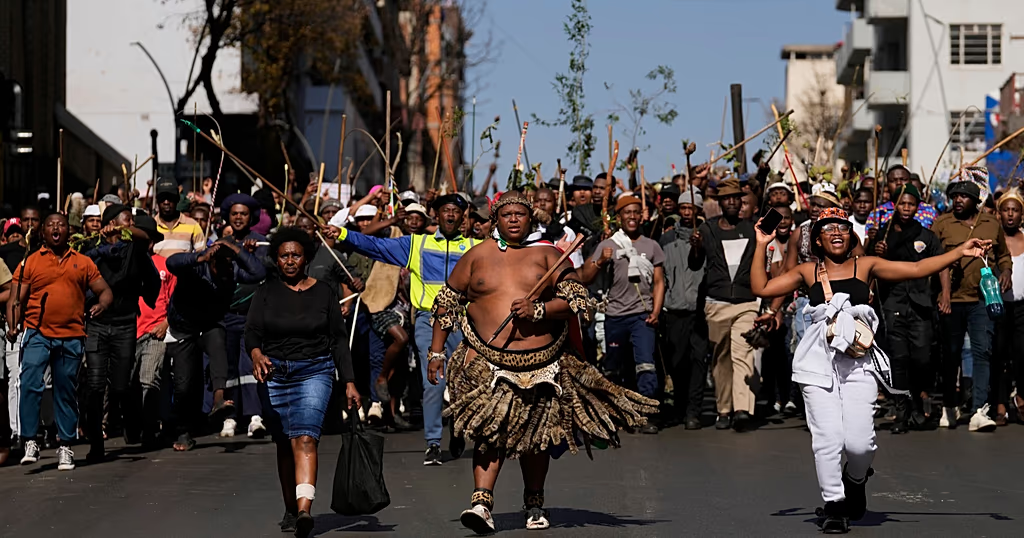
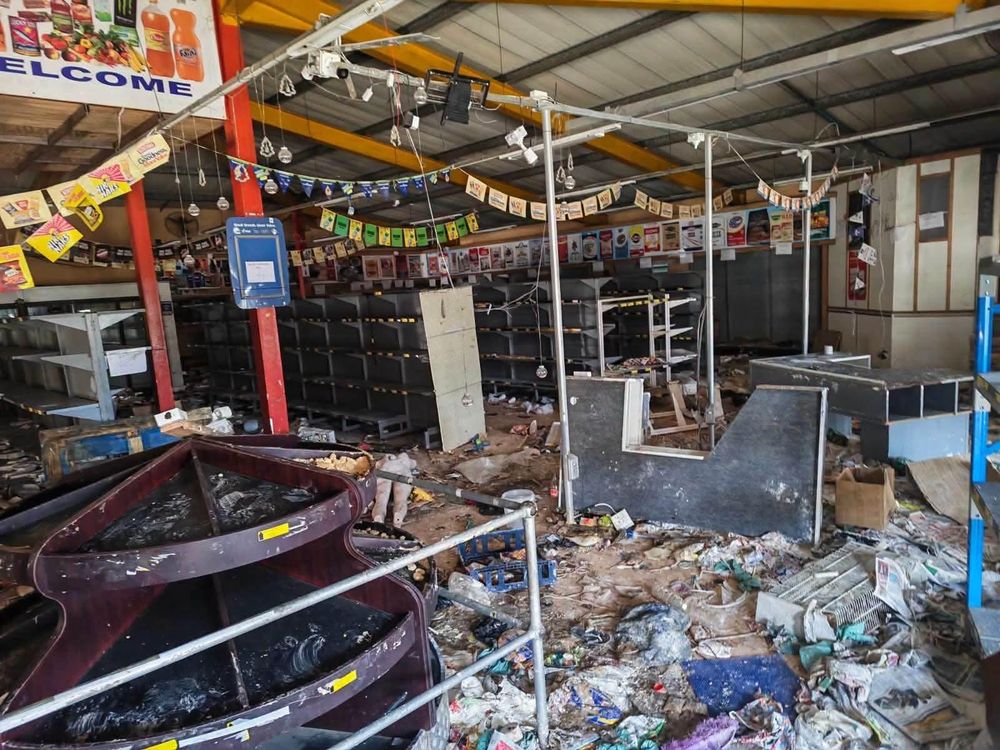
Although widespread violence was largely averted during the anti-immigration marches on June 30, economists and business leaders say the uncertainty surrounding the demonstrations came at a significant cost to South Africa's economy, with millions of rands in trade lost as businesses opted to close their doors rather than risk operating.
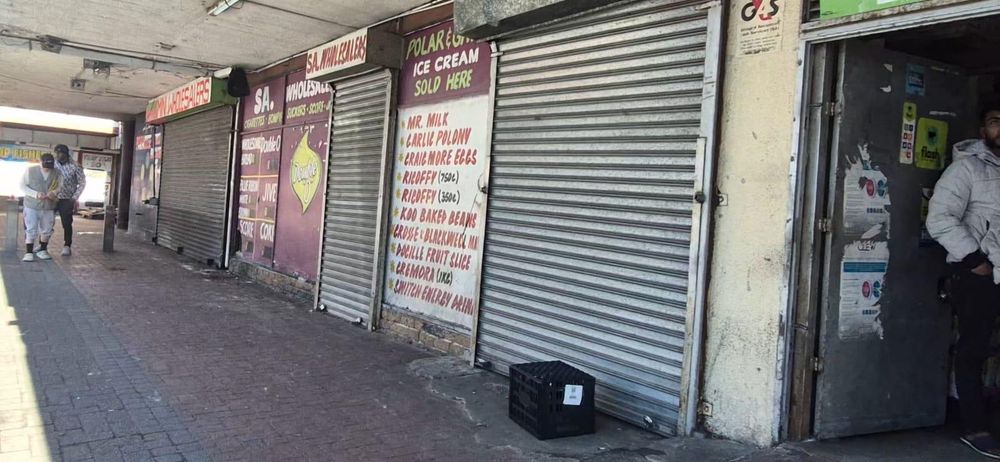
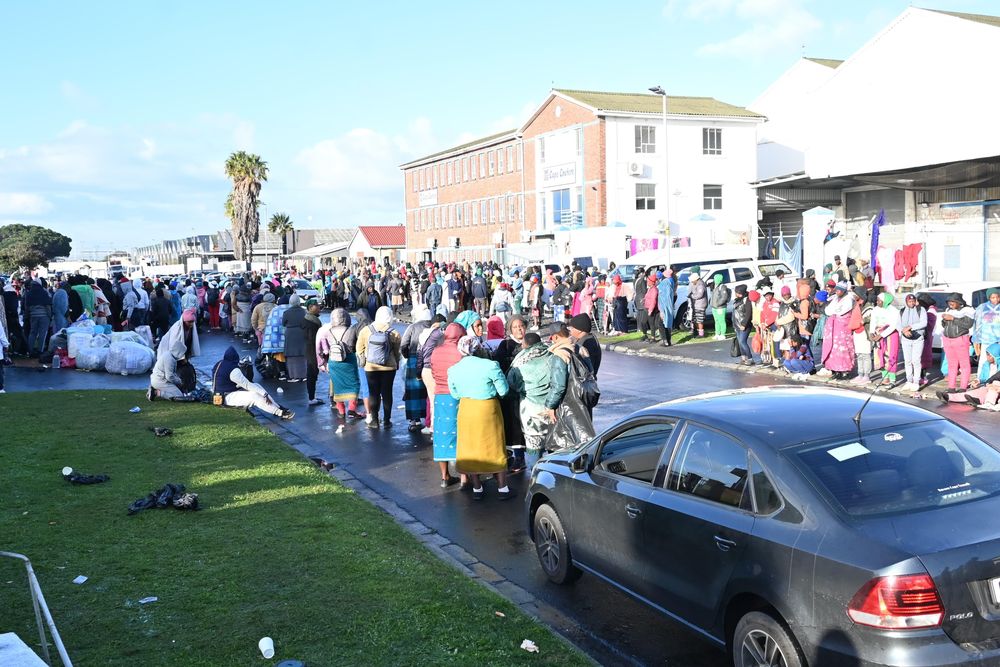
Across Cape Town, shopping centres, township businesses, wholesalers, clothing retailers, furniture stores and informal traders either remained closed for the day or operated on reduced trading hours as concerns mounted over possible violence and looting.
Cape Chamber of Commerce spokesperson Bobby Jordan said while coordinated safety partnerships between business, law enforcement and government prevented widespread disruption to the broader regional economy, small businesses ultimately paid the price.
"While coordinated safety partnerships shielded the broader regional economy from widespread gridlock, the threat of unrest still imposed a financial and operational burden on SMMEs. We received widespread reports of small business closures," Jordan said.