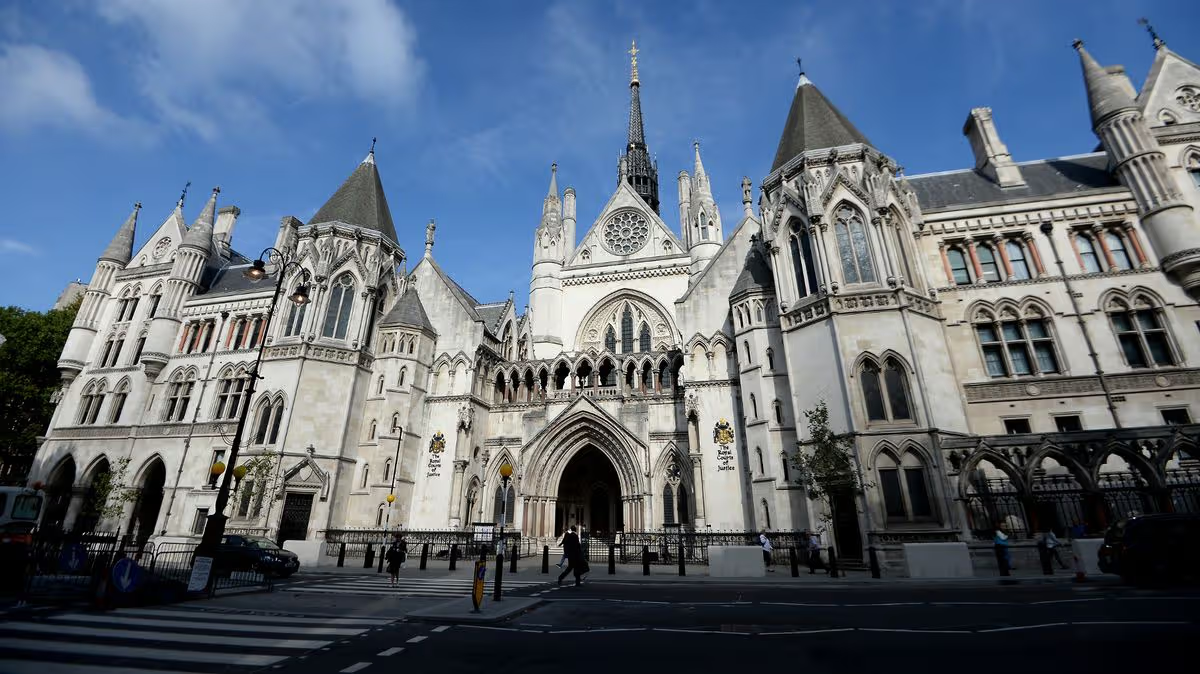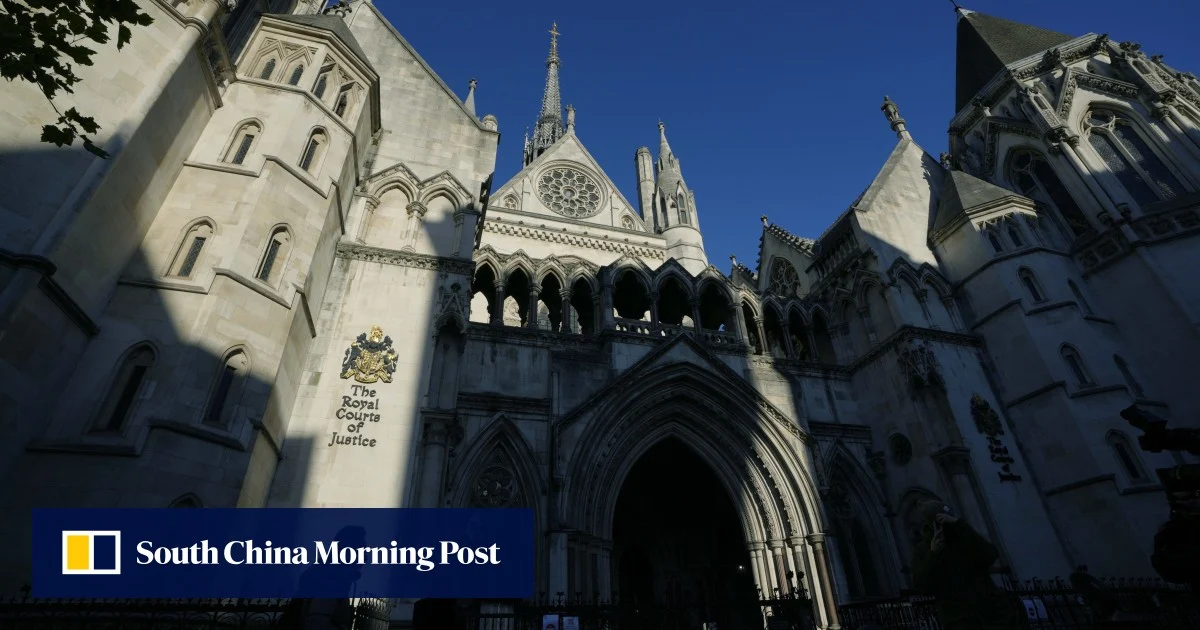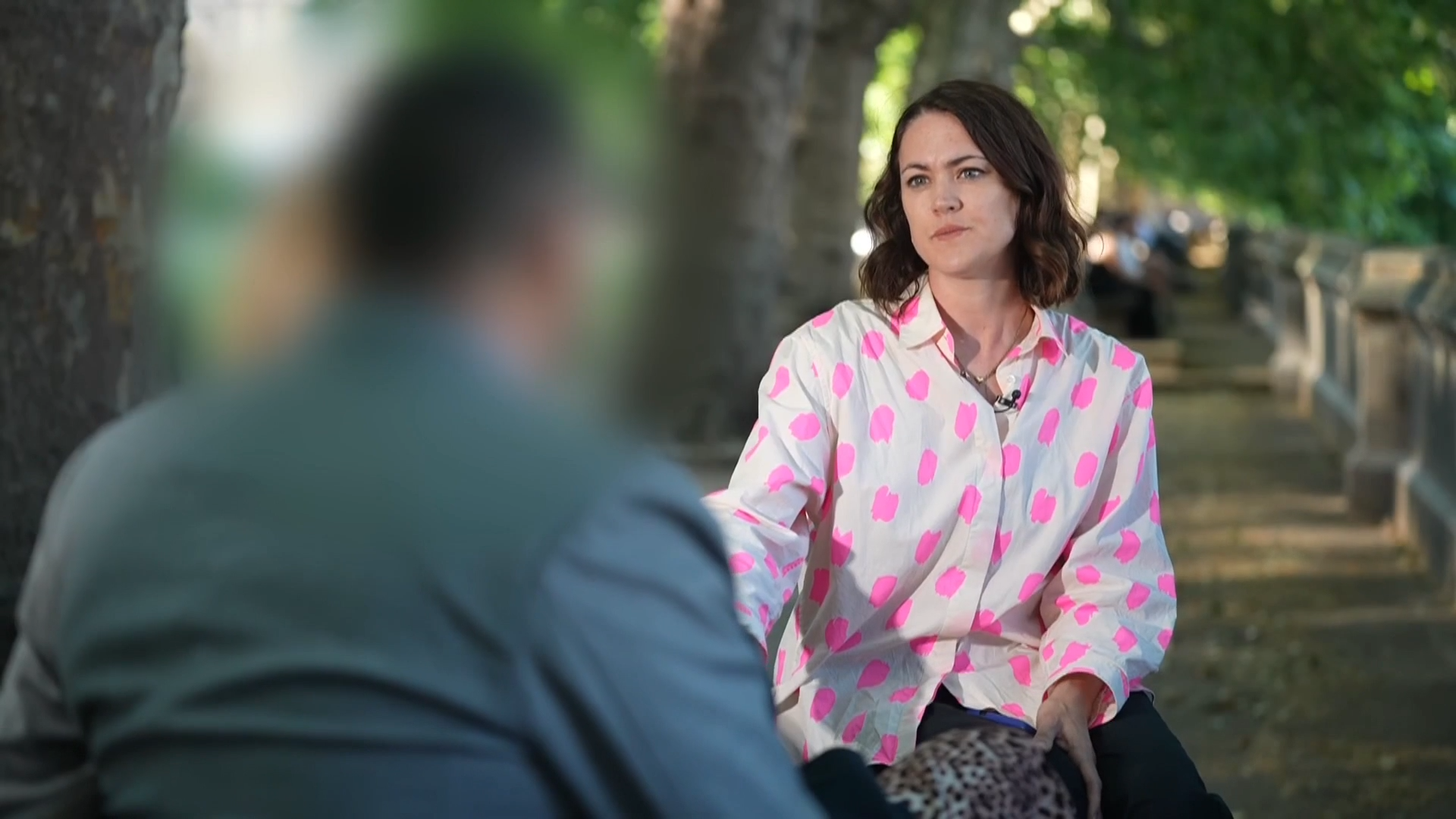
Twenty-five years ago, a BBC radio presenter was interviewing a Liverpool journalist about the release of the two boys who had tortured and murdered two-year-old James Bulger in Merseyside in 1993.Both were 10 years old at the time of the infamous killing; their release eight years later prompted a renewed wave of public anger that the local journalist’s newspaper was highlighting. The BBC interviewer recounted another story about an adult couple who had walked free earlier that week despite clear evidence that their baby had been murdered by one of them, but the court had been unable to ascertain which had struck the deadly blow.“I have forgotten their names already”, the presenter said, before remarking on how it can be that such cases involving the heinous actions of adults so rapidly fade from the collective memory in a country which was so capable of sustaining such palpable outrage over similarly awful wrongdoing by children.It was an exchange that came to mind in the wake of this week’s story of two teenage boys who were sentenced to four years’ youth detention for the horrific crime of raping and filming sex attacks on teenage girls after their punishments were ruled unduly lenient.The initial non-custodial sentences handed down to the boys – who were 13 and 14 at the time of the attacks in Fordingbridge, Hampshire – sparked a public outcry, with even prime minister Keir Starmer finding time to comment on the case.“This is an appalling case and it is right that law officers are urgently reviewing the sentences,” he said in May, a sentiment seemingly shared by Court of Appeal judges who ruled their punishment insufficient.Prime minister Keir Starmer said the Fordingbridge case was ‘appalling’ and supported the reviewing of the young boys' sentences (CPS)A key factor in the widespread uproar following reports of the original sentences in the Hampshire case was the perception that the victims of the crimes had not been considered. Where was, people demanded, the acknowledgement of their trauma – a trauma of sexual violence that would now be even worse when more compassion was seemingly being given to the perpetrators than to the victims.On Thursday, Lady Chief Justice Baroness Sue Carr said the Court of Appeal had “no other choice but to change these sentences” and sentenced the boys, both now 15, to four years’ youth detention for raping and filming sex attacks on teenage girls after their punishments were ruled unduly lenient.Judges ruled the non-custodial sentences handed down for the attacks in Fordingbridge, Hampshire – which sparked a public outcry – were not tough enough. After the case was referred to the Court of Appeal by the Attorney General Lord Hermer, the boys were also given indefinite restraining orders.In a statement, the families of two girls who were raped said they are “deeply grateful” and “relieved” at the reviewed sentences.Speaking to the BBC, the mother of the victim, whom we are calling Jazmine, said: “How could any mother be happy with four years? Jazmine is going to live with a lifetime of trauma, and she’s going to live with a life sentence.“Of course, it’s not enough, but it’s more than we had… so I have to be grateful.”While many lauded this as justice being finally done, it is a sequence of events inconceivable here in Norway.Children under 15 here and in Norway’s Nordic neighbours, Sweden, Finland and Iceland are deemed too young to face criminal prosecution, while in Belgium the age is placed even older, at 18.England, Wales and Northern Ireland share the lowest age of criminal responsibility in Europe alongside Switzerland, where the threshold is also set at 10 years old. The age in Scotland is 12.Critics of laws that criminalise children say such practice is immoral given the established science on the development of children’s brains and the extent to which their judgement is inherently impairedAnd in Norway this applies to the most serious crimes too. In 1994, five-year-old Silje Redergard was beaten, kicked, stoned, and stripped naked in a suburb near Trondheim, before being left in the snow to die of hypothermia.Two boys, aged five and six, were found to have been responsible for the death.While there are significant differences between that and, say, the Bulger case – and the Norwegian pair were effectively declared innocent in 2023 after new evidence emerged – their treatment at the time contrasted sharply with that of the children convicted a year earlier in the UK.As children under the age of 15, they were below the age of criminal responsibility under Norwegian law and were therefore not punished and their names were not publicly released.Instead, they were ordered to meet regularly with child protective services and undergo counselling until they were 18.The response was based on principles the Scandinavian country has largely retained because punishment of children as criminals is seen as counterproductive on a number of levels.Critics of laws that criminalise children say such practice is immoral given the established science on the development of children’s brains and the extent to which their judgement is inherently impaired.Neuroscientific studies have shown that the prefrontal cortex – responsible for impulse control, risk assessment, and future planning – is not fully developed until a person reaches their mid-20s. Experts say the vast majority of children are likely to mature naturally and “age out” of delinquent behaviours without the intervention of the state.They also stress that policies which see them placed in youth justice facilities tend to group them with more serious offenders, often reinforcing antisocial behaviour and increasing the risk of reoffending.When we consider what measures to take and what consequences offences should have for children, we must keep a cool head. We must build on the best knowledge about what works, both for the child and for societyMerete Havre, public law professor, University of OsloMerete Havre is a professor from the department of public law at the University of Oslo and is part of an expert group appointed by the Norwegian government to produce a report on children and young people who commit repeated or serious crimes.Speaking to The Independent, she describes the British approach to crime committed by children as “disappointing”.The report she helped produce says children “should always be met by adults who have a warm heart for them”.“This applies even if the child has committed a serious crime,” it continues.“When we consider what measures to take and what consequences offences should have for children, we must keep a cool head.“We must build on the best knowledge about what works, both for the child and for society. In order to bring about change, the measures must do something about the reasons behind the child’s actions.“As a society, we cannot risk taking away children’s hope for the future. Then we will not succeed.”The Nordic model of criminal justice still allows a voice for victims, but remains focused on rehabilitation rather than punishment. In Norway, the prison system was overhauled in the 1990s due to figures that showed 70 per cent of all people who served custodial sentences recommitted crimes within two years of release. According to the latest Ministry of Justice statistics in the UK, almost two-thirds (61.7 per cent) of children released from custody in England and Wales are proven to reoffend within a year.As a response to their high reoffending rates, Norway, duly moved towards a system that sought to avoid forcing people who commit crimes into an underclass, allowing them to be reintegrated to society following their sentence.Emblematic of this approach is Bastøy Prison, a facility located on an island south of Oslo. It houses around 115 inmates who live in small wooden cottages.Its former governor Arne Nilsen previously summarised the balance Norway attempts to strike between victims’ wishes and the greater good of society.“You don’t change people by power,” he told The Guardian in 2013. “For the victim, the offender is in prison. That is justice. I’m not stupid. I’m a realist. Here I give prisoners respect; this way we teach them to respect others. But we are watching them all the time. It is important that when they are released they are less likely to commit more crimes. That is justice for society.”In broader terms, Norwegian culture places far greater emphasis on the collective over the individual – a fact also reflected in an economic model that results in much lower levels of inequality compared with the UK.However, despite the stark differences with England’s treatment of children who commit crime, Havre expresses some concern about the realities of Norway’s approach.“The Norwegian system seems so humane, but there is a lot hidden in our system,” she says.“On paper, it is stated that Norway does not have closed child welfare institutions, as they are basically open institutions, but it is possible to deprive children of their freedom of movement,” she adds, pointing to the recent opening of a new institution for children who commit crimes.Children over 15 can be sentenced in adult criminal courts – creating what Havre describes as a “dual system”. She says Norway must create a unified “juvenile justice” and “also stop hiding punishment behind help”.However, while her misgivings with the Norwegian system remain, she accepts that it is largely preferable to the one employed in the UK.“At least we don’t send children from the age of 10 to prison,” she says.Those arguing for an understanding of why the first judge made the decision he did when sentencing, point to a recent report from the Bar Council, the professional body for barristers in England and Wales, which recommends raising the minimum age of criminal responsibility from 10 to 14. If we want a safer society, then, they argue, criminalising children is not the answer. Rehabilitation is. However, this shift would require political courage and real resources. It would also not be without controversy.The trauma-informed law firm Proudmans represented and supported Jazmine throughout the legal process pro bono and they pointed to the fact that her case also exposed wider questions about how the British justice system responds to sexual violence, particularly against women and girls. Responding to the Court of Appeal’s decision, their statement read: “Those questions do not end with today’s judgment. Proudmans will continue to stand alongside survivors, challenge systemic injustice and campaign for legal reform so that every victim can have confidence that the law will reflect their experiences and recognise both the seriousness of these offences and the lifelong impact they have on those who endure them.”While direct comparisons between Norway and the UK are difficult because of differences in legal definitions, prosecution practices and statistical reporting, it is a fact that neither country secures convictions in more than a small minority of reported rapes. Research suggests that many rape victims in Norway also report experiences that are strikingly similar to those described by victims in the UK: frustration with the justice system, fear of not being believed, and disappointment when cases are dropped.What would have happened in Norway in a similar situation is hard to say, but all indications are that the teenage boys will have been treated as children too young to face criminal responsibility. Maybe in the case of sexual assaults, there are lessons to be learned from both sides.However, when it comes to the custodial sentences of minors, the Hampshire case, the prevailing response among mainstream politicians and the associated media coverage in the UK, would tend to suggest that any such change in the UK is unlikely any time soon.
Is England wrong to lock up so many of its children?
Following the ruling by the Court of Appeal that the initial non-custodial sentences handed down to two teenage rapists in Hampshire were unduly lenient, Richard Williams reports from Norway, which like its Nordic neighbours Sweden, Finland and Iceland, says children under 15 are deemed too young to face criminal prosecution
1,909 words~9 min read