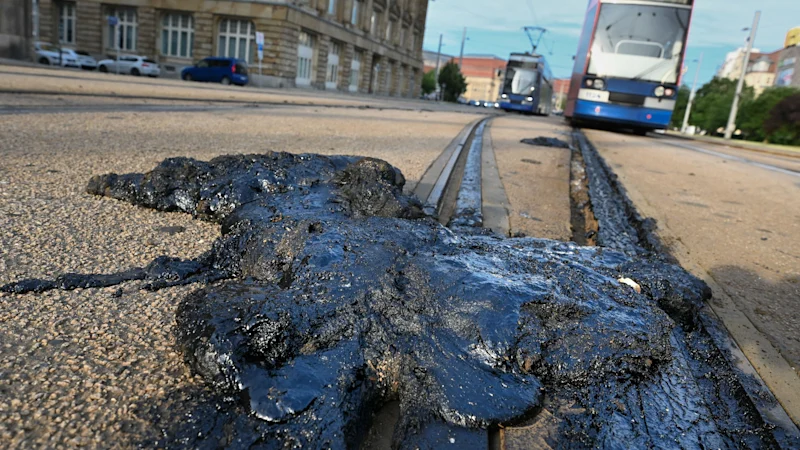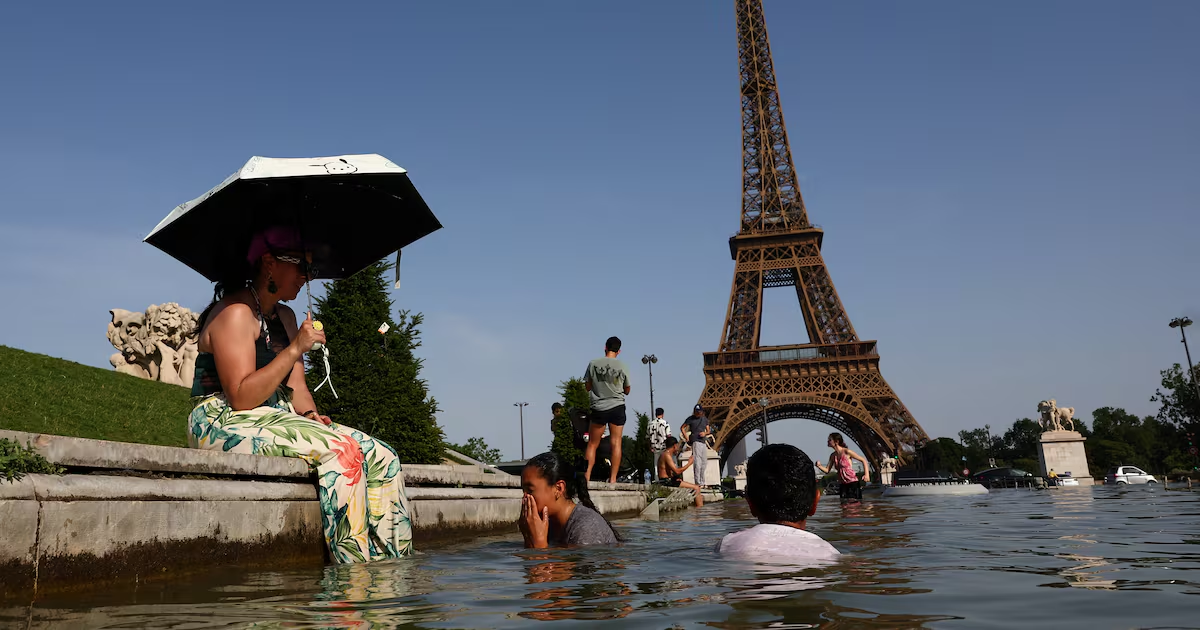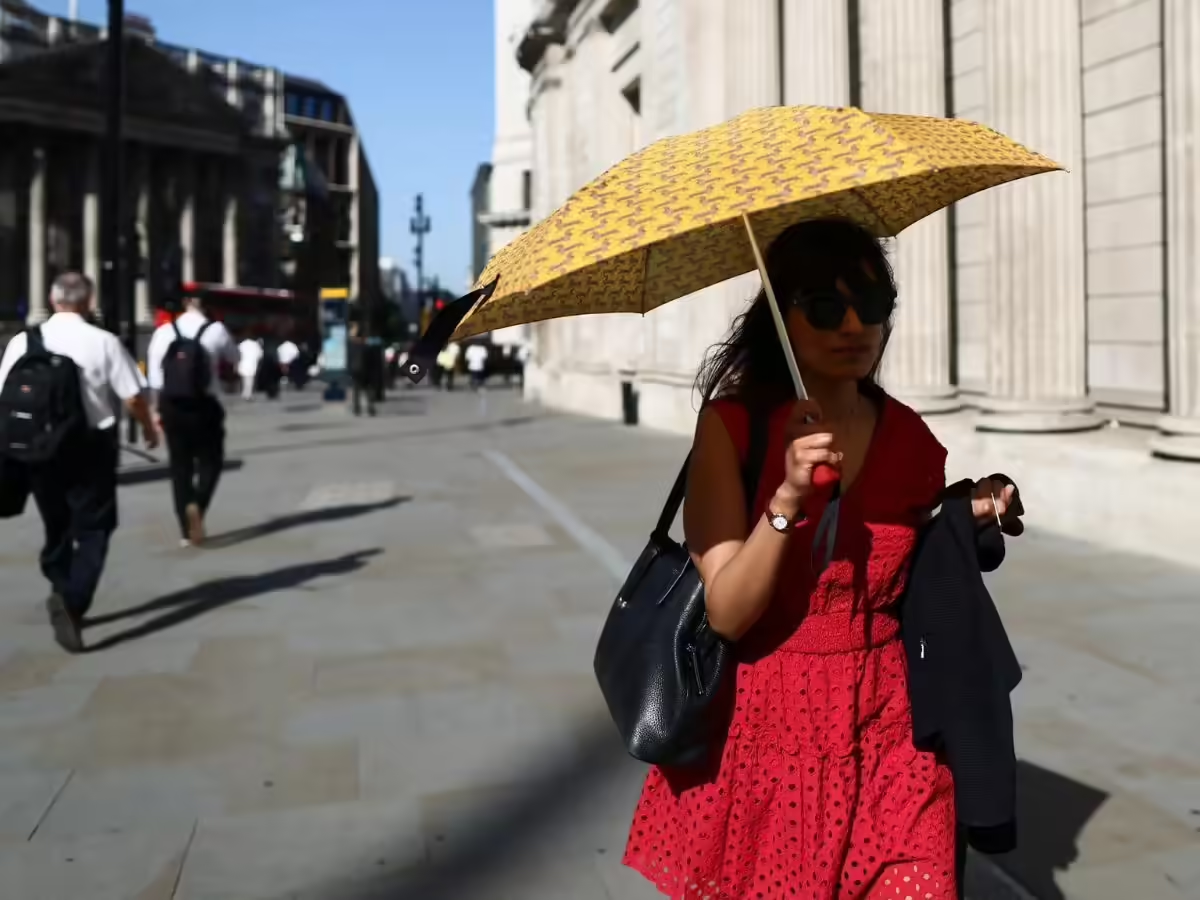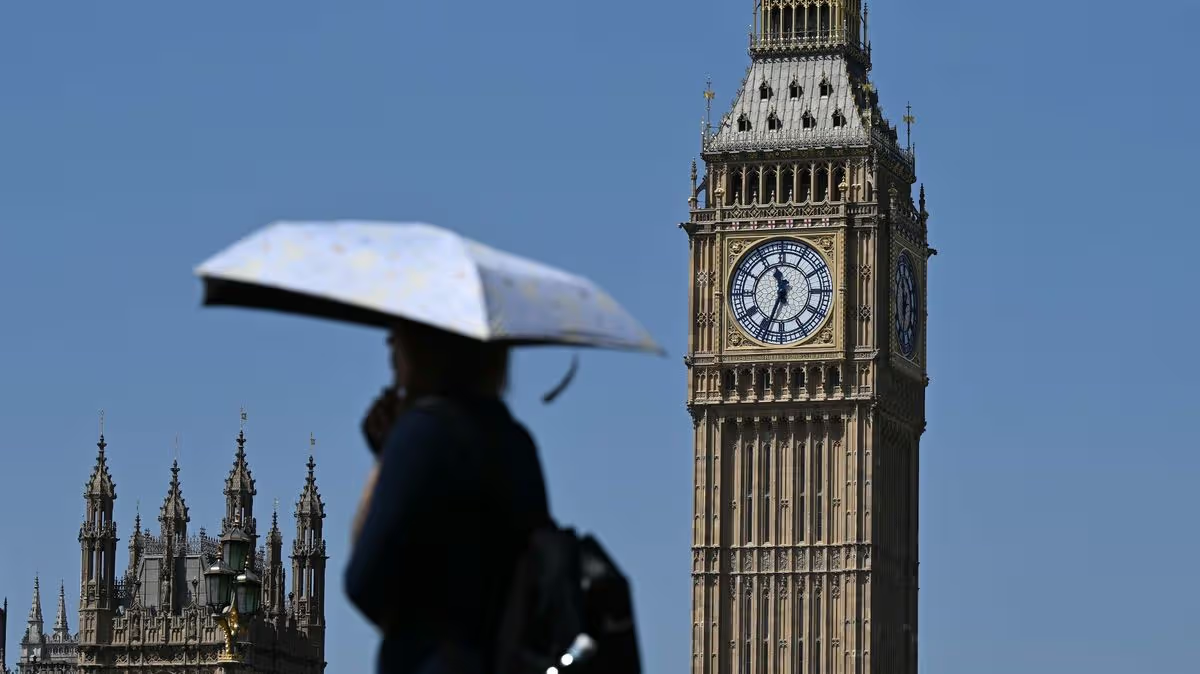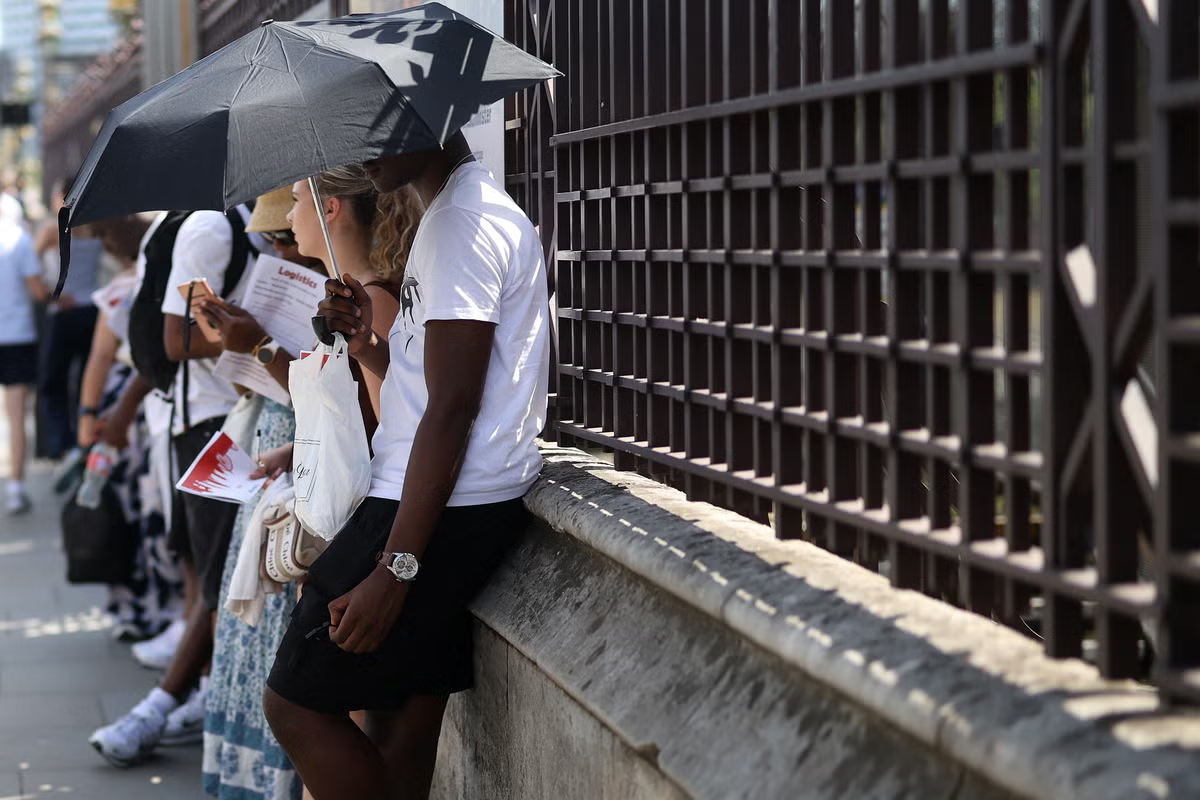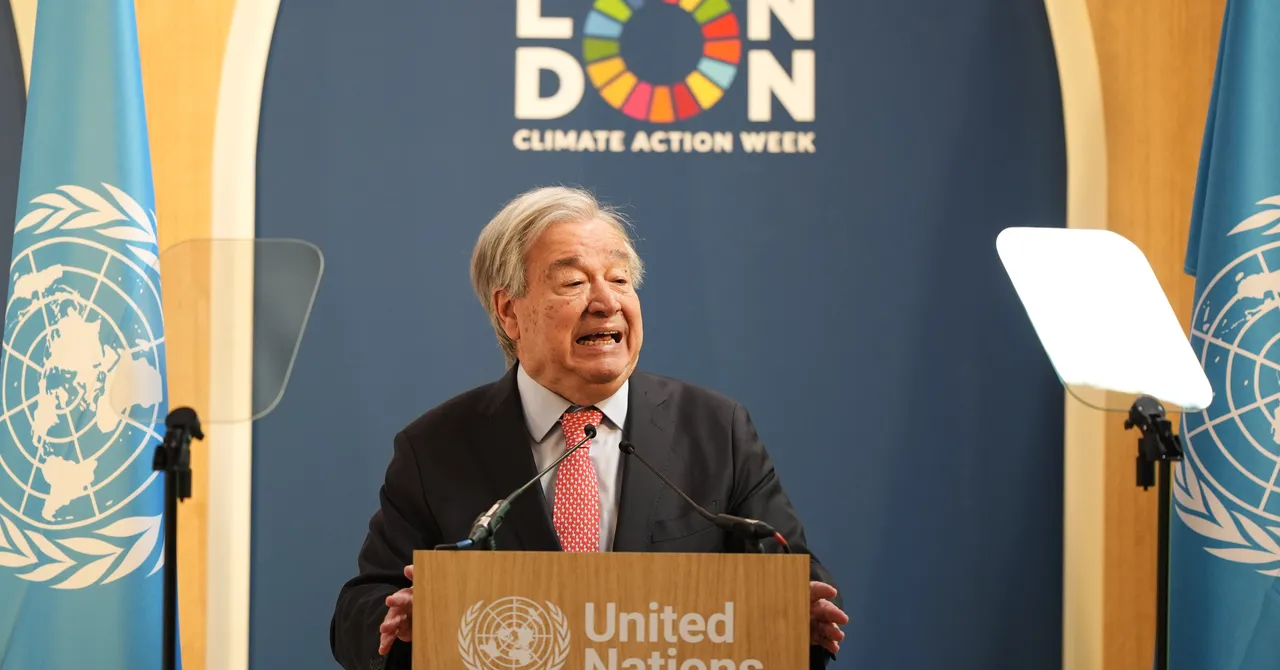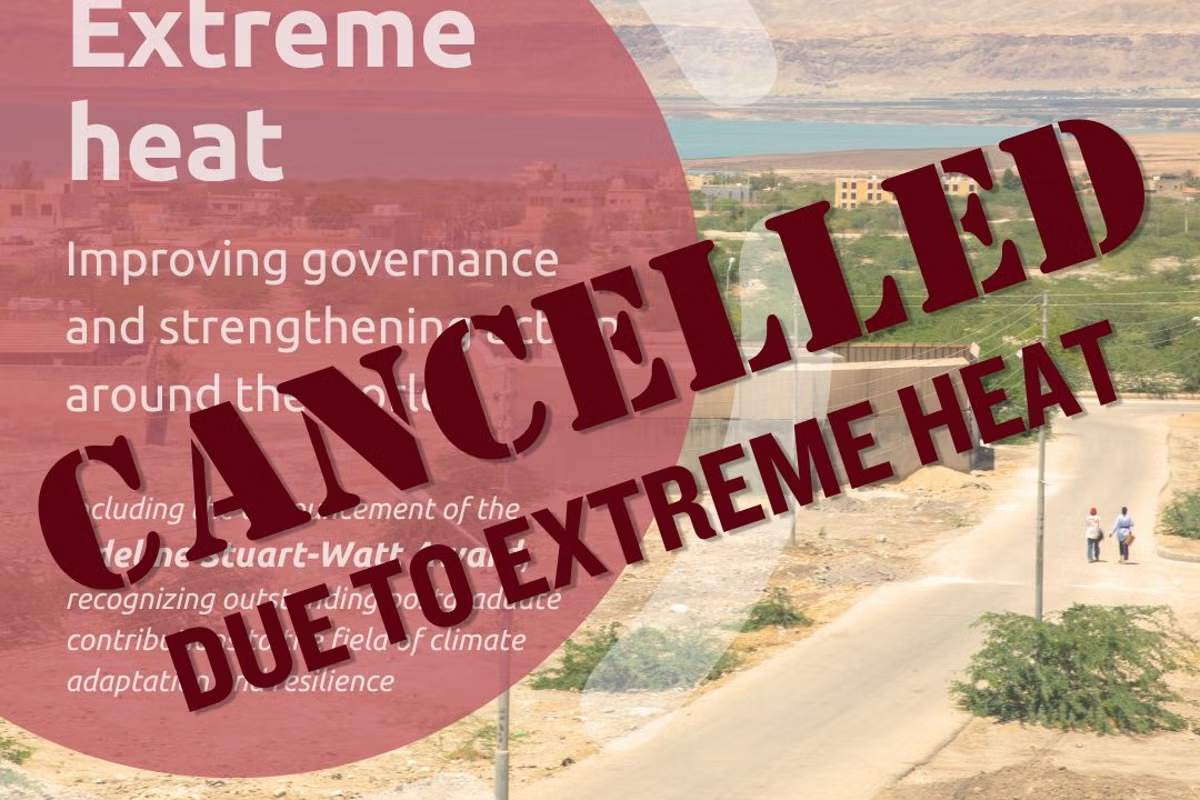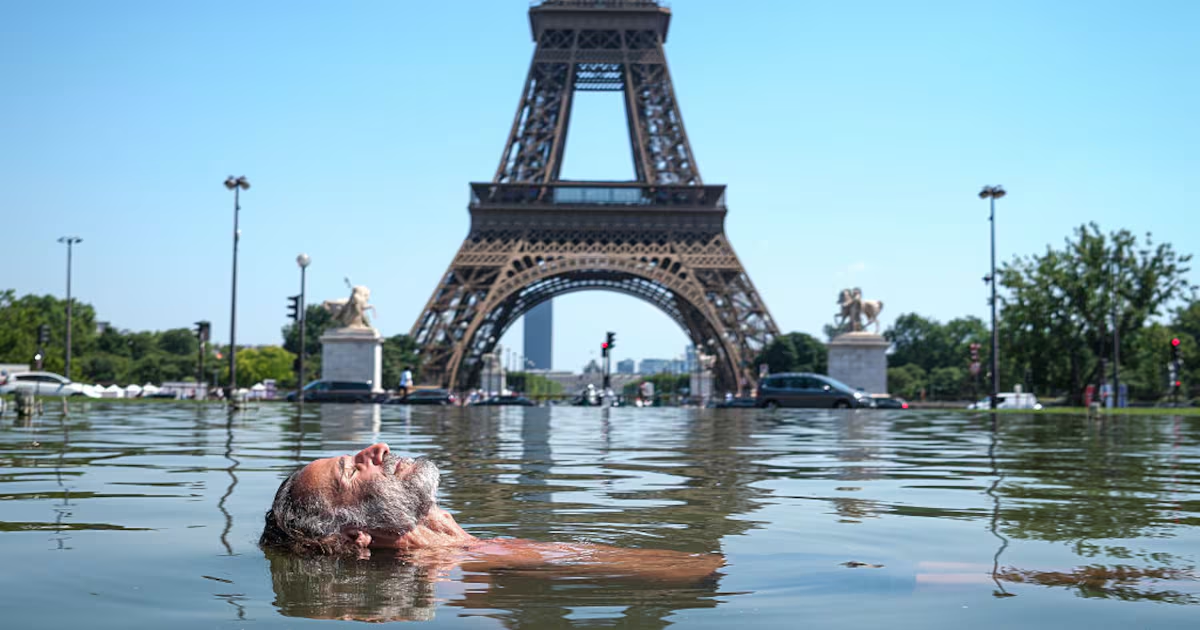
Last week in London as part of Climate Action Week, an event entitled Extreme Heat: Improving Governance and Strengthening Action Around the World, was due to be held at the London School of Economics. The discussion was to take place in a 100-year-old faculty building reliant on natural ventilation rather than air conditioning. The event had to be cancelled because of what the organisers deemed a risk to public safety from extreme heat.A panel discussion on extreme heat and climate action having to be cancelled because of extreme heat: it’s hard to imagine a more lurid symptom of an unfolding climate disaster. But there is a second-order irony here, too, which is that the event’s cancellation, and the media coverage it received, has probably done more to communicate the urgent need for heat adaptation strategies than a public discussion on the topic could ever have done. The LSE building intended to host the event was constructed with a view to withstanding not the sort of swelteringly hot summers that are now becoming the norm, but rather cold winter temperatures. Our societies are not built, either figuratively or literally, for the world we now inhabit.[ One in 10 Irish homes is at risk of overheating. Supermarket fans won’t cut itOpens in new window ]As Fintan O’Toole pointed out in these pages earlier this week, we are already beginning to see what he called “grim intimations of societal breakdown” across Europe as a result of extreme heat: in the UK, hospital MRI scanners and radiotherapy machines failing to function, and, in France – a country whose electricity is mostly nuclear-generated – nuclear power reactors taken offline because the water from local rivers is too warm to cool them. Just as troublingly, the recent heatwaves have also caused serious disruptions to railway services across Europe, with steel rails expanding and buckling in extreme heat. Europe’s railway systems were not built for the kinds of temperatures we are now routinely experiencing, and the risk of trains derailing on buckled rails means that trains must run at a much slower pace. Metro systems in cities like Paris and London and Berlin are faced with another problem: heat trapped with nowhere to go, creating health risks to passengers and staff. And of all the systems not constructed to cope with this kind of heat, the most significant is the human body. According to the World Health Organisation chief Tedros Adhanom Ghebreyesus, more than 1300 deaths have been recorded in Europe since June 21st, linked to extreme temperatures. “Heat stress is often called the ‘silent killer’,” he said, “and European homes, workplaces and schools were not built for these temperatures.” Over the weekend, the French health ministry reported that there had been some 1,000 more deaths than expected in the country since Wednesday. France experienced what its meteorological service called “oppressive and exhausting” heat and a temperature of 44.3 degrees, the hottest ever recorded in the country. All of these are morbid symptoms of a crisis we have been anxiously anticipating – talking about, thinking about, reading about – for decades. And yet, for all their severity, these symptoms are presenting at a time when the sense of the climate emergency as an urgent political crisis has been receding. According to a big study conducted by the Media and Climate Change Observatory at the University of Colorado Boulder, climate coverage in global news media has declined steadily every year since 2021. Coverage of climate news was 16 per cent lower in 2024 than in 2023, despite 2024 being the hottest year in recorded history. The decline has been particularly stark in the US: last year, the level of climate coverage on major US television news networks dropped 35 per cent compared with 2024. The more dire the crisis has become, in other words, the less the global news media has been covering it.This is due, at least partly, to the world having multiple other crises to contend with. The insane US-led war with Iran and the resulting threat to the global economy. The cultural and economic impacts of artificial intelligence. For the left in particular, Israel’s relentless mass slaughter of Palestinians – with the support, both tacit and open, of western democracies – and the related collapse of a rickety system of international law, has taken precedence over the climate as the most urgent moral and political crisis of our time. And of course the thing that has, above all, taken precedence over addressing the climate crisis is the prioritisation by the capitalist ruling class and the politicians who serve them – in this country, and in almost every country on the planet – of profit accumulation over human welfare.The climate crisis has for decades been spoken of as a crisis of the utmost seriousness, certain to cause vast destruction and upheaval, but whose effects will be felt at some arbitrary point in the future. As a crisis whose causes accumulate through the past into the present, and whose consequences will be experienced by “future generations” – by, as the cliche has it, our children and our children’s children. And inevitably, a crisis conceived in this way is likely to feel less immediately dire and urgent than a genocide or an imminent threat to democracy or – as though we needed any further ironies – a looming shortage of fossil fuels caused by an invasion of Ukraine or an attack on Iran. But the luxury of thinking about the climate crisis in this way is passing, before our eyes, into history. We are no longer in a position – have not for some time been in a position – to speak of the climate crisis as looming, as something that will happen if we don’t achieve this or that target by this or that time. Perhaps the most startling cultural artefact to have emerged in these infernal European days is an image that went viral on social media: a still from a fake weather report, broadcast on French television in 2014 to illustrate how frighteningly elevated summer temperatures might become by 2050 in the absence of immediate climate action, positioned over an actual weather report from the late June heatwave. The temperatures shown in each map are more or less identical in their extremity; at the upper level, in fact, the real weather report shows even higher temperatures. This dual image is the precise and vertiginous depiction of our current state. The projected heat-map of the future is in fact the infernal topography of the present.
Mark O'Connell: A climate event cancelled due to heat. Is there a more lurid symbol of the climate crisis?
The terrifying heat-map of the future is here
1,089 words~5 min read