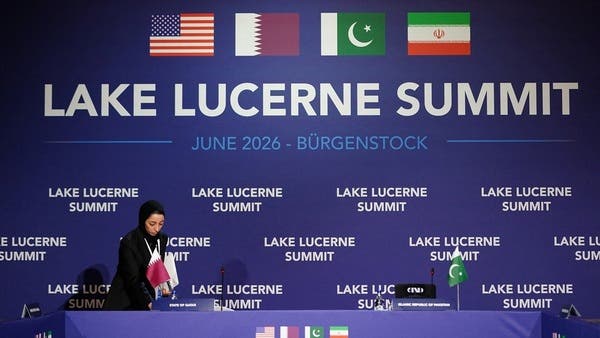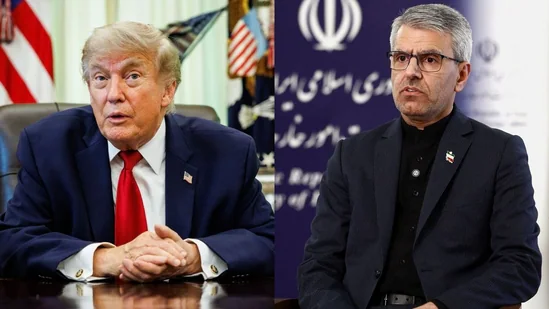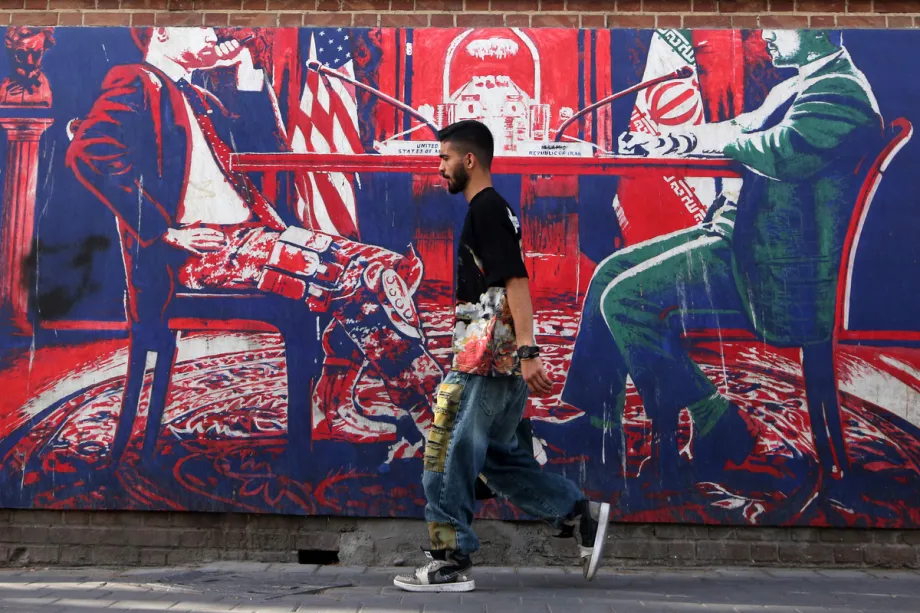
The recent revelation that Iran reportedly did not attend the Doha talks, despite claims of “positive progress,” has cast doubt on the effectiveness of the negotiations aimed at resolving the ongoing US-Iran tensions. This development, reported by a former CIA analyst, contradicts previous statements by mediators from Qatar and Pakistan who had indicated advancements on technical issues like frozen assets and maritime security. The absence of Iran’s key negotiators, including Foreign Minister Abbas Araghchi, suggests internal power struggles within the Iranian leadership, potentially involving the Revolutionary Guards. This situation appears to complicate the prospects for a stable ceasefire and the reopening of the Strait of Hormuz, raising questions about the future of US-Iran diplomatic efforts.
Key Takeaways
The news that Iran did not attend the Doha talks suggests a significant setback in diplomatic relations, with implications for ongoing negotiations.
Market pricing indicates a decrease in confidence for a US-Iran diplomatic meeting by July 10, 2026, reflecting uncertainty about the path forward.
The internal dynamics within Iran, particularly between the Foreign Ministry and the Revolutionary Guards, appear to be a contributing factor to the current impasse.