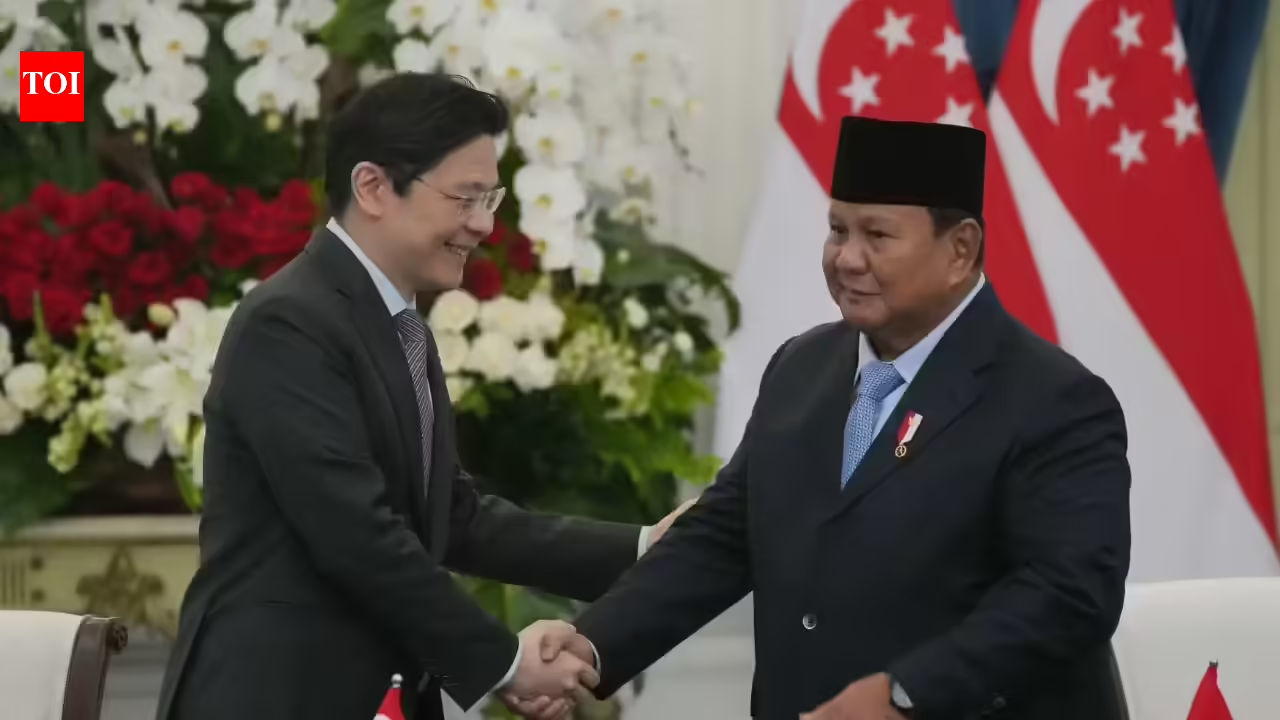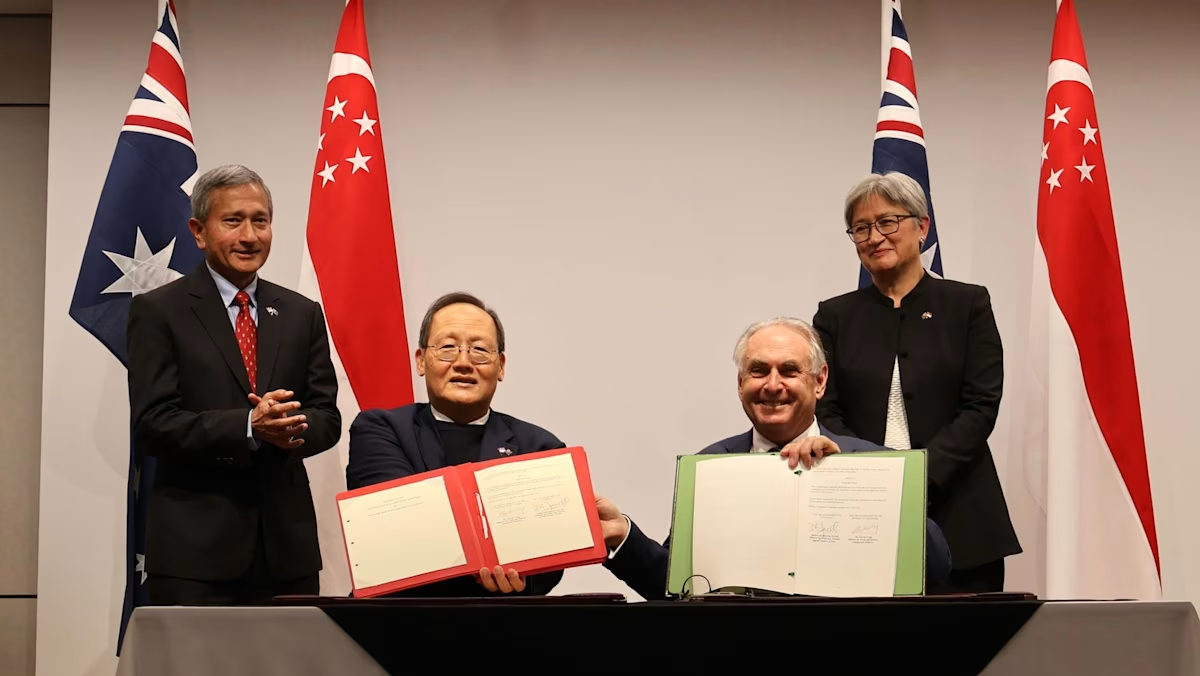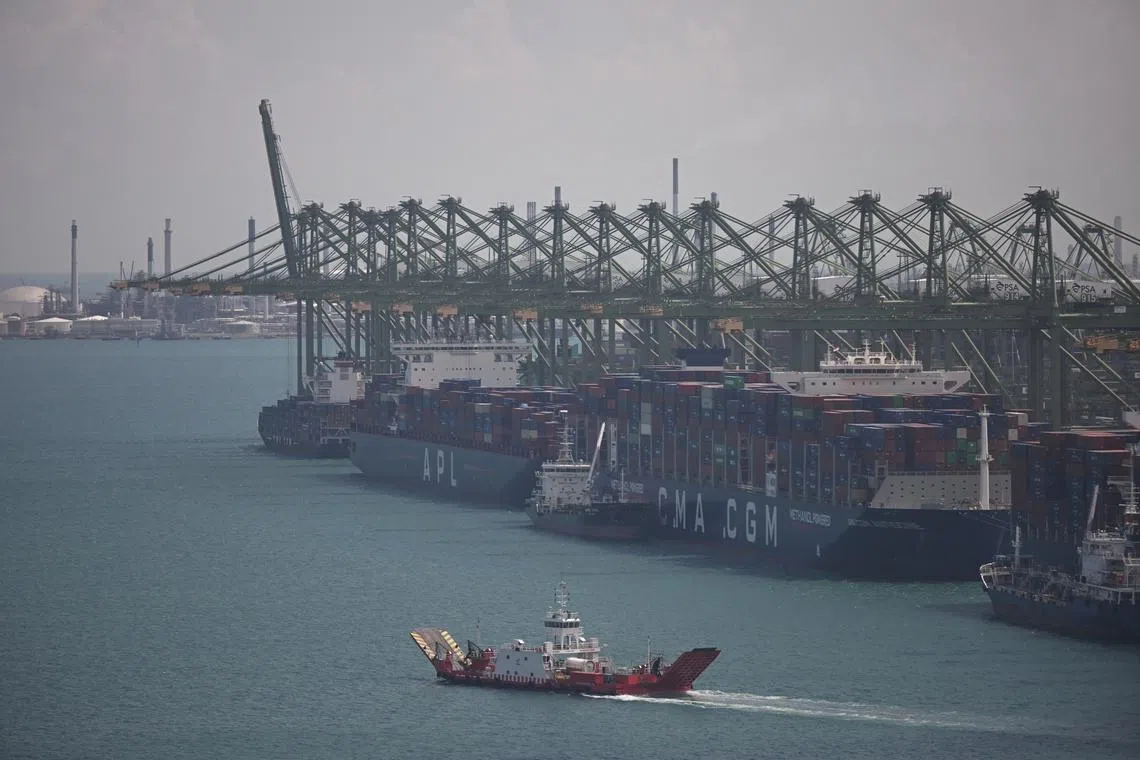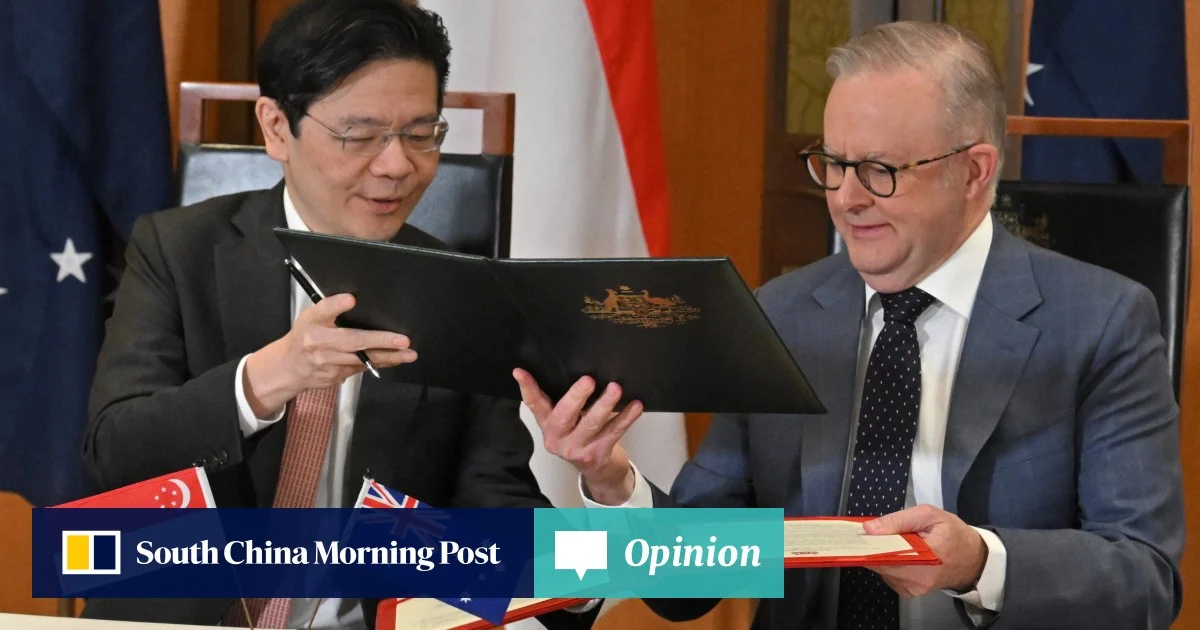
As the fallout from the Iran war has renewed attention to the fragility of global supply chains, Singapore is emerging as a leading architect of new agreements and partnerships to maintain the flow of essential goods.In early April, Australia and Singapore announced they had substantially concluded negotiations on a legally binding protocol covering economic resilience and essential supplies, including petroleum and liquefied natural gas. Weeks later, New Zealand Prime Minister Christopher Luxon travelled to Singapore to sign the Agreement on Trade in Essential Supplies (AOTES), committing both countries to maintain the flow of essential goods during supply-chain disruptions.Looking at the legal text of AOTES, this is not merely another energy supply or free-trade agreement. The binding instrument is the first-of-its-kind, requiring both countries, where practicable, to keep ports and air terminals open, identify alternative routes and fulfil other obligations aimed at keeping essential goods moving. AOTES, therefore, inaugurates a new kind of trade agreement directed specifically at supply-chain resilience.Singapore’s diplomatic language makes it clear that these agreements are just as much about creating a model for supply-chain cooperation to ensure “global energy supply chains are kept open” as they are about creating bilateral assurances.Australian Prime Minister Anthony Albanese (right) talks to Singapore Refining Company CEO Eso Thomas during a visit to the facility in Singapore on April 10. Photo: EPASingapore’s role in developing and promoting supply-chain resilience agreements illustrates how it exercises “norm entrepreneurship” in practice.
Asian Angle | Singapore’s trade pacts prove small states can shape global rules
While major powers employ coercion, Singapore is using flexible, legally binding templates to keep trade open.
236 words~1 min read