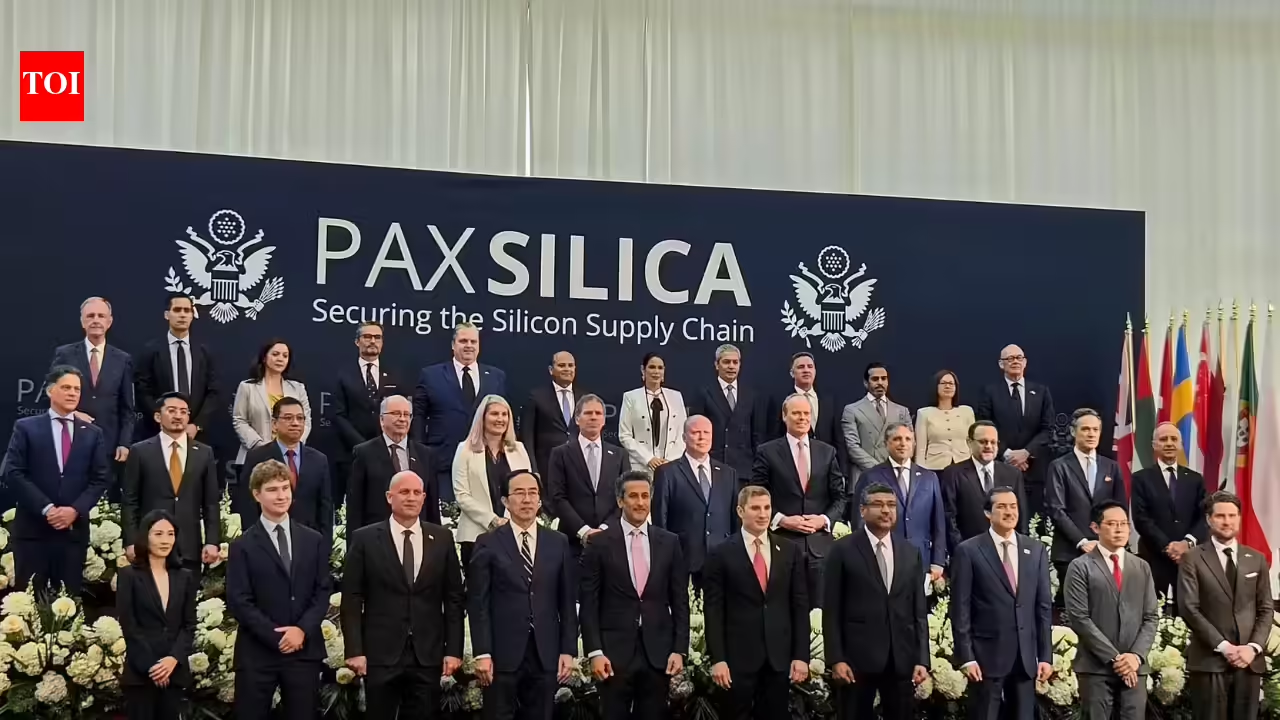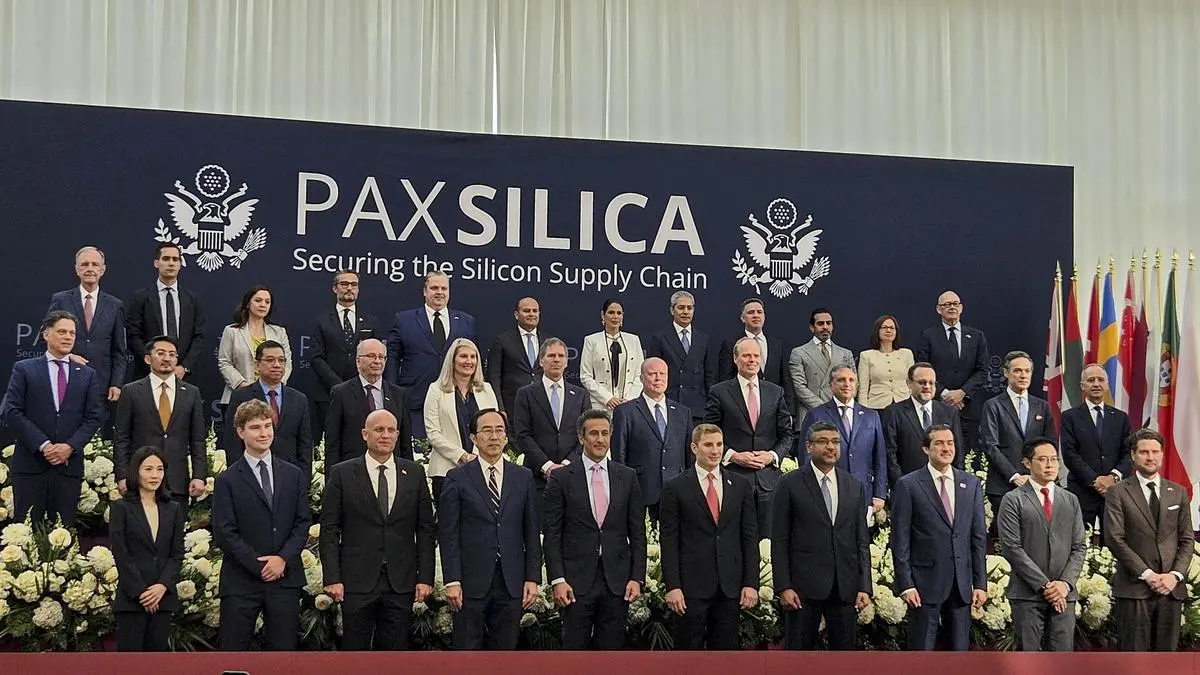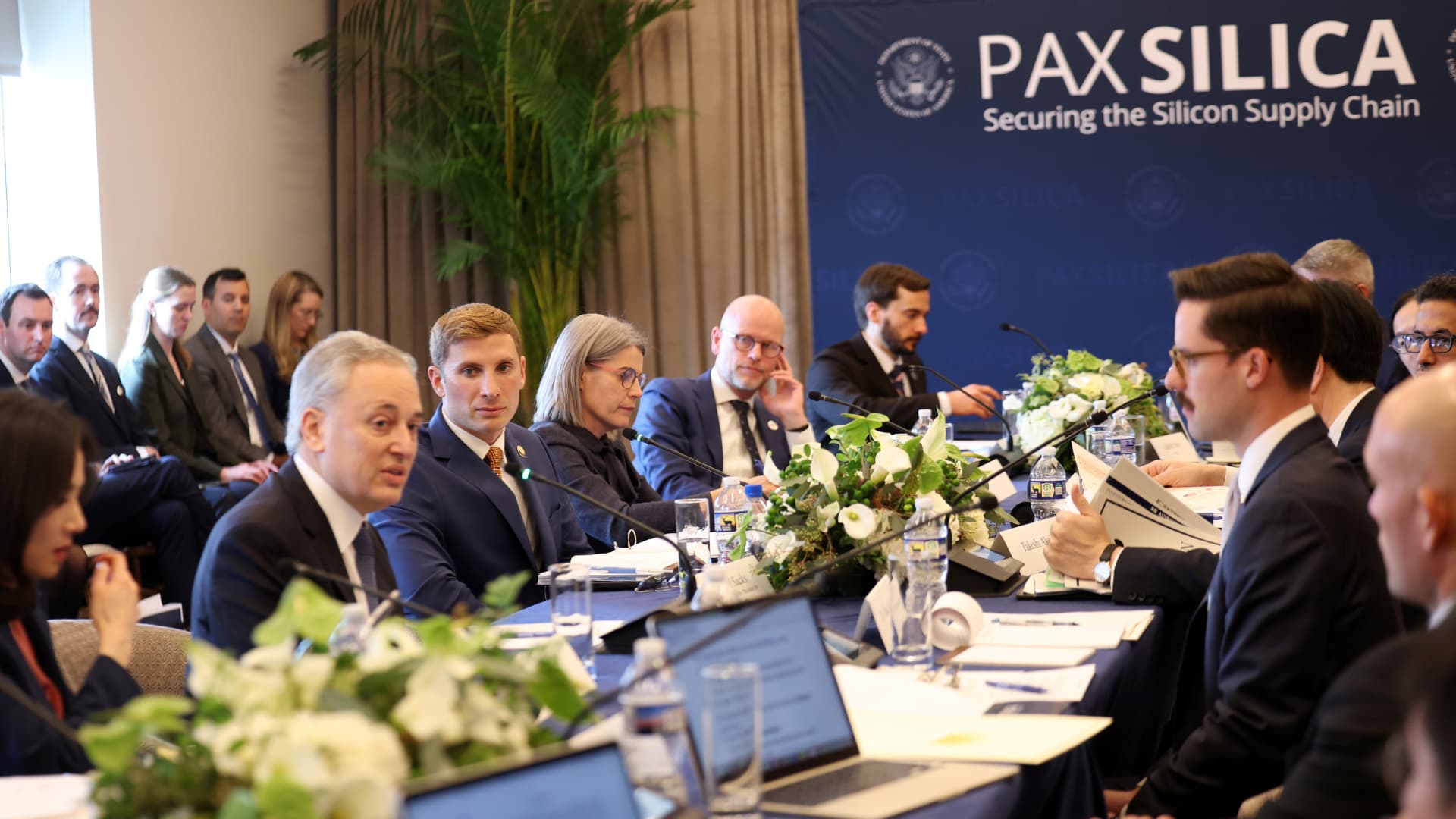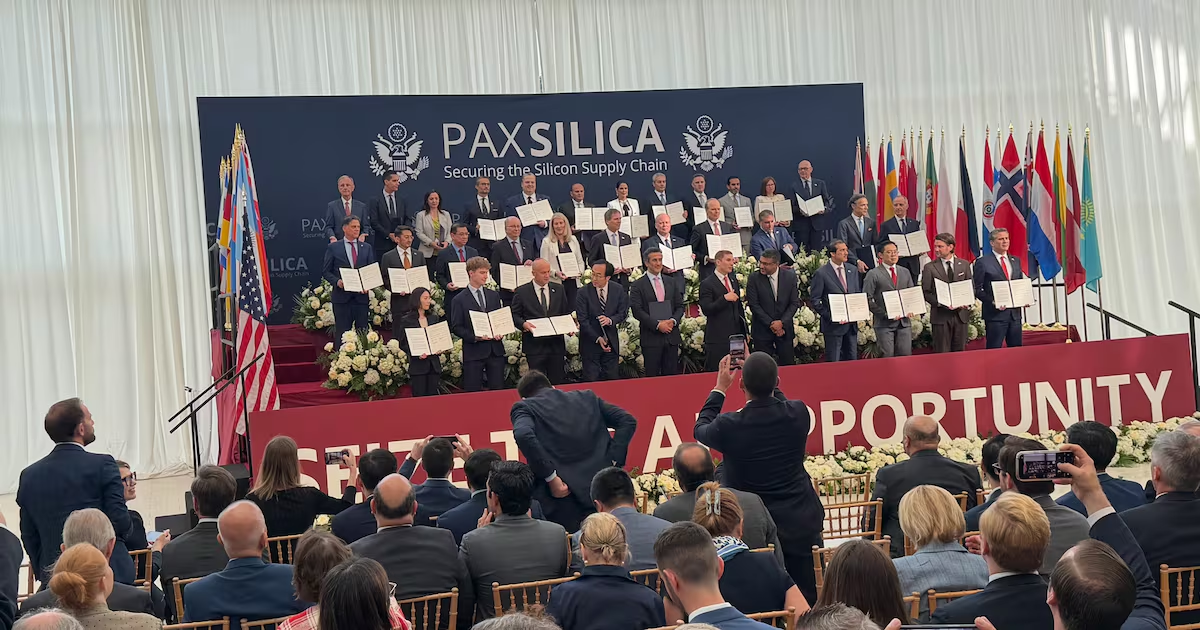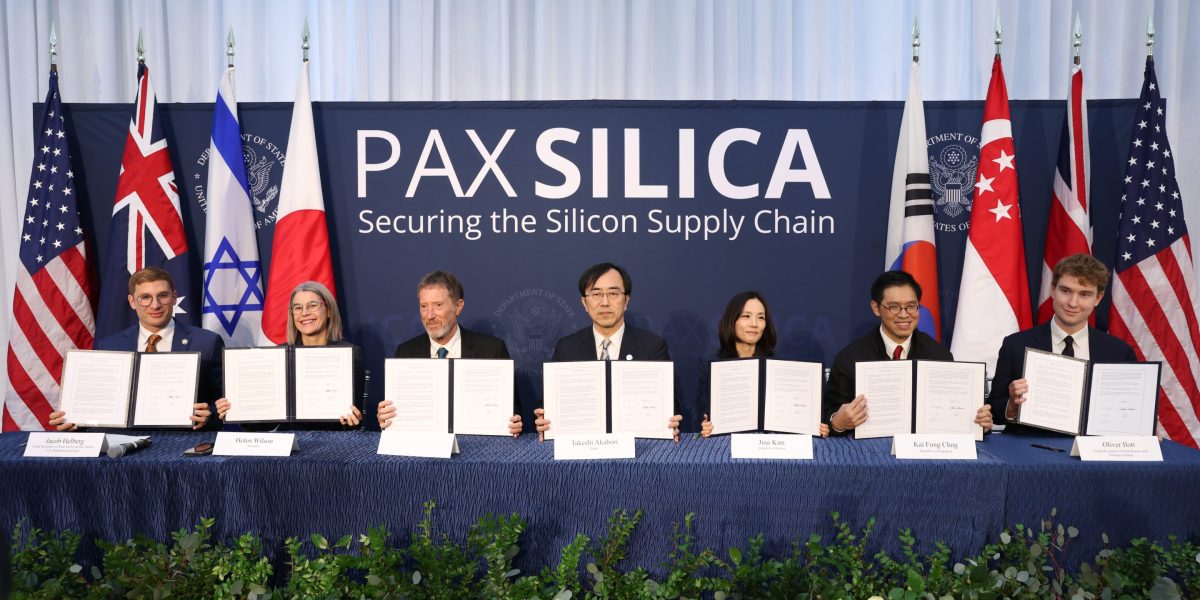
With its new Pax Silica Declaration, Washington has picked its most trusted partners in the AI sector: An array of close U.S. allies, including Australia, the U.K., and Israel.
Yet despite deepening trade relations between the U.S. and ASEAN nations like Thailand, Malaysia and Vietnam, Singapore remains the agreement’s only Southeast Asian signatory. That decision comes even as ASEAN nations like Malaysia are investing in their own AI industries, like semiconductors and data centers.
Singapore is “precisely the kind of ‘trusted node’ the U.S. is seeking to anchor AI-era supply chains,” says Ruben Durante, a professor of economics and Provost’s Chair at the National University of Singapore (NUS). Singapore “offers strong governance, regulatory credibility, capital markets, logistics, and advanced data center and connectivity infrastructure.”
The country has a long history with chips. U.S.-based National Semiconductor set up a plant there in 1968, followed by the government’s creation of Chartered Semiconductor Manufacturing in 1987. Singapore now accounts for around 10% of all chip production.
More recently, Singapore has strived to become an “AI nation,” investing in skilling programs to train its workforce and encouraging local AI development. The country has also attracted billions of dollars’ worth in cloud computing and data centers, including from Big Tech companies like Amazon and Google.