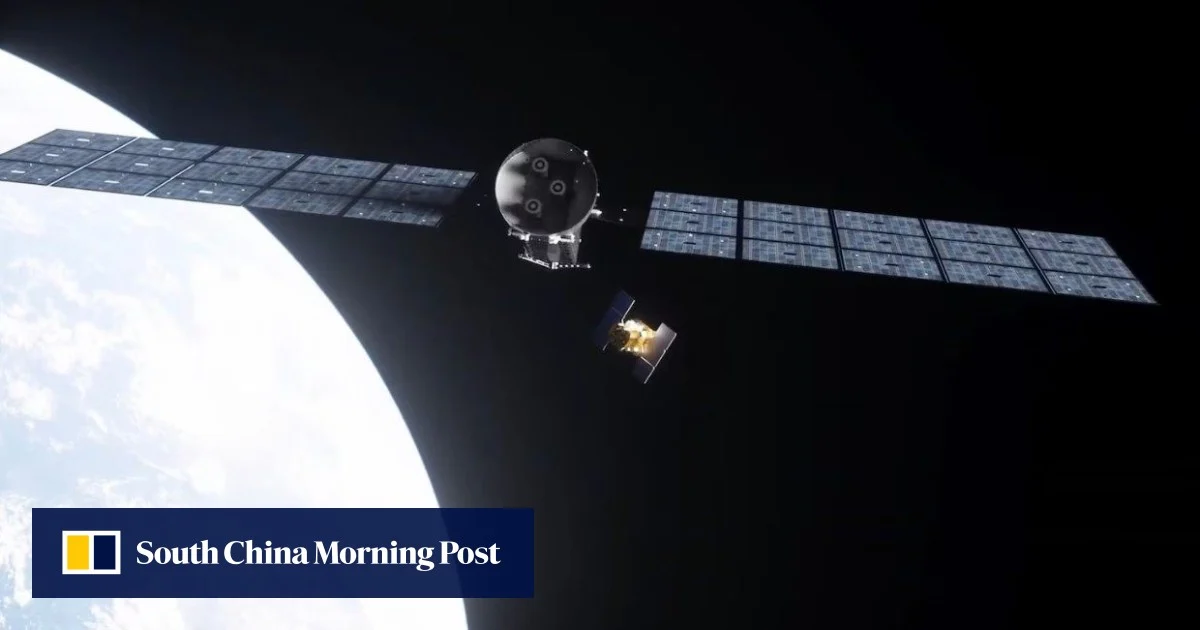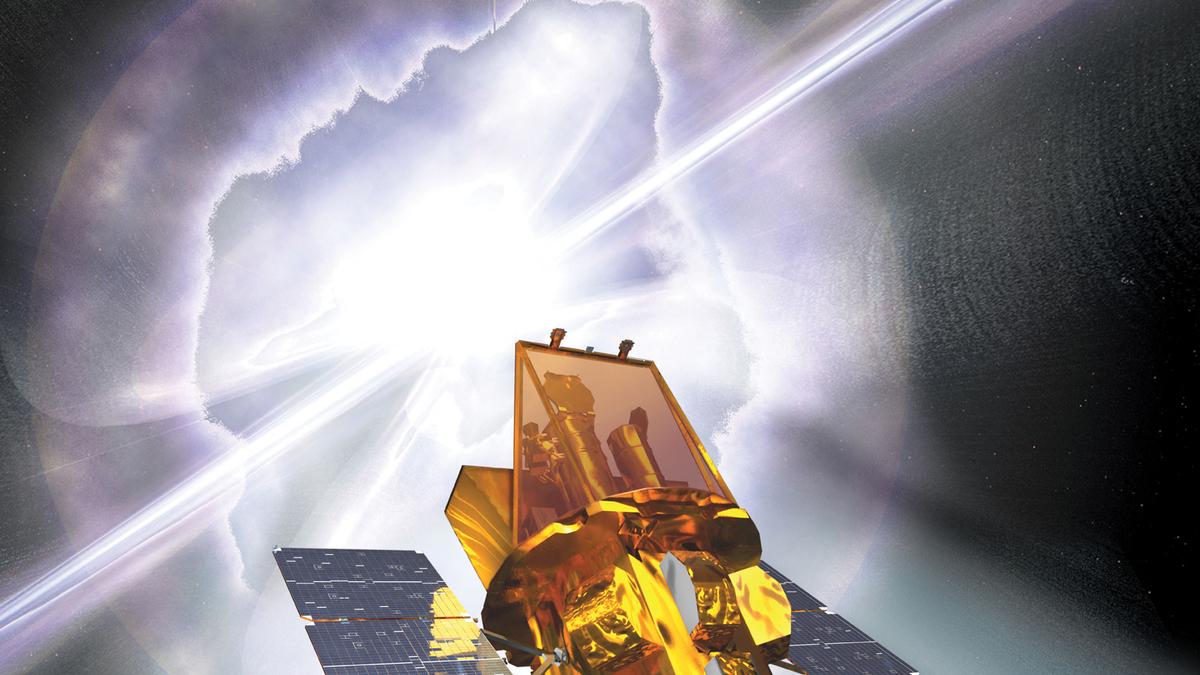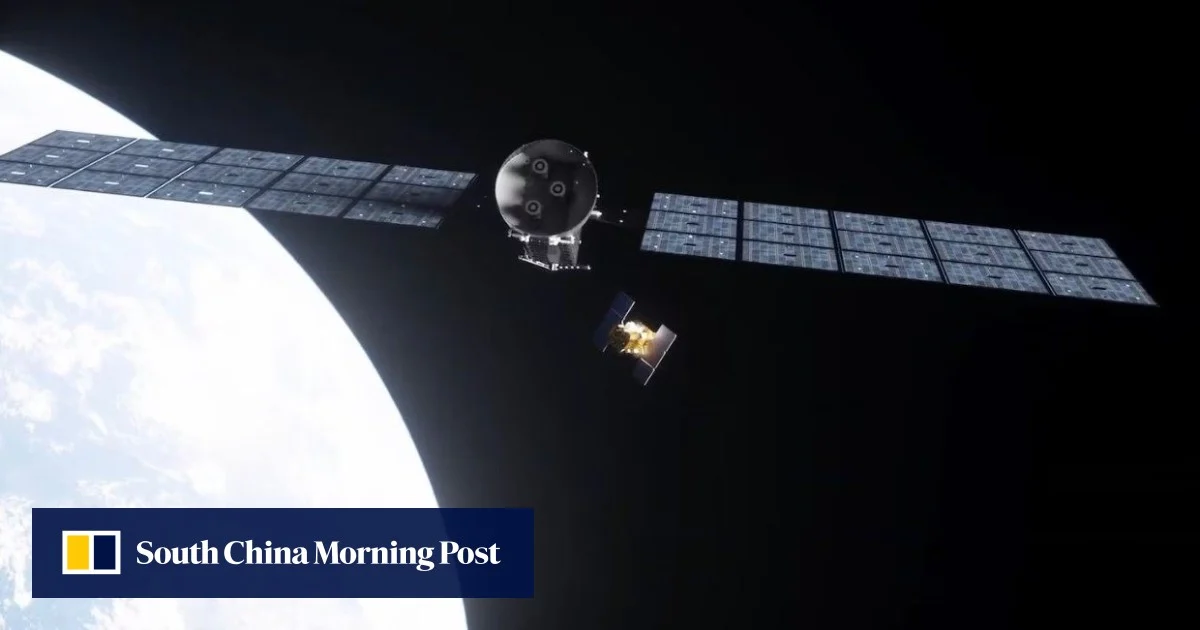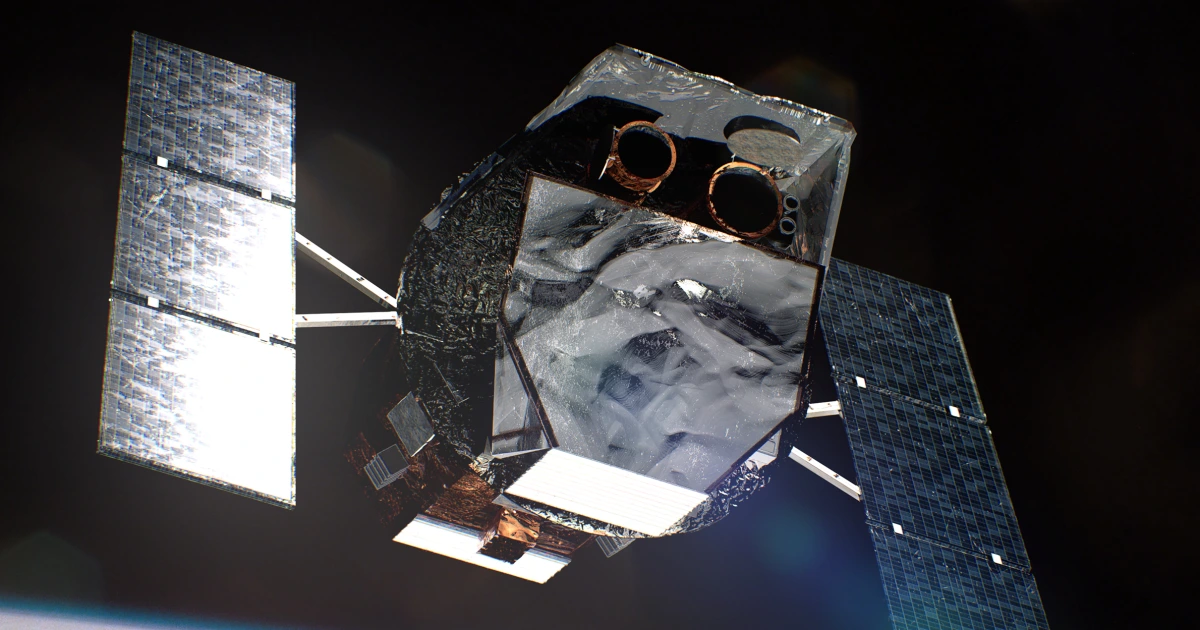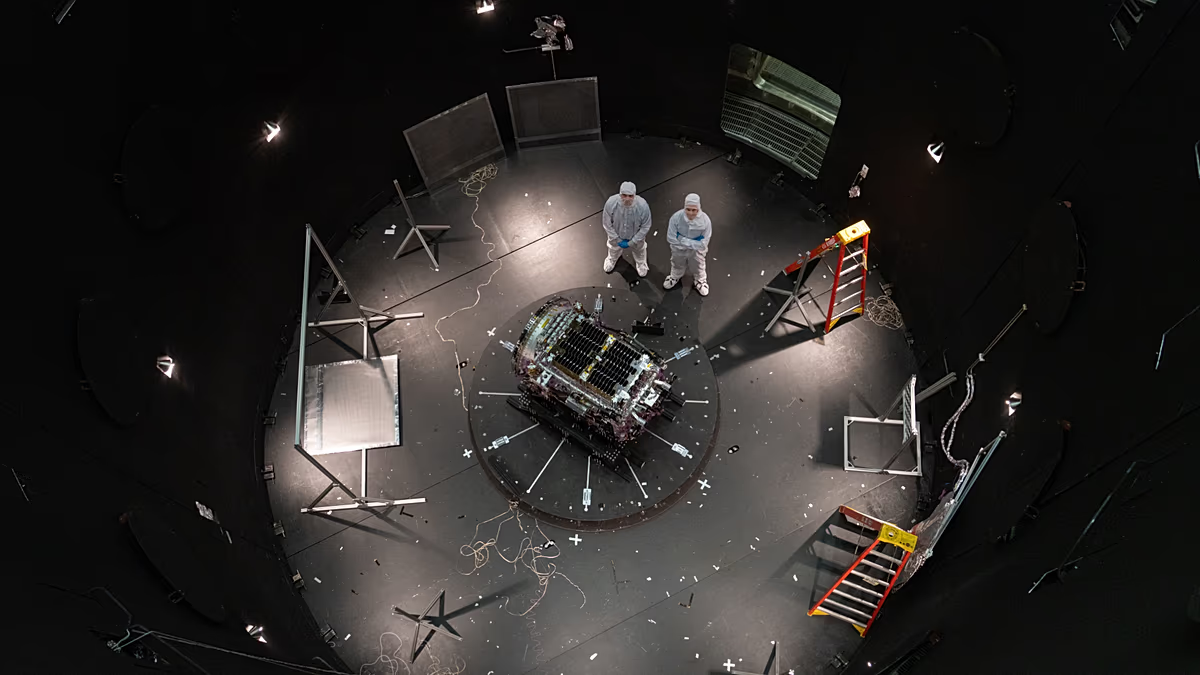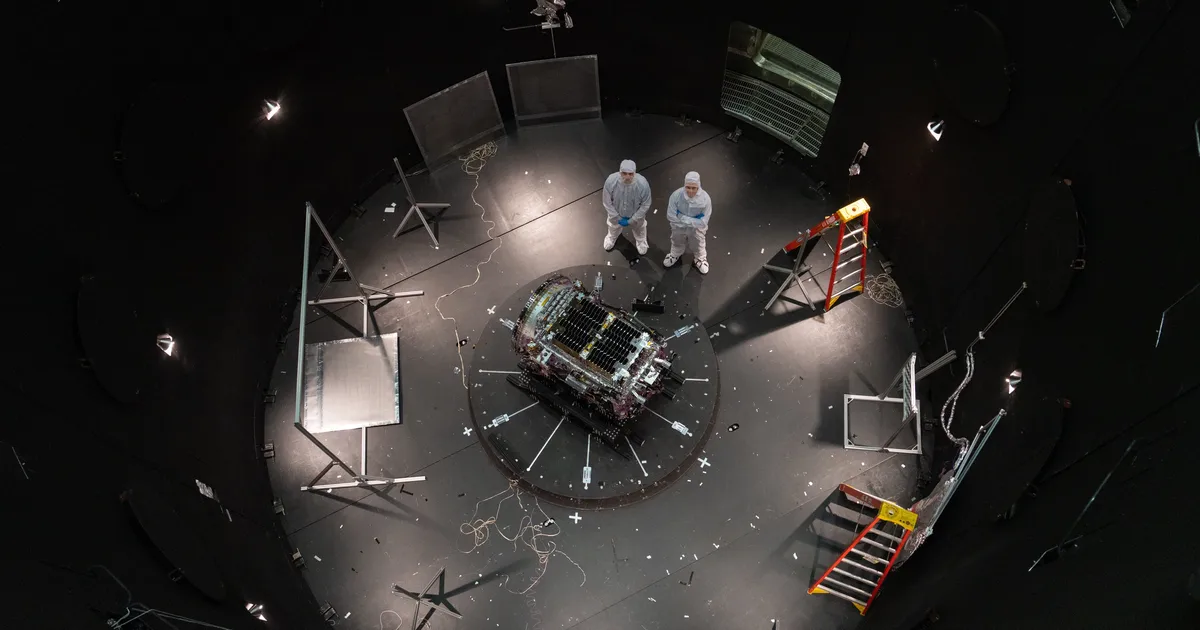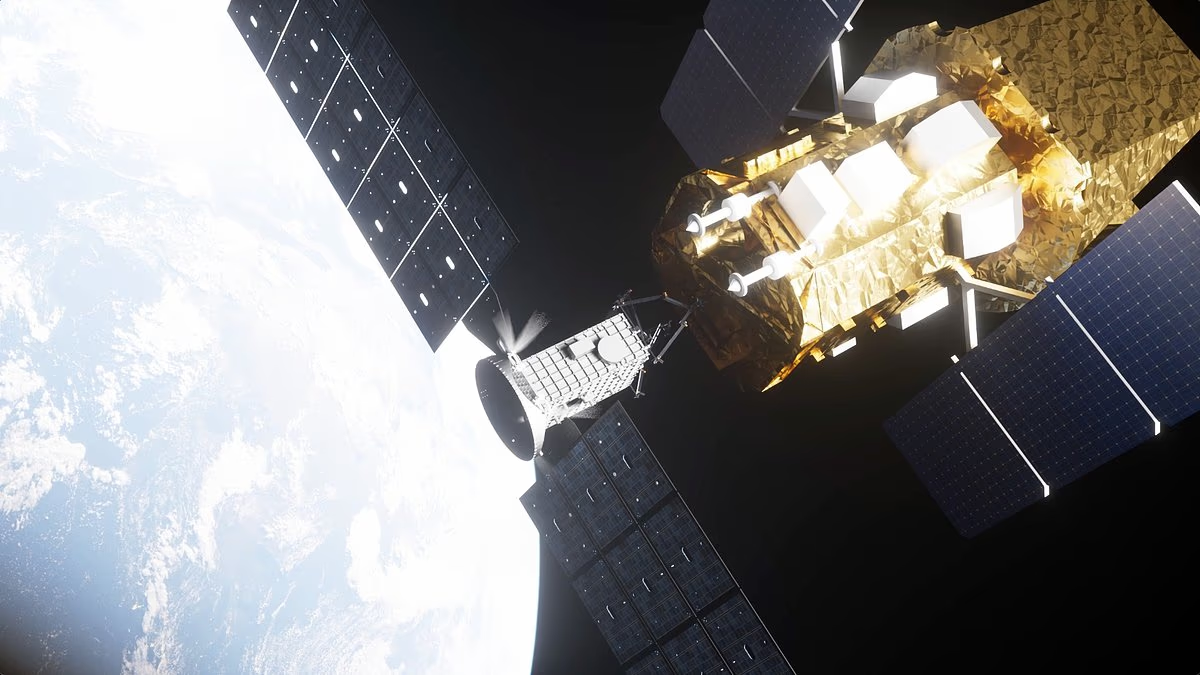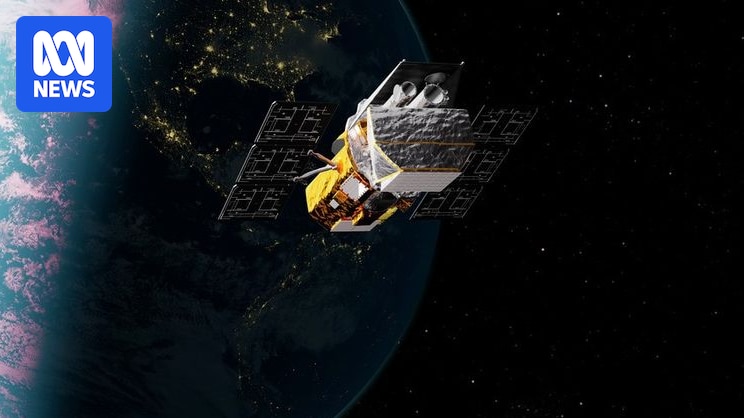
Sat 4 Jul 2026 at 11:53amSat 4 Jul 2026 at 11:53amArtist's impression of the Swift observatory. (Supplied: NASA)In short:NASA has launched a robotic mission to try to prevent one of its aging telescopes from burning up in the atmosphere.The unprecedented effort involves sending a robot to rescue the Swift space telescope that is currently falling towards Earth.The robot's launch was postponed earlier this week due to weather and then technical issues.A three-armed spacecraft has rocketed into orbit to rescue a NASA telescope that is in danger of crashing back to Earth.Northrop Grumman launched Katalyst Space Technologies' Link spacecraft from the Marshall Islands in the Pacific, on Friday local time.The Pegasus rocket blasted off from the belly of a modified airplane, putting Link on course to reach and capture NASA's Swift Observatory in about a month.The complicated operation is expected to last several months. (Reuters: Supplied/Ron Beard/NASA)Launched in 2004, Swift is sinking faster than ever because of recent solar storms.If successful, the mission could pave the way for giving other satellites a second life.NASA is paying $US30 million ($43.5 million) for Katalyst to capture the telescope and boost its orbit so it can continue tracking some of the biggest explosions in the universe, like gamma ray bursts and exploding stars.If all goes well, Swift could be back scanning the cosmos by September.Observations are currently on hold to preserve the telescope's orbit as long as possible.NASA's Hubble Space Telescope could be a candidate for a similar salvage operation in a few years.It is also slipping in altitude because of increased atmospheric drag caused by the sun's outbursts.The 1.4-metric ton Swift currently is circling 360 kilometres above Earth.Katalyst aims to raise the telescope's altitude by 240 kilometres, back to where it all began.Link's thrusters will fire to boost Swift slowly, so there's no heavy jostling.Without such a boost, it's predicted to plunge to its demise in October.The SWIFT orbital boost effort is the first US mission of its kind
NASA launches robotic mission to save space telescope
NASA launched a mission on Friday, local time, to try to prevent one of its aging telescopes from burning up in the atmosphere, a complicated operation expected to last months.
386 words~2 min read